Nascut
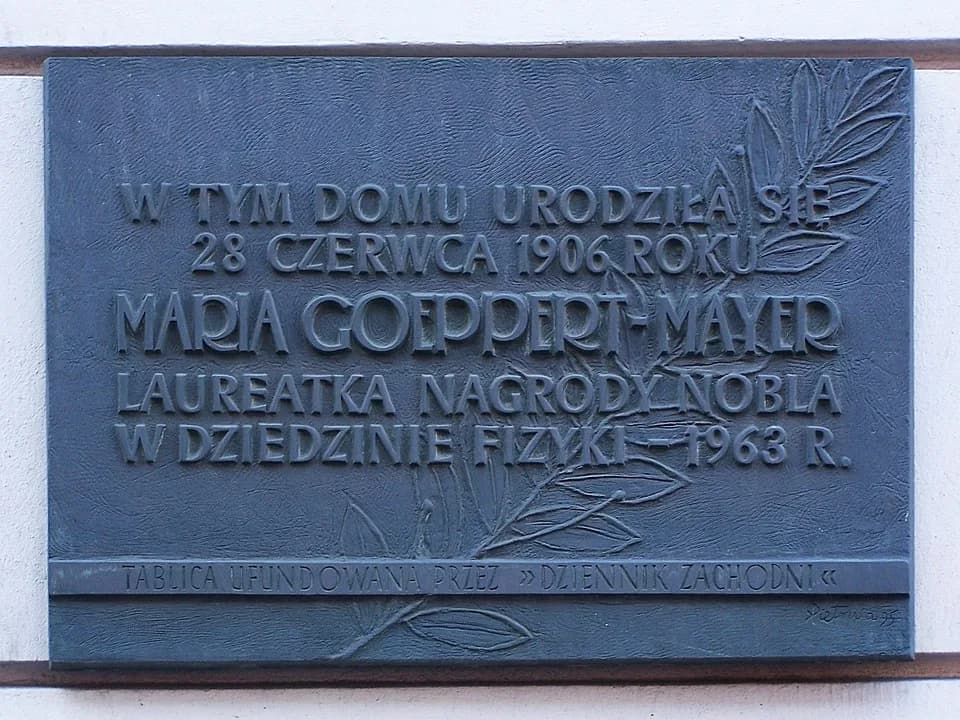
June 28, 1906
Katowice, Weimar Republic
Mort
February 20, 1972
San Diego, United States
Conegut per
German-born American theoretical physicist
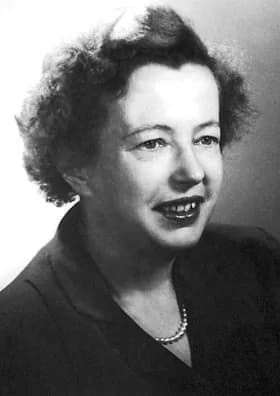
Maria Goeppert Mayer (1906–1972) was Weimar Republic best known for German-born American theoretical physicist.
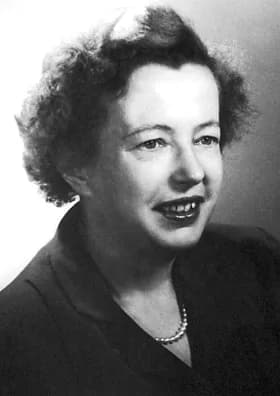
Maria Goeppert Mayer (June 28, 1906 – February 20, 1972) was a German-born American theoretical physicist. She shared the 1963 Nobel Prize in Physics for her nuclear shell structure discoveries, becoming the second woman to win. Her legacy inspires early-career women physicists.
Una vida en moments
Els moments que van marcar una vida
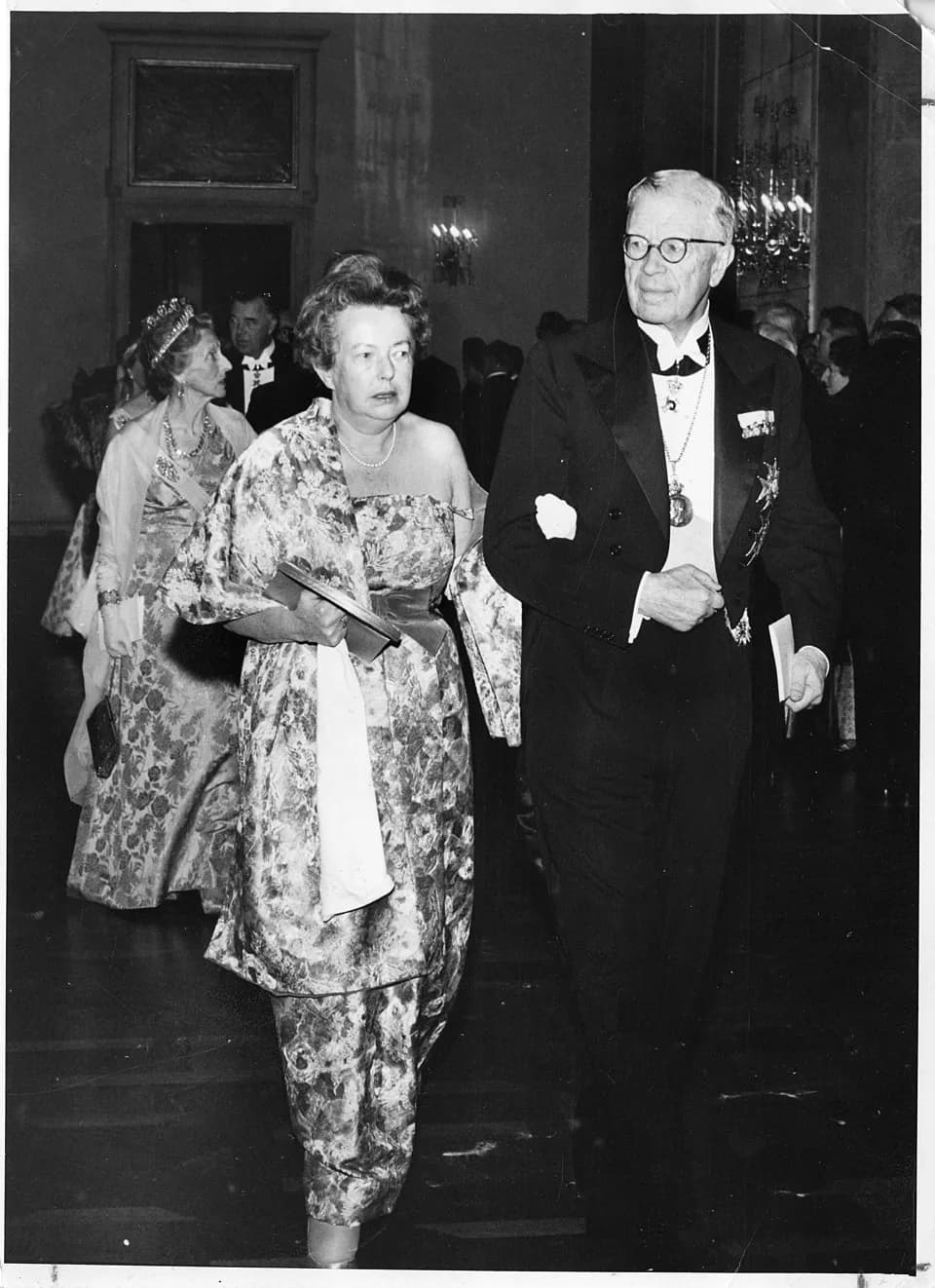
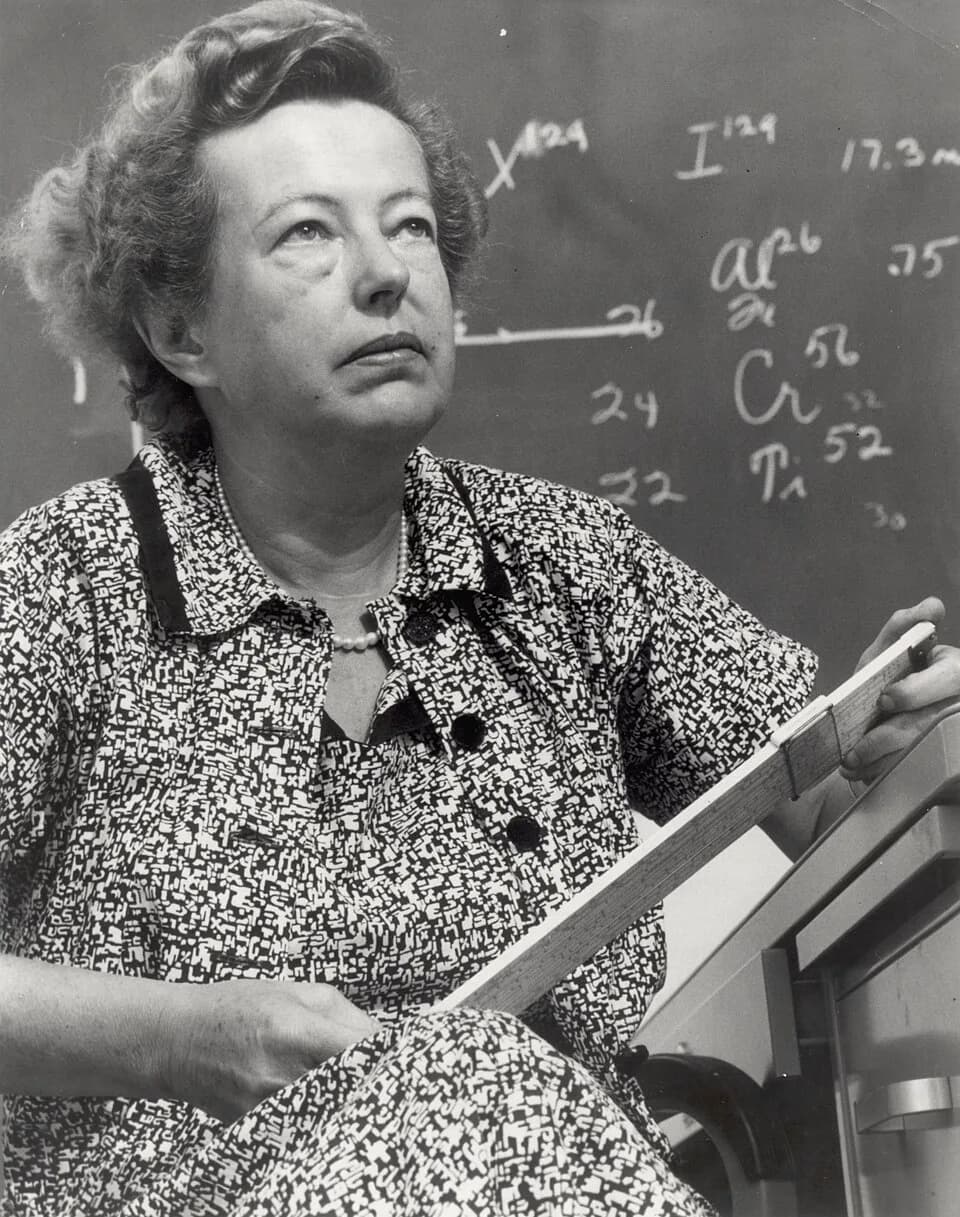
Capítol
Capítols de la vida
Capítol 1 · 1906· Capítol 1 de 8
Opening
Maria Goeppert Mayer (June 28, 1906 – February 20, 1972) was a distinguished German-born American theoretical physicist. She is remembered for her significant contributions to understanding the structure of atomic nuclei. Her work earned her the prestigious Nobel Prize in Physics, marking a pivotal moment in scientific history. Mayer's career as a physicist, university teacher, and scientist left an enduring mark on the field of nuclear physics.
Capítol 2 · 1906· Capítol 2 de 8
Early Life and Origins
Maria Goeppert Mayer was born on June 28, 1906, in Katowice, which was then part of the Weimar Republic. Her early life in Europe laid a strong foundation for a future dedicated to scientific inquiry. The intellectual environment she experienced during her formative years helped shape her path toward theoretical physics.
Capítol 3· Capítol 3 de 8
Career Beginnings
Mayer embarked on her career as a physicist during a challenging era for women in science. Despite various societal barriers, her innate talent and unwavering dedication shone through brightly. Her early work quickly established her as a keen theoretical mind capable of significant and original research.
Capítol 4 · 1963· Capítol 4 de 8
Major Achievements and Career Highlights
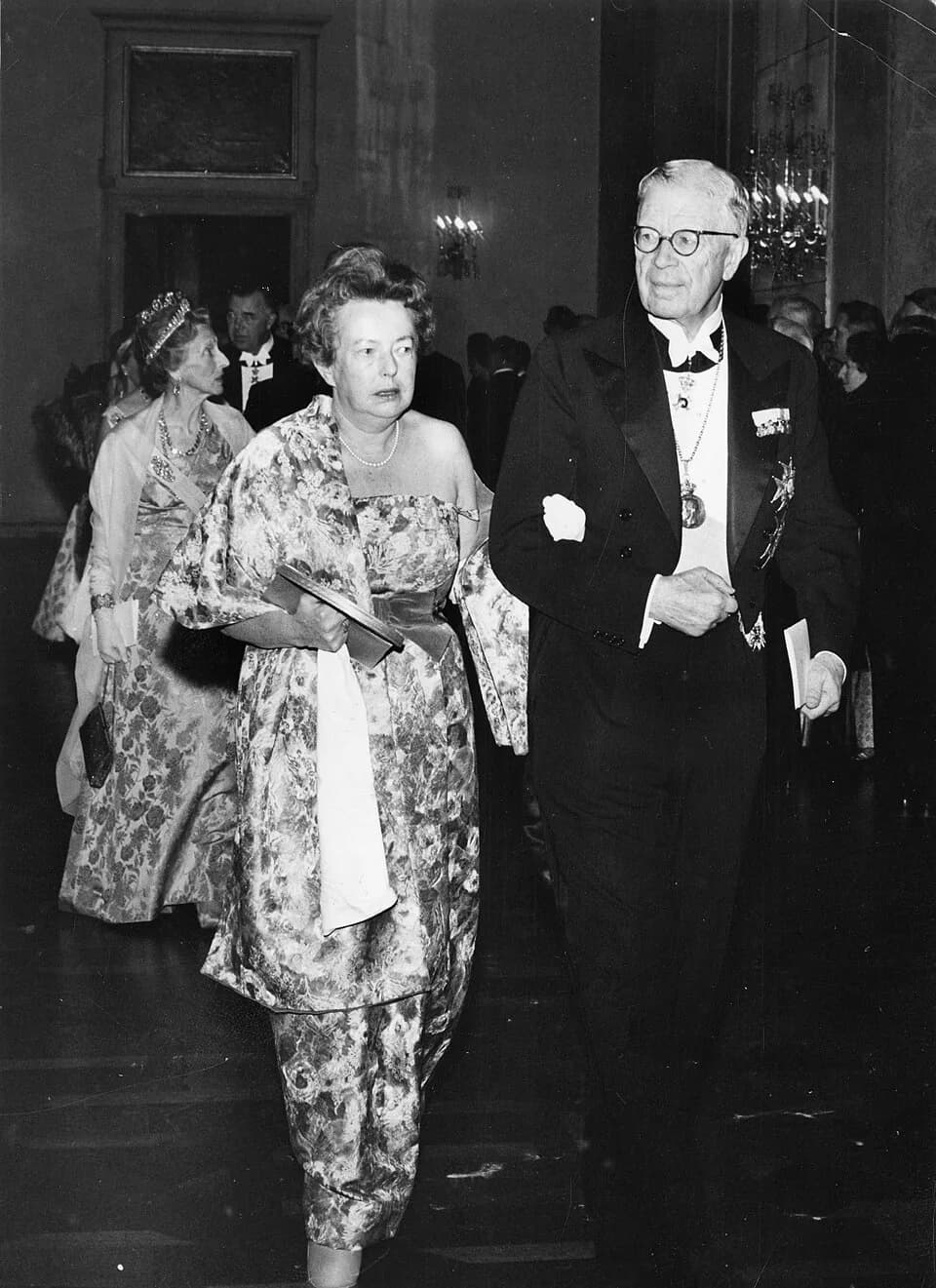
A crowning achievement in Maria Goeppert Mayer's career was receiving the 1963 Nobel Prize in Physics. She shared this esteemed award with J. Hans D. Jensen and Eugene Wigner. Goeppert Mayer and Jensen were jointly recognized "for their discoveries concerning nuclear shell structure," a theoretical model explaining the stability of atomic nuclei. This made her only the second woman to ever win the Nobel Prize in Physics, following Marie Curie in 1903. In 1986, her lasting influence was honored with the establishment of the Maria Goeppert Mayer Award, designed to support early-career women physicists.
Capítol 5· Capítol 5 de 8
Personal Life
While the provided details focus primarily on her professional achievements, Maria Goeppert Mayer's journey as a German-born American highlighted a life lived across cultures. Her relocation to the United States and subsequent work there marked a significant personal and professional transition.
Capítol 6 · 1938· Capítol 6 de 8
Notable Works or Contributions
Maria Goeppert Mayer's scientific contributions are well-documented through her academic publications, achieving an h-index of 8 with 15 published papers. Her top works included "Calculations of the Lower Excited Levels of Benzene" (1938, 446 citations) and "Puzzles and paradoxes" (1966, 33 citations). Other significant papers were "Calculations on a New Neutron-Proton Interaction Potential" (1938, 27 citations) and "Lattice Summations for Hexagonal Close‐Packed Crystals" (1940, 19 citations). She also published "Harmonic Oscillator Wave Functions in Nuclear Spectroscopy" (1960, 17 citations), demonstrating her consistent output in theoretical physics.
Capítol 7 · 1972· Capítol 7 de 8
Later Years
Maria Goeppert Mayer continued to contribute to her field, culminating in her later years as a respected figure in physics. Her work influenced subsequent generations of scientists, solidifying her status as an intellectual leader. She passed away on February 20, 1972, in San Diego, United States, leaving behind a rich scientific legacy.
Capítol 8· Capítol 8 de 8
Legacy and Impact
Maria Goeppert Mayer's legacy continues to inspire and inform the field of physics. Her pioneering work on nuclear shell structure remains a cornerstone of modern nuclear physics. As the second woman to receive the Nobel Prize in Physics, she broke significant barriers and became a symbol of achievement for women in science. The Maria Goeppert Mayer Award, established in her honor, ensures that her name continues to encourage and support aspiring women physicists, extending her impact far beyond her lifetime.
FAQ
Preguntes freqüents
Quan va morir Maria Goeppert Mayer?
Maria Goeppert Mayer va morir el 20 de febrer del 1972 a San Diego, United States, als 65 anys.
On va néixer Maria Goeppert Mayer?
Maria Goeppert Mayer va néixer a Katowice, Weimar Republic el 28 de juny del 1906.
Per què és més conegut/da Maria Goeppert Mayer?
Maria Goeppert Mayer és conegut/da sobretot per German-born American theoretical physicist.
Quants anys tenia Maria Goeppert Mayer quan va morir?
Maria Goeppert Mayer tenia 65 anys en el moment de la seva mort.
Quina nacionalitat tenia Maria Goeppert Mayer?
Maria Goeppert Mayer era de Weimar Republic.
Cronologia
La vida en un cop d'ull
Galeria de fotos
Una vida en imatges
Feu clic a qualsevol polaroid per ampliar · 36 fotos
Codi QR
Comparteix aquesta biografia
Imprimeix i comparteix
Escaneja per visitar aquesta pàgina de biografia. Imprimeix per a esdeveniments, exposicions o materials educatius.