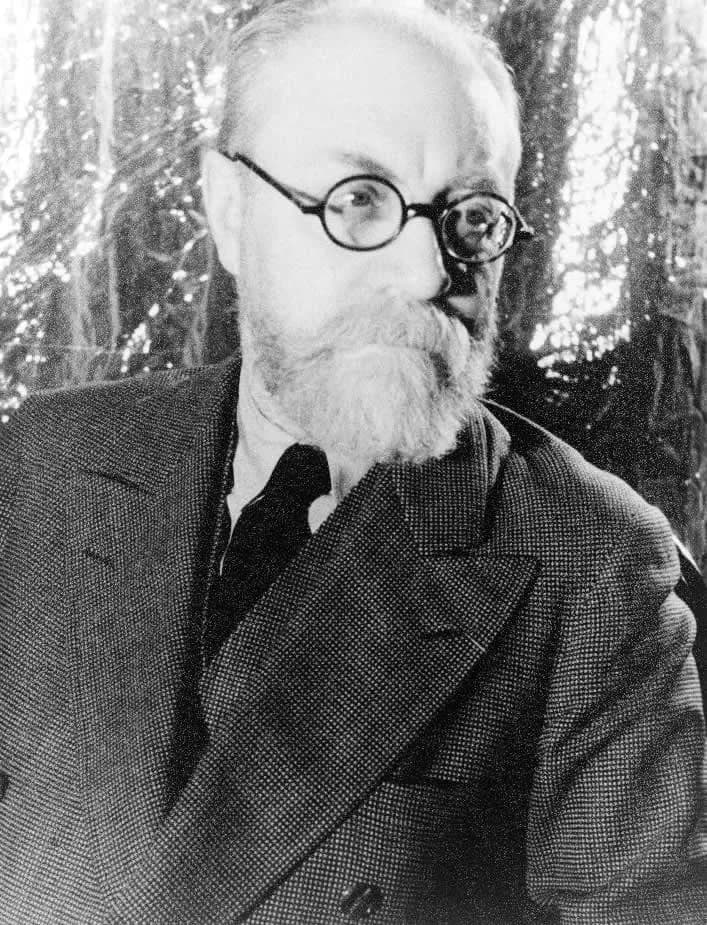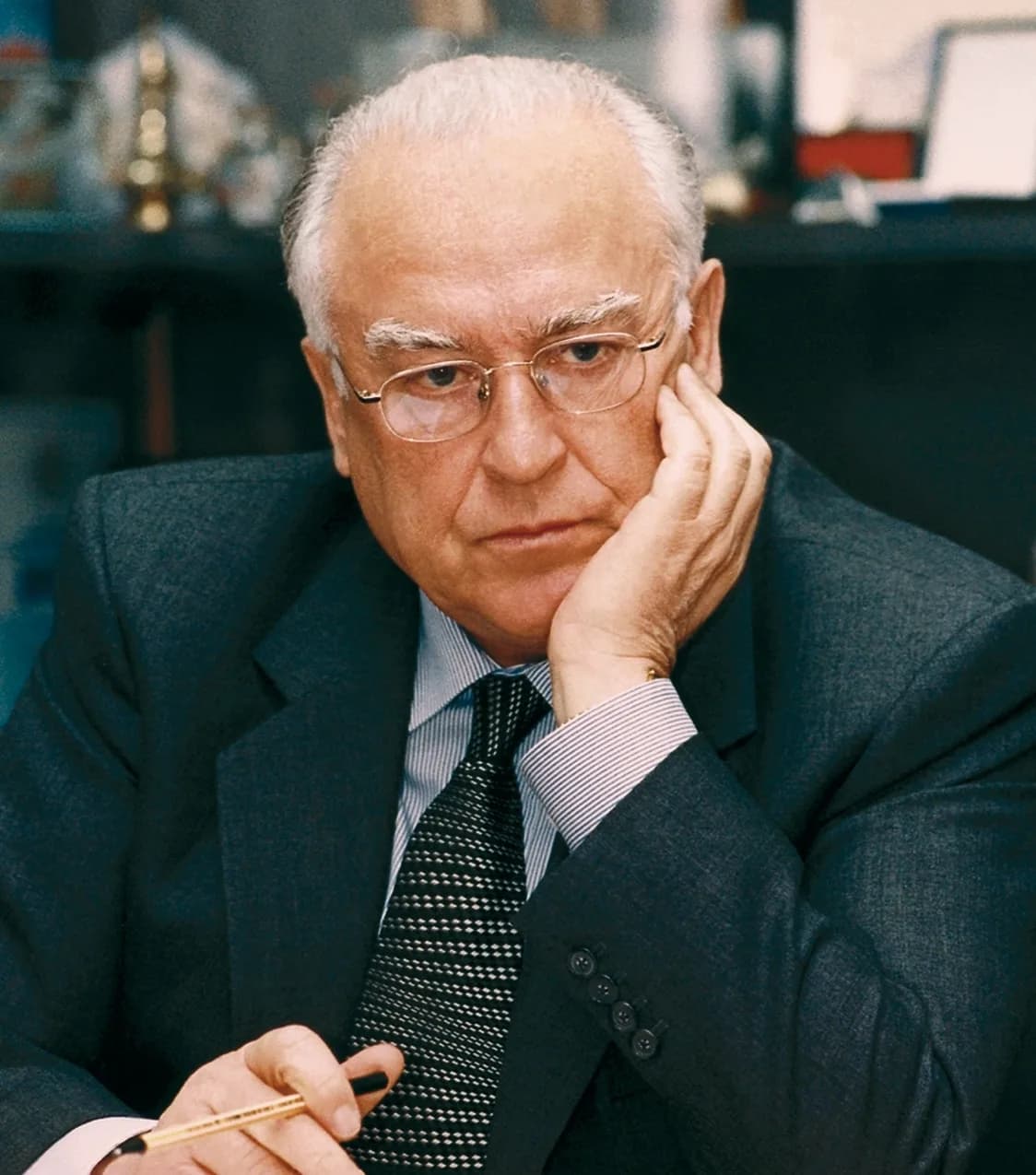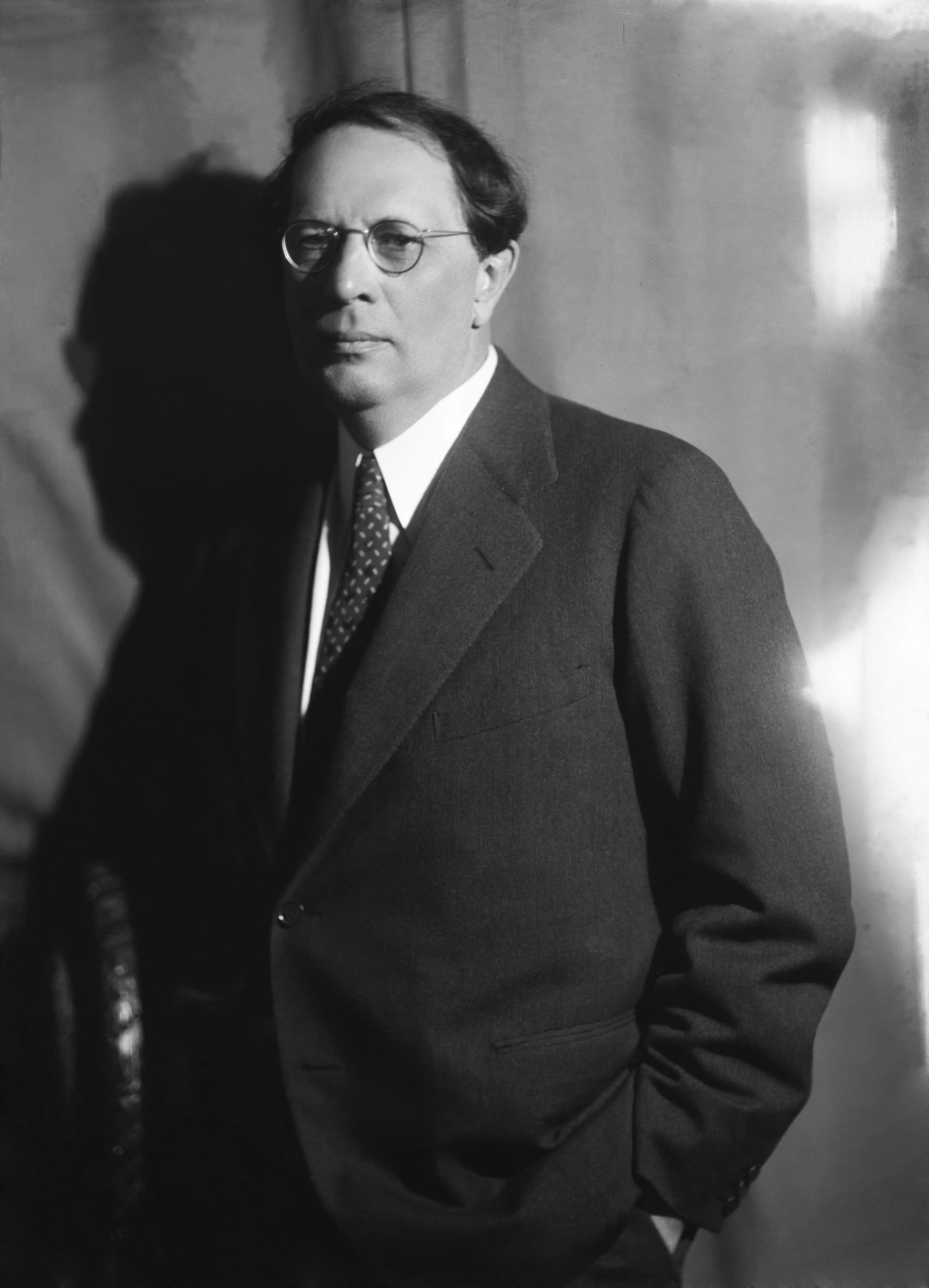
Nascut
January 10, 1880
Alcalá de Henares, Spain
Mort
November 3, 1940
Montauban, France
Conegut per
prime minister of Spain, president of Spain
Manuel Azaña (1880–1940) was Spain best known for prime minister of Spain, president of Spain.
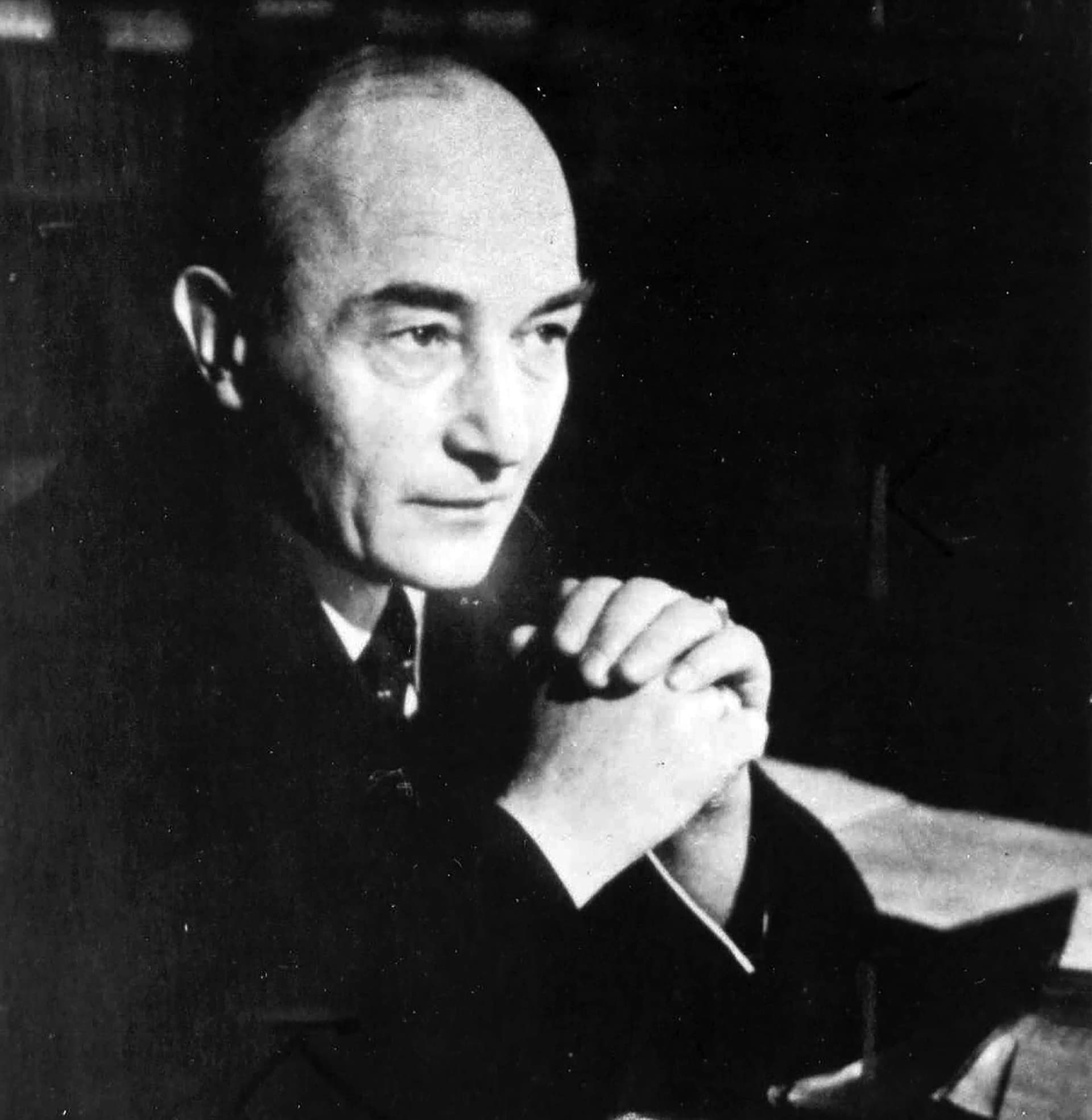
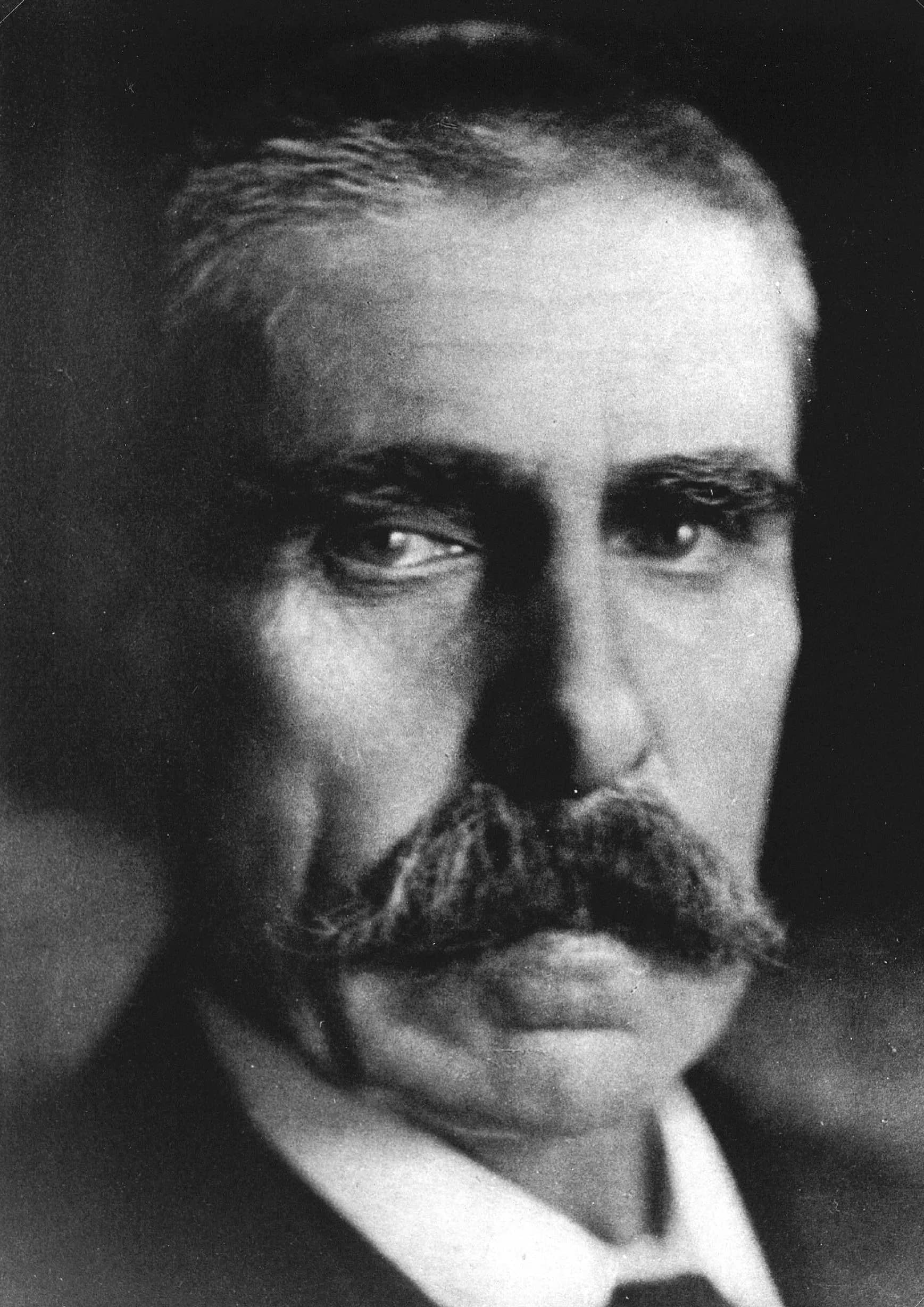
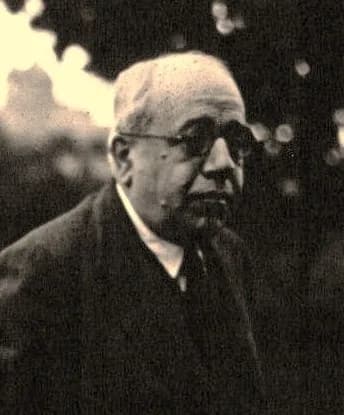
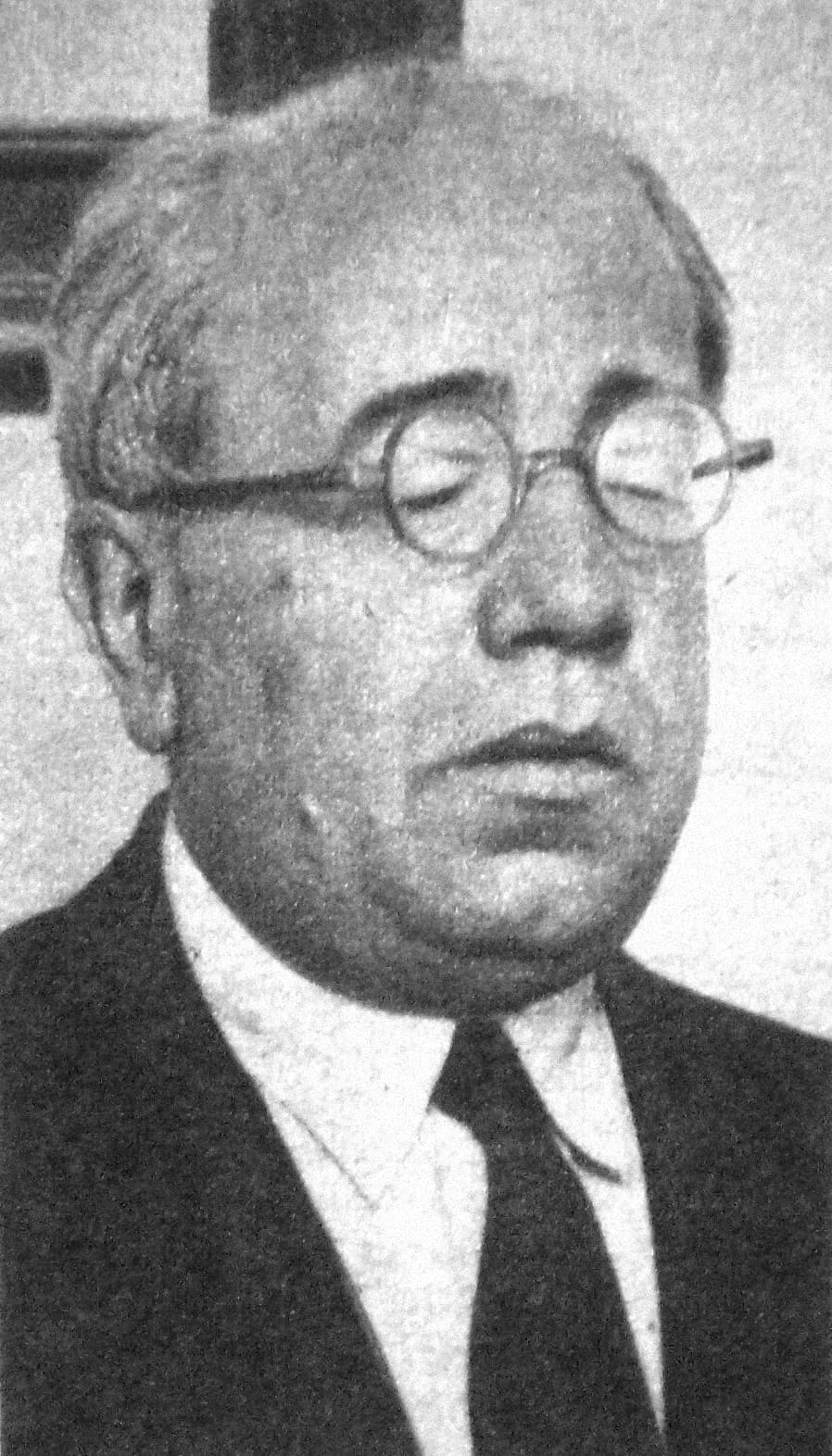
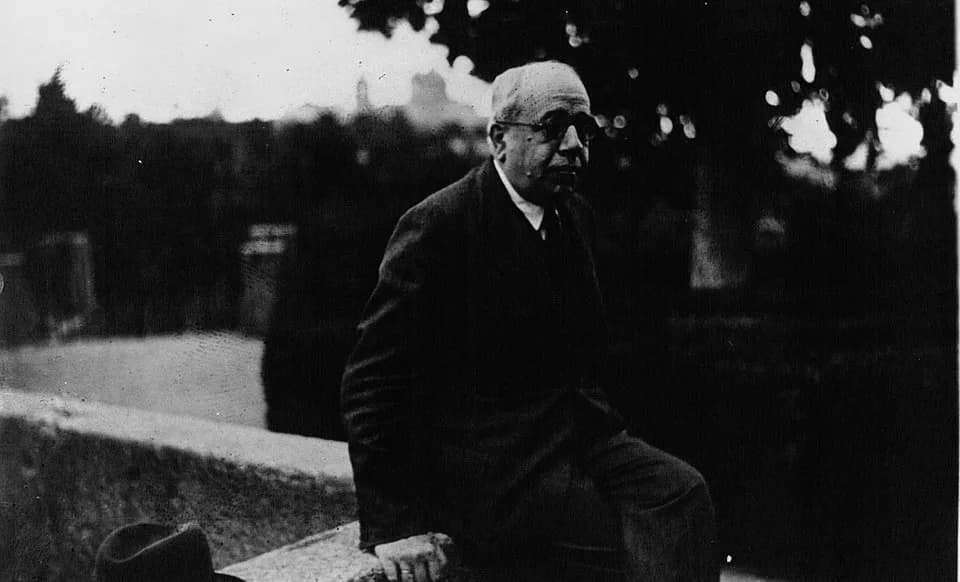
Manuel Azaña (January 10, 1880 – November 3, 1940) was a writer, lawyer, and politician from Spain. He served as Prime Minister and later as the last President of the Second Spanish Republic. Azaña is remembered as the father of the Republic and a key leader during the Spanish Civil War.
Una vida en moments
Els moments que van marcar una vida
Capítol
Capítols de la vida
Capítol 1 · 1880· Capítol 1 de 6
Early Life and Origins
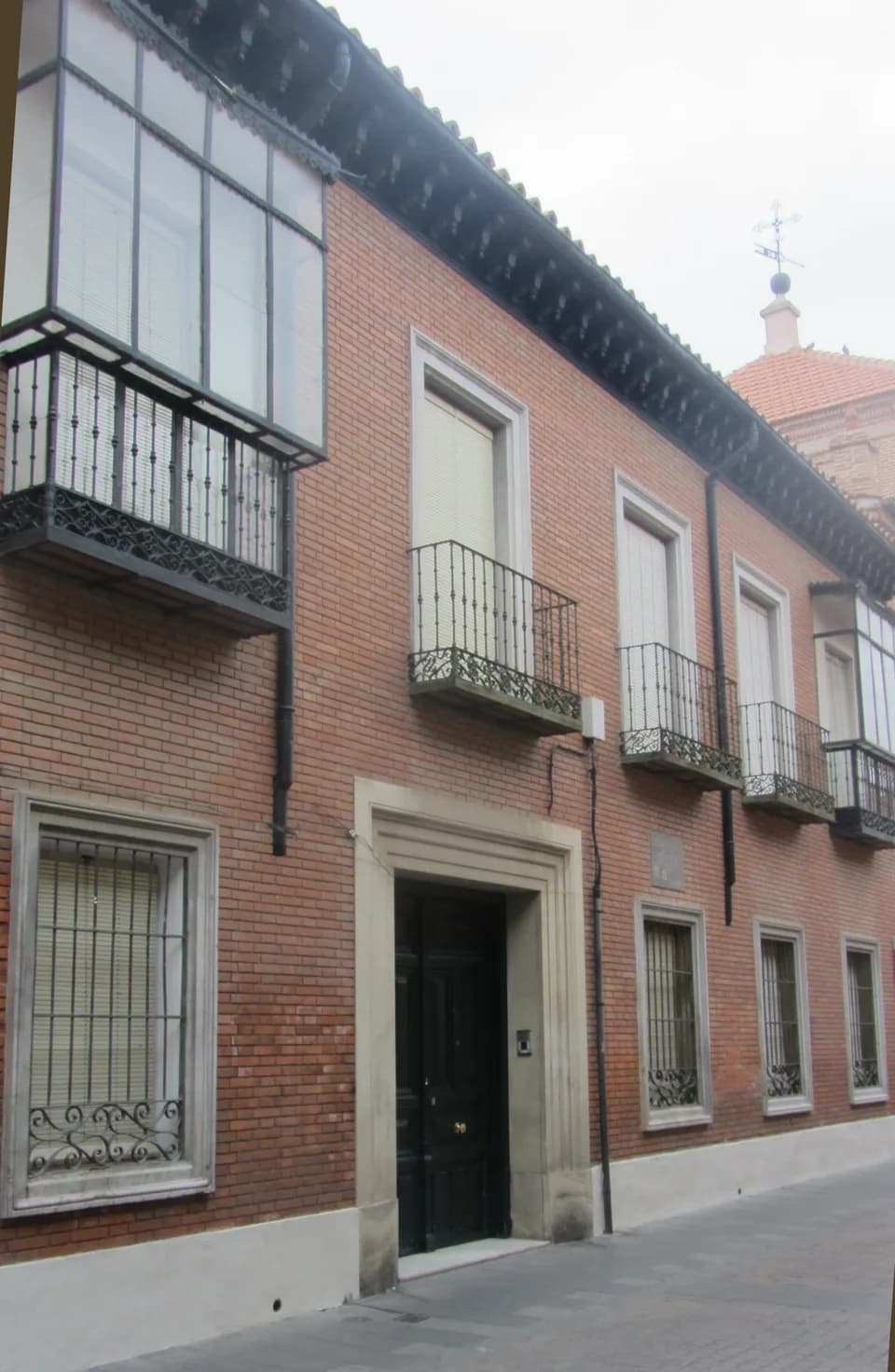
Manuel Azaña Díaz was born on January 10, 1880, in Alcalá de Henares, a historic city in Spain. His early years in this culturally rich environment likely fostered his intellectual pursuits and a deep connection to Spanish heritage. Azaña's path into the legal profession began with rigorous study, laying a foundation for his precise and eloquent communication style.
Capítol 2· Capítol 2 de 6
Career Beginnings
Initially establishing himself as a respected lawyer and a prolific writer, Manuel Azaña brought his intellectual rigor to the public sphere. His early professional life in law provided him with a keen understanding of governance and justice. Azaña's literary talents also gained him recognition, allowing him to articulate his ideas with clarity and conviction.
This dual foundation in law and literature naturally transitioned into a burgeoning political career. He quickly became a significant voice within Spanish intellectual and political circles. His early engagements laid the groundwork for his eventual leadership in the republican movement.
Capítol 3· Capítol 3 de 6
Major Achievements and Career Highlights
Manuel Azaña's political ascent saw him serve as Prime Minister of the Second Spanish Republic, a testament to his leadership and vision. During this period, he was instrumental in orchestrating significant reforms and policies aimed at modernizing Spain. His tenure as Prime Minister showcased his dedication to democratic principles and social progress.
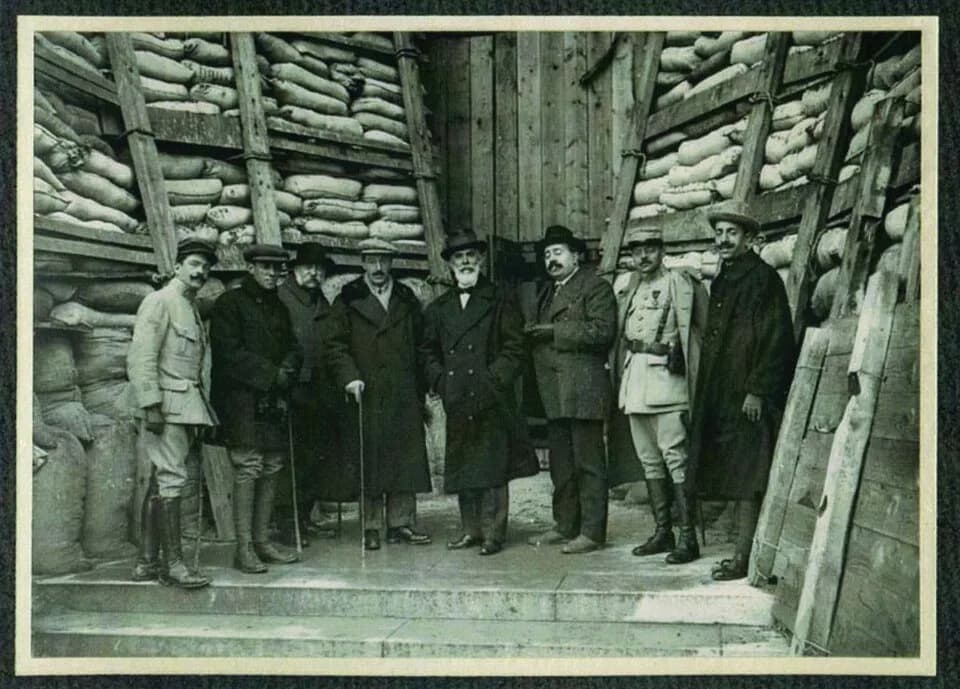
Azaña's influence grew further when he organized the Popular Front in 1935, a broad coalition that aimed to unify progressive forces. This strategic alliance demonstrated his political acumen and ability to build consensus. He then became the last President of the Republic, serving from 1936 to 1939, a critical period that coincided with the devastating Spanish Civil War. As President, he stood as the most prominent leader of the Republican cause, symbolizing resilience and the struggle for democratic governance during the conflict.
Capítol 4· Capítol 4 de 6
Notable Works or Contributions
Throughout his life, Manuel Azaña was a prolific writer, contributing significantly to Spanish letters and political discourse. Among his diverse literary output is "The Bible in Spain," showcasing his breadth of interest and scholarship. His intellectual curiosity extended to historical analysis, as seen in "Comuneros contra el Rey," a work exploring a significant period in Spanish history.
Azaña's deep engagement with Spanish culture and literature is also evident in "Cervantes y la invencion del 'Quijote'," where he delved into the legacy of one of Spain's most iconic literary figures. Beyond academic and historical texts, he delivered powerful and memorable speeches, many of which were published. Examples include "Discurso pronunciado por S.E. el presidente de la República, el día 18 de julio de 1938" and "Extract from President Azaña's speech at Valencia University, July 18, 1937," demonstrating his commitment to public address and explaining his vision for the Republic during its most trying times. His work "A year of war in Spain" also provided critical insight into the conflict.
Capítol 5 · 1939· Capítol 5 de 6
Later Years
The final years of Manuel Azaña's life were marked by the tragic conclusion of the Spanish Civil War in 1939 and the subsequent collapse of the Second Spanish Republic. Forced into exile, he continued to represent the ideals of the Republic even from outside Spain. He spent his last days away from his homeland, a poignant reflection of the period's political turmoil.
Manuel Azaña Díaz passed away on November 3, 1940, in Montauban, France. His death in exile underscored the profound personal cost of the Spanish Civil War and the fight for the Republic. Despite the challenging circumstances of his final year, his dedication to his country and its democratic future remained unwavering.
Capítol 6· Capítol 6 de 6
Legacy and Impact
Manuel Azaña's legacy endures as the "father of the Republic," a title reflecting his foundational role in establishing and leading the Second Spanish Republic. His contributions as a statesman, intellectual, and orator were central to Spain's attempts at modernization and democratic reform in the early 20th century. His political career was defined by a steadfast commitment to republican ideals and a nuanced understanding of Spain's complex social fabric.
His unwavering leadership during the Spanish Civil War, from 1936 to 1939, solidified his place in history as the most prominent defender of the republican cause. Azaña's writings and speeches continue to offer invaluable insights into the political and cultural currents of his era. He remains a symbol of intellectual integrity and political courage for many who reflect on Spain's republican past.
FAQ
Preguntes freqüents
Quan va morir Manuel Azaña?
Manuel Azaña va morir el 3 de novembre del 1940 a Montauban, France, als 60 anys.
On va néixer Manuel Azaña?
Manuel Azaña va néixer a Alcalá de Henares, Spain el 10 de gener del 1880.
Per què és més conegut/da Manuel Azaña?
Manuel Azaña és conegut/da sobretot per prime minister of Spain, president of Spain.
Quants anys tenia Manuel Azaña quan va morir?
Manuel Azaña tenia 60 anys en el moment de la seva mort.
Quina nacionalitat tenia Manuel Azaña?
Manuel Azaña era de Spain.
Cronologia
La vida en un cop d'ull
Galeria de fotos
Una vida en imatges
Feu clic a qualsevol polaroid per ampliar · 49 fotos
Codi QR
Comparteix aquesta biografia
Imprimeix i comparteix
Escaneja per visitar aquesta pàgina de biografia. Imprimeix per a esdeveniments, exposicions o materials educatius.