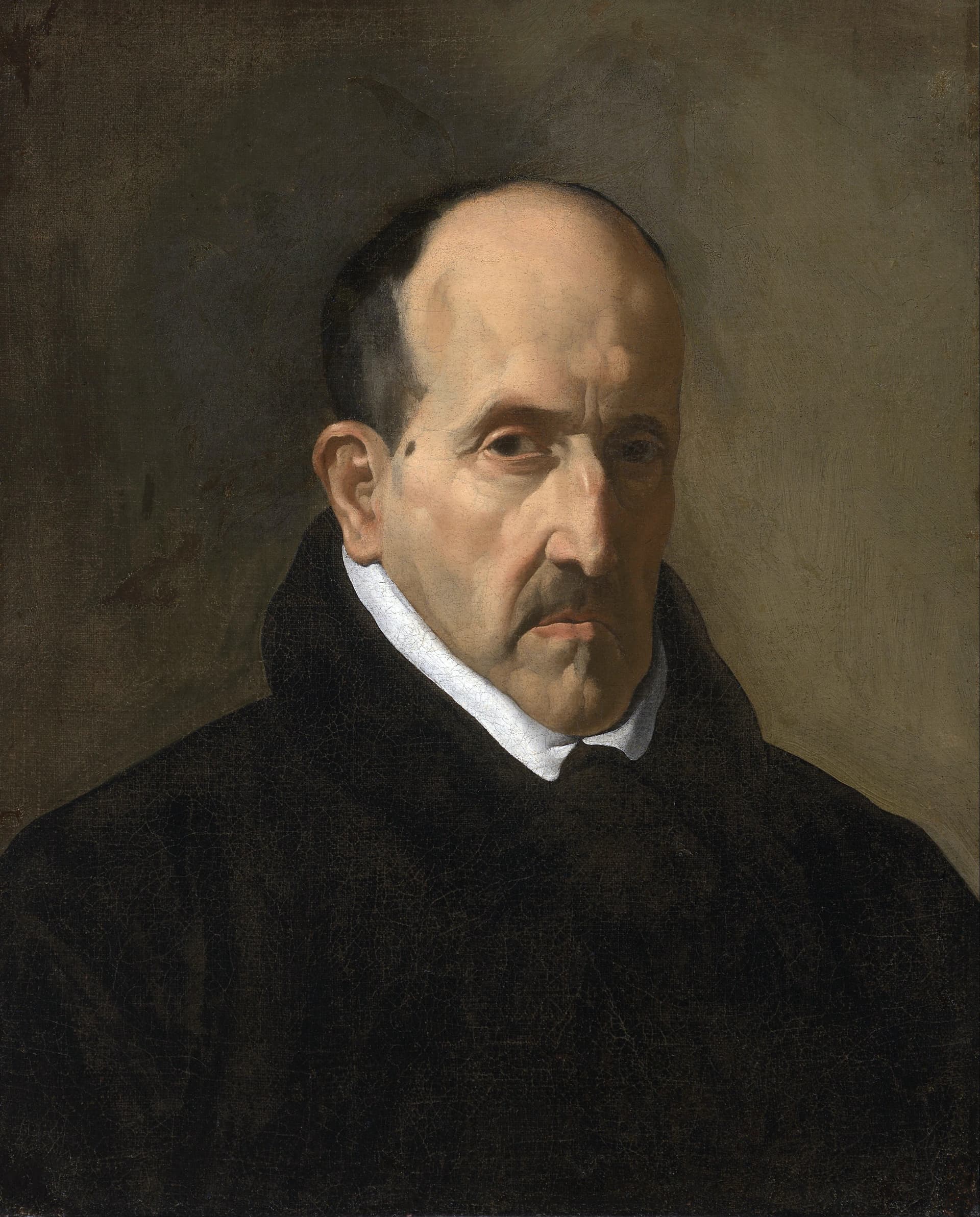
Nascut
July 11, 1561
Córdoba, Spain
Mort
March 23, 1627
Córdoba, Spain
Conegut per
Spanish Baroque lyric poet
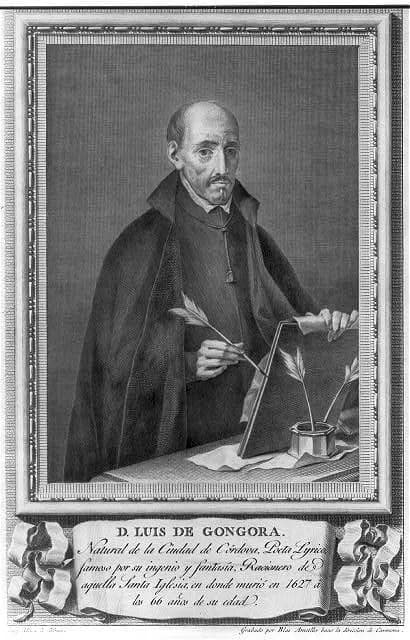
Luis de Góngora (1561–1627) was Spain best known for Spanish Baroque lyric poet.
Luis de Góngora y Argote (July 11, 1561 – March 23, 1627) was a Spanish Baroque lyric poet and Catholic priest from Córdoba, Spain. He pioneered the ornate poetic style known as culteranismo, significantly influencing Spain's Golden Age of literature. Góngora is considered one of Spain's most prominent poets, celebrated for his intricate and challenging verse.
Una vida en moments
Els moments que van marcar una vida
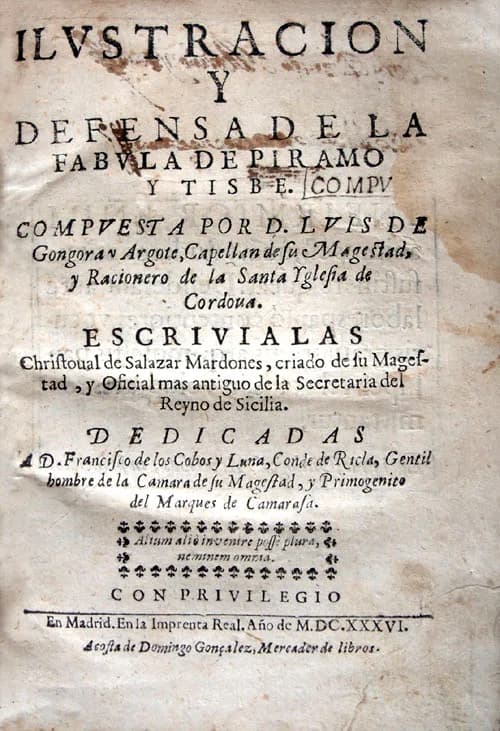
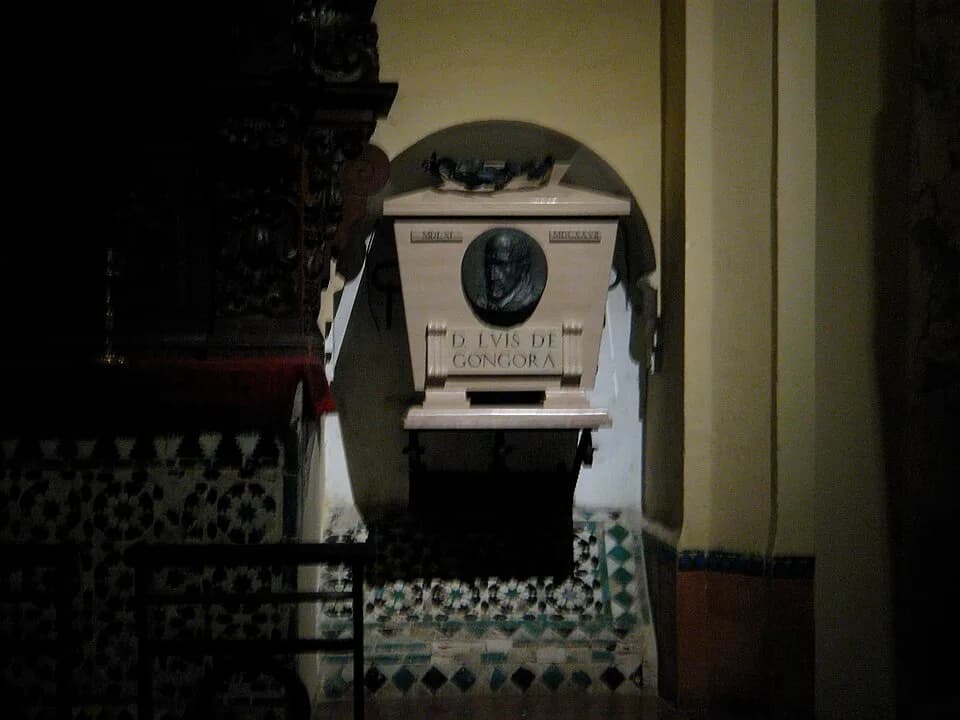
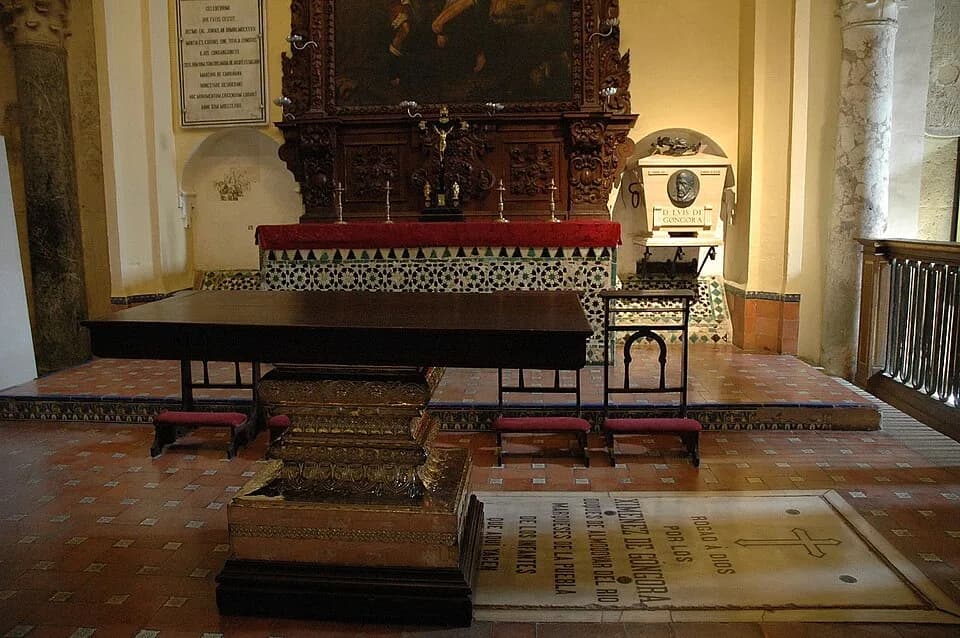
Capítol
Capítols de la vida
Capítol 1 · 1561· Capítol 1 de 7
Early Life and Origins
Luis de Góngora was born on July 11, 1561, in the historic city of Córdoba, Spain, a place that would remain central to his life and eventual passing. Details about his immediate family and early upbringing are not extensively documented in the provided information.
From an early age, Góngora embarked on a path that combined intellectual pursuits with spiritual vocation. His early education and environment in Córdoba likely cultivated his nascent poetic talents and his eventual decision to enter the priesthood, laying the foundation for his dual career.
Capítol 2· Capítol 2 de 7
Career Beginnings
Góngora's professional life saw him take on the role of a Catholic priest at Córdoba Cathedral. This ecclesiastical position provided him with a stable foundation while also allowing him to pursue his literary ambitions.
Even in his early writing, Góngora began to develop the distinctive stylistic elements that would later define culteranismo. He moved away from simpler poetic forms, experimenting with language and structure to create a more sophisticated and intellectually demanding aesthetic.
Capítol 3· Capítol 3 de 7
Major Achievements and Career Highlights
Luis de Góngora is chiefly known for his mastery and popularization of culteranismo, a poetic style that emphasized ornate language, Latinate syntax, and mythological allusions. This style stood in deliberate contrast to the conceptismo favored by his contemporary and rival, Francisco de Quevedo, though both poets were undeniably significant figures.
His innovative approach pushed the boundaries of poetic expression, often requiring readers to engage with his work on a deeper, more analytical level. Góngora's influence was so pervasive that culteranismo became synonymous with his name, known as Gongorismo throughout the literary circles of his time. He solidified his position as one of Spain's foremost lyric poets through these stylistic advancements.
Capítol 4· Capítol 4 de 7
Personal Life
While the provided information does not detail Góngora's personal relationships or specific family life, his identity as a Catholic priest at Córdoba Cathedral suggests a life dedicated to his faith and intellectual pursuits. His rivalry with Francisco de Quevedo was a notable aspect of his professional life, fueling a vibrant literary discourse.
His dedication to his craft is evident in the sustained development of his unique poetic voice. The passion he held for language and verse drove him to create a body of work that continues to challenge and inspire.
Capítol 5· Capítol 5 de 7
Notable Works or Contributions
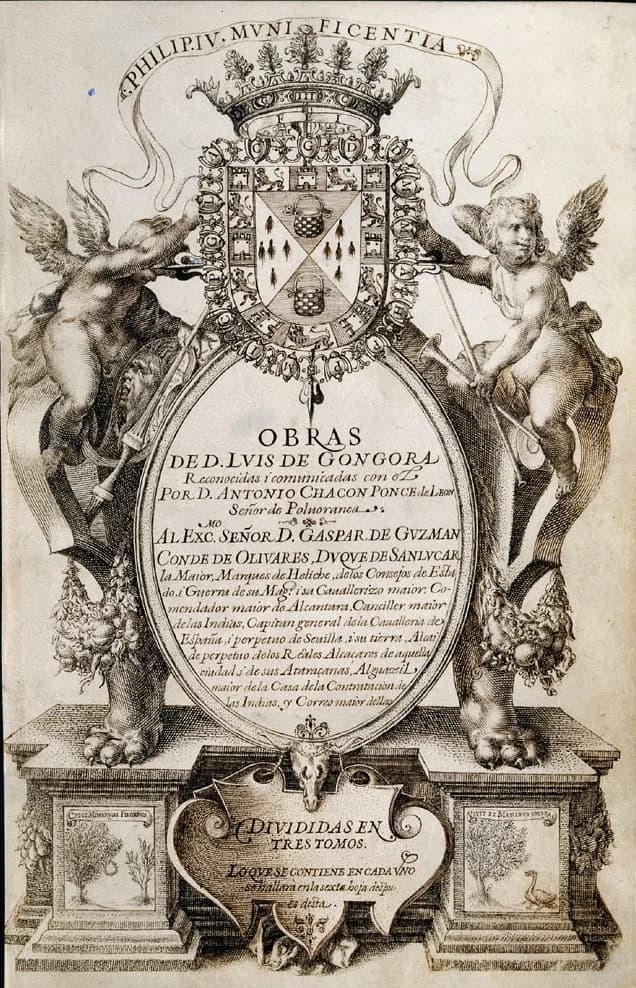
Among Góngora's most celebrated literary achievements are his long poems, which stand as monuments to his culteranismo style. The "Fábula de Polifemo y Galatea" showcases his intricate mythological narratives and vivid imagery, cementing his reputation for complex and beautiful verse.
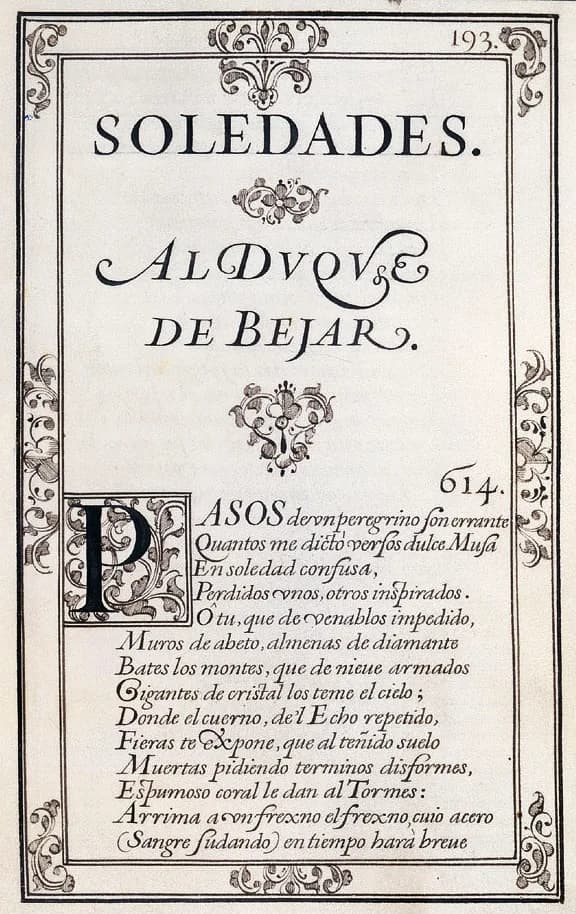
His collection "Soledades" further exemplifies his poetic ambition, offering a challenging yet rewarding reading experience through its elevated language and evocative descriptions. Numerous anthologies, such as "El oro de los siglos. Antología" and "Antología poética," gather his extensive body of work, making his sophisticated poetry accessible to new generations of readers and scholars.
Capítol 6· Capítol 6 de 7
Later Years
Throughout his later years, Luis de Góngora continued his work as a poet and priest, maintaining his distinctive voice within the Spanish literary scene. He remained a central figure in the Baroque period, even as his stylistic choices continued to provoke both admiration and debate.
He passed away on March 23, 1627, in his hometown of Córdoba, Spain, the same city where he was born. His death marked the end of an era for Spanish letters, leaving behind a legacy that would be debated and celebrated for centuries.
Capítol 7· Capítol 7 de 7
Legacy and Impact
Luis de Góngora's legacy is defined by his revolutionary approach to language and poetic structure, establishing culteranismo as a powerful and enduring force in Spanish literature. His daring experimentation opened new avenues for poetic expression, influencing countless writers and shaping the evolution of the Spanish language in verse.
His enduring rivalry with Francisco de Quevedo remains a classic literary contest, highlighting two distinct but equally influential facets of the Spanish Baroque. Góngora’s contributions ensure his permanent place as a literary giant, whose work continues to challenge and enrich the understanding of poetic art.
FAQ
Preguntes freqüents
Quan va morir Luis de Góngora?
Luis de Góngora va morir el 23 de març del 1627 a Córdoba, Spain, als 65 anys.
On va néixer Luis de Góngora?
Luis de Góngora va néixer a Córdoba, Spain el 11 de juliol del 1561.
Per què és més conegut/da Luis de Góngora?
Luis de Góngora és conegut/da sobretot per Spanish Baroque lyric poet.
Quants anys tenia Luis de Góngora quan va morir?
Luis de Góngora tenia 65 anys en el moment de la seva mort.
Quina nacionalitat tenia Luis de Góngora?
Luis de Góngora era de Spain.
Cronologia
La vida en un cop d'ull
Galeria de fotos
Una vida en imatges
Feu clic a qualsevol polaroid per ampliar · 49 fotos
Codi QR
Comparteix aquesta biografia
Imprimeix i comparteix
Escaneja per visitar aquesta pàgina de biografia. Imprimeix per a esdeveniments, exposicions o materials educatius.