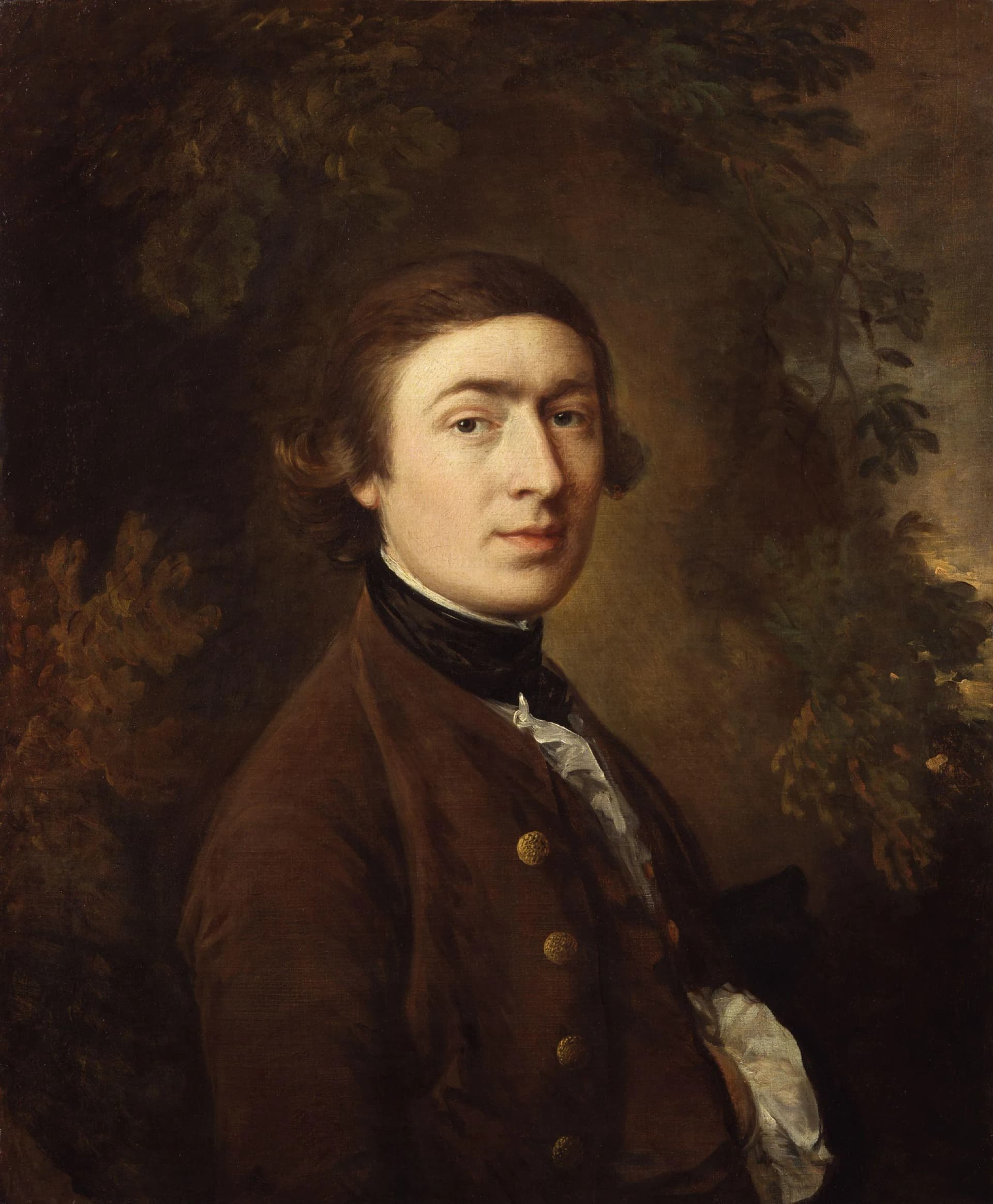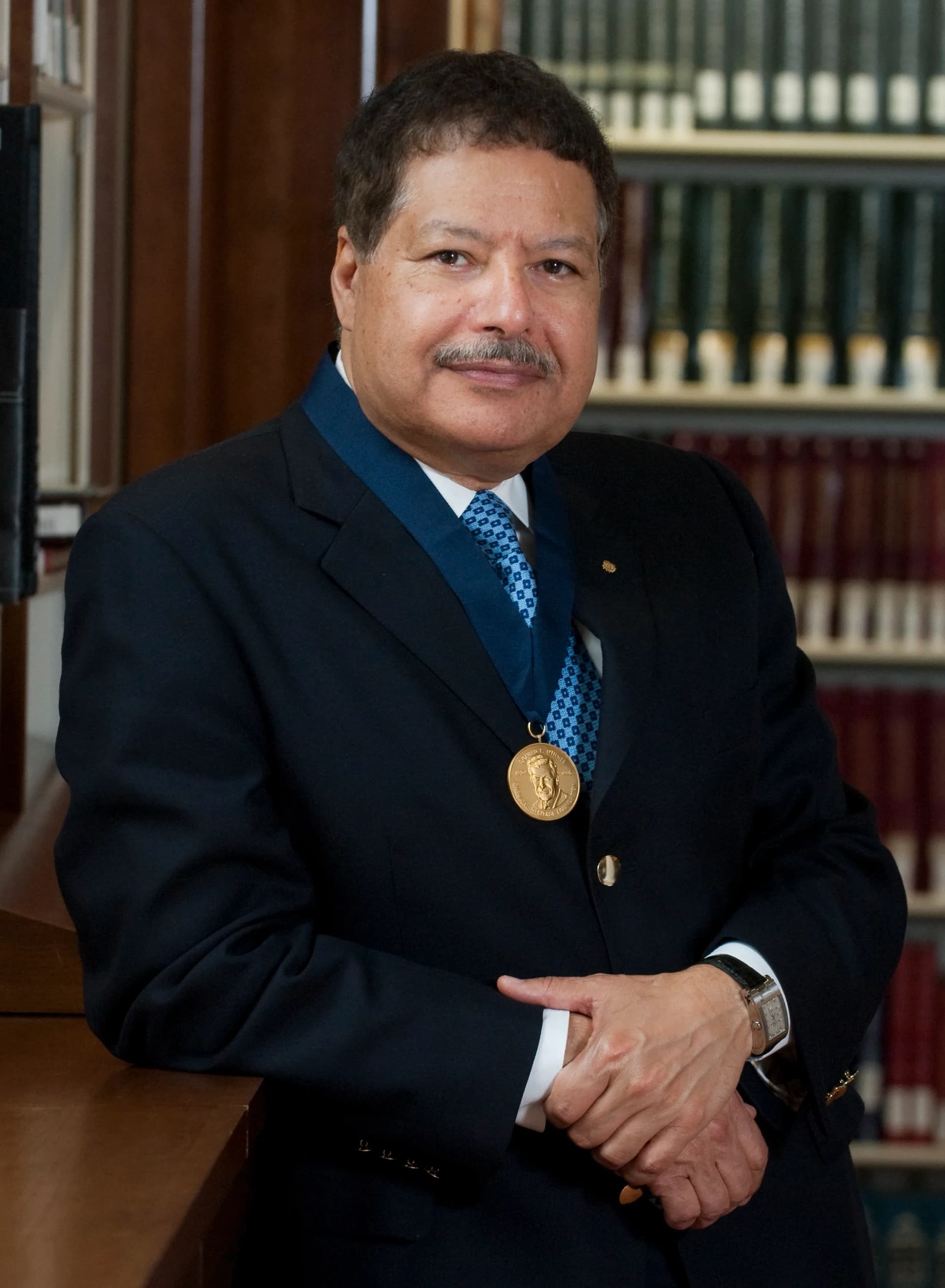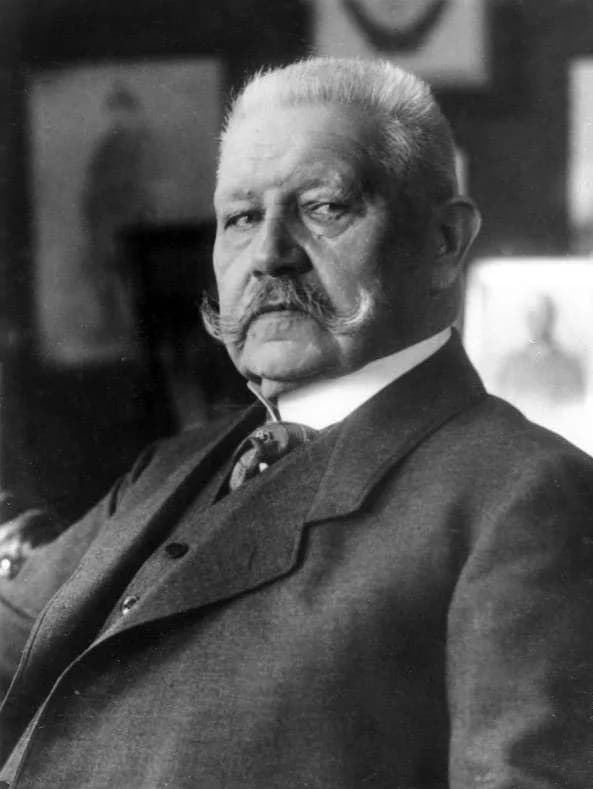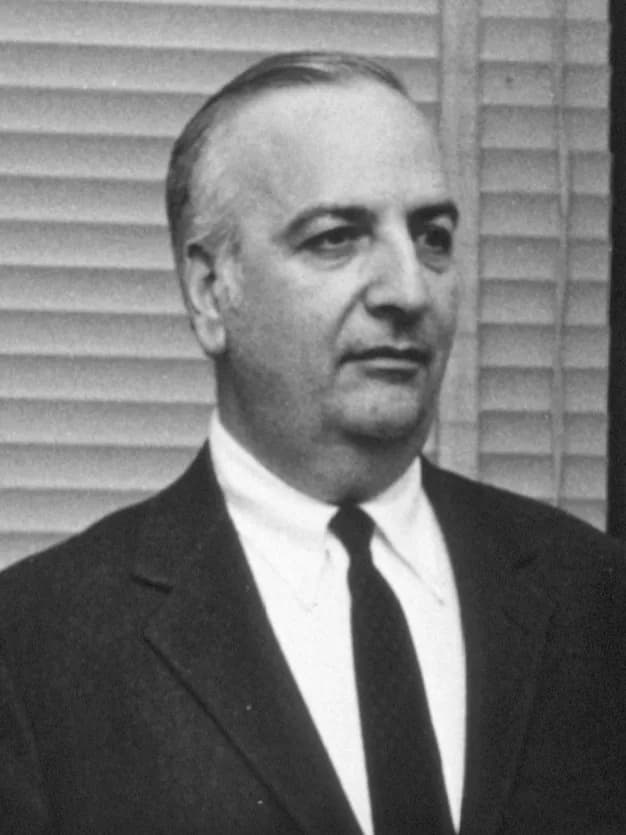
Nascut
May 13, 1753
Nolay, France
Mort
August 2, 1823
Magdeburg, Germany
Conegut per
French political, engineering and mathematical figure
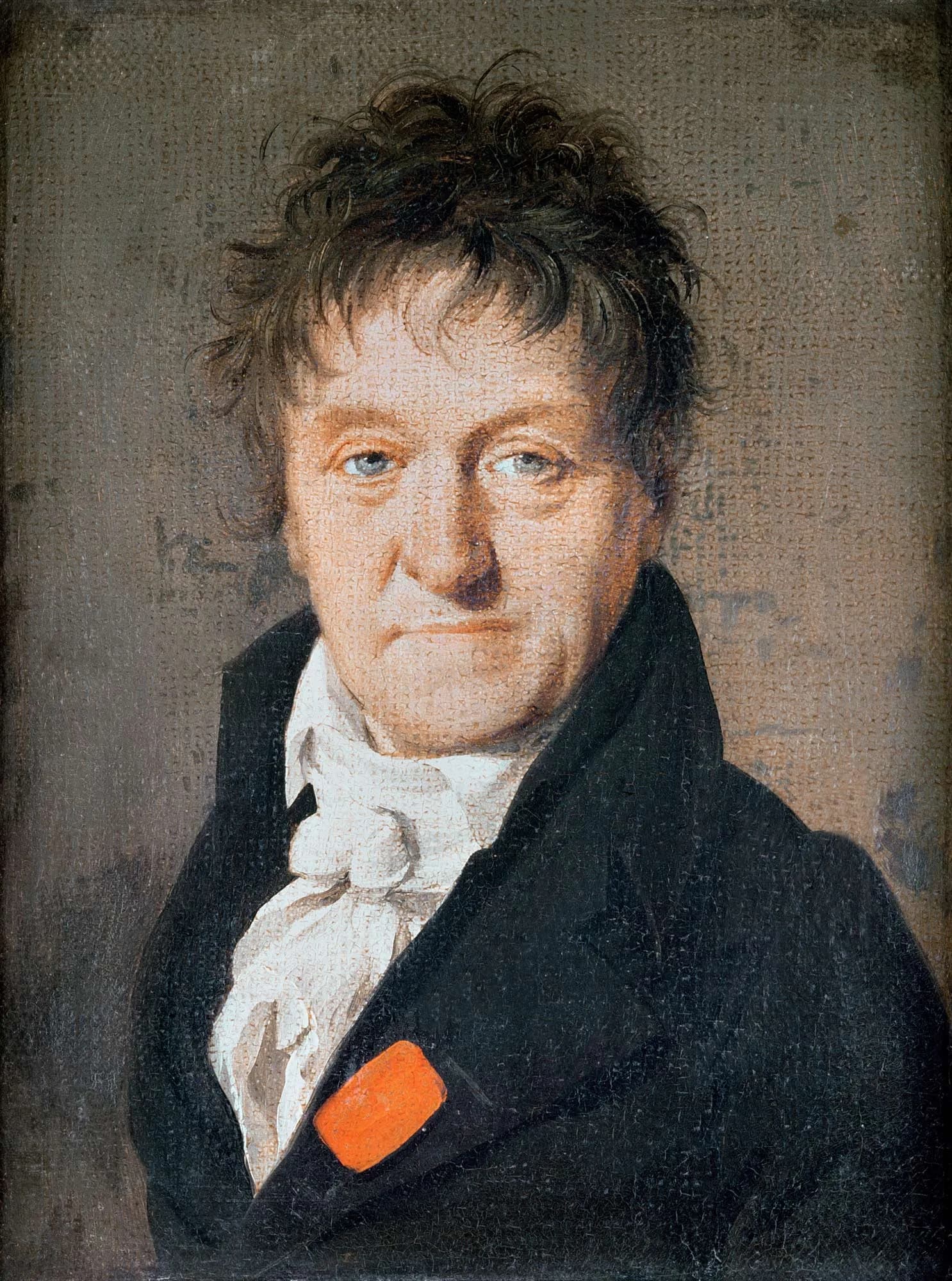
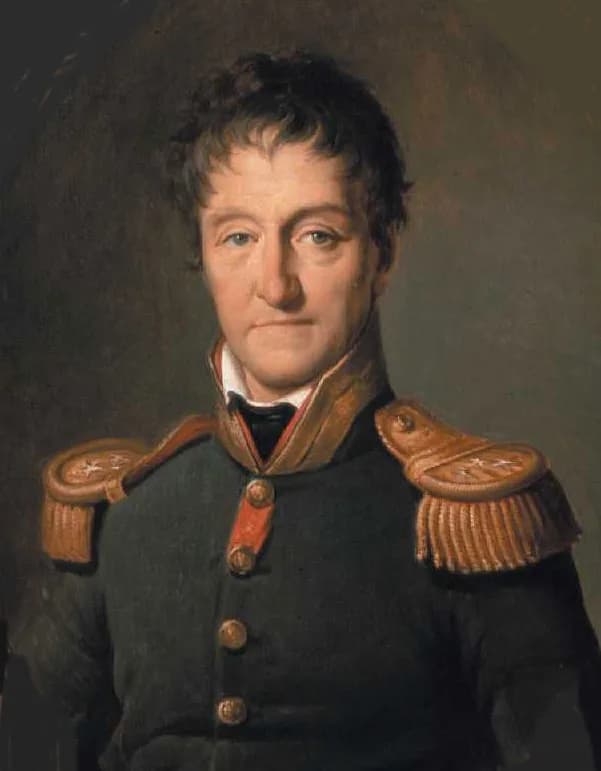
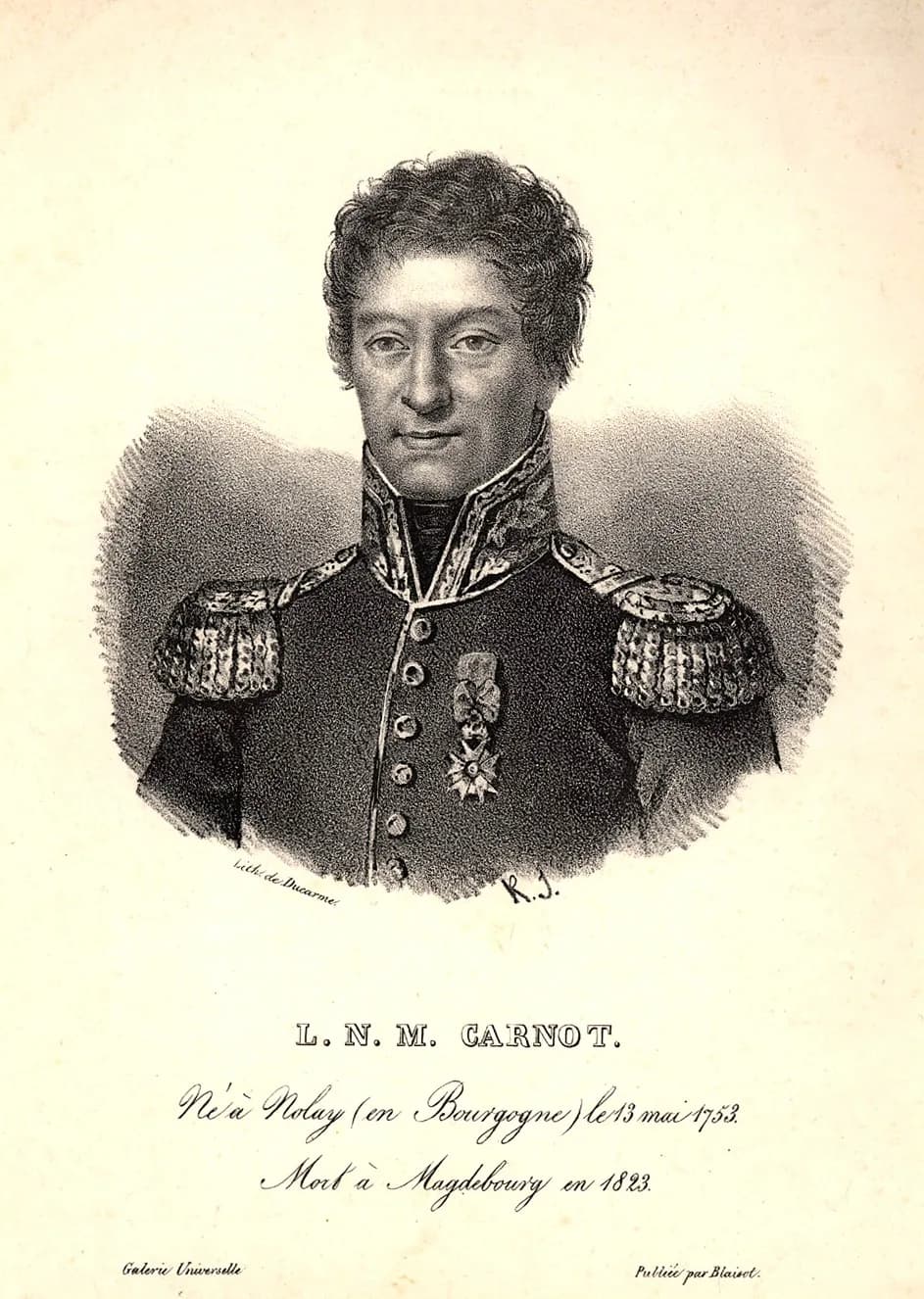
Lazare Carnot (1753–1823) was France best known for French political, engineering and mathematical figure.
Lazare Carnot (May 13, 1753 – August 2, 1823) was a French political, engineering, and mathematical figure. He played a crucial role in the French Revolution, notably through military reforms and mass conscription. His contributions shaped both military strategy and scientific thought.
Una vida en moments
Els moments que van marcar una vida
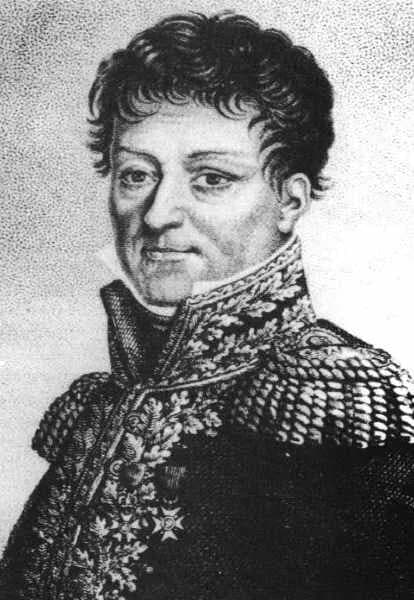
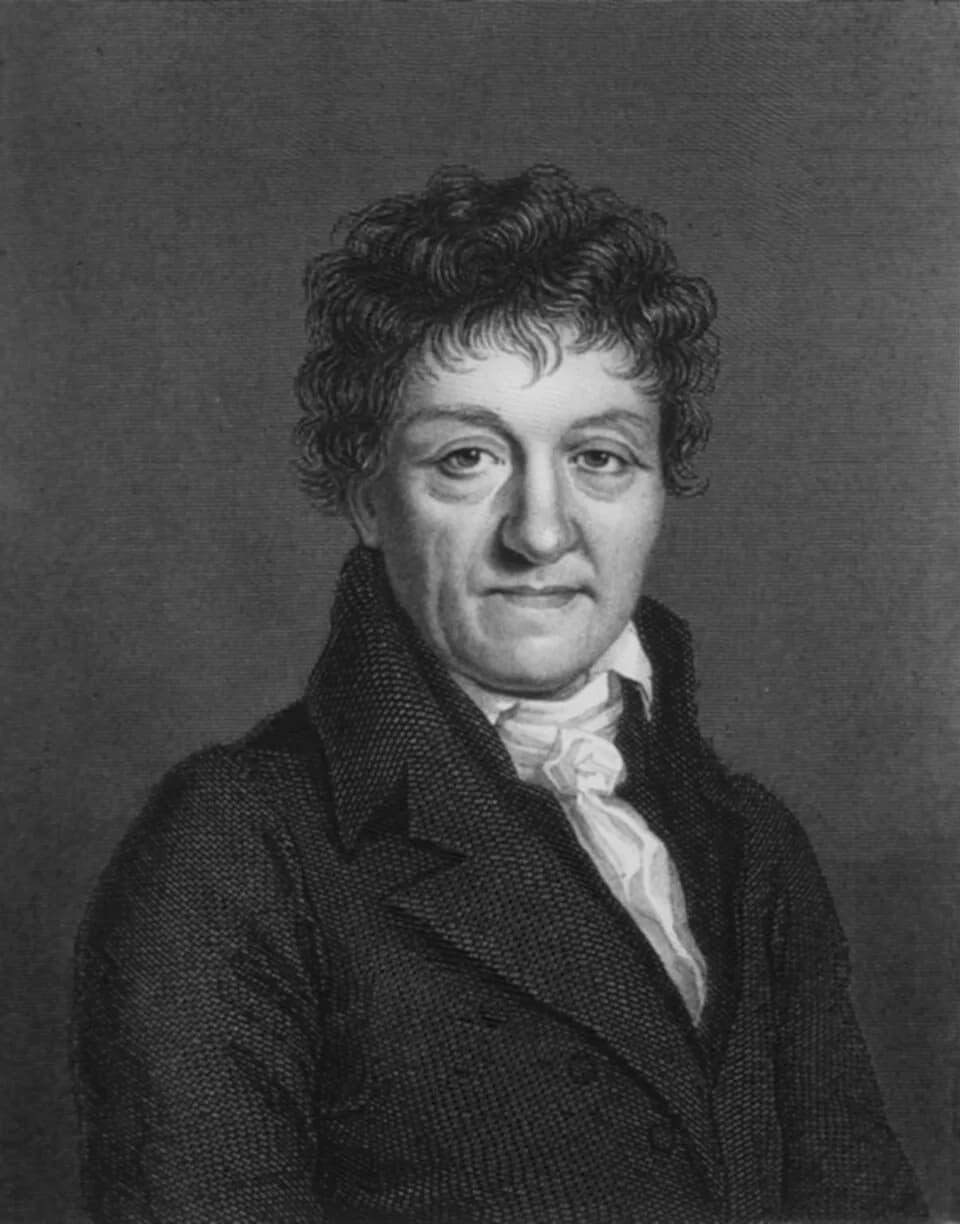
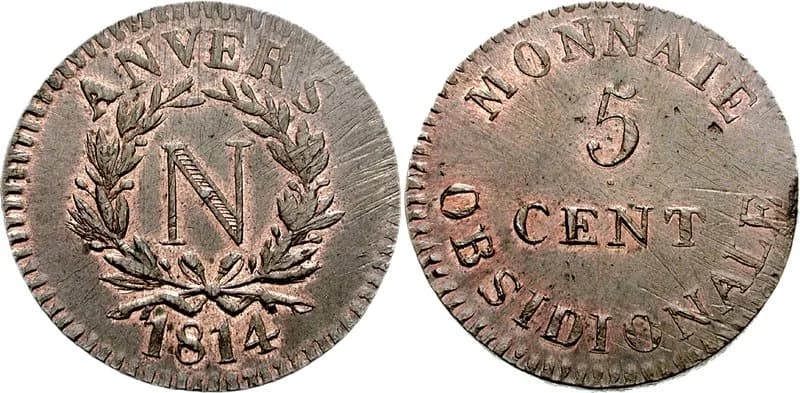
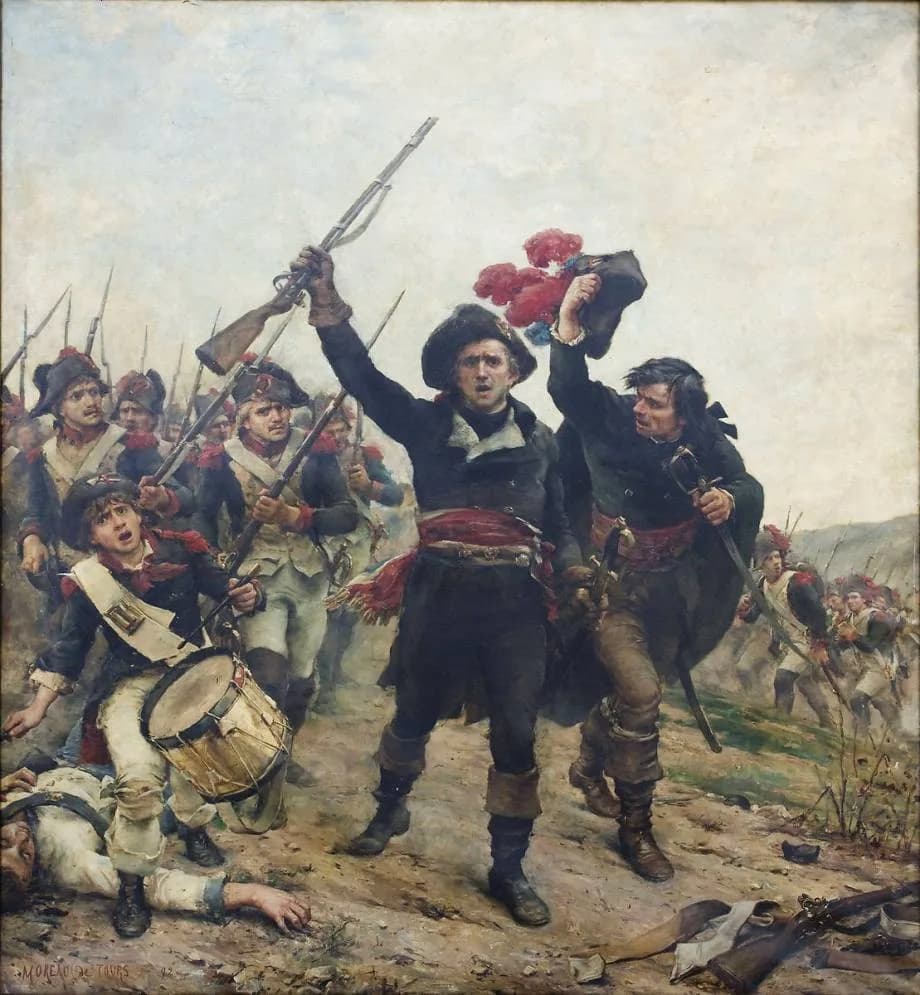
Capítol
Capítols de la vida
Capítol 1 · 1753· Capítol 1 de 8
Introduction
Lazare Nicolas Marguerite, Comte Carnot, born on May 13, 1753, and passing on August 2, 1823, was a pivotal French political, engineering, and mathematical figure. His contributions spanned across science, politics, and military strategy, defining an era of profound change. He is remembered as a leading member of the Committee of Public Safety and for his crucial role in transforming the French Revolutionary Army.
Capítol 2 · 1753· Capítol 2 de 8
Early Life and Origins
Lazare Carnot was born in Nolay, France, on May 13, 1753. Details of his early family life are not extensively documented in available records. From a young age, he began a path that would see him engage deeply with both intellectual and practical pursuits, setting the stage for his later prominence.
Capítol 3· Capítol 3 de 8
Career Beginnings
Carnot's initial career endeavors saw him active in several professional capacities, including that of a military officer, engineer, and mathematician. These early roles provided him with a comprehensive understanding of both theoretical principles and their real-world applications. Such foundational experiences proved invaluable as he moved into more influential positions.
Capítol 4· Capítol 4 de 8
Major Achievements and Career Highlights
During the tumultuous years of the French Revolution, Lazare Carnot rose to prominence as a leading member of the Committee of Public Safety. He instituted military reforms, most notably the introduction of mass conscription, which were vital to the French Revolutionary Army's success. These measures were instrumental in transforming the French forces into an effective fighting unit, securing crucial victories for the nascent republic.
Beyond his military and political genius, Carnot was also recognized for his diverse intellectual pursuits. He was active as a scientist, poet, physicist, and military engineer. His ability to excel across such varied disciplines highlights his broad intellectual capacity and dedication to public service and knowledge.
Capítol 5· Capítol 5 de 8
Personal Life
Specific details regarding Lazare Carnot's personal life, including his family, relationships, or private interests, are not extensively available within the provided information. His public life was primarily characterized by his dedication to his professional and political responsibilities. His enduring legacy stems from his significant contributions to the state and to the fields of science and engineering.
Capítol 6· Capítol 6 de 8
Notable Works or Contributions
Carnot's intellectual output was considerable, reflecting his diverse expertise. He authored significant mathematical and scientific works such as "Betrachtungen über die Theorie der Infinitesimalrechnung," "De la corrélation des figures de géométrie," and "Réflections sur la métaphysique du calcul infinitésimal." His political viewpoints were articulated in writings like "Exposé de la conduite politique de M. le lieutenant-général Carnot" and "Mémoire au roi."
His academic contributions included 34 papers, with an h-index of 5, a testament to his influence in scholarly circles. Among his top-cited works are "Principes Fondamentaux de l'équilibre et du Mouvement" with 63 citations and "Géométrie de position" with 32 citations. These publications demonstrate his lasting impact on the academic disciplines he engaged with.
Capítol 7 · 1823· Capítol 7 de 8
Later Years
Lazare Carnot continued his work and lived a life dedicated to his principles until his passing on August 2, 1823. He died in Magdeburg, Germany, far from his birthplace in France. Despite his exile, his influence on military theory, mathematics, and political thought endured.
Capítol 8· Capítol 8 de 8
Legacy and Impact
Lazare Carnot's legacy is multifaceted, marked by his crucial role in stabilizing France during the Revolution and his lasting contributions to science. His military reforms not only secured France's borders but also established a template for modern national armies. His writings in mathematics and physics continue to be studied, influencing generations of scholars.
He is remembered as a polymath whose intellect and resolve shaped significant events in European history. Carnot demonstrated how a single individual could synthesize political leadership, military innovation, and scientific inquiry to serve a nation. His life stands as an example of intellectual rigor applied to the most pressing challenges of his time.
FAQ
Preguntes freqüents
Quan va morir Lazare Carnot?
Lazare Carnot va morir el 2 d’agost del 1823 a Magdeburg, Germany, als 70 anys.
On va néixer Lazare Carnot?
Lazare Carnot va néixer a Nolay, France el 13 de maig del 1753.
Per què és més conegut/da Lazare Carnot?
Lazare Carnot és conegut/da sobretot per French political, engineering and mathematical figure.
Quants anys tenia Lazare Carnot quan va morir?
Lazare Carnot tenia 70 anys en el moment de la seva mort.
Quina nacionalitat tenia Lazare Carnot?
Lazare Carnot era de France.
Cronologia
La vida en un cop d'ull
- 1753
Introduction
- 1753
Early Life and Origins
- 1823
Later Years
Galeria de fotos
Una vida en imatges
Feu clic a qualsevol polaroid per ampliar · 48 fotos
Codi QR
Comparteix aquesta biografia
Imprimeix i comparteix
Escaneja per visitar aquesta pàgina de biografia. Imprimeix per a esdeveniments, exposicions o materials educatius.