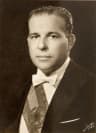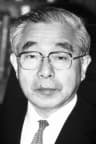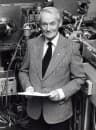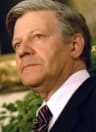
Nascut
May 4, 1918
Futada, Japan
Mort
December 16, 1993
Keio University Hospital, Japan
Conegut per
Japanese politician
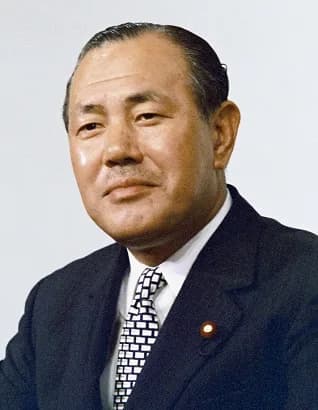
Kakuei Tanaka (1918–1993) was Japan best known for Japanese politician.
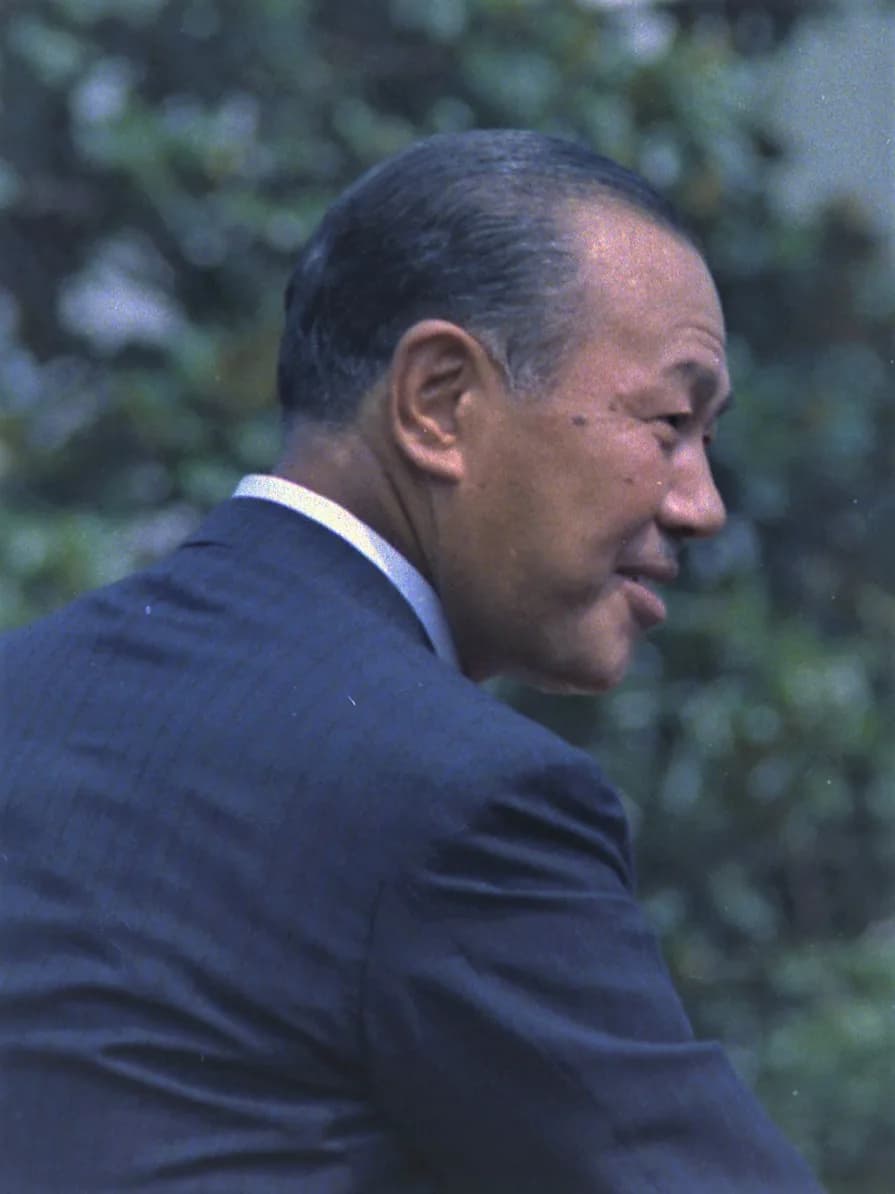
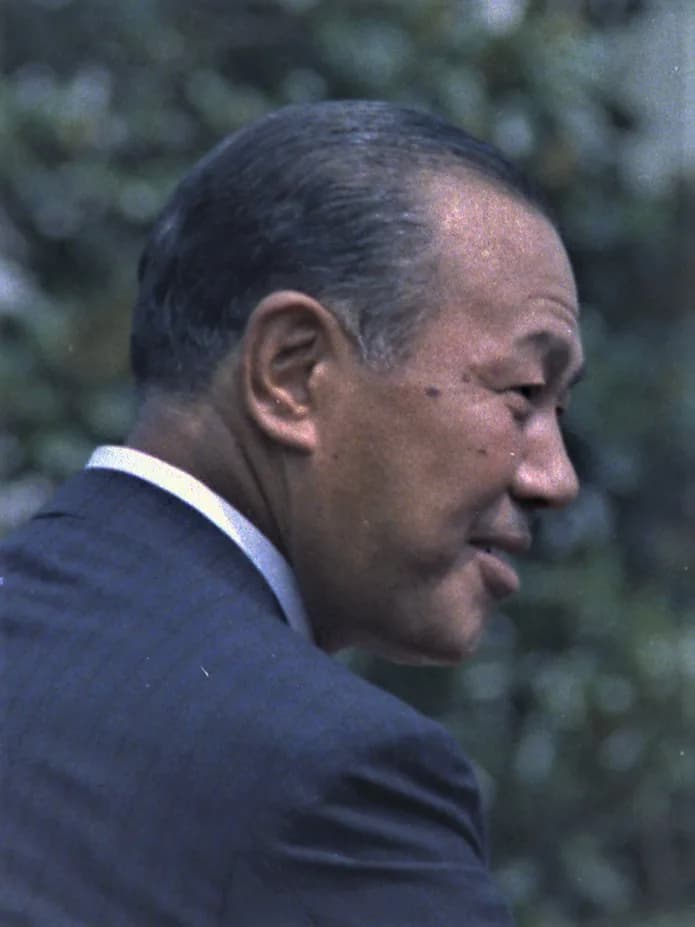
Kakuei Tanaka (May 4, 1918 – December 16, 1993) was a Japanese politician. He served as Prime Minister of Japan from 1972 to 1974, known for his unique background in construction and tenacious political style. He remains the only modern Japanese prime minister without a university degree.
Capítol
Capítols de la vida
Capítol 1 · 1918· Capítol 1 de 6
Early Life and Origins
Born on May 4, 1918, in Futada, Japan, Kakuei Tanaka's early life laid the foundation for his later political career. He grew up with a background deeply connected to the construction industry, an experience that would shape his practical approach to governance. This early immersion in a hands-on profession provided him with a unique perspective on the nation's infrastructure and development.
Remarkably, Kakuei Tanaka stands alone among modern Japanese prime ministers for not having finished high school or graduated from a university. This fact highlights a self-made trajectory, where his drive and innate political acumen compensated for a lack of formal higher education. His journey from humble beginnings to national leadership captivated many and set him apart from his peers.
Capítol 2· Capítol 2 de 6
Career Beginnings
Tanaka's entry into the political arena was a testament to his determination and singular vision. His experiences in construction likely instilled in him a pragmatic outlook and a deep understanding of tangible projects and their execution. This practical foundation provided him with skills and insights distinct from those of academically trained politicians.
His burgeoning political career was marked by the cultivation of an "earthy and tenacious" style, which became his political hallmark. This approach resonated with many, allowing him to connect with constituents on a direct and relatable level. His early work involved building a reputation as a shrewd and effective operator, laying the groundwork for future leadership roles.
Capítol 3 · 1972· Capítol 3 de 6
Major Achievements and Career Highlights
The zenith of Kakuei Tanaka's political career came with his service as prime minister of Japan from 1972 to 1974. During his premiership, he navigated complex domestic and international challenges, employing his signature robust political style. His time in office was a period of significant activity and policy initiatives.
Beyond his specific policy accomplishments, Tanaka's tenure as prime minister symbolized a shift in the perceived requirements for national leadership. His ability to reach the pinnacle of power, despite his educational background, was itself a major achievement. He demonstrated that leadership could emerge from diverse paths, challenging traditional notions of political ascendancy.
Capítol 4· Capítol 4 de 6
Notable Works or Contributions
Kakuei Tanaka's most significant contribution was his two-year period as prime minister, where he brought his unique vision and practical approach to national governance. His background in construction undoubtedly influenced his policy priorities, particularly in areas of infrastructure and economic development. He championed projects aimed at modernizing Japan.
His political style, described as "earthy and tenacious," was a distinctive contribution to Japanese politics. It reflected a no-nonsense attitude and a directness that distinguished him from many contemporaries. This personal brand of politics left an identifiable mark on the political discourse of his era.
Capítol 5 · 1993· Capítol 5 de 6
Later Years
Kakuei Tanaka's later years saw him continue to exert influence, even after his time as prime minister. His political career, while illustrious, also faced challenges. He passed away on December 16, 1993, at Keio University Hospital in Japan.
His death marked the end of an era for a politician who had profoundly shaped modern Japanese society. He left behind a complex legacy that continues to be discussed and analyzed within the context of Japan's post-war development and political landscape. His passing brought reflection on his extraordinary journey.
Capítol 6· Capítol 6 de 6
Legacy and Impact
The legacy of Kakuei Tanaka is deeply intertwined with his unprecedented path to leadership. He remains the only modern Japanese prime minister who did not finish high school or graduate from a university, a distinction that speaks volumes about his character and political prowess. This aspect of his biography continues to inspire and challenge conventional wisdom.
His "earthy and tenacious political style" left an enduring impact on Japanese politics, demonstrating an alternative approach to leadership. Tanaka's influence extended beyond his time in office, shaping perceptions of what a national leader could be and from where they could emerge. He is remembered as a powerful and singular force in 20th-century Japanese history.
Una vida en moments
Els moments que van marcar una vida
FAQ
Preguntes freqüents
Quan va morir Kakuei Tanaka?
Kakuei Tanaka va morir el 16 de desembre del 1993 a Keio University Hospital, Japan, als 75 anys.
On va néixer Kakuei Tanaka?
Kakuei Tanaka va néixer a Futada, Japan el 4 de maig del 1918.
Per què és més conegut/da Kakuei Tanaka?
Kakuei Tanaka és conegut/da sobretot per Japanese politician.
Quants anys tenia Kakuei Tanaka quan va morir?
Kakuei Tanaka tenia 75 anys en el moment de la seva mort.
Quina nacionalitat tenia Kakuei Tanaka?
Kakuei Tanaka era de Japan.
Cronologia
La vida en un cop d'ull
Galeria de fotos
Una vida en imatges
Feu clic a qualsevol polaroid per ampliar · 25 fotos
Codi QR
Comparteix aquesta biografia
Imprimeix i comparteix
Escaneja per visitar aquesta pàgina de biografia. Imprimeix per a esdeveniments, exposicions o materials educatius.