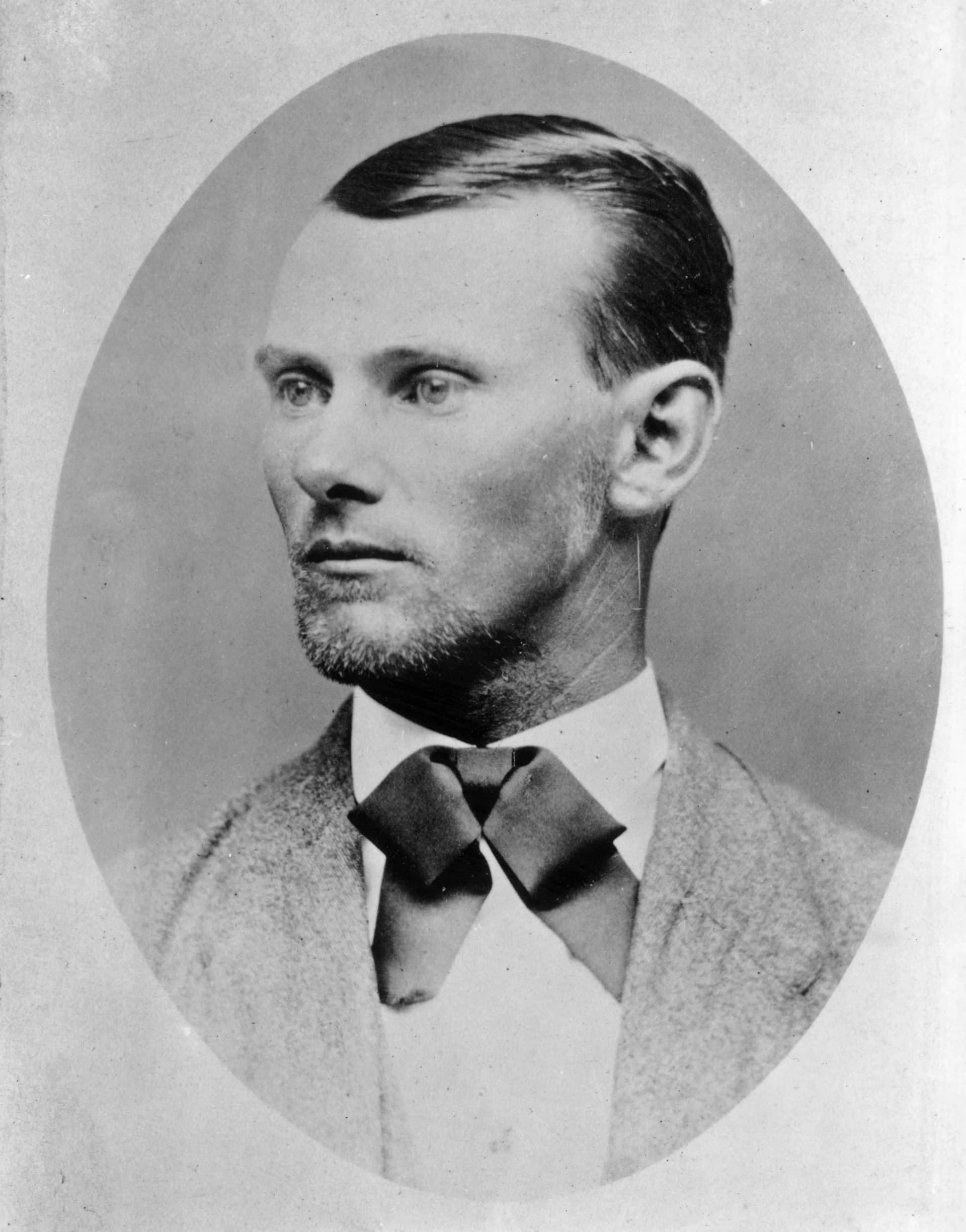
Nascut
September 5, 1847
Kearney, United States
Mort
April 3, 1882
St. Joseph, United States
Conegut per
American outlaw, confederate guerrilla, and train robber
Jesse James (1847–1882) was United States best known for American outlaw, confederate guerrilla, and train robber.
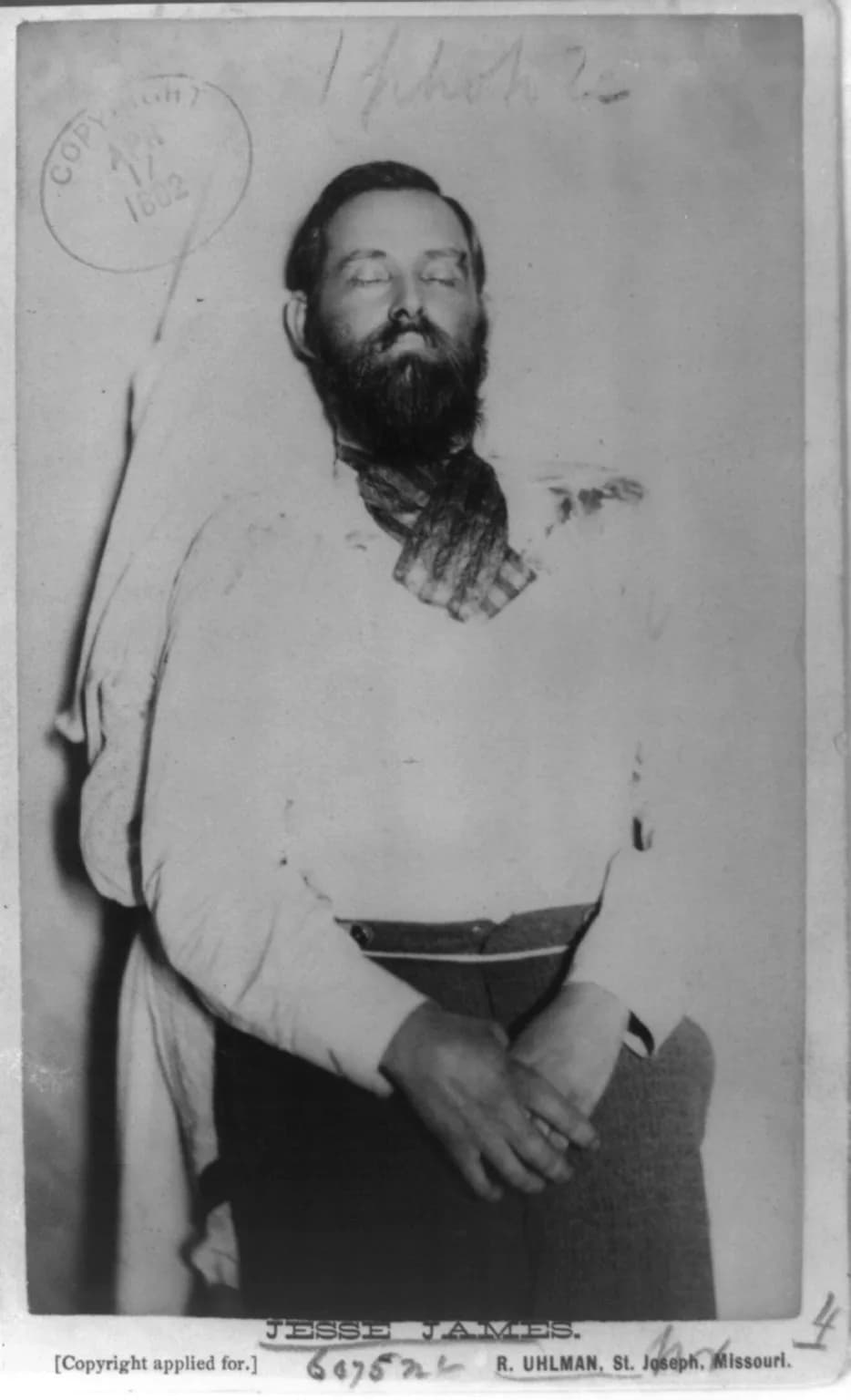
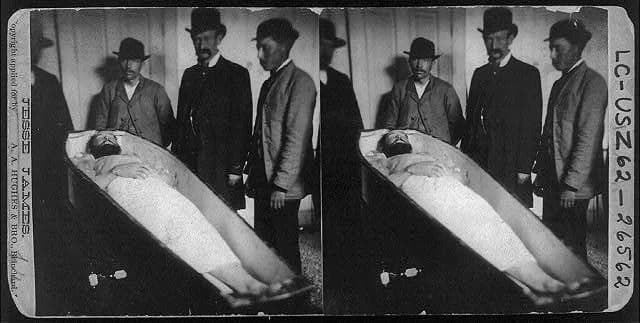
Jesse Woodson James (September 5, 1847 – April 3, 1882) was an American outlaw and cowboy from Kearney, United States. He was known for leading the James–Younger Gang, engaging in bank and train robberies, and participating as a Confederate guerrilla during the Civil War. His legacy continues to be debated in American history.
Una vida en moments
Els moments que van marcar una vida
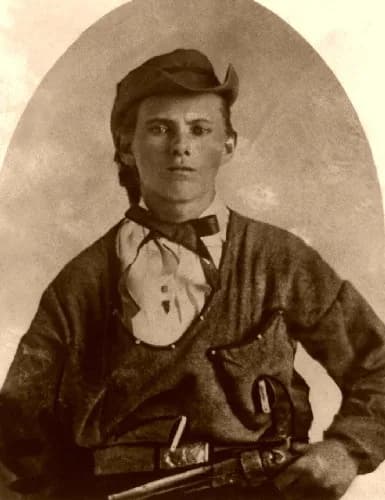
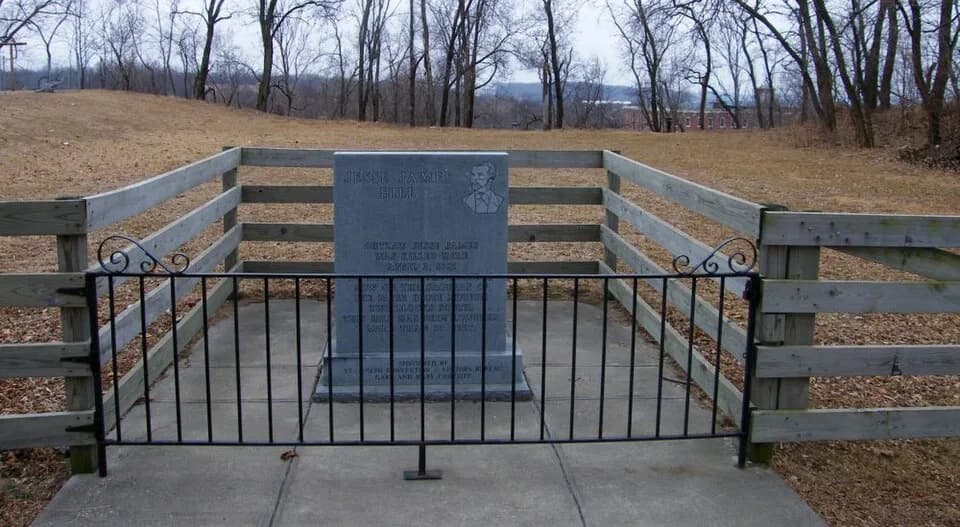

Capítol
Capítols de la vida
Capítol 1 · 1847· Capítol 1 de 7
Early Life and Origins
Jesse James was born on September 5, 1847, in Kearney, a community within the United States. His upbringing occurred in the "Little Dixie" area of Missouri, a region that harbored strong Southern sympathies. This environment significantly shaped his early views and allegiances, particularly as tensions mounted before the Civil War. The political and social climate of his youth was one of profound division and conflict.
The family's experiences were directly impacted by Missouri's status as a border state during the Civil War. This turbulent period saw neighbors and communities often divided, fostering an atmosphere of distrust and violence. Jesse James’s formative years were spent amidst this intense regional strife.
Capítol 2· Capítol 2 de 7
Career Beginnings
The onset of the American Civil War irrevocably altered the course of Jesse James's life. He, along with his brother Frank, chose to align themselves with pro-Confederate guerrillas, often referred to as "bushwhackers." These groups operated with brutal efficiency across Missouri and Kansas, engaging in irregular warfare. Their targets included Union soldiers and civilian abolitionists, reflecting the deep-seated animosities of the conflict.
Operating under the command of figures like William Quantrill and "Bloody Bill" Anderson, James participated in actions that garnered a fearsome reputation. He and his associates were accused of committing atrocities during this period. One such event specifically mentioned was the Centralia Massacre in 1864, an incident that underscored the ruthless nature of the guerrilla warfare.
Capítol 3· Capítol 3 de 7
Major Achievements and Career Highlights
Following the conclusion of the Civil War, Jesse James transitioned from a guerrilla fighter to a prominent American outlaw. He quickly rose to lead the notorious James–Younger Gang, a group that would become synonymous with post-war banditry. The gang executed a series of audacious bank and train robberies throughout the Midwest.
These highly publicized criminal acts spanned several years, making James a widely recognized and feared figure. The gang's strategic planning and daring escapes contributed to their legend. His leadership defined the operations of the gang, cementing his reputation as a master of criminal enterprise.
Capítol 4· Capítol 4 de 7
Personal Life
Beyond his life as an outlaw, Jesse James was identified by the profession of a cowboy. This role involved skills common to the frontier, reflecting a practical connection to the rural landscape. He maintained personal relationships within the context of his clandestine life.
His deep roots in a Southern sympathizer environment remained a defining aspect of his identity. This background informed many of his decisions and associations throughout his life. The complex relationship between his personal allegiances and his public actions defined his character.
Capítol 5· Capítol 5 de 7
Notable Works or Contributions
Jesse James's primary "contributions," as documented, were his exploits as an outlaw and the actions he undertook as a Confederate guerrilla. As the leader of the James–Younger Gang, he orchestrated numerous bank robberies, targeting financial institutions across various states. These robberies were often daring and meticulously planned operations.
Furthermore, his gang was responsible for a series of train robberies, disrupting the burgeoning railroad industry of the era. These acts of banditry contributed significantly to the anxieties of the post-war period. His earlier involvement in guerrilla warfare during the Civil War, including accusations related to the Centralia Massacre in 1864, also stands as a significant, albeit controversial, part of his historical record.
Capítol 6· Capítol 6 de 7
Later Years
Jesse James continued his life as a fugitive and an outlaw for many years after the Civil War ended. Despite constant pursuit by law enforcement and Pinkerton detectives, he managed to evade capture for a considerable time. The gang’s activities forced him into a life on the run.
His final years were spent trying to maintain his clandestine existence while continuing to plan and execute robberies. The relentless pressure from authorities eventually intensified, making sustained safety difficult. He remained a figure of fascination and fear until the very end.
Capítol 7· Capítol 7 de 7
Legacy and Impact
The legacy of Jesse James is deeply ingrained in American folklore and history, representing a complex figure from the Wild West. He became a legendary character, often romanticized in popular culture, sometimes seen as a defiant rebel against industrialization and federal authority. This perception often overshadowed the documented reality of his criminal activities and wartime violence.
His story continues to be a subject of enduring historical debate and popular interest, sparking numerous books, films, and cultural interpretations. Jesse James remains a symbol of the turbulent post-Civil War era and the conflicting narratives of heroes and villains on the American frontier. His influence persists as a figure of enduring myth and historical significance.
FAQ
Preguntes freqüents
Quan va morir Jesse James?
Jesse James va morir el 3 d’abril del 1882 a St. Joseph, United States, als 34 anys.
On va néixer Jesse James?
Jesse James va néixer a Kearney, United States el 5 de setembre del 1847.
Per què és més conegut/da Jesse James?
Jesse James és conegut/da sobretot per American outlaw, confederate guerrilla, and train robber.
Quants anys tenia Jesse James quan va morir?
Jesse James tenia 34 anys en el moment de la seva mort.
Quina nacionalitat tenia Jesse James?
Jesse James era de United States.
Cronologia
La vida en un cop d'ull
Galeria de fotos
Una vida en imatges
Feu clic a qualsevol polaroid per ampliar · 24 fotos
Codi QR
Comparteix aquesta biografia
Imprimeix i comparteix
Escaneja per visitar aquesta pàgina de biografia. Imprimeix per a esdeveniments, exposicions o materials educatius.