Nascut
August 20, 1779
Väfversunda, Sweden
Mort
August 7, 1848
Adolf Fredriks parish, Sweden
Conegut per
Swedish chemist
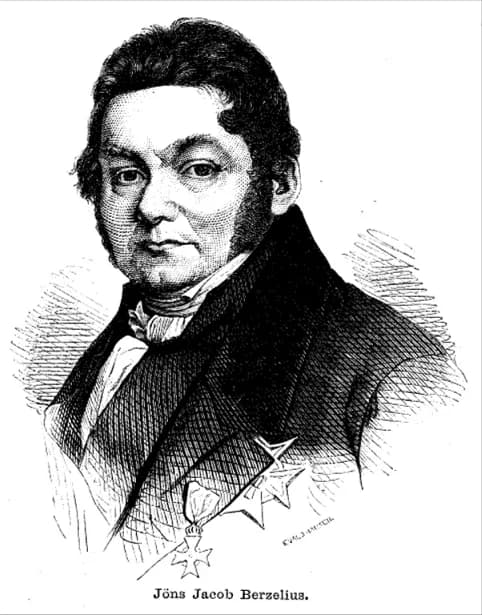
Jöns Jacob Berzelius (1779–1848) was Sweden best known for Swedish chemist.
Jöns Jacob Berzelius (August 20, 1779 – August 7, 1848) was a Swedish chemist and a founder of modern chemistry. He served as the principal functionary of the Royal Swedish Academy of Sciences and was known as the "Father of Swedish Chemistry." His systematic approach to chemistry profoundly influenced the discipline.
Una vida en moments
Els moments que van marcar una vida
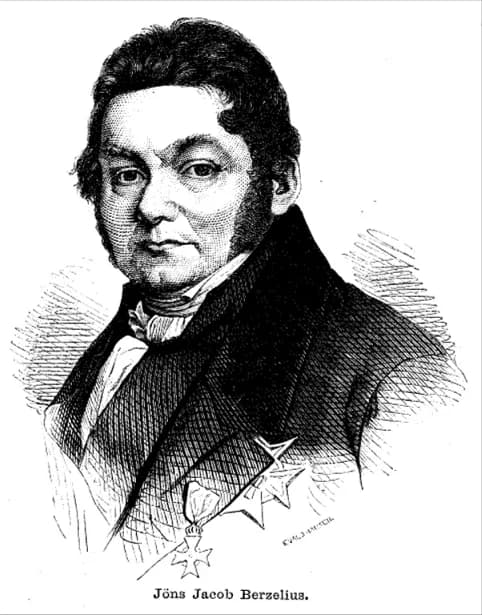
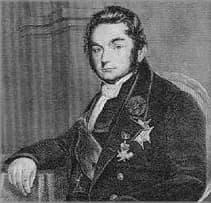
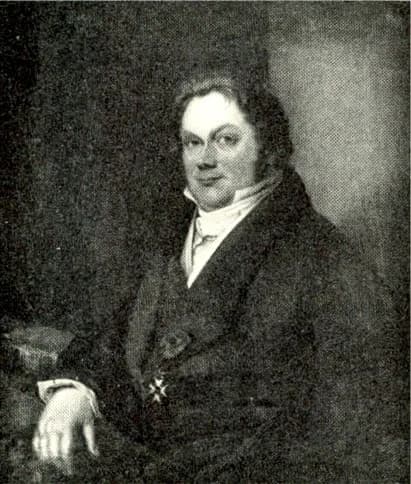
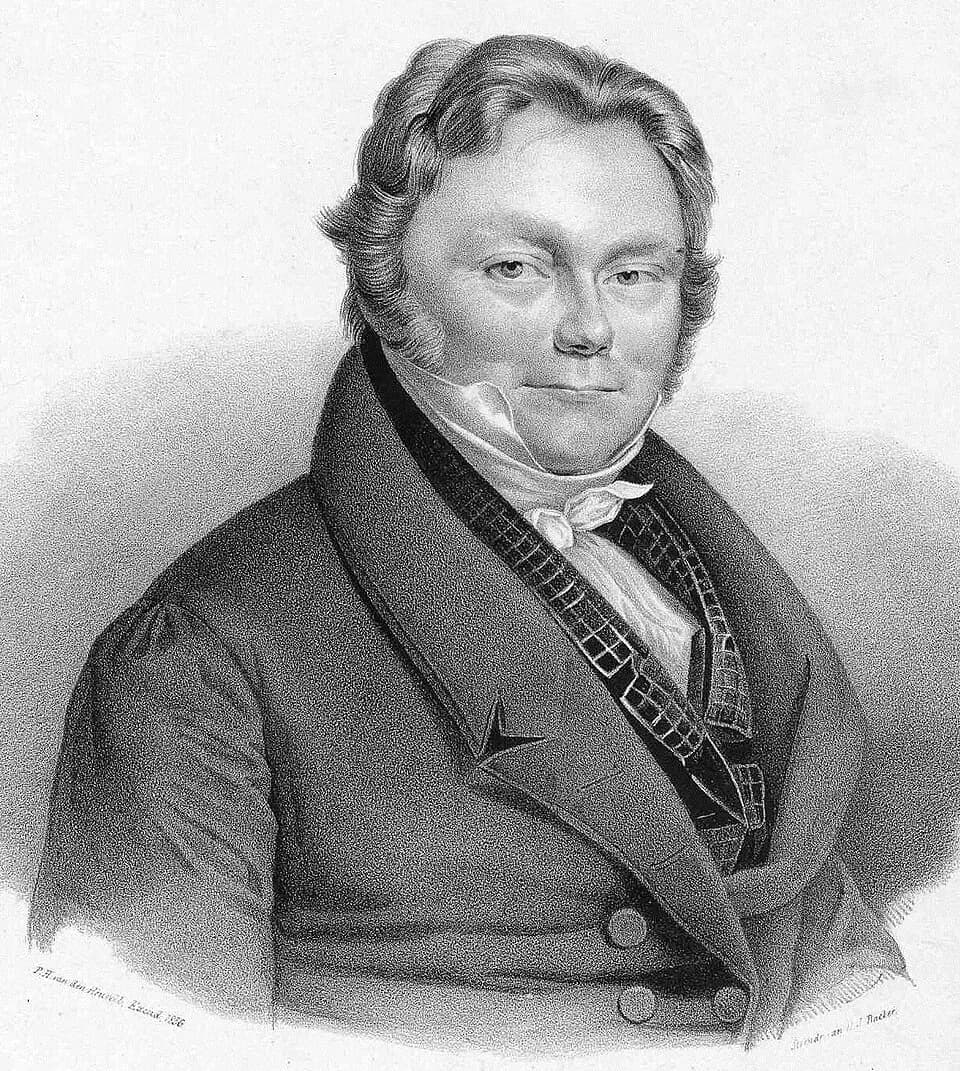
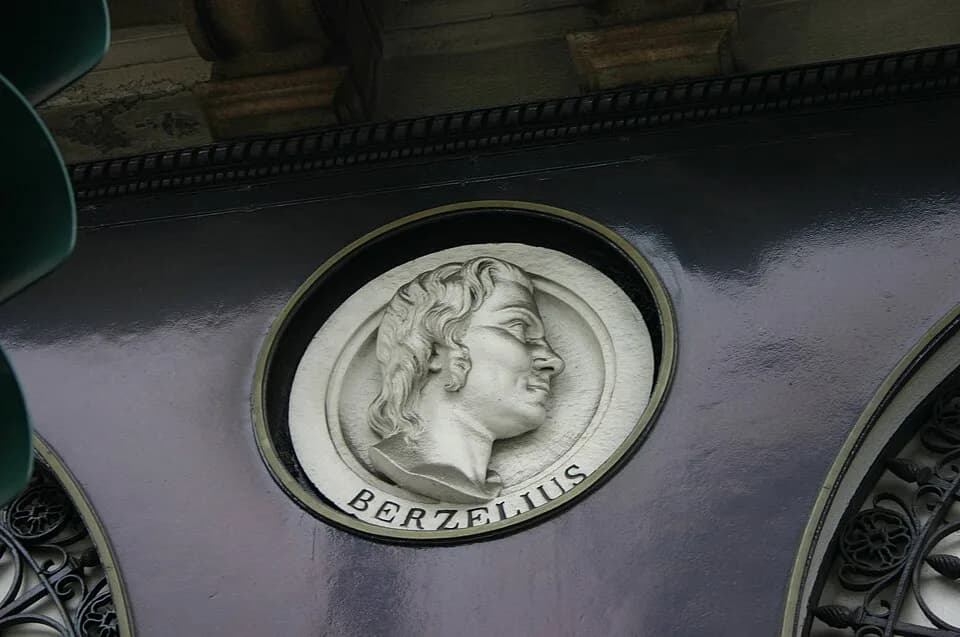
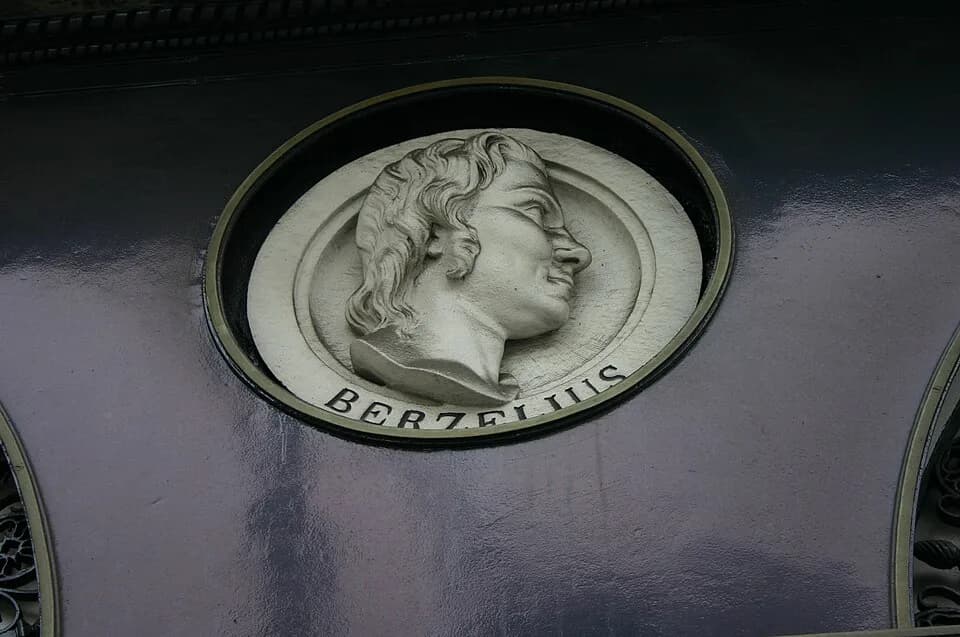
Capítol
Capítols de la vida
Capítol 1 · 1779· Capítol 1 de 7
Early Life and Origins
Jöns Jacob Berzelius was born on August 20, 1779, in Väfversunda, Sweden. His early life in the Swedish countryside laid the groundwork for his future scientific curiosity. From a young age, he showed a keen interest in natural phenomena and the workings of the world around him.
Capítol 2· Capítol 2 de 7
Career Beginnings
Berzelius initially trained as a physician and pharmacist, gaining practical experience in these fields. This background provided him with a strong foundation in observation and experimentation, which he later applied to his chemical studies. His intellectual drive soon led him to a career as a university teacher, where he could pursue and impart his growing knowledge of chemistry.
Capítol 3 · 1808· Capítol 3 de 7
Major Achievements and Career Highlights
Berzelius is widely recognized as one of the principal founders of modern chemistry, sharing this distinction with notable figures such as Robert Boyle, John Dalton, and Antoine Lavoisier. His systematic approach to chemical analysis and nomenclature greatly advanced the discipline. He became a respected member of the Royal Swedish Academy of Sciences in 1808, a testament to his rising stature in the scientific community.
His influence grew further when he served as the principal functionary of the Royal Swedish Academy of Sciences from 1818, a position that allowed him to shape scientific discourse and research in Sweden. He earned the informal title of the "Father of Swedish Chemistry" due to his extensive contributions and leadership within his home country. Although his full name was Jöns Jacob Berzelius, he was customarily known simply as Jacob Berzelius during his lifetime.
Capítol 4· Capítol 4 de 7
Personal Life
While the full details of Jöns Jacob Berzelius's personal life are not extensively provided in historical summaries, his dedication to his scientific work was evident. His commitment to research and teaching consumed a significant portion of his life. Information about his immediate family, relationships, or specific personal interests beyond his professional pursuits is not readily available in the provided materials.
Capítol 5· Capítol 5 de 7
Notable Works and Contributions
Berzelius authored numerous significant works that became foundational texts in chemistry across Europe. Among his most influential publications was `Traité de chimie minerale, végétale et animale`, a comprehensive treatise on chemistry. He also published `Rapport annuel sur les progr©·s des sciences physiques et chimiques, pr©♭sent©♭ ... © l'Acad©♭mie royale des sciences de Stockholm`, which provided annual reports on scientific advancements.
Other important works include `A view of the progress and present state of animal chemistry`, `Trattato di chimica`, and multiple editions of `Lehrbuch der Chemie`, which served as widely used chemistry textbooks. His specialized work, `De l'emploi du chalumeau dans les analyses chimiques et les déterminations minéralogiques`, detailed the use of the blowpipe in chemical and mineralogical analyses. He also contributed `Jahres-bericht über die fortschritte der chemie ...`, another annual report on chemical progress.
His academic publications, though few in number according to the h-index of 1 (based on 3 papers), included influential pieces like `The use of the blowpipe in chemistry and mineralogy`, which garnered 2 citations. Other noted papers were `Experiments on the Alcohol of Sulphur, or Sulphuret of Carbon. [Abstract]` and `Kiri Hermann Heinrich Hess'ile`. These works illustrate his focused contributions to experimental methodology and chemical theory.
Capítol 6 · 1848· Capítol 6 de 7
Later Years
Jöns Jacob Berzelius continued his impactful work throughout his life, shaping the direction of chemical research and education. He passed away on August 7, 1848, in Adolf Fredriks parish, Sweden. His passing marked the end of an era for Swedish and international chemistry, though his legacy endured.
Capítol 7· Capítol 7 de 7
Legacy and Impact
The lasting impact of Jöns Jacob Berzelius on the field of chemistry is immense and continues to be felt. As one of the founders of modern chemistry, he introduced systematic methods of chemical analysis and contributed significantly to the development of chemical symbols. His work provided clarity and order to a rapidly evolving science.
His influence extended through his roles as a university teacher and as the principal functionary of the Royal Swedish Academy of Sciences. He not only advanced scientific knowledge but also nurtured future generations of chemists. Berzelius's dedication to precise experimentation and clear scientific communication cemented his place as an indispensable figure in the history of science.
FAQ
Preguntes freqüents
Quan va morir Jöns Jacob Berzelius?
Jöns Jacob Berzelius va morir el 7 d’agost del 1848 a Adolf Fredriks parish, Sweden, als 68 anys.
On va néixer Jöns Jacob Berzelius?
Jöns Jacob Berzelius va néixer a Väfversunda, Sweden el 20 d’agost del 1779.
Per què és més conegut/da Jöns Jacob Berzelius?
Jöns Jacob Berzelius és conegut/da sobretot per Swedish chemist.
Quants anys tenia Jöns Jacob Berzelius quan va morir?
Jöns Jacob Berzelius tenia 68 anys en el moment de la seva mort.
Quina nacionalitat tenia Jöns Jacob Berzelius?
Jöns Jacob Berzelius era de Sweden.
Cronologia
La vida en un cop d'ull
Galeria de fotos
Una vida en imatges
Feu clic a qualsevol polaroid per ampliar · 49 fotos
Codi QR
Comparteix aquesta biografia
Imprimeix i comparteix
Escaneja per visitar aquesta pàgina de biografia. Imprimeix per a esdeveniments, exposicions o materials educatius.