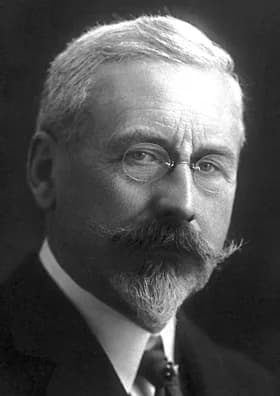
Nascut
June 20, 1861
Eastbourne, United Kingdom
Mort
May 16, 1947
Cambridge, United Kingdom
Conegut per
English biochemist
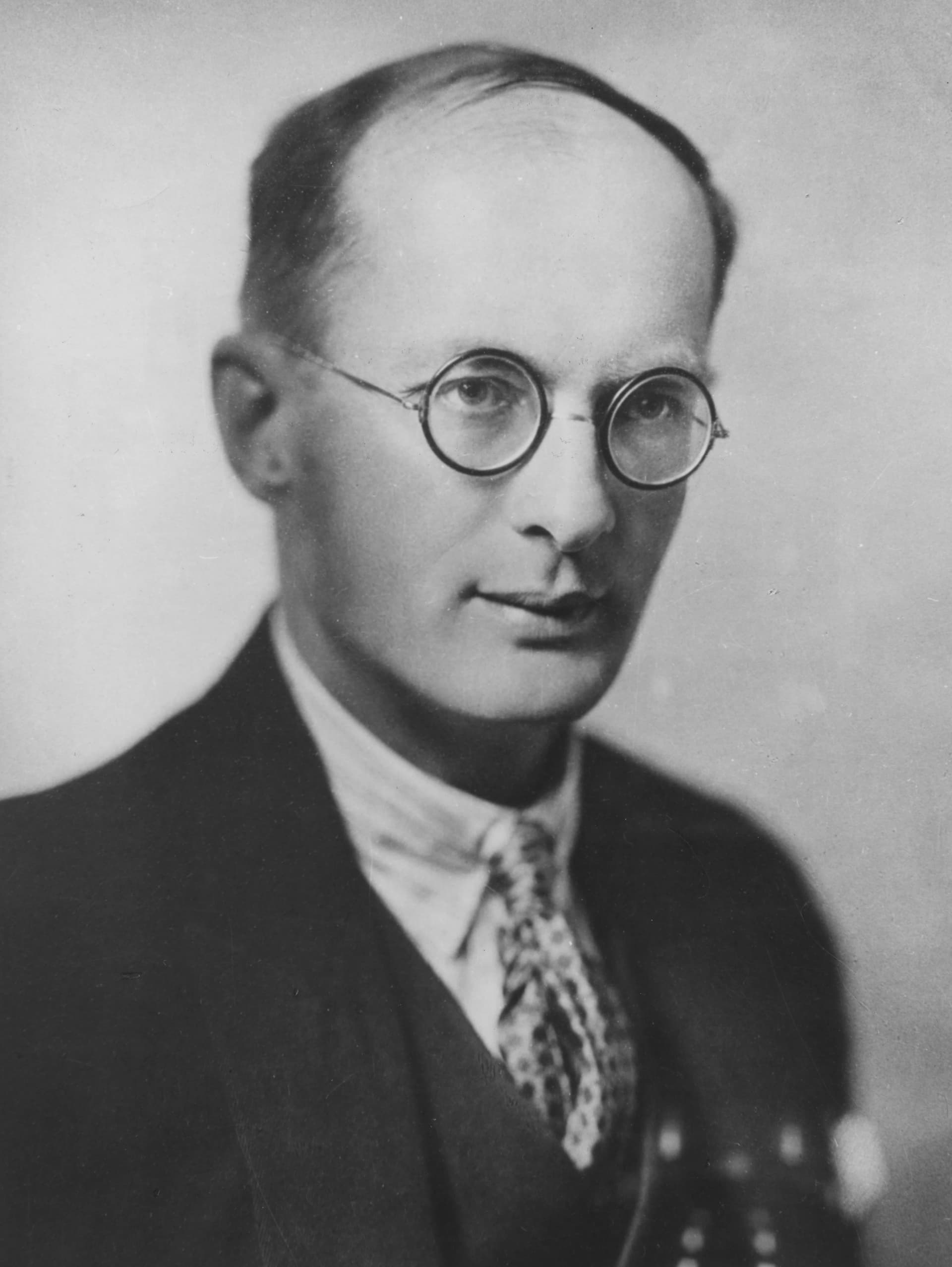
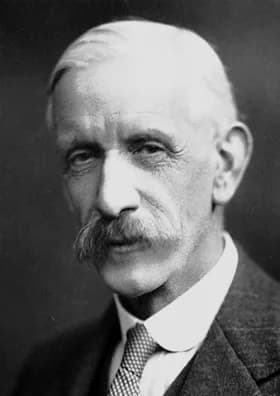
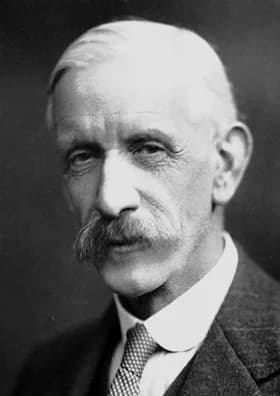
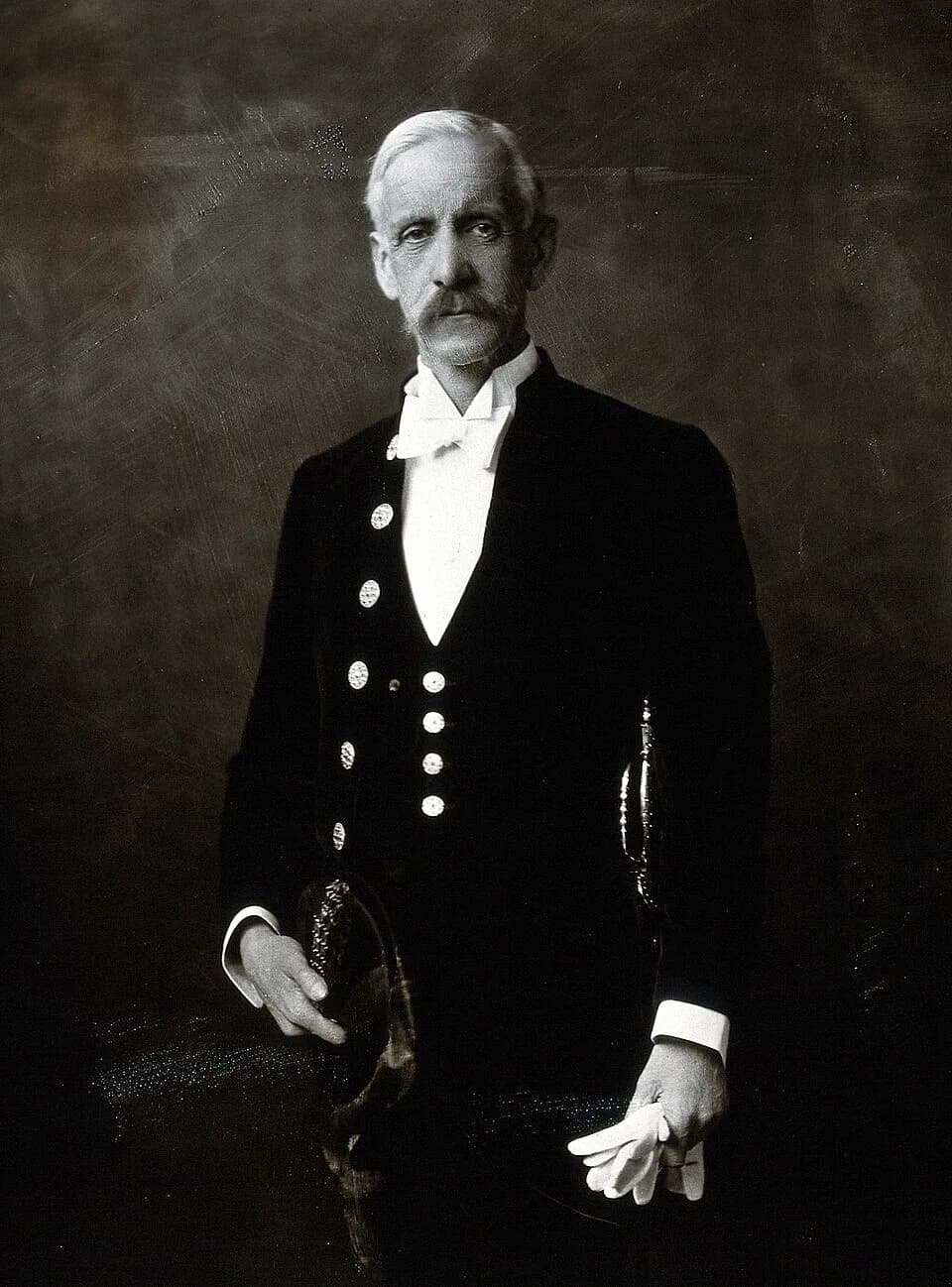
Frederick Hopkins (1861–1947) was United Kingdom best known for English biochemist.
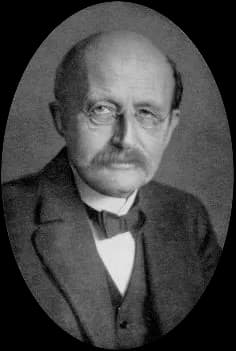
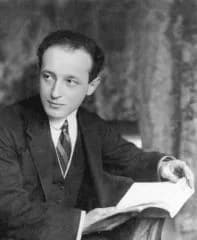
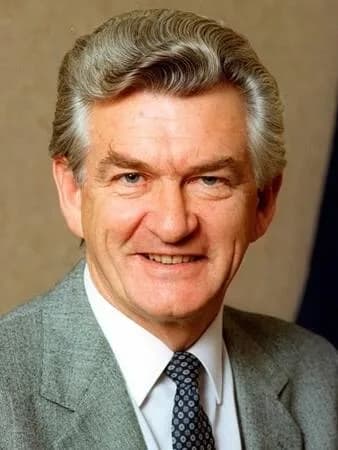
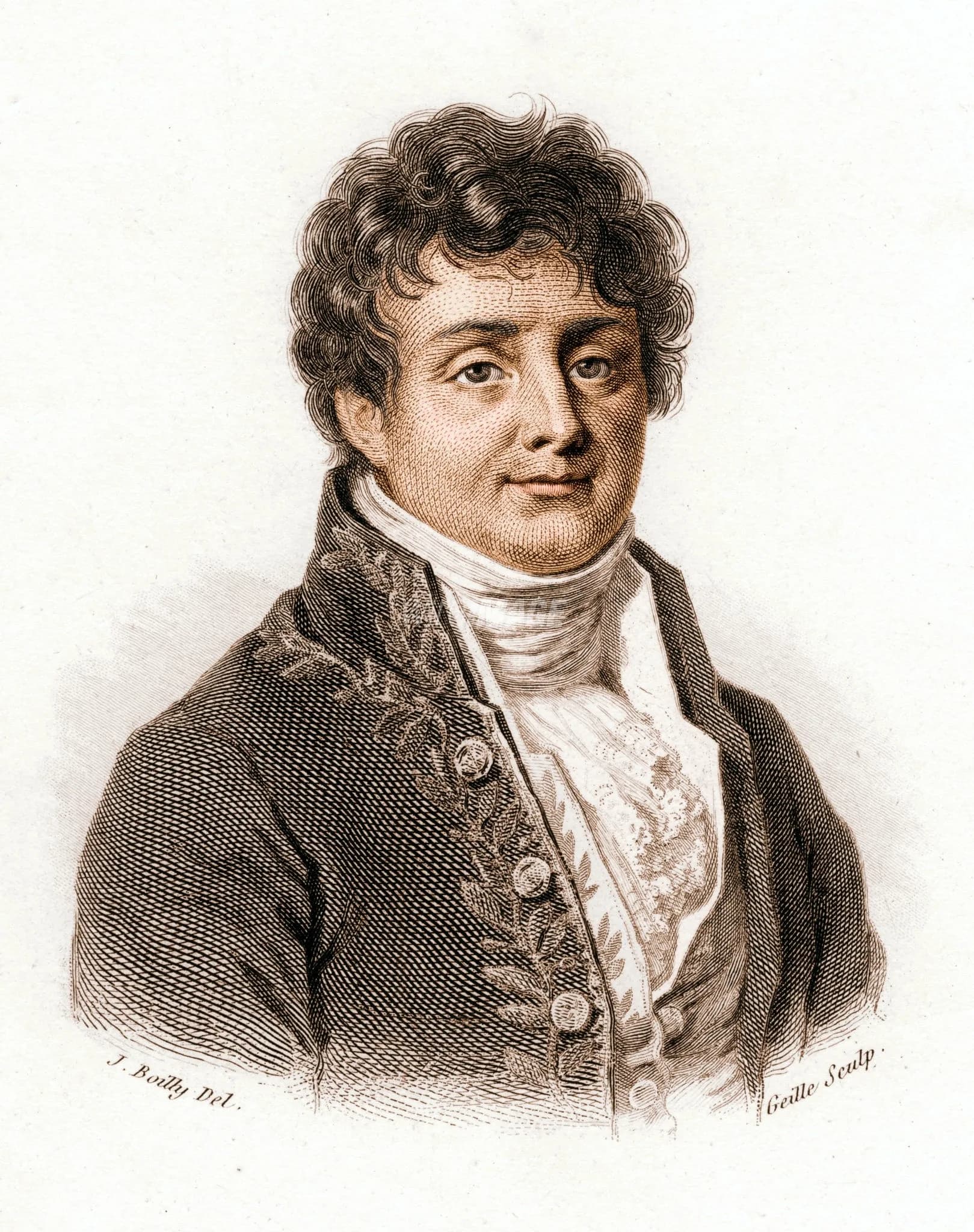
Sir Frederick Gowland Hopkins (June 20, 1861 – May 16, 1947) was an English biochemist from Eastbourne, United Kingdom. He was awarded the Nobel Prize in Physiology or Medicine in 1929 for his discovery of vitamins and also identified the amino acid tryptophan. His work fundamentally reshaped nutritional science and biochemistry.
Una vida en moments
Els moments que van marcar una vida
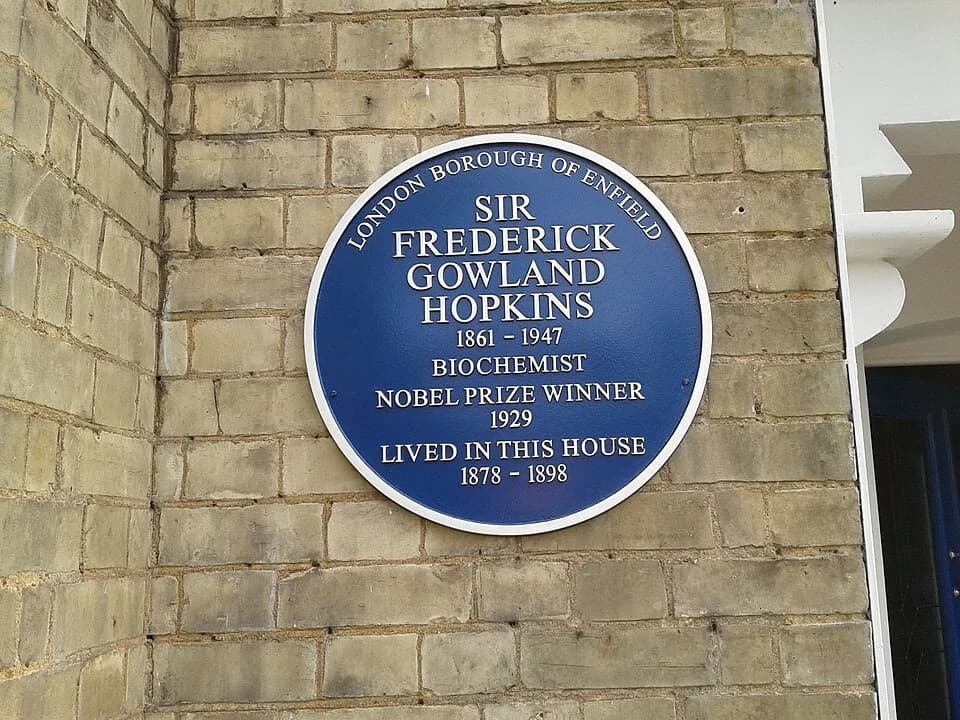
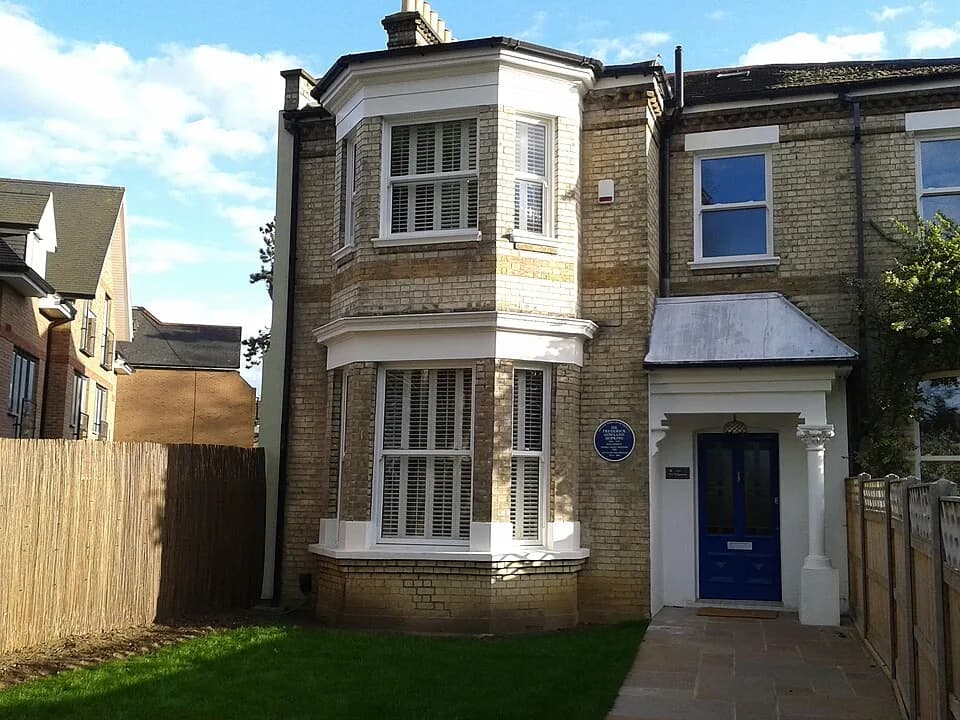
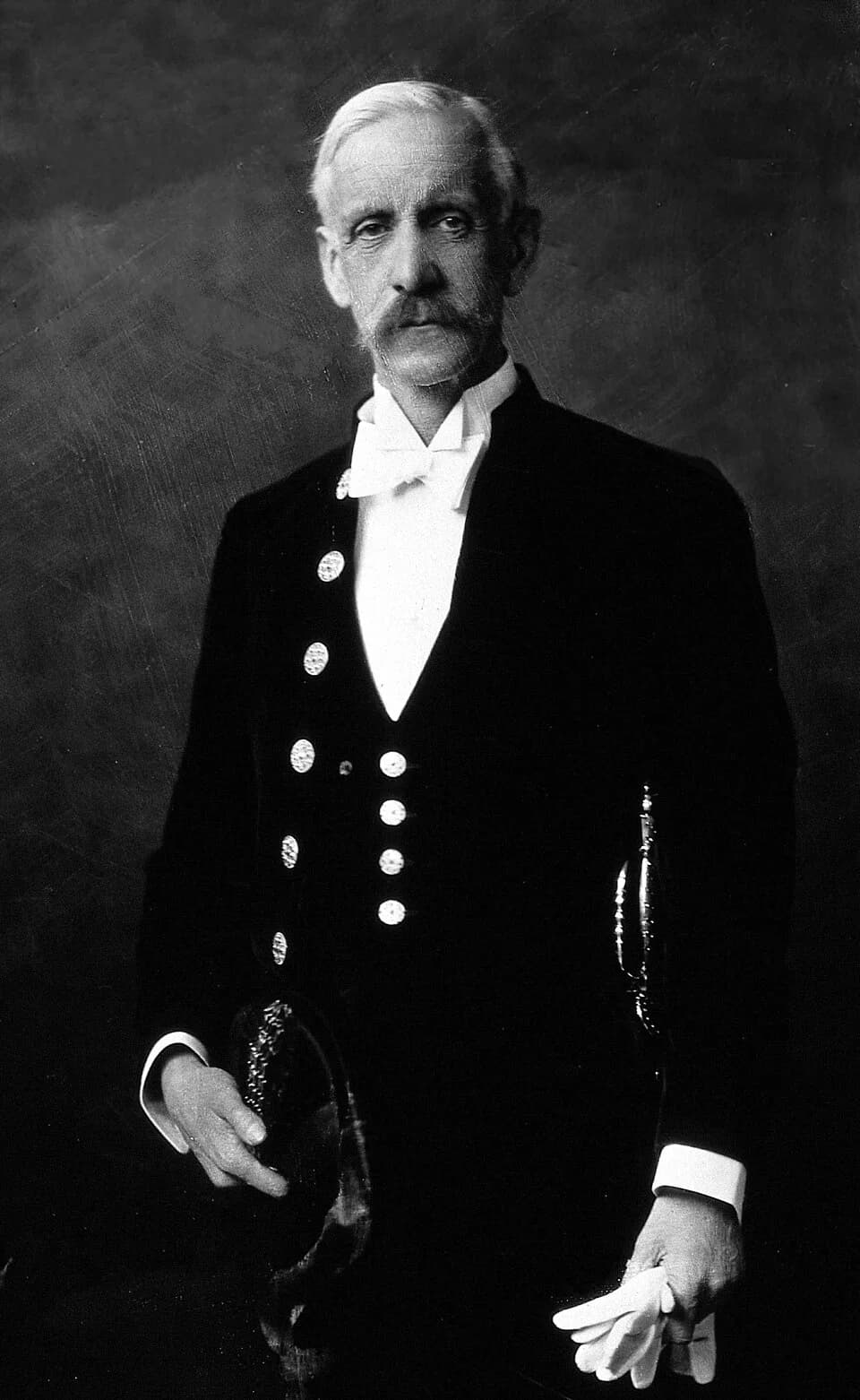
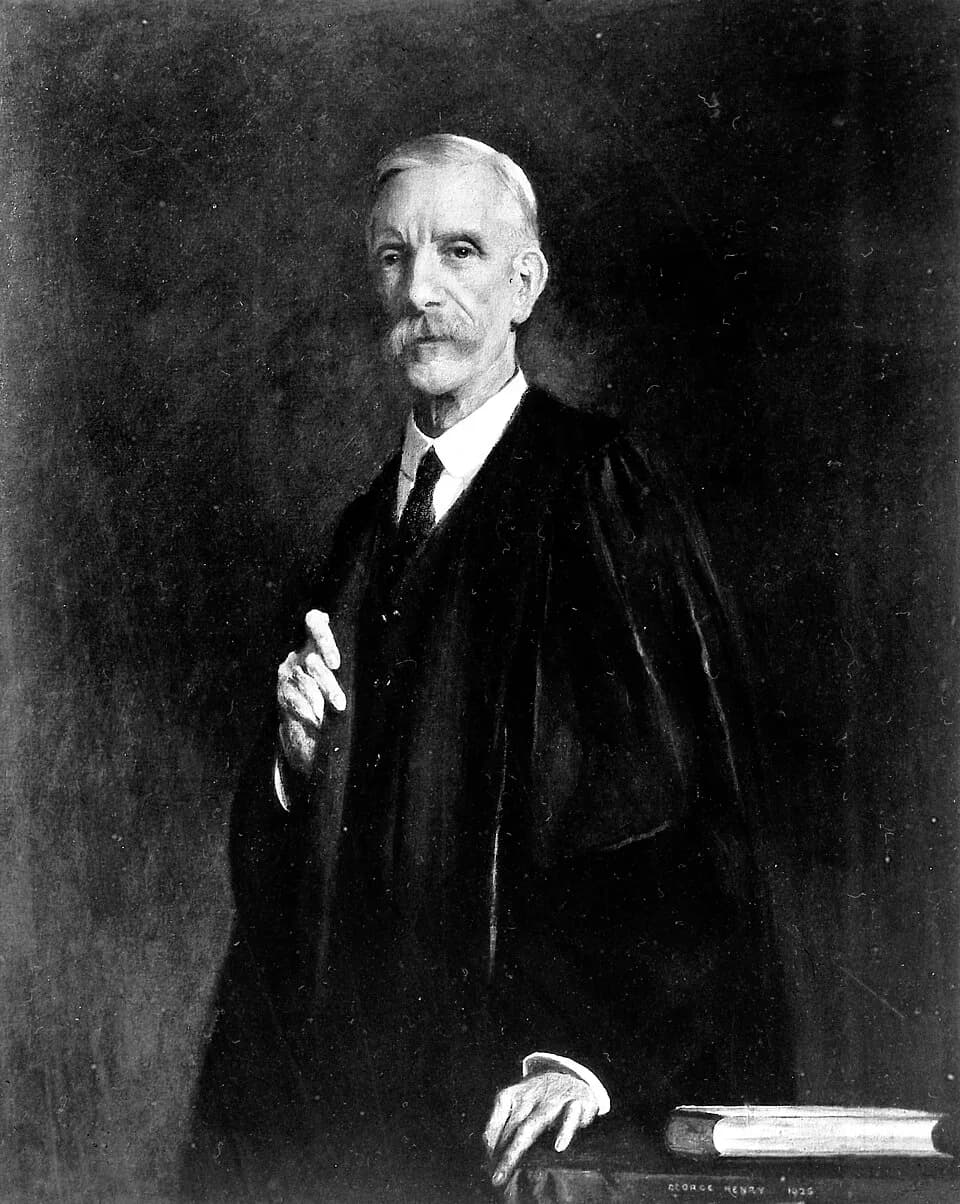
Capítol
Capítols de la vida
Capítol 1 · 1861· Capítol 1 de 6
Early Life and Origins
Frederick Hopkins began his journey in Eastbourne, United Kingdom, where he was born on June 20, 1861. While details of his early family life remain largely private, his formative years in Eastbourne undoubtedly fostered an environment conducive to intellectual growth and scientific observation. This period laid the foundational curiosity that would later define his approach to complex biological problems.
His early education set the stage for a diverse career that spanned medicine and chemistry before his ultimate dedication to biochemistry. The intellectual landscape of the late 19th century, with its rapid advancements in understanding the human body and chemical reactions, provided fertile ground for a mind like Hopkins's to develop its unique focus on the intersection of these disciplines. It was during these nascent years that his interest in the chemical processes underlying life began to take shape, guiding his academic and professional trajectory.
Capítol 2· Capítol 2 de 6
Career Beginnings
Hopkins initially pursued a medical path, qualifying as a physician. This practical experience with human health provided him with invaluable insights into physiological needs and disease mechanisms, informing his later investigations into nutrition and metabolism. His medical background gave him a unique perspective, allowing him to connect laboratory findings directly to clinical relevance.
Transitioning into chemistry, he applied his rigorous analytical skills to biochemical questions. This dual expertise as a physician and a chemist positioned him perfectly to tackle the emerging field of biochemistry, where the chemical composition and processes of living matter were beginning to be explored. His early work involved detailed analyses of biological substances, establishing a reputation for meticulous experimentation and insightful interpretation.
Capítol 3 · 1929· Capítol 3 de 6
Major Achievements and Career Highlights
A crowning moment in Frederick Hopkins's career arrived in 1929 when he was jointly awarded the Nobel Prize in Physiology or Medicine with Christiaan Eijkman. The Nobel Committee recognized him for his "discovery of the growth-stimulating vitamins," a revelation that fundamentally changed our understanding of nutrition. This award acknowledged decades of work demonstrating that certain essential substances, beyond fats, carbohydrates, and proteins, were vital for healthy growth and preventing deficiency diseases.
Long before his Nobel recognition, Hopkins made another pivotal discovery in 1901: the isolation of the amino acid tryptophan. This achievement was critical for understanding protein structure and function, as tryptophan is an essential amino acid that the human body cannot synthesize on its own. His work on tryptophan not only contributed to the chemistry of proteins but also hinted at the complexities of metabolic pathways.
Beyond his laboratory triumphs, Sir Frederick Gowland Hopkins was a respected leader in the scientific community, serving as President of the Royal Society from 1930 to 1935. During his tenure, he guided the prestigious institution through a period of significant scientific advancement and fostered collaboration among researchers. His leadership exemplified his commitment not only to individual discovery but also to the broader progress of science.
Capítol 4· Capítol 4 de 6
Notable Works or Contributions
Frederick Hopkins's scientific contributions are well-documented through his publications, which reflect his deep engagement with biochemistry. Among his seven notable papers, one of his most impactful works was "Glutathione: Its Influence in the Oxidation of Fats and Proteins," a study that garnered 75 citations. This research elucidated the role of glutathione, a vital antioxidant, in cellular metabolic processes, providing critical insights into how cells manage oxidative stress and energy production.
Another highly cited work, "Feeding Experiments with Deficiencies in the Amino-acid supply: Arginine and Histidine as possible Precursors of Purines," published in 1916, received 60 citations. This paper highlighted his sustained interest in nutritional biochemistry, specifically investigating the necessity of particular amino acids in diet. His findings were crucial for developing a more complete picture of dietary requirements and the intricate interplay of nutrients within the body.
His scholarly breadth is also evident in publications like "The centenary of Wöhler's synthesis of urea (1828-1928)," which discussed a historical milestone in organic chemistry. Though his h-index of 4 with 7 papers might seem modest by modern standards, each of his works contributed significantly to the foundational knowledge of biochemistry. Even later works like "Venereal Diseases" from 1943 demonstrated his continued engagement with medical and public health topics.
Capítol 5 · 1947· Capítol 5 de 6
Later Years
Sir Frederick Gowland Hopkins concluded his distinguished life in Cambridge, United Kingdom, where he passed away on May 16, 1947. Even in his later years, after stepping down from the presidency of the Royal Society, his intellectual curiosity and influence persisted. He remained a guiding figure in biochemistry, offering wisdom and experience to new generations of scientists.
His final decades saw the widespread acceptance and application of his discoveries concerning vitamins, solidifying their place in nutritional science and public health initiatives globally. The impact of his research continued to unfold, long after the initial breakthroughs, as understanding of human metabolism deepened. Hopkins's passing marked the end of an era for a pioneer whose work had fundamentally altered the trajectory of biomedical research.
Capítol 6· Capítol 6 de 6
Legacy and Impact
The legacy of Sir Frederick Gowland Hopkins is firmly embedded in the principles of modern biochemistry and nutritional science. His pioneering work on vitamins revolutionized how we perceive diet and disease, moving beyond energy provision to understanding the need for "accessory food factors" essential for life. This concept led directly to the prevention and treatment of many deficiency diseases, transforming public health practices worldwide.
The isolation of tryptophan cemented his reputation as a meticulous analytical chemist and laid critical groundwork for understanding protein chemistry and amino acid metabolism. His research established the importance of individual amino acids in diet and protein synthesis. Hopkins's leadership at the Royal Society further amplified his influence, shaping the direction of scientific inquiry and fostering a collaborative research environment.
Through his research, teaching, and leadership, Frederick Hopkins not only uncovered vital biological truths but also inspired countless scientists to pursue the complex questions of life's chemistry. His work continues to serve as a foundational pillar in our ongoing efforts to comprehend human health and disease. His life exemplified a profound dedication to unraveling the chemical mysteries of life, a dedication that continues to resonate today.
FAQ
Preguntes freqüents
Quan va morir Frederick Hopkins?
Frederick Hopkins va morir el 16 de maig del 1947 a Cambridge, United Kingdom, als 85 anys.
On va néixer Frederick Hopkins?
Frederick Hopkins va néixer a Eastbourne, United Kingdom el 20 de juny del 1861.
Per què és més conegut/da Frederick Hopkins?
Frederick Hopkins és conegut/da sobretot per English biochemist.
Quants anys tenia Frederick Hopkins quan va morir?
Frederick Hopkins tenia 85 anys en el moment de la seva mort.
Quina nacionalitat tenia Frederick Hopkins?
Frederick Hopkins era de United Kingdom.
Cronologia
La vida en un cop d'ull
Galeria de fotos
Una vida en imatges
Feu clic a qualsevol polaroid per ampliar · 48 fotos
Codi QR
Comparteix aquesta biografia
Imprimeix i comparteix
Escaneja per visitar aquesta pàgina de biografia. Imprimeix per a esdeveniments, exposicions o materials educatius.