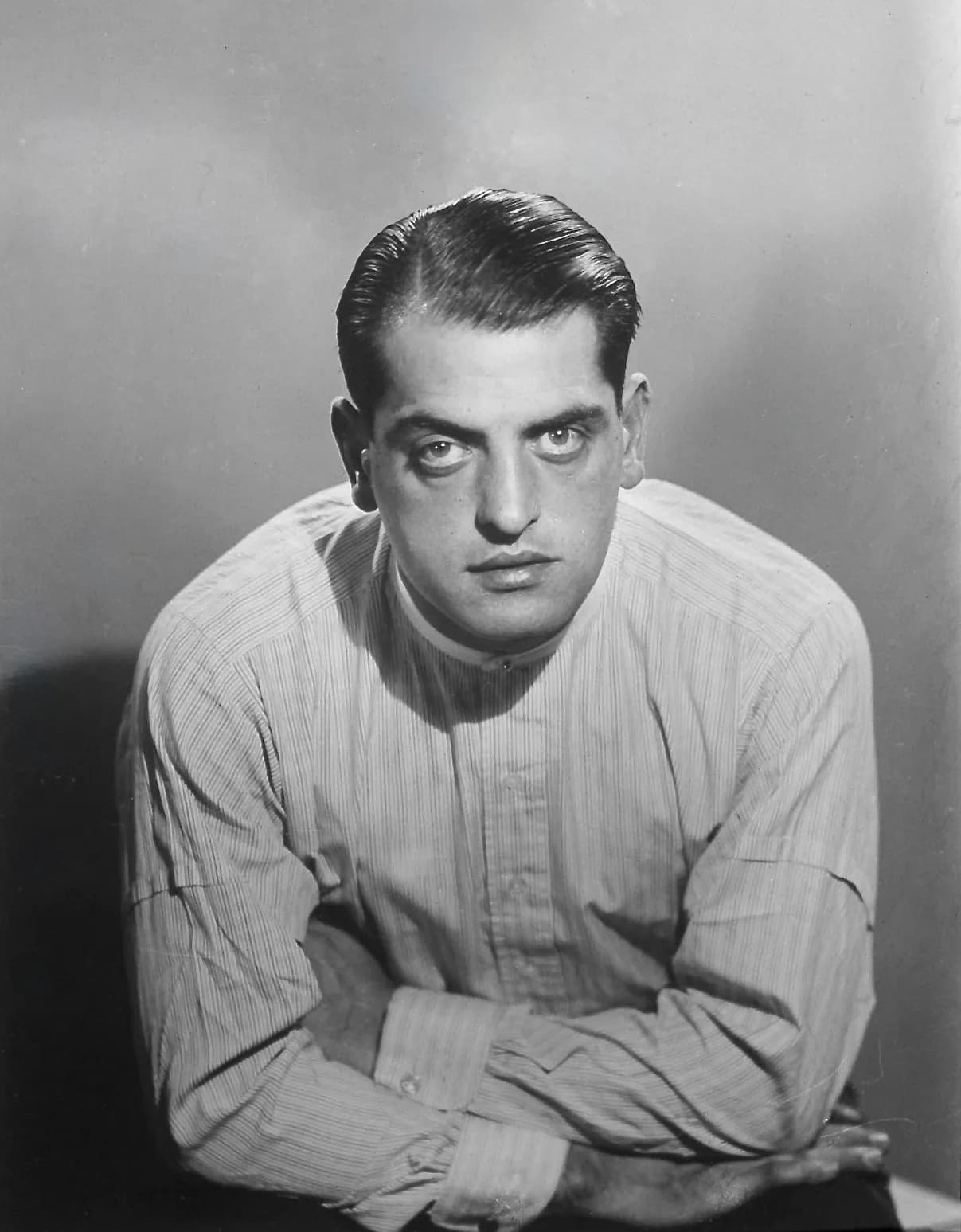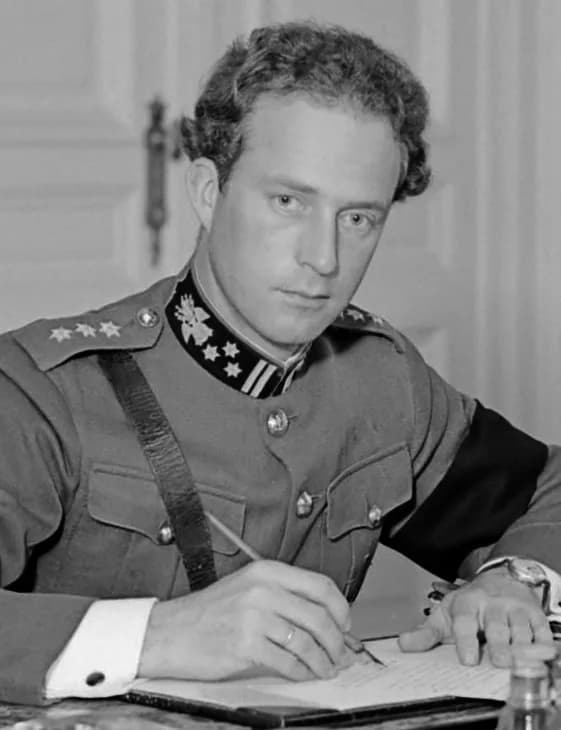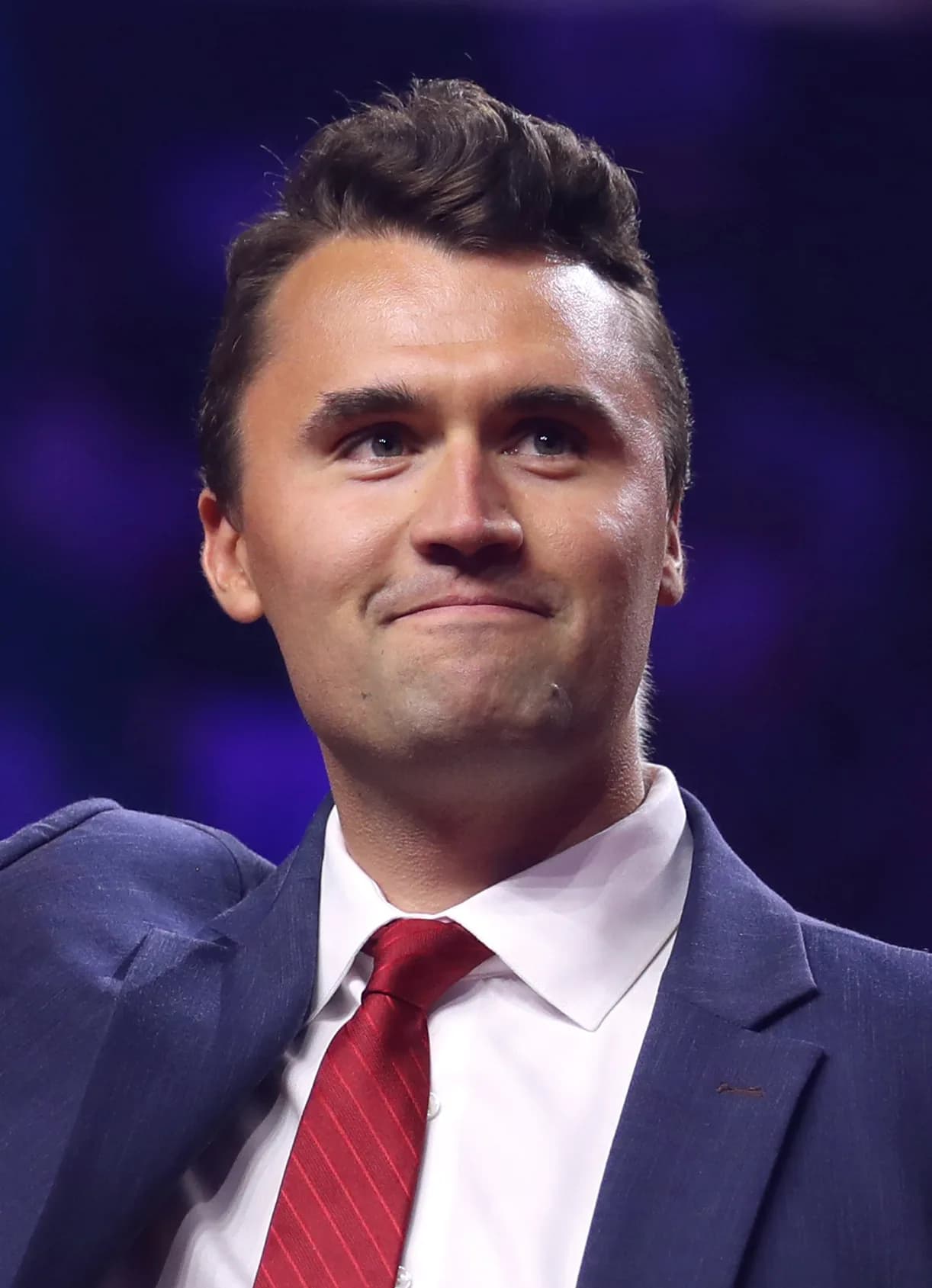
Nascut
October 23, 1905
Zurich, Switzerland
Mort
September 10, 1983
Zurich, Switzerland
Conegut per
Swiss physicist
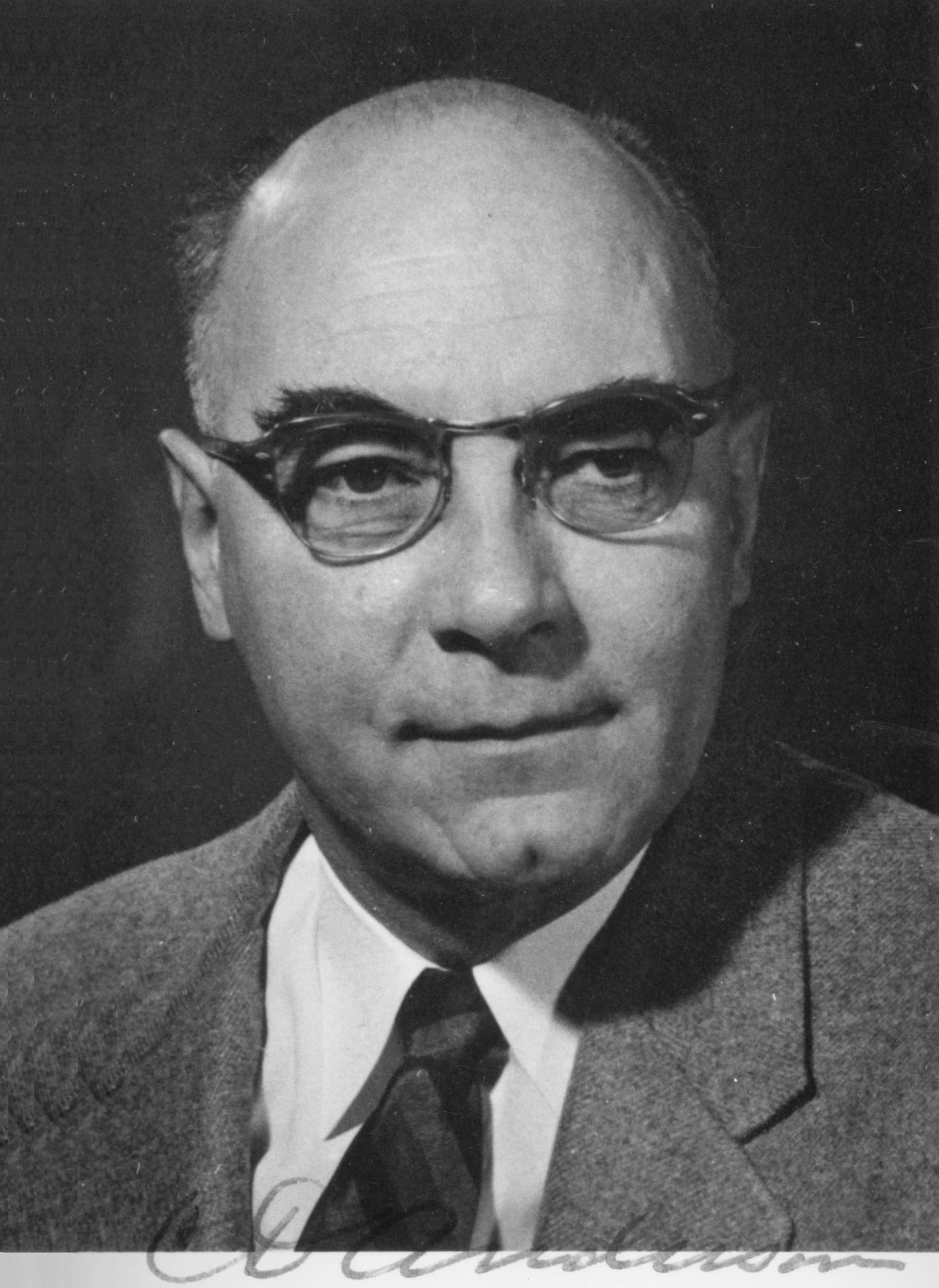
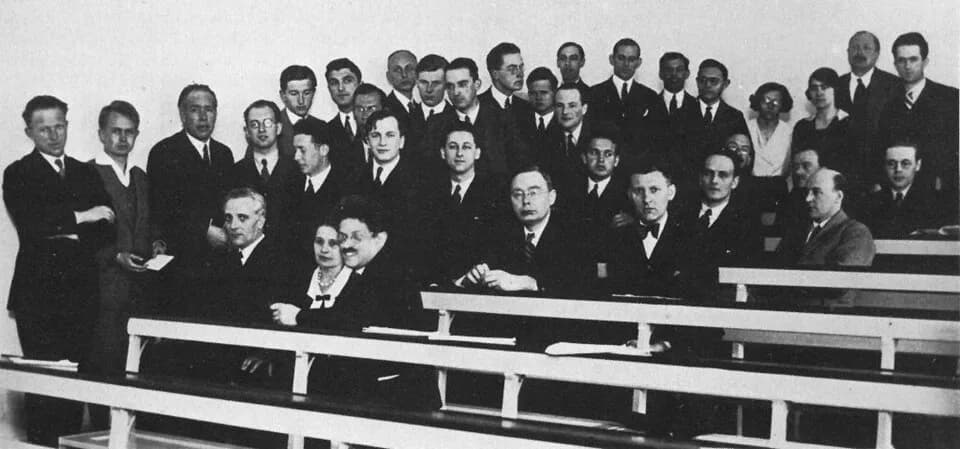
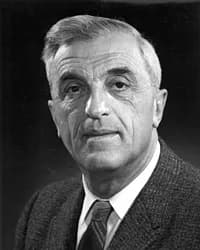
Felix Bloch (1905-1983) was a Swiss-American theoretical physicist who shared the 1952 Nobel Prize in Physics with Edward Mills Purcell for developing nuclear magnetic resonance techniques. His groundbreaking research laid the foundation for modern MRI technology and transformed scientific understanding of atomic nuclei.
Una vida en moments
Els moments que van marcar una vida
Capítol
Capítols de la vida
Capítol 1 · 1905· Capítol 1 de 6
Early Life and Origins
Felix Bloch was born on October 23, 1905, in Zurich, Switzerland, into a world where quantum mechanics was just beginning to emerge as a new frontier in physics. Growing up in Switzerland during the early 20th century, he witnessed the country become a hub for scientific innovation, with institutions like ETH Zurich attracting brilliant minds from across Europe. His formative years in Zurich exposed him to a culture that valued precision, intellectual rigor, and scientific inquiry—qualities that would define his entire career.
Capítol 2· Capítol 2 de 6
Career Beginnings
Bloch's early research focused on the fundamental interactions between particles and matter, establishing him as a rising star in theoretical physics. His doctoral work and early publications in the 1930s demonstrated his exceptional ability to tackle complex problems in quantum mechanics and atomic physics. The academic environment in Switzerland and later in the United States provided him with opportunities to collaborate with other pioneering physicists of his generation.
Capítol 3 · 1952· Capítol 3 de 6
Major Achievements and Career Highlights
The pinnacle of Bloch's career came with his Nobel Prize in Physics in 1952, awarded jointly with Edward Mills Purcell "for their development of new methods for nuclear magnetic precision measurements and discoveries in connection therewith." This recognition celebrated their independent development of nuclear magnetic resonance (NMR) techniques, which allowed scientists to study the magnetic properties of atomic nuclei with unprecedented precision. His work opened entirely new avenues for understanding the structure of matter at the atomic level.
Beyond the Nobel Prize, Bloch distinguished himself as both a researcher and educator, holding positions as a university teacher and contributing significantly to the training of future physicists. His dual expertise in theoretical physics and nuclear physics made him uniquely qualified to bridge different areas of scientific inquiry, leading to insights that would have been impossible from a narrower perspective.
Capítol 4 · 1933· Capítol 4 de 6
Notable Works and Contributions
Bloch's most influential research appeared in a series of papers published in the early 1930s that continue to be cited by scientists today. His 1933 work "Zur Bremsung rasch bewegter Teilchen beim Durchgang durch Materie" (On the Stopping of Fast-Moving Particles Passing Through Matter) has been cited over 640 times, demonstrating its enduring relevance to modern physics. That same year, his paper "Bremsvermögen von Atomen mit mehreren Elektronen" (Stopping Power of Multi-Electron Atoms) garnered 571 citations, establishing fundamental principles still used in particle physics research.
His 1932 publication "Zur Theorie des Austauschproblems und der Remanenzerscheinung der Ferromagnetika" (On the Theory of the Exchange Problem and Remanence Phenomena in Ferromagnetics) received 431 citations and contributed crucial insights to our understanding of magnetic materials. Earlier work from 1931, "Zur Anisotropie der Magnetisierung ferromagnetischer Einkristalle" (On the Anisotropy of Magnetization in Ferromagnetic Single Crystals), showed his early fascination with magnetic phenomena that would later inform his Nobel Prize-winning research.
Capítol 5 · 1961· Capítol 5 de 6
Later Years
In his later career, Bloch continued to push the boundaries of physics, as evidenced by his 1961 paper "Zur Wirkung äußerer elektromagnetischer Felder auf kleine Systeme" (On the Effect of External Electromagnetic Fields on Small Systems). Though this work received fewer citations than his earlier breakthrough papers, it demonstrated his continued engagement with cutting-edge problems in theoretical physics well into his mature career. Throughout these years, he maintained his commitment to both research and teaching, influencing countless students and colleagues.
Capítol 6 · 1983· Capítol 6 de 6
Legacy and Impact
Felix Bloch returned to his birthplace of Zurich, where he died on September 10, 1983, bringing his remarkable journey full circle. His development of nuclear magnetic resonance techniques created the scientific foundation for magnetic resonance imaging (MRI), one of the most important diagnostic tools in modern medicine. Every MRI scan performed today traces its origins back to the fundamental principles that Bloch established in his laboratory decades ago.
The methods Bloch developed for nuclear magnetic precision measurements continue to be essential tools in physics, chemistry, and biology research. His work exemplifies how fundamental scientific research can lead to applications that benefit humanity in ways the original researcher never anticipated. The Felix Bloch name remains synonymous with precision, innovation, and the kind of deep scientific thinking that connects theoretical insights to practical breakthroughs.
FAQ
Preguntes freqüents
Quan va morir Felix Bloch?
Felix Bloch va morir el 10 de setembre del 1983 a Zurich, Switzerland, als 77 anys.
On va néixer Felix Bloch?
Felix Bloch va néixer a Zurich, Switzerland el 23 d’octubre del 1905.
Per què és més conegut/da Felix Bloch?
Felix Bloch és conegut/da sobretot per Swiss physicist.
Quants anys tenia Felix Bloch quan va morir?
Felix Bloch tenia 77 anys en el moment de la seva mort.
Quina nacionalitat tenia Felix Bloch?
Felix Bloch era de Switzerland.
Cronologia
La vida en un cop d'ull
Galeria de fotos
Una vida en imatges
Feu clic a qualsevol polaroid per ampliar · 45 fotos
Codi QR
Comparteix aquesta biografia
Imprimeix i comparteix
Escaneja per visitar aquesta pàgina de biografia. Imprimeix per a esdeveniments, exposicions o materials educatius.