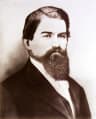
Nascut
February 15, 1811
San Juan, Argentina
Mort
September 11, 1888
Asunción, Paraguay
Conegut per
Argentinian politician and writer
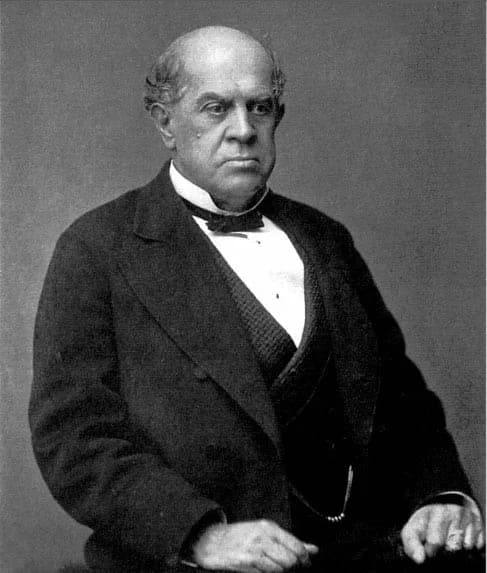
Domingo Faustino Sarmiento (1811–1888) was Argentina best known for Argentinian politician and writer.
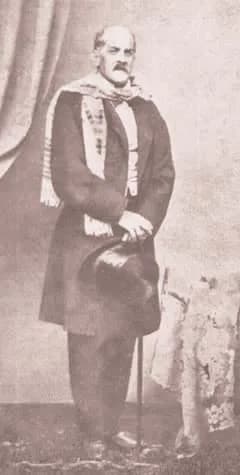
Domingo Faustino Sarmiento (February 15, 1811 – September 11, 1888) was an Argentinian politician and writer. He served as President of Argentina from 1868 to 1874 and was a leading figure of the influential Generation of 1837. His advocacy for education and his diverse contributions continue to shape Argentinian thought.
Capítol
Capítols de la vida
Capítol 1 · 1811· Capítol 1 de 6
Early Life and Origins
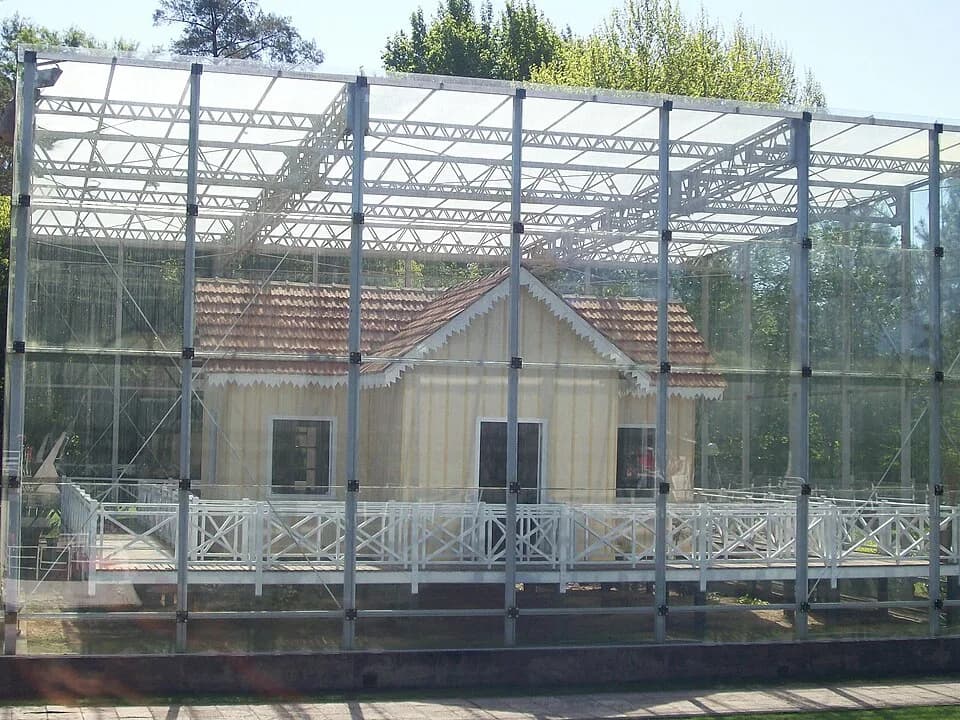
Domingo Faustino Sarmiento was born in San Juan, Argentina, on February 15, 1811, at a time when the nascent nation was on the cusp of significant political and social transformation. His early life in San Juan provided the backdrop for his formative experiences and observations. The historical context of his birth in the early 19th century was crucial, as Argentina was grappling with its identity post-independence.
His upbringing instilled in him a strong sense of civic duty and intellectual curiosity. Growing up in a period of intense political debate and nation-building, Sarmiento developed an early understanding of the challenges facing his country. This environment undoubtedly fostered the keen analytical mind and fervent advocacy that would characterize his later public life and extensive writings.
Capítol 2· Capítol 2 de 6
Career Beginnings
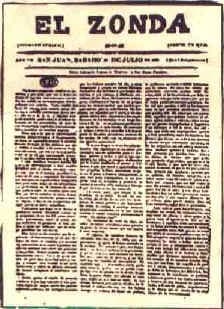
Sarmiento's professional journey began with his passionate engagement as a writer and journalist, platforms through which he voiced his views on society and governance. These early roles allowed him to cultivate his literary skills and develop a strong, persuasive voice that would serve him throughout his career. His contributions to the press were instrumental in shaping public opinion and discourse.
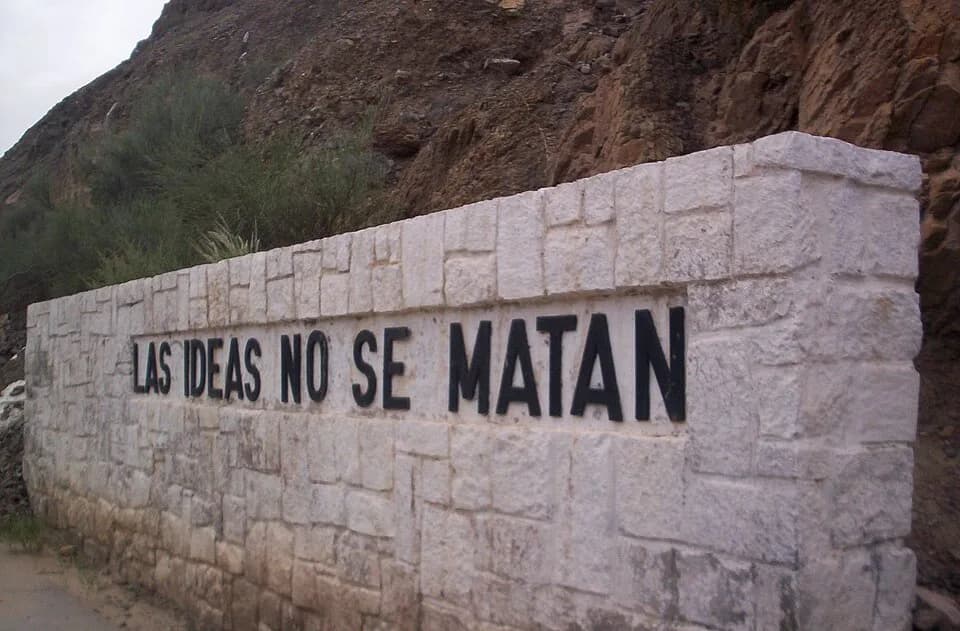
These initial forays into writing and journalism quickly broadened into a comprehensive engagement with public life, setting the stage for his multi-faceted career. His early intellectual endeavors laid the groundwork for his future roles as a politician and diplomat, demonstrating his belief in the power of ideas to effect change. This foundation was vital to his eventual rise as a prominent figure in Argentinian politics.
Capítol 3 · 1868· Capítol 3 de 6
Major Achievements and Career Highlights
A crowning achievement in Domingo Faustino Sarmiento's distinguished career was his presidency of Argentina, serving from 1868 to 1874. During his tenure as President, he implemented numerous reforms and initiatives aimed at modernizing the nation. His leadership was crucial in a critical period of Argentina's history, guiding the country through significant development.
Beyond his presidency, Sarmiento was a prominent member of the Generation of 1837, a group of influential intellectuals who profoundly shaped 19th-century Argentina. Their collective ideas and reformist spirit were central to the country's social and political evolution. Sarmiento's extensive work as a military personnel, historian, and diplomat further illustrates the breadth of his contributions to the nation.
Capítol 4· Capítol 4 de 6
Notable Works or Contributions
Domingo Faustino Sarmiento's literary output was extensive, reflecting his diverse interests and profound commitment to public discourse. His work, "Las escuelas: base de la prosperidad de la república en los Estados Unidos," highlights his strong belief in education as the cornerstone of national prosperity. This treatise demonstrated his analytical approach to governmental and social structures, informed by international examples.
Another significant work, "Recuerdos de provincia," offers a personal reflection on his early life and the landscapes that shaped him, providing valuable insights into his intellectual and emotional development. His autobiographical account, "Mi vida," provides a direct glimpse into his experiences and philosophical outlook. These memoirs are essential for understanding the man behind the public persona.
Sarmiento also authored "Discursos sobre la educacion popular," a collection that underscored his unwavering advocacy for widespread public education and literacy. In the realm of history and biography, "El Chacho, último caudillo de la montonera de los llanos" showcased his ability to dissect complex political figures and events. His varied bibliography includes works like "Comentarios de la Constitución de la Confederación argentina," "Sociedad Sericícola Americana," and the satirical "Las ciento y una," demonstrating his versatility and intellectual depth across legal, economic, and literary genres.
Further intellectual contributions include "Domingo F. Sarmiento," which likely served as a platform for various essays or collected thoughts, and "Una sentencia con cuerpo de delito y sin reo, sin rey, sin ley, sin delito, sin fuero, sin tradicion, sin verdad, sin efecto," a title suggesting a critical legal or political analysis. Each of these publications contributed to the robust intellectual life of Argentina, reflecting his continuous engagement with the pressing issues of his time.
Capítol 5 · 1888· Capítol 5 de 6
Later Years
Domingo Faustino Sarmiento concluded his remarkable life in Asunción, Paraguay, where he passed away on September 11, 1888. Even in his later years, his influence as a writer, politician, and intellectual continued to be felt. His final period of life, though spent abroad, did not diminish his enduring connection to Argentina and its future.
His death marked the end of an era for Argentina, but his legacy was firmly established. The principles he championed throughout his career continued to guide national discourse and policy long after his passing. His departure from the world stage left a vacuum that was quickly filled by the widespread recognition of his vast contributions.
Capítol 6 · 1837· Capítol 6 de 6
Legacy and Impact
The legacy of Domingo Faustino Sarmiento is deeply woven into the fabric of Argentinian identity, particularly concerning education and governance. As a key member of the Generation of 1837, his ideas had a profound and lasting influence on 19th-century Argentina. His vision for a modern, educated nation continues to inspire.
His impact extends beyond his presidential term, encompassing his prolific writings and his diverse roles as a journalist, historian, and diplomat. Sarmiento's dedication to improving the lives of Argentinians through education and political reform cemented his place as one of the nation's most respected figures. He remains a symbol of intellectual rigor and national progress.
Una vida en moments
Els moments que van marcar una vida
FAQ
Preguntes freqüents
Quan va morir Domingo Faustino Sarmiento?
Domingo Faustino Sarmiento va morir el 11 de setembre del 1888 a Asunción, Paraguay, als 77 anys.
On va néixer Domingo Faustino Sarmiento?
Domingo Faustino Sarmiento va néixer a San Juan, Argentina el 15 de febrer del 1811.
Per què és més conegut/da Domingo Faustino Sarmiento?
Domingo Faustino Sarmiento és conegut/da sobretot per Argentinian politician and writer.
Quants anys tenia Domingo Faustino Sarmiento quan va morir?
Domingo Faustino Sarmiento tenia 77 anys en el moment de la seva mort.
Quina nacionalitat tenia Domingo Faustino Sarmiento?
Domingo Faustino Sarmiento era de Argentina.
Cronologia
La vida en un cop d'ull
Galeria de fotos
Una vida en imatges
Feu clic a qualsevol polaroid per ampliar · 21 fotos
Codi QR
Comparteix aquesta biografia
Imprimeix i comparteix
Escaneja per visitar aquesta pàgina de biografia. Imprimeix per a esdeveniments, exposicions o materials educatius.