Nascut
September 28, 1910
Lubao, Philippines
Mort
April 21, 1997
Libingan ng mga Bayani, Philippines
Conegut per
President of the Philippines from 1961 to 1965
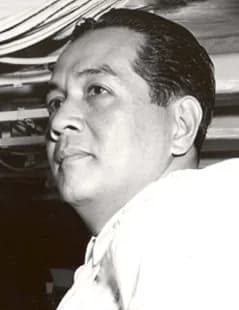
Diosdado Macapagal (1910–1997) was Philippines best known for President of the Philippines from 1961 to 1965.
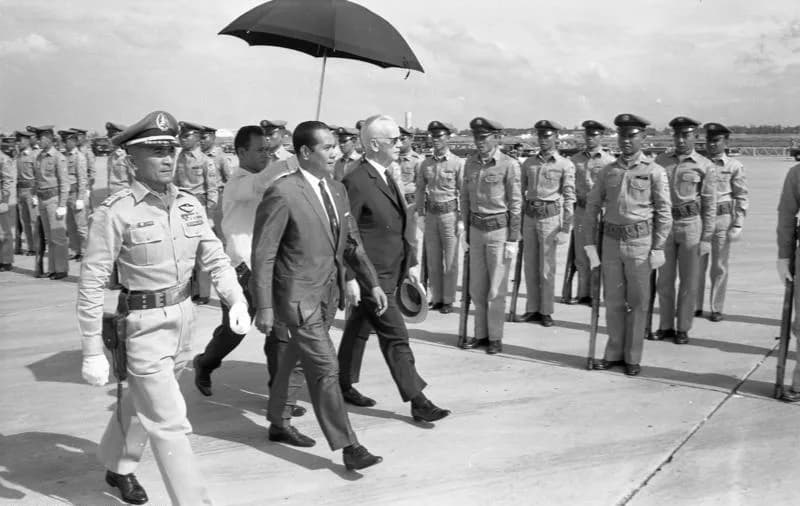
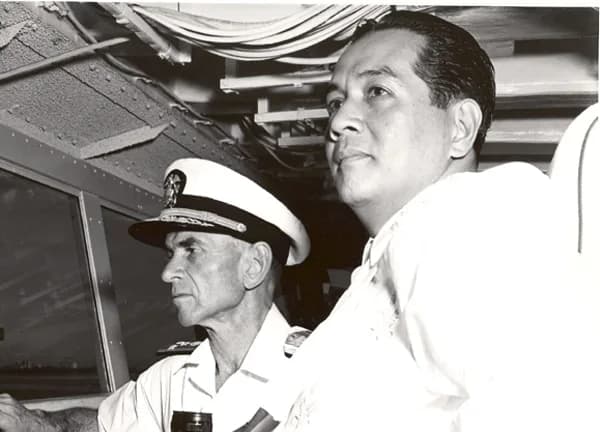
Diosdado Macapagal (September 28, 1910 – April 21, 1997) was a politician and economist from Lubao, Philippines. He served as the ninth President of the Philippines from 1961 to 1965 and headed the Constitutional Convention of 1970. His legacy includes his leadership and his role as the father of a future president.
Una vida en moments
Els moments que van marcar una vida
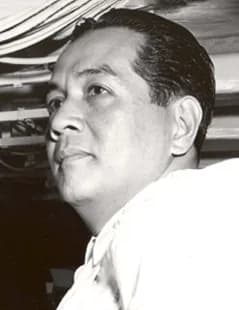
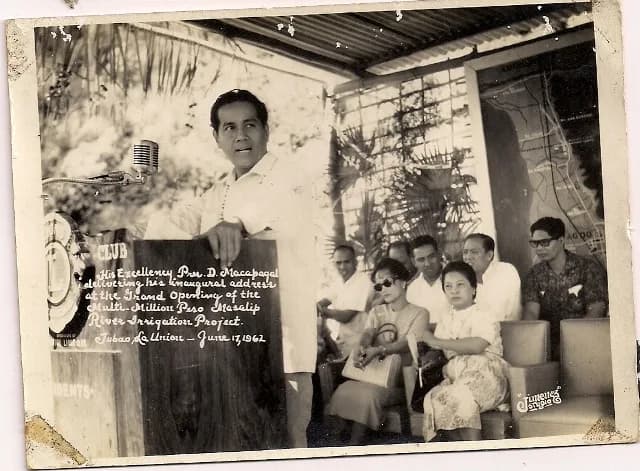
![Diosdado Macapagal - Diosdado Macapagal[1]house marker](/_next/image?url=https%3A%2F%2Fcdn.whowasthisguy.com%2Fgallery_wikimedia_commons_1782153903191_4_6a0f97a0c4.webp&w=1920&q=75)
![Diosdado Macapagal - Diosdado Macapagal[1]house and museumLubao, Pampanga [2]](/_next/image?url=https%3A%2F%2Fcdn.whowasthisguy.com%2Fgallery_wikimedia_commons_1782153904816_5_2490262d9c.webp&w=1920&q=75)
Capítol
Capítols de la vida
Capítol 1 · 1910· Capítol 1 de 7
Early Life and Origins
Diosdado Pangan Macapagal Sr. began his journey on September 28, 1910, in Lubao, Philippines. His formative years were spent in his birthplace, shaping the early experiences that would influence his future path in public service. He pursued higher education with vigor, demonstrating a profound commitment to scholarly achievement from a young age.
His academic pursuits led him to the esteemed University of Santo Tomas, where he achieved remarkable scholarly success. Macapagal earned both a Doctors of Civil Law degree and a PhD in Economics, distinguishing himself as one of the few Philippine presidents to hold multiple doctoral degrees. These advanced qualifications underscored his intellectual depth and expertise in critical areas of national development.
Capítol 2· Capítol 2 de 7
Career Beginnings
Macapagal's political career began to flourish as he took on significant roles within the Philippine government. Before his presidency, he served as a member of the House of Representatives, where he gained valuable experience in legislative processes and national policy-making. This early period in the legislature established his reputation as a dedicated and capable public servant.
His stature in national politics grew considerably when he assumed the office of the 5th Vice President of the Philippines. Serving from 1957 to 1961 under President Carlos P. Garcia, he contributed to the nation's leadership during a critical period. This role prepared him for the highest office, broadening his understanding of the executive branch and national governance.
Capítol 3 · 1961· Capítol 3 de 7
Major Achievements and Career Highlights
Diosdado Macapagal’s most notable achievement was his tenure as the ninth President of the Philippines. He served the nation from 1961 to 1965, leading with a vision for economic development and social reform. His presidency saw the implementation of various policies aimed at improving the lives of ordinary Filipinos and strengthening the national economy.
Beyond his presidential term, Macapagal continued to serve the country in other vital capacities. He was entrusted with the significant responsibility of heading the Constitutional Convention of 1970. In this role, he played a crucial part in shaping the fundamental law of the land, demonstrating his enduring dedication to democratic principles and national progress.
Capítol 4 · 2001· Capítol 4 de 7
Personal Life
Affectionately known to many as “Apung Dadong,” Diosdado Macapagal maintained close family ties throughout his life. He was a devoted father, and his influence extended deeply into his family. His daughter, Gloria Macapagal Arroyo, notably followed in his footsteps, later becoming President of the Philippines from 2001 to 2010.
This unique familial connection to the presidency highlights a remarkable dynastic tradition in Philippine politics. Macapagal's personal journey thus intertwined with the broader narrative of national leadership, showcasing a profound legacy passed down through generations.
Capítol 5· Capítol 5 de 7
Notable Works or Contributions
As an academic and intellectual, Diosdado Macapagal also contributed to scholarly discourse through his writings. His body of work includes several publications that reflect his insights into governance, history, and economics. He achieved an h-index of 2 across 15 papers, indicating his engagement in academic authorship.
Among his significant works are “A stone for the edifice : memoirs of a President,” published in 1968, which garnered 4 citations and offered a personal reflection on his presidential experiences. Other notable publications include “The Philippines turns East” (1966), cited 3 times, and “Camilo Osias, educator and statesman” (1974), with 2 citations. His work “Constitutional democracy in the world” (1993) also received a citation, demonstrating his continued engagement with political thought later in life.
Capítol 6 · 1997· Capítol 6 de 7
Later Years
After a distinguished career in public service, Diosdado Macapagal passed away on April 21, 1997. His final resting place is at Libingan ng mga Bayani, the National Cemetery of the Philippines, a site dedicated to national heroes and distinguished citizens. This interment reflects the nation's recognition of his significant contributions and his stature as a leader.
His passing marked the end of a long and impactful life, leaving behind a legacy that continued to shape the political and intellectual landscape of the Philippines. He remained a respected figure long after his presidency, remembered for his commitment to the welfare of his countrymen.
Capítol 7 · 1961· Capítol 7 de 7
Legacy and Impact
Diosdado Macapagal's legacy is deeply woven into the fabric of Philippine history. His four-year term as president from 1961 to 1965 was a period of significant national development and policy innovation. He is remembered for his efforts to advance the country's economy and social programs, laying groundwork for future progress.
His role in heading the Constitutional Convention of 1970 further cemented his influence on the nation's governance structure. Beyond his official capacities, his example as an educated leader with doctoral degrees in both civil law and economics set a high standard for public service. The continuation of his political legacy through his daughter, Gloria Macapagal Arroyo, who also served as president, speaks volumes about his enduring impact on the Philippines.
FAQ
Preguntes freqüents
Quan va morir Diosdado Macapagal?
Diosdado Macapagal va morir el 21 d’abril del 1997 a Libingan ng mga Bayani, Philippines, als 86 anys.
On va néixer Diosdado Macapagal?
Diosdado Macapagal va néixer a Lubao, Philippines el 28 de setembre del 1910.
Per què és més conegut/da Diosdado Macapagal?
Diosdado Macapagal és conegut/da sobretot per President of the Philippines from 1961 to 1965.
Quants anys tenia Diosdado Macapagal quan va morir?
Diosdado Macapagal tenia 86 anys en el moment de la seva mort.
Quina nacionalitat tenia Diosdado Macapagal?
Diosdado Macapagal era de Philippines.
Cronologia
La vida en un cop d'ull
Galeria de fotos
Una vida en imatges
Feu clic a qualsevol polaroid per ampliar · 22 fotos
Codi QR
Comparteix aquesta biografia
Imprimeix i comparteix
Escaneja per visitar aquesta pàgina de biografia. Imprimeix per a esdeveniments, exposicions o materials educatius.