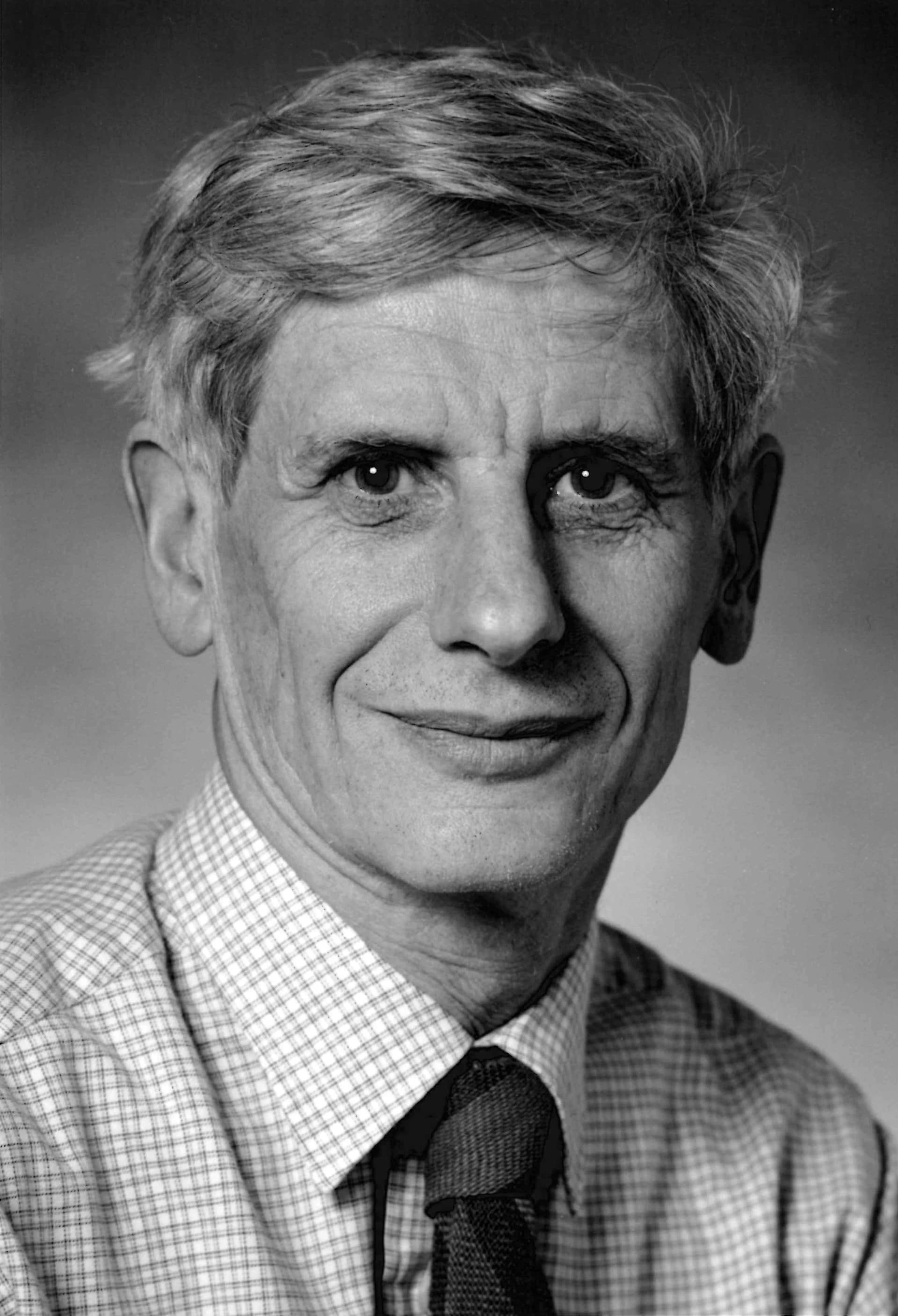
Nascut
September 21, 1934
Bearsden, United Kingdom
Mort
April 6, 2019
Cambridge, United Kingdom
Conegut per
British physicist
David J. Thouless (1934–2019) was United Kingdom best known for British physicist.
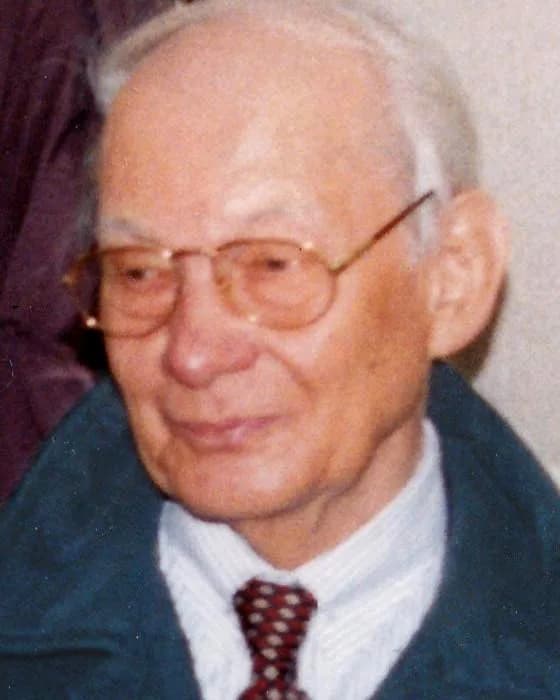
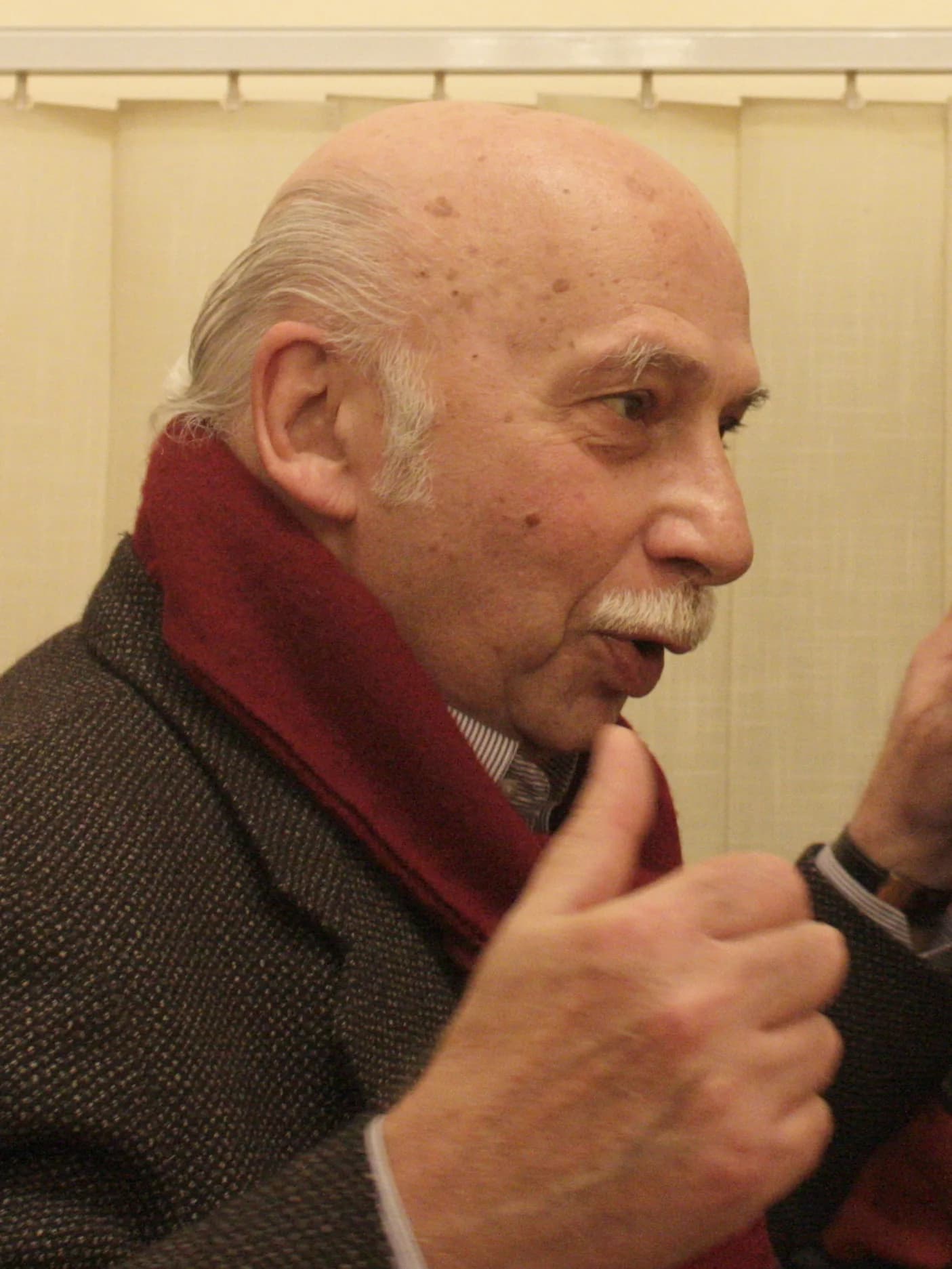
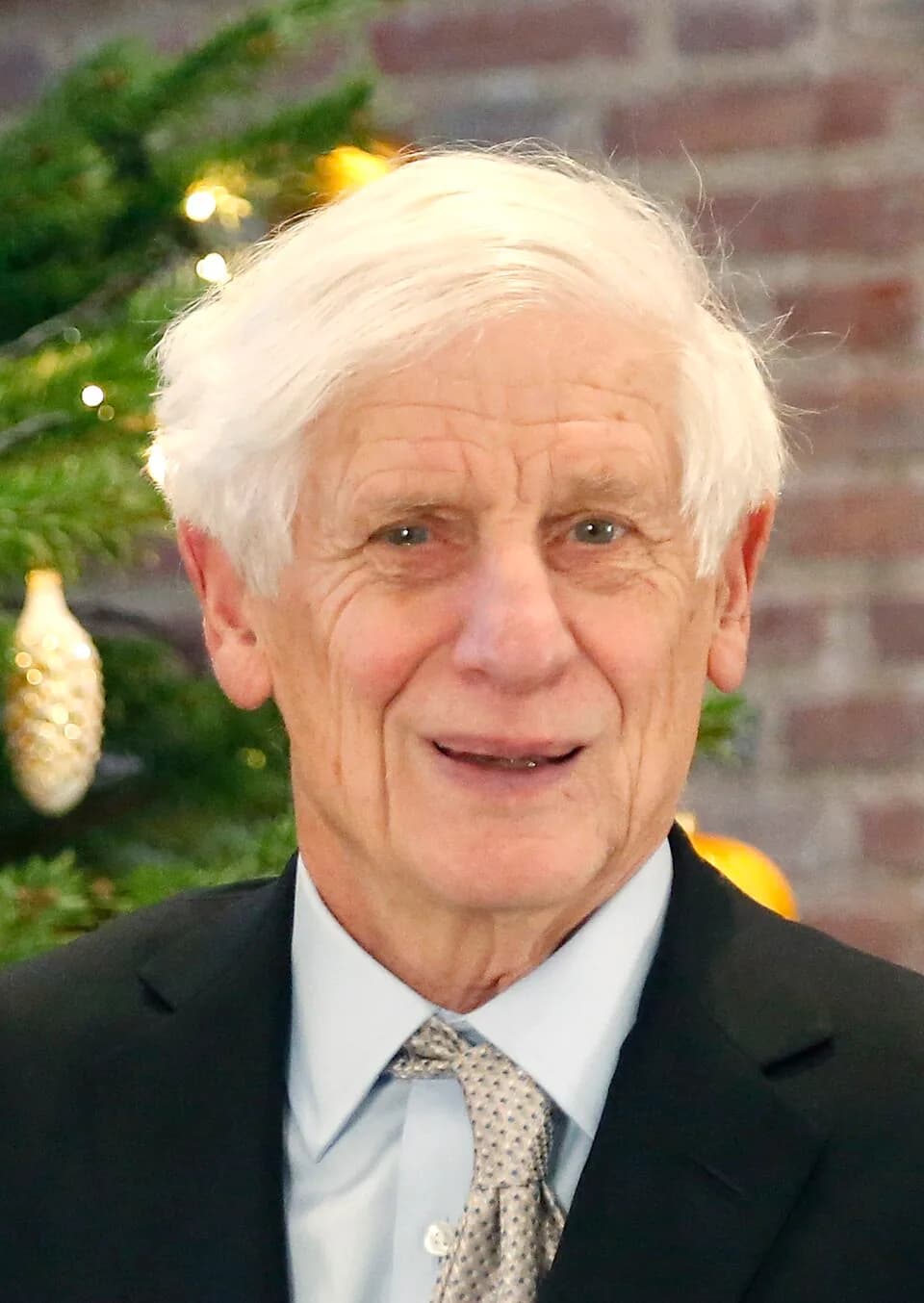
David James Thouless (September 21, 1934 – April 6, 2019) was a British condensed-matter physicist from Bearsden, United Kingdom. He won the 2016 Nobel Prize in Physics for theoretical discoveries of topological phase transitions and topological phases of matter. His work revolutionized understanding of quantum materials.
Una vida en moments
Els moments que van marcar una vida
Capítol
Capítols de la vida
Capítol 1 · 1934· Capítol 1 de 6
Early Life and Origins
David James Thouless was born on September 21, 1934, in Bearsden, a suburb of Glasgow, Scotland. Growing up in the United Kingdom during the 1930s and 1940s, he witnessed the transformation of physics through quantum mechanics and the emergence of solid-state physics as a major field. His early education laid the groundwork for what would become a distinguished career in theoretical physics, though the specific details of his family background and formative years shaped his analytical approach to complex physical problems.
Capítol 2· Capítol 2 de 6
Career Beginnings
Thouless began his professional journey as a physicist specializing in condensed-matter theory, a field that examines the physical properties of solid and liquid phases of matter. His early work focused on nuclear physics, establishing him as both a nuclear physicist and university teacher. The combination of theoretical expertise and teaching responsibilities would characterize much of his career, as he balanced original research with educating the next generation of physicists.
Capítol 3 · 2016· Capítol 3 de 6
Major Achievements and Career Highlights
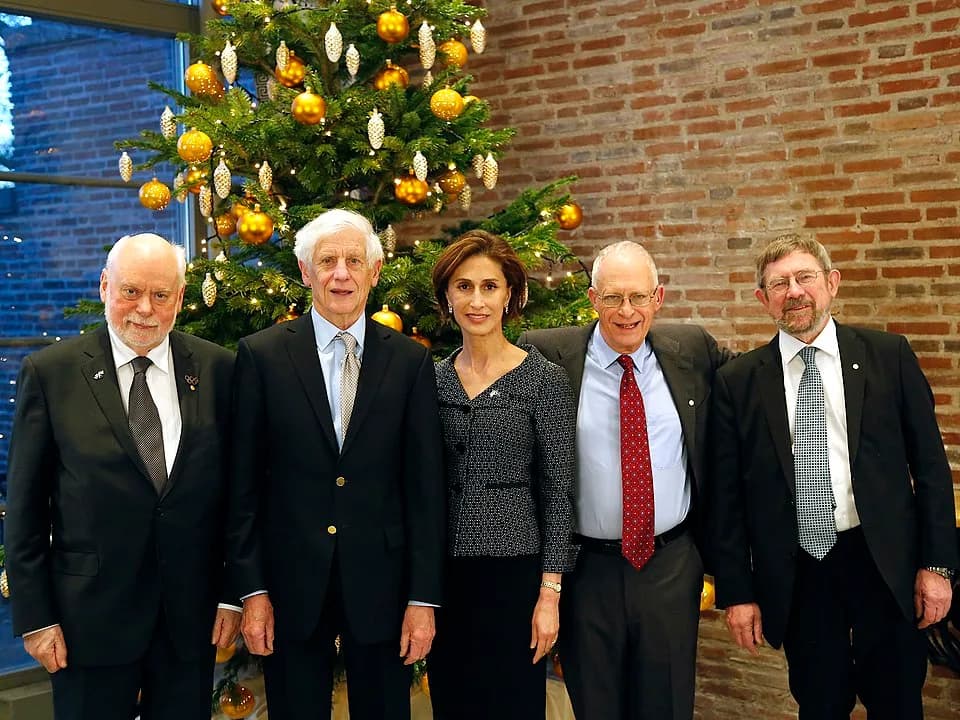
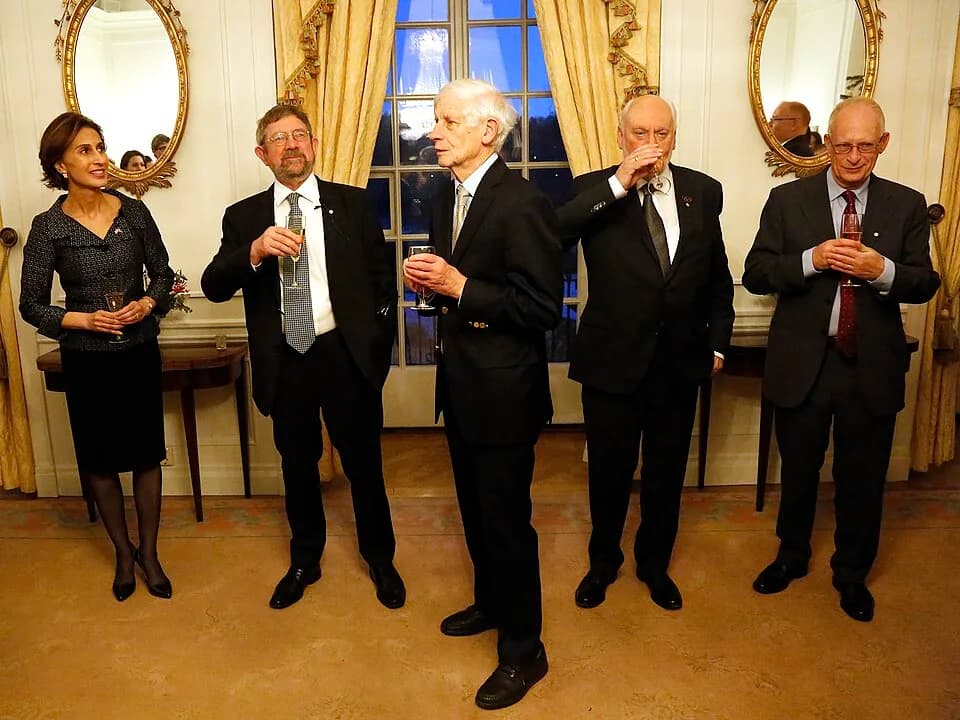
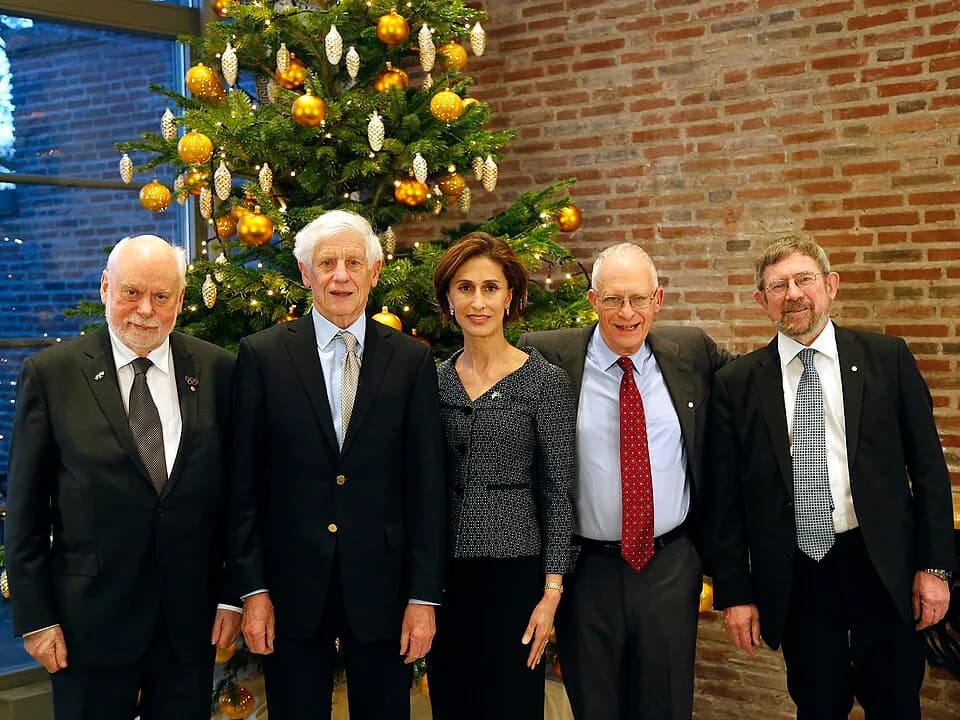
The pinnacle of Thouless's career came with his 2016 Nobel Prize in Physics, which he shared with F. Duncan M. Haldane and J. Michael Kosterlitz. The Nobel Committee recognized their "theoretical discoveries of topological phase transitions and topological phases of matter," work that revolutionized understanding of quantum states and phase transitions. This research introduced mathematical concepts from topology into condensed-matter physics, creating new ways to classify and understand quantum materials.
Earlier recognition of his contributions came through the 1990 Wolf Prize, one of the most prestigious awards in physics. This honor acknowledged his fundamental contributions to theoretical physics decades before the Nobel Prize brought his work to broader public attention. His research laid the theoretical groundwork for understanding exotic states of matter that couldn't be explained by conventional physics.
Capítol 4· Capítol 4 de 6
Notable Works and Contributions
Thouless's most significant contribution involved applying topological mathematics to understand phase transitions in condensed matter systems. His theoretical framework explained how certain materials could exhibit quantum properties that remained stable despite local disturbances, a concept now known as topological protection. This work proved essential for understanding phenomena like the quantum Hall effect and superconductivity in two-dimensional materials.
His collaboration with Kosterlitz produced what became known as the Kosterlitz-Thouless transition, a type of phase transition in two-dimensional systems. This theoretical prediction explained how materials could undergo sudden changes in their physical properties at specific temperatures, providing insights into superfluidity and other quantum phenomena. The mathematical elegance of their approach demonstrated how abstract mathematical concepts could illuminate real physical processes.
Capítol 5· Capítol 5 de 6
Later Years
Throughout his later career, Thouless continued his work as both a researcher and university teacher, maintaining active involvement in the physics community. His theoretical discoveries gained increasing recognition as experimental techniques advanced enough to observe the phenomena he had predicted mathematically. The years leading up to his Nobel Prize saw growing appreciation for how his early work anticipated major developments in quantum materials research.
Thouless remained active in physics until his death on April 6, 2019, in Cambridge, United Kingdom. His final years witnessed the practical applications of his theoretical insights beginning to emerge in quantum computing and advanced materials research, validating decades of abstract mathematical work with concrete technological possibilities.
Capítol 6· Capítol 6 de 6
Legacy and Impact
David Thouless transformed condensed-matter physics by introducing topological concepts that continue to drive research in quantum materials and quantum computing. His theoretical framework provided the foundation for understanding topological insulators, quantum spin liquids, and other exotic states of matter that are now central to modern physics research. The mathematical tools he developed remain essential for researchers working on next-generation quantum technologies.
His influence extends beyond specific discoveries to the broader approach of using advanced mathematics to understand physical phenomena. Thouless demonstrated how seemingly abstract mathematical concepts could provide deep insights into the behavior of real materials, inspiring a generation of theoretical physicists to explore connections between mathematics and physics. His work continues to influence research directions in quantum physics, materials science, and quantum information theory, ensuring his contributions will shape physics for decades to come.
FAQ
Preguntes freqüents
Quan va morir David J. Thouless?
David J. Thouless va morir el 6 d’abril del 2019 a Cambridge, United Kingdom, als 84 anys.
On va néixer David J. Thouless?
David J. Thouless va néixer a Bearsden, United Kingdom el 21 de setembre del 1934.
Per què és més conegut/da David J. Thouless?
David J. Thouless és conegut/da sobretot per British physicist.
Quants anys tenia David J. Thouless quan va morir?
David J. Thouless tenia 84 anys en el moment de la seva mort.
Quina nacionalitat tenia David J. Thouless?
David J. Thouless era de United Kingdom.
Cronologia
La vida en un cop d'ull
Galeria de fotos
Una vida en imatges
Feu clic a qualsevol polaroid per ampliar · 22 fotos
Codi QR
Comparteix aquesta biografia
Imprimeix i comparteix
Escaneja per visitar aquesta pàgina de biografia. Imprimeix per a esdeveniments, exposicions o materials educatius.