Nascut
January 20, 1716
Madrid, Spain
Mort
December 14, 1788
Madrid, Spain
Conegut per
King of Spain from 1759 to 1788
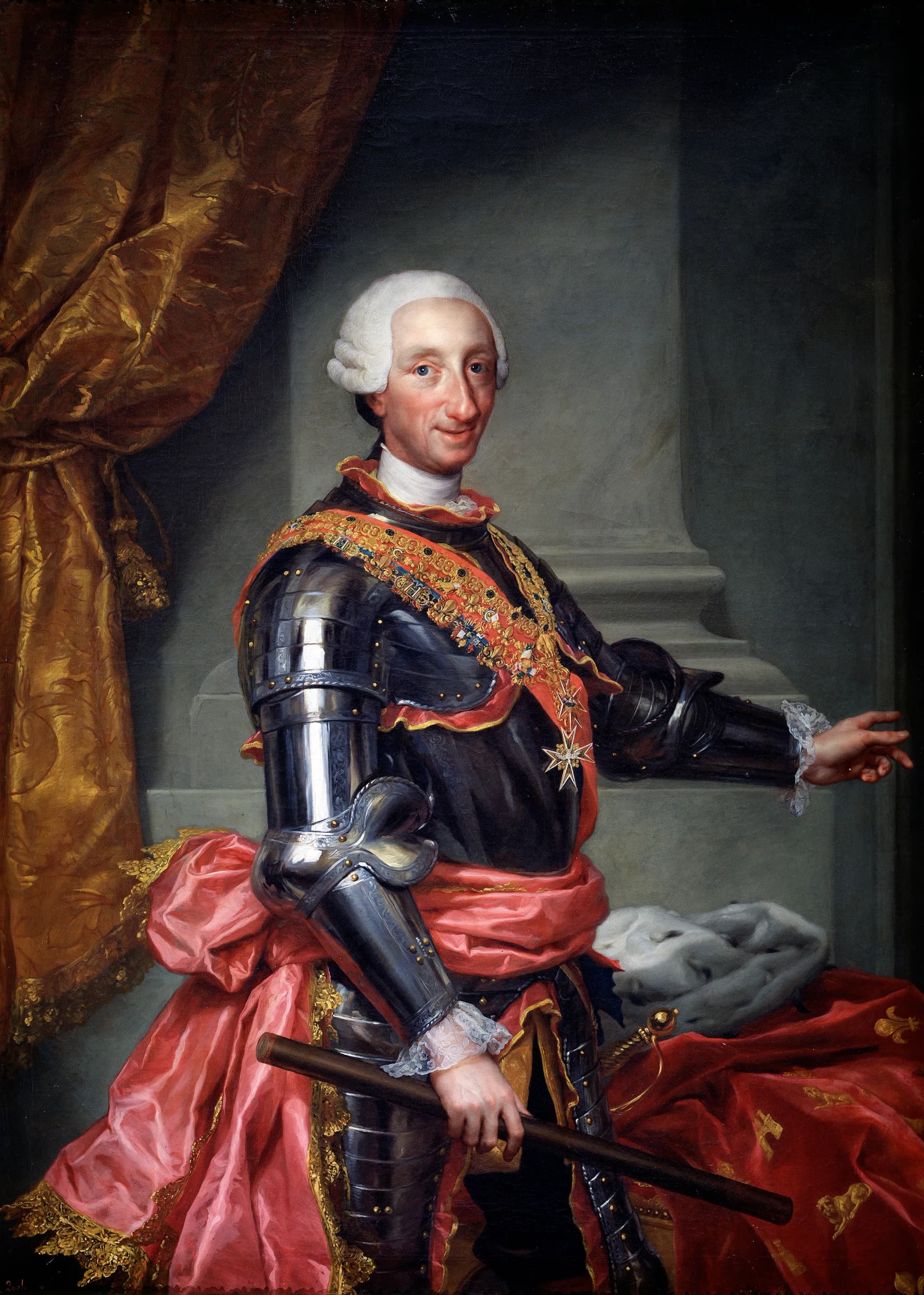
Charles III of Spain (1716–1788) was Spain best known for King of Spain from 1759 to 1788.
Charles III (January 20, 1716 – December 14, 1788) was a ruler from Spain. He reigned as King of Spain, having previously served as Duke of Parma and King of Naples and Sicily. Known for his enlightened reforms, he modernized the Spanish Empire and strengthened its state power.
Una vida en moments
Els moments que van marcar una vida
Capítol
Capítols de la vida
Capítol 1 · 1716· Capítol 1 de 3
A Royal Engagement, and Early Ambition
Born into the Spanish royal family in 1716, Charles was not initially expected to inherit the Spanish throne. His ambitious mother, Elisabeth Farnese, instead secured for him the Duchy of Parma and Piacenza, which he took control of at age fifteen. Her dynastic drive then led him on a bold military campaign through Italy. At just eighteen, Charles led Spanish troops in an almost entirely bloodless march that seized the Kingdoms of Naples and Sicily. For the next 25 years, he would gain invaluable experience ruling in Italy, a period that deeply informed the policies he would later implement in Spain. He was welcomed in Parma with the hopeful motto: Parma Resurget, or “Parma shall rise again.”
Capítol 2 · 1759· Capítol 2 de 3
From Naples to Madrid
In 1759, Charles ascended to the Spanish throne upon the death of his childless half-brother Ferdinand VI, becoming Charles III of Spain. He brought with him a wealth of experience and a clear vision for reform. He was a committed proponent of enlightened absolutism, believing in the power of the state to drive progress. Charles set out to strengthen the crown, modernize the economy, and enhance Spain's position on the world stage. He facilitated trade and commerce, revitalized silver mining, and sought to modernize agriculture and land tenure, aiming to increase revenue and state control.
Capítol 3· Capítol 3 de 3
An Enlightened Reign
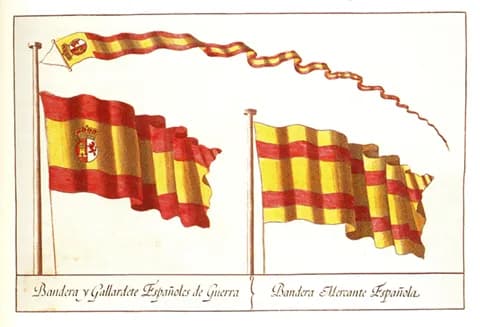
During his thirty-year reign, Charles championed science and university research, fostering the Enlightenment across Spain. He also tackled the powerful influence of the Church, implementing regalist policies that culminated in the controversial expulsion of the Jesuits from the Spanish Empire. He strengthened both the Spanish Army and the Spanish Navy, defending against foreign incursions and expanding state power. While financial control remained a challenge, his reforms proved largely successful in securing increased revenue for the crown and leaving a lasting legacy of modernization. As historian John Lynch noted, Spaniards had to wait half a century before their government was rescued by Charles III, a ruler who provided firm, consistent, and intelligent leadership, earning the respect of his people through his capable ministers and personal integrity.
FAQ
Preguntes freqüents
Quan va morir Charles III of Spain?
Charles III of Spain va morir el 14 de desembre del 1788 a Madrid, Spain, als 72 anys.
On va néixer Charles III of Spain?
Charles III of Spain va néixer a Madrid, Spain el 20 de gener del 1716.
Per què és més conegut/da Charles III of Spain?
Charles III of Spain és conegut/da sobretot per King of Spain from 1759 to 1788.
Quants anys tenia Charles III of Spain quan va morir?
Charles III of Spain tenia 72 anys en el moment de la seva mort.
Quina nacionalitat tenia Charles III of Spain?
Charles III of Spain era de Spain.
Cronologia
La vida en un cop d'ull
Galeria de fotos
Una vida en imatges
Feu clic a qualsevol polaroid per ampliar · 48 fotos
Codi QR
Comparteix aquesta biografia
Imprimeix i comparteix
Escaneja per visitar aquesta pàgina de biografia. Imprimeix per a esdeveniments, exposicions o materials educatius.