Nascut
July 10, 1830
Charlotte Amalie, United States
Mort
November 13, 1903
Paris, France
Conegut per
Danish-French painter
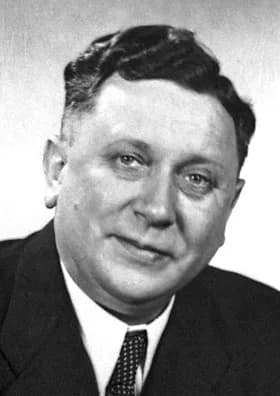
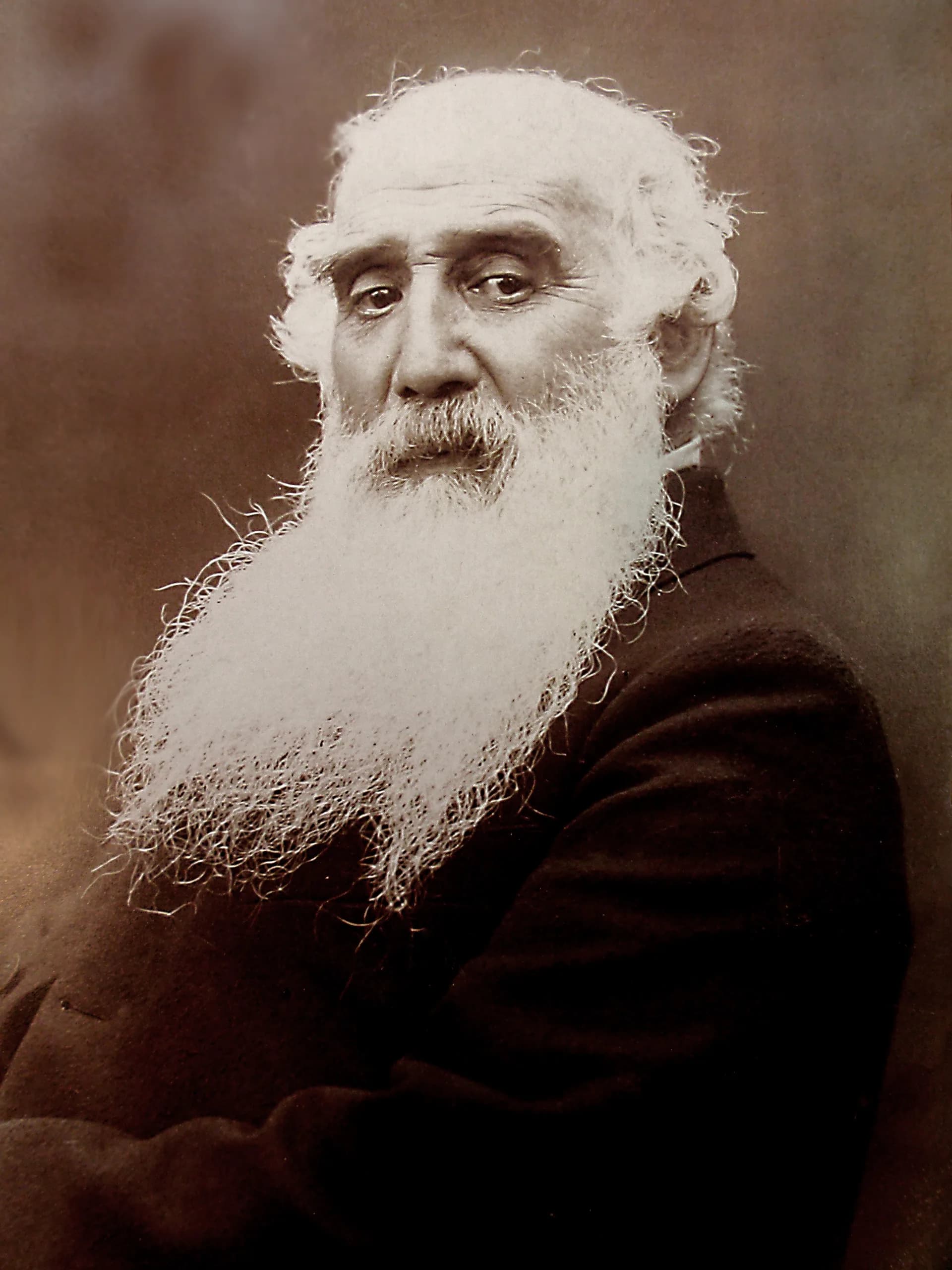
Camille Pissarro (1830–1903) was United States best known for Danish-French painter.
Jacob Abraham Camille Pissarro (1830-1903) was a Danish-French Impressionist and Neo-Impressionist painter born on Saint Thomas island. He contributed significantly to both Impressionism and Post-Impressionism, studying under masters like Courbet and Corot. His artistic evolution and mentorship helped shape modern landscape painting.
Una vida en moments
Els moments que van marcar una vida
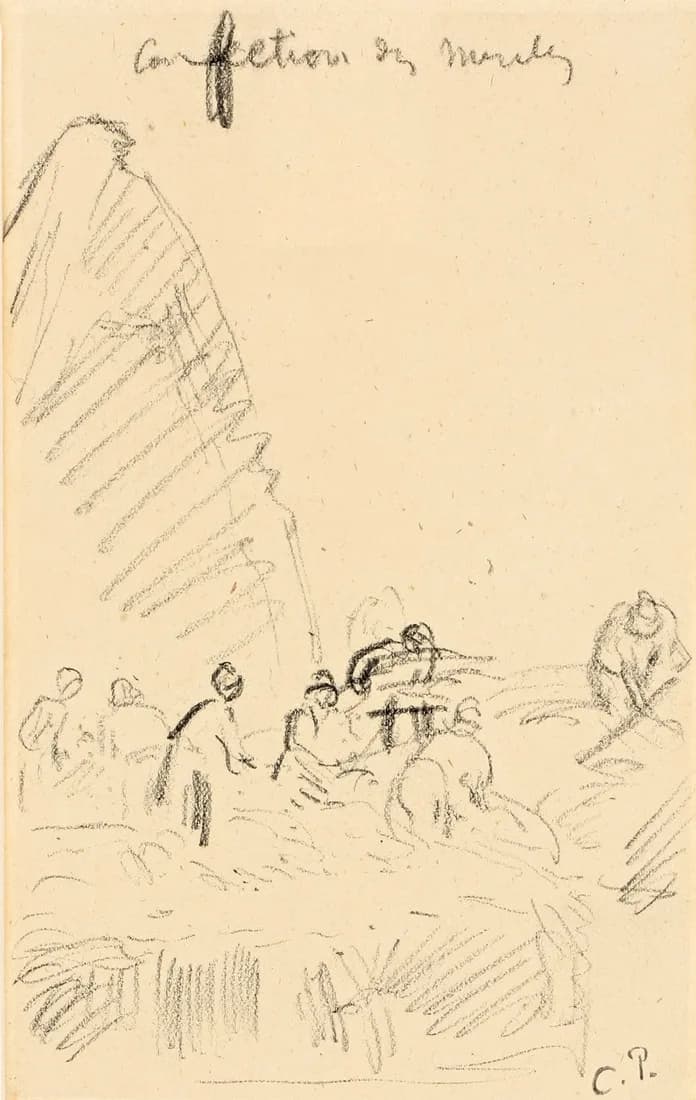
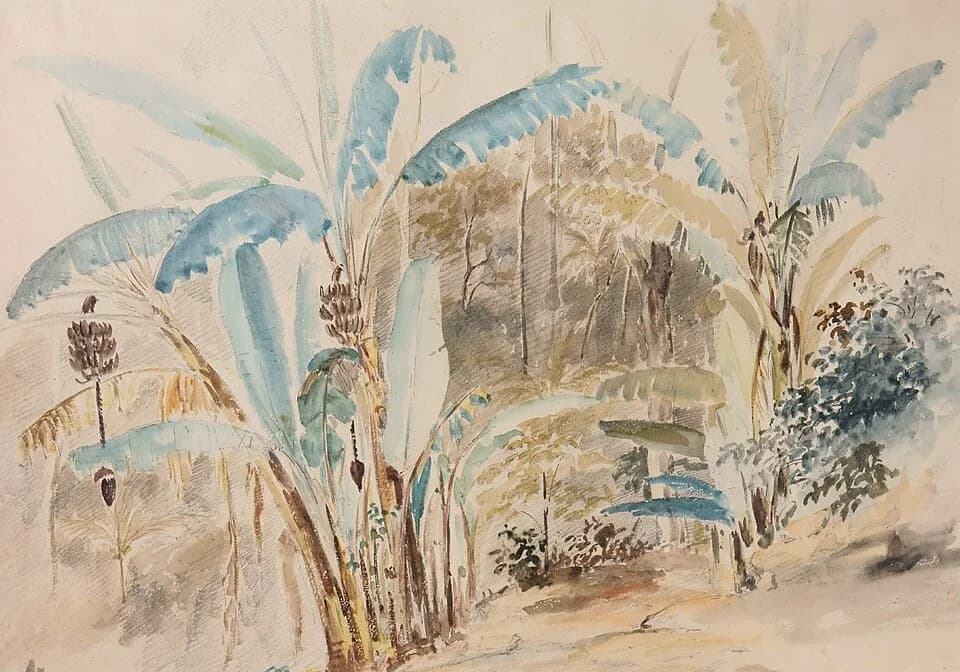
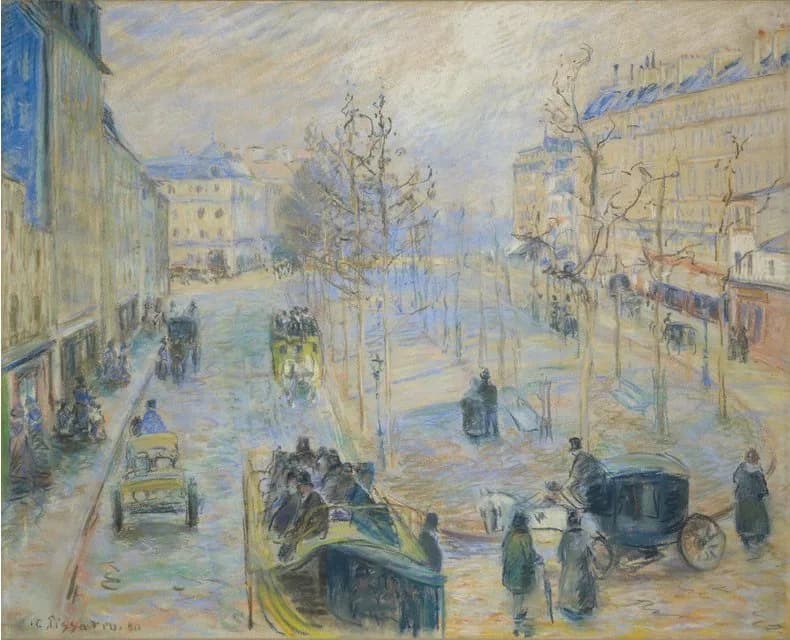
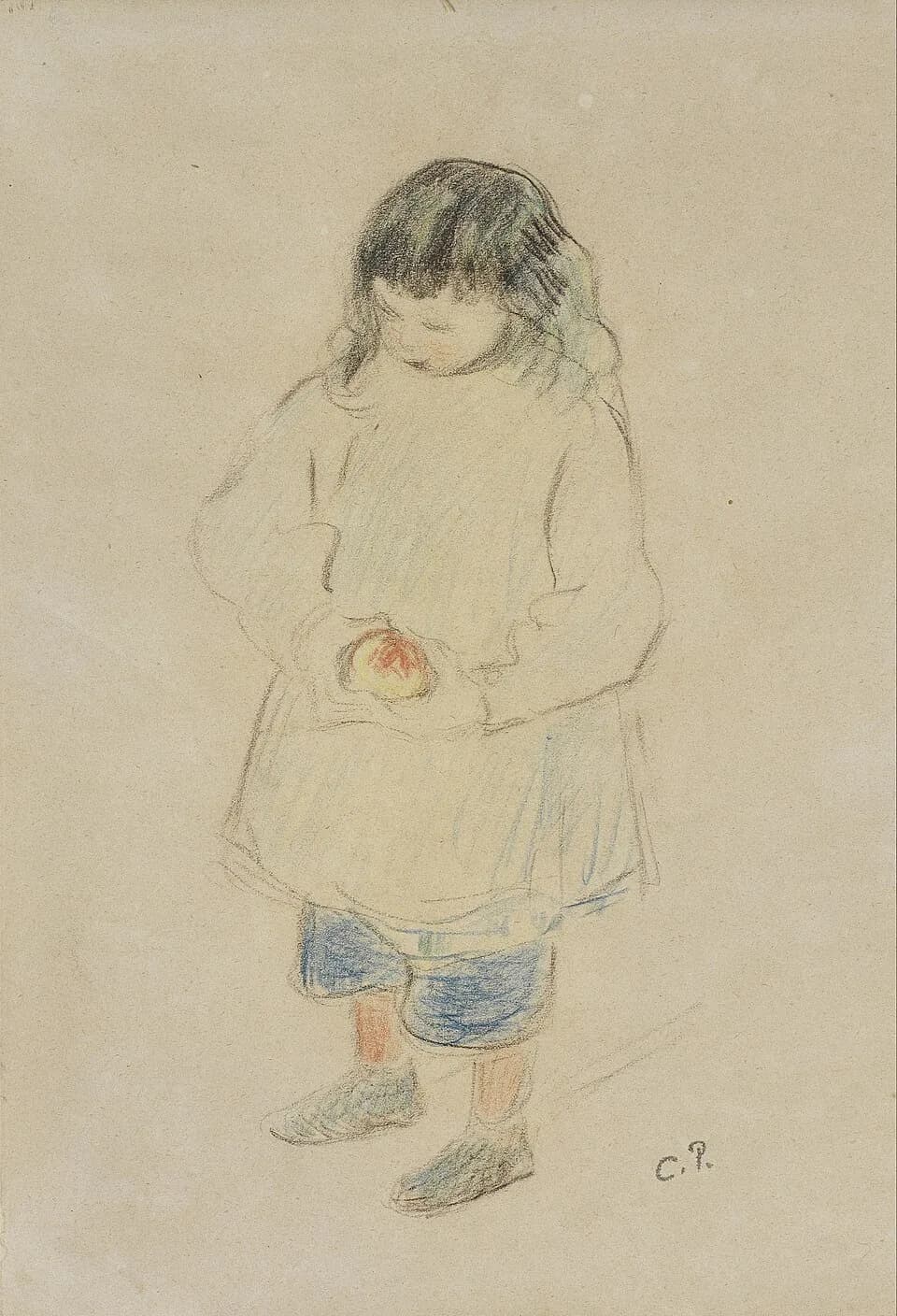
Capítol
Capítols de la vida
Capítol 1 · 1830· Capítol 1 de 7
Early Life and Origins
Camille Pissarro was born on July 10, 1830, in Charlotte Amalie on the island of Saint Thomas, then part of the Danish West Indies. His early years in the Caribbean exposed him to brilliant tropical light and vibrant landscapes that would later influence his approach to color and atmosphere. The island setting provided young Pissarro with his first understanding of how light transforms the appearance of natural forms throughout the day.
Growing up in this unique cultural crossroads, Pissarro developed an appreciation for diverse perspectives and ways of seeing the world. His family's merchant background gave him exposure to international trade and travel, experiences that would prove valuable when he later moved to France to pursue his artistic education. The combination of Caribbean light, international influences, and his family's support created the foundation for his future artistic endeavors.
Capítol 2· Capítol 2 de 7
Career Beginnings
Pissarro's formal artistic education began when he studied under the great masters Gustave Courbet and Jean-Baptiste-Camille Corot. From Courbet, he learned the importance of painting directly from nature and capturing authentic moments of daily life. Corot taught him about atmospheric effects and the subtle gradations of light that could transform an ordinary landscape into something magical.
These early mentors shaped Pissarro's fundamental approach to painting, emphasizing observation over idealization. He learned to see beyond surface appearances and capture the fleeting effects of weather, season, and time of day. This training period established his lifelong commitment to plein air painting and his belief that artists should work directly from their subjects rather than relying solely on studio compositions.
Capítol 3 · 1866· Capítol 3 de 7
Major Achievements and Career Highlights
Pissarro's career reached new heights when he became a founding member of the Impressionist movement in the 1870s. His painting "The Banks of the Marne in Winter" (1866) demonstrated his early mastery of capturing seasonal effects and atmospheric conditions. "Snow at Louveciennes" (c. 1870) showcased his ability to render the subtle color variations within seemingly monochromatic winter scenes.
His participation in the first Impressionist exhibition in 1874 marked a turning point in art history. Works like "Jalais Hill, Pontoise" (1867) and "The Crystal Palace" (1871) revealed his sophisticated understanding of how industrial and rural landscapes could coexist in modern French society. "Rabbit Warren at Pontoise, Snow" (1879) further established his reputation as a master of winter scenes and rural subjects.
At age 54, Pissarro made a bold artistic transition when he began working alongside Georges Seurat and Paul Signac, adopting the Neo-Impressionist style. This late-career evolution demonstrated his continued willingness to experiment and grow as an artist. His Neo-Impressionist works, including "Two Young Peasant Women" (1891-92) and "Haymaking at Éragny" (1892), showed how he could adapt pointillist techniques while maintaining his unique artistic voice.
Capítol 4· Capítol 4 de 7
Personal Life
Throughout his career, Pissarro maintained strong connections to rural French communities, particularly around Pontoise and Éragny. He chose to live and work in these agricultural areas, building relationships with local farmers and workers who frequently appeared in his paintings. His commitment to depicting honest rural labor distinguished him from many of his Impressionist colleagues who preferred urban subjects.
Pissarro's family life centered around his artistic practice, with several of his children also becoming artists. His home studios in various French villages became gathering places for younger painters seeking guidance and mentorship. He was known for his generous spirit and willingness to share technical knowledge with emerging artists, helping to spread Impressionist techniques throughout France and beyond.
Capítol 5 · 1899· Capítol 5 de 7
Notable Works and Contributions
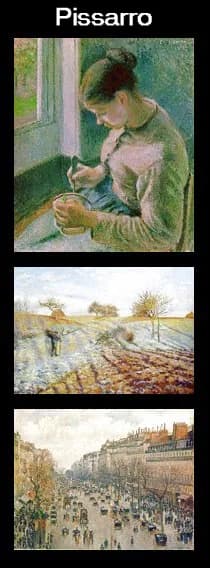
Pissarro's masterpiece "The Garden of the Tuileries on a Spring Morning" (1899) exemplifies his mature style, combining Impressionist light effects with careful compositional structure. "Young Peasant Having Her Coffee" (1881) and "Woman and Child at the Well" (1882) demonstrate his ability to find dignity and beauty in everyday rural activities. These works now hang in major museums, including the Art Institute of Chicago.
"The Place du Havre, Paris" (1893) represents his occasional urban subjects, showing how he could apply his landscape techniques to city scenes. "Woman Bathing Her Feet in a Brook" (1895) and "Woman Mending" (1895) continued his lifelong interest in depicting women's daily activities with respect and artistic sophistication. "Still Life with Apples and Pitcher" (1872) proved his versatility extended beyond landscapes to intimate interior subjects.
Capítol 6 · 1899· Capítol 6 de 7
Later Years
Pissarro's final decade brought international recognition and museum acquisitions of his work. "Haystacks, Morning, Eragny" (1899), painted when he was nearly 70, shows no diminishment of his observational powers or technical skill. He continued working outdoors despite advancing age, maintaining his commitment to direct observation of natural effects.
His later paintings often focused on the area around Éragny, where he had settled permanently. These final works synthesized everything he had learned about light, color, and composition over five decades of painting. Even as his eyesight began to fail, he adapted his techniques rather than abandoning his artistic practice, demonstrating the same innovative spirit that had characterized his entire career.
Capítol 7 · 1903· Capítol 7 de 7
Legacy and Impact
Camille Pissarro died on November 13, 1903, in Paris, leaving behind a body of work that continues to influence artists today. His paintings hang in the Metropolitan Museum of Art, the Art Institute of Chicago, and major museums worldwide. His technique of capturing specific lighting conditions at particular times of day became a cornerstone of modern landscape painting.
Pissarro's willingness to evolve artistically, from his Impressionist beginnings through his Neo-Impressionist period, established a model for artistic growth and experimentation. His mentorship of younger artists helped ensure that Impressionist techniques and philosophies continued developing long after the original movement ended. Today, his paintings remain among the most studied and celebrated examples of 19th-century French art.
FAQ
Preguntes freqüents
Quan va morir Camille Pissarro?
Camille Pissarro va morir el 13 de novembre del 1903 a Paris, France, als 73 anys.
On va néixer Camille Pissarro?
Camille Pissarro va néixer a Charlotte Amalie, United States el 10 de juliol del 1830.
Per què és més conegut/da Camille Pissarro?
Camille Pissarro és conegut/da sobretot per Danish-French painter.
Quants anys tenia Camille Pissarro quan va morir?
Camille Pissarro tenia 73 anys en el moment de la seva mort.
Quina nacionalitat tenia Camille Pissarro?
Camille Pissarro era de United States.
Cronologia
La vida en un cop d'ull
Galeria de fotos
Una vida en imatges
Feu clic a qualsevol polaroid per ampliar · 49 fotos
Codi QR
Comparteix aquesta biografia
Imprimeix i comparteix
Escaneja per visitar aquesta pàgina de biografia. Imprimeix per a esdeveniments, exposicions o materials educatius.