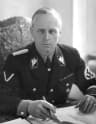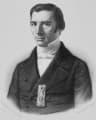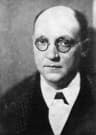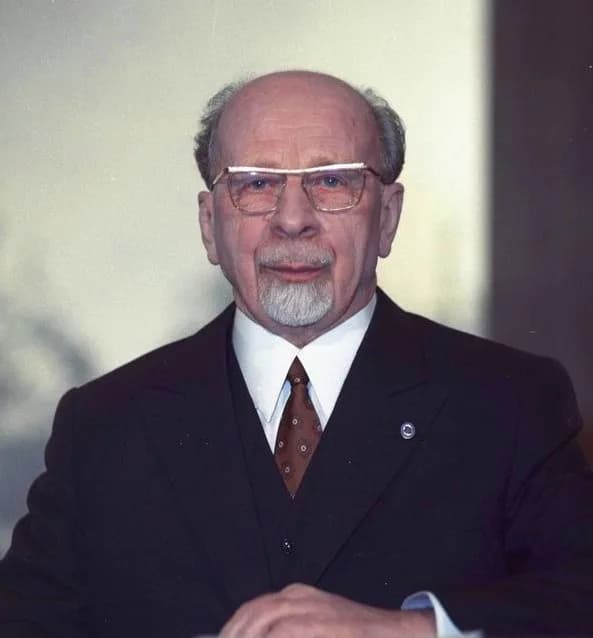
Rođen/a
June 30, 1893
Leipzig, Electorate of Saxony
Umro/la
August 1, 1973
Groß Dölln, Germany
Poznat/a po
German communist politician and dictator
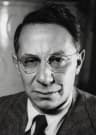
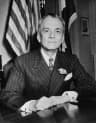
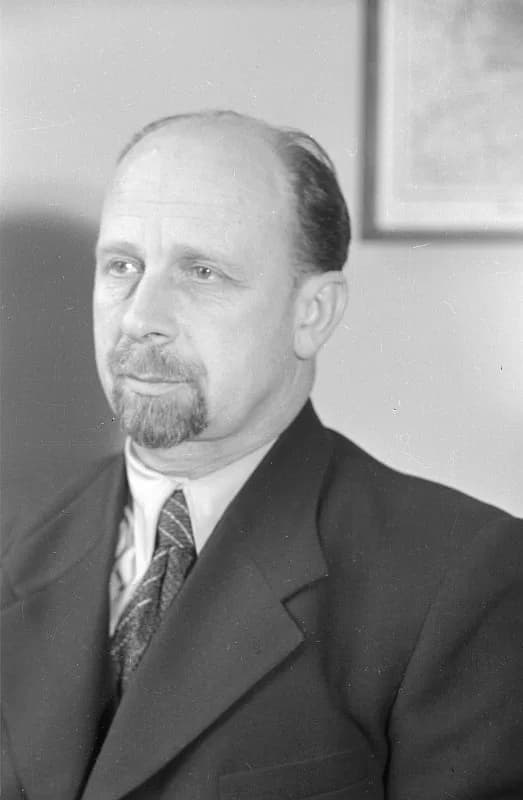
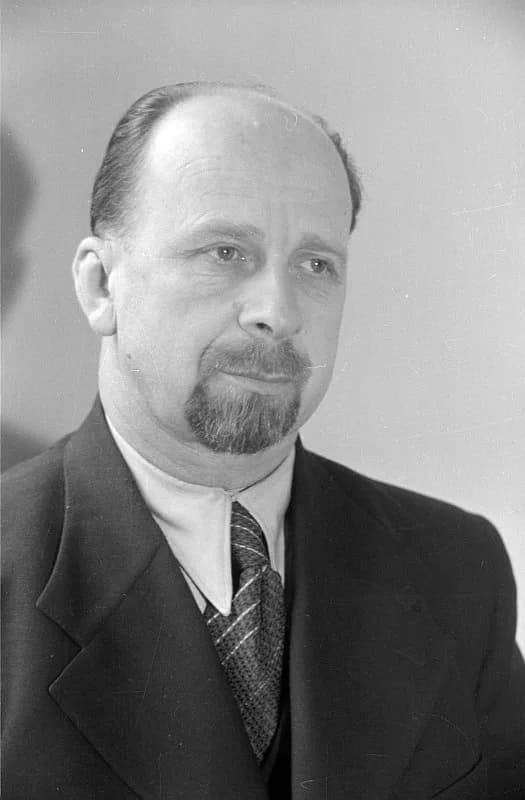
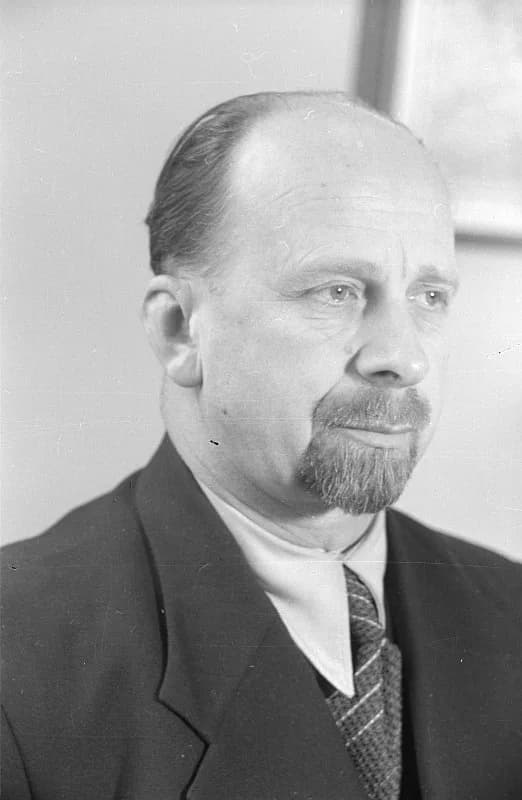
Walter Ulbricht (1893–1973) was Electorate of Saxony best known for German communist politician and dictator.
Walter Ulbricht (June 30, 1893 – August 1, 1973) was a German communist politician and revolutionary from Leipzig. He played a leading role in the creation and establishment of the German Democratic Republic. Ulbricht served as its chief decision-maker and head of state for decades, profoundly shaping its early development.
Poglavlje
Životna poglavlja
Poglavlje 1 · 1893· Poglavlje 1 od 7
Early Life and Origins
Walter Ulbricht was born on June 30, 1893, in Leipzig, a historically significant city located within what was then the Electorate of Saxony. His formative years unfolded amidst a period of rapid industrialization and considerable social upheaval across Germany. Early in his life, Ulbricht pursued a practical trade, successfully completing his apprenticeship and becoming a joiner. This direct experience within the working class deeply informed his political consciousness and commitment to the burgeoning socialist and communist movements of the time, grounding his perspective in the realities faced by industrial laborers.
Growing up in Leipzig, a city with a strong tradition of political activism and intellectual discourse, provided a fertile environment for Ulbricht’s radicalization. His background as a skilled tradesman connected him directly to the aspirations and grievances of ordinary people, a connection that would become a cornerstone of his political identity. These early experiences undoubtedly fueled his dedication to revolutionary ideals and set him on a path that would see him become one of Germany’s most influential communist figures.
Poglavlje 2· Poglavlje 2 od 7
Career Beginnings
Ulbricht's political engagement began early in his adult life, marked by his staunch commitment to communist ideology and his active participation in resistance movements. He emerged as a key figure in the foundational stages of the Weimar-era Communist Party of Germany, known by its German acronym KPD. His contributions were essential in guiding the party through its initial organizational challenges and in defining its programmatic direction during a volatile interwar period. This early leadership established him as a disciplined and determined force within the German communist landscape.
His work in creating the KPD was not merely administrative; it involved active revolutionary efforts and resistance activities, solidifying his reputation as a dedicated communist. This period saw him contributing significantly to the ideological framework and practical operations of the party. The skills in organization and political maneuvering he honed during these nascent years proved vital for his later rise to prominence and his eventual leadership of the German Democratic Republic.
Poglavlje 3 · 1950· Poglavlje 3 od 7
Major Achievements and Career Highlights
Walter Ulbricht's career reached its zenith with his long tenure as a central figure in the German Democratic Republic. From 1950 to 1971, he served as the First Secretary of the Communist Socialist Unity Party, or SED, the ruling party of East Germany. In this capacity, he functioned as the paramount chief decision-maker, overseeing and directing the vast apparatus of the state and party for over two decades. His extensive influence shaped all facets of East German policy, from economic planning to cultural directives, making him the nation’s undisputed leader during its formative years.
Further cementing his authority, Ulbricht assumed the role of East German head of state following the death of President Wilhelm Pieck in 1960. He continued to hold this supreme national position, combining both party and state leadership, until his own passing in 1973. This consolidation of power underscored his singular importance in the East German political system, allowing him to guide the nation’s development and reinforce its socialist structure. His steadfast commitment was crucial to the early development and the ultimate establishment of the German Democratic Republic as a distinct sovereign entity.
A significant characteristic of Ulbricht’s leadership was his strategic ability to negotiate with the Soviet Union, demonstrating a degree of bargaining power with the Kremlin that was unusual for a satellite state leader. He used this influence effectively to advance what he perceived as East German interests. Perhaps the most striking illustration of this was his demand for the building of the Berlin Wall in 1961. This controversial measure, which effectively sealed off West Berlin, was implemented despite initial reluctance from the Soviet leadership, highlighting Ulbricht’s determination and his persuasive capabilities on the international stage. The construction of the Wall remains a stark symbol of his firm leadership and a defining event of the Cold War era.
Poglavlje 4· Poglavlje 4 od 7
Personal Life
While Walter Ulbricht's public life was extensively documented through his significant political actions and his decades-long leadership roles, specific detailed information regarding his personal life, family relationships, or private interests is not available within the provided summary. His historical record primarily focuses on his extensive and defining contributions to the communist movement and the German Democratic Republic. Ulbricht's public persona was inextricably linked with his political duties, placing his state service at the forefront of his biographical narrative.
The intensity of his political career, spanning both revolutionary movements and the leadership of a new state, suggests a life largely dedicated to public and party affairs. The absence of specific anecdotes about his private life in the provided information points to an emphasis on his professional and political identity as the defining characteristic of his legacy.
Poglavlje 5· Poglavlje 5 od 7
Notable Works or Contributions
Walter Ulbricht’s contributions were primarily manifested through his organizational genius and his relentless pursuit of political goals, rather than through traditional academic or artistic “works.” His initial involvement in shaping the Communist Party of Germany was a critical organizational undertaking, establishing a foundational structure for communist political activity in Weimar Germany. This early effort provided the practical and ideological groundwork for his subsequent larger role.
His most significant “work” was arguably the actual construction and guidance of the German Democratic Republic itself. As First Secretary of the Communist Socialist Unity Party from 1950, and then as head of state from 1960, Ulbricht was the principal architect of the East German state’s development. His directives and policies, implemented over decades, defined its political system, economic model, and social norms. The strategic decision to demand the building of the Berlin Wall in 1961 stands as a singularly concrete, though globally controversial, contribution that profoundly reshaped the landscape of post-war Germany and became an enduring emblem of Cold War divisions. This act solidified his reputation as a leader willing to take drastic measures to preserve the East German state.
Poglavlje 6 · 1971· Poglavlje 6 od 7
Later Years
Even in his later years, Walter Ulbricht remained a figure of significant authority within East Germany. Although he relinquished his position as First Secretary of the Communist Socialist Unity Party in 1971, his influence persisted. He continued to serve as the East German head of state, maintaining a ceremonial yet profoundly symbolic leadership role. This continuity ensured that his vision and principles remained central to the state's identity even as younger leaders began to emerge.
He held the position of head of state until his death on August 1, 1973. His passing occurred in Groß Dölln, Germany, marking the end of a political career that had spanned over five decades, from his revolutionary youth to his long command of a nation. His final years were a period of continued symbolic importance, underscoring the stability and established nature of the German Democratic Republic under his enduring leadership.
Poglavlje 7· Poglavlje 7 od 7
Legacy and Impact
Walter Ulbricht’s legacy is undeniably intertwined with the very existence and trajectory of the German Democratic Republic. His unwavering commitment to communist principles guided his entire political life, from his origins as a joiner in Leipzig to his eventual role as the longest-serving leader of East Germany. As the chief decision-maker for many decades, he was instrumental in shaping the institutional, social, and economic frameworks that defined the new socialist state, setting its course for generations.
His leadership positioned East Germany as a critical Communist satellite within the broader Soviet sphere, balancing its national interests with the realities of Cold War geopolitics. Ulbricht’s ability to assert East German positions, even in negotiations with the powerful Kremlin—exemplified by his successful demand for the Berlin Wall—demonstrated a leader with strategic resolve. His actions, particularly the construction of the Berlin Wall in 1961, created a definitive physical and ideological division that had enormous repercussions for both German reunification and the global Cold War. His life and work are thus central to understanding a significant chapter in 20th-century history.
Život u trenucima
Trenuci koji su oblikovali život
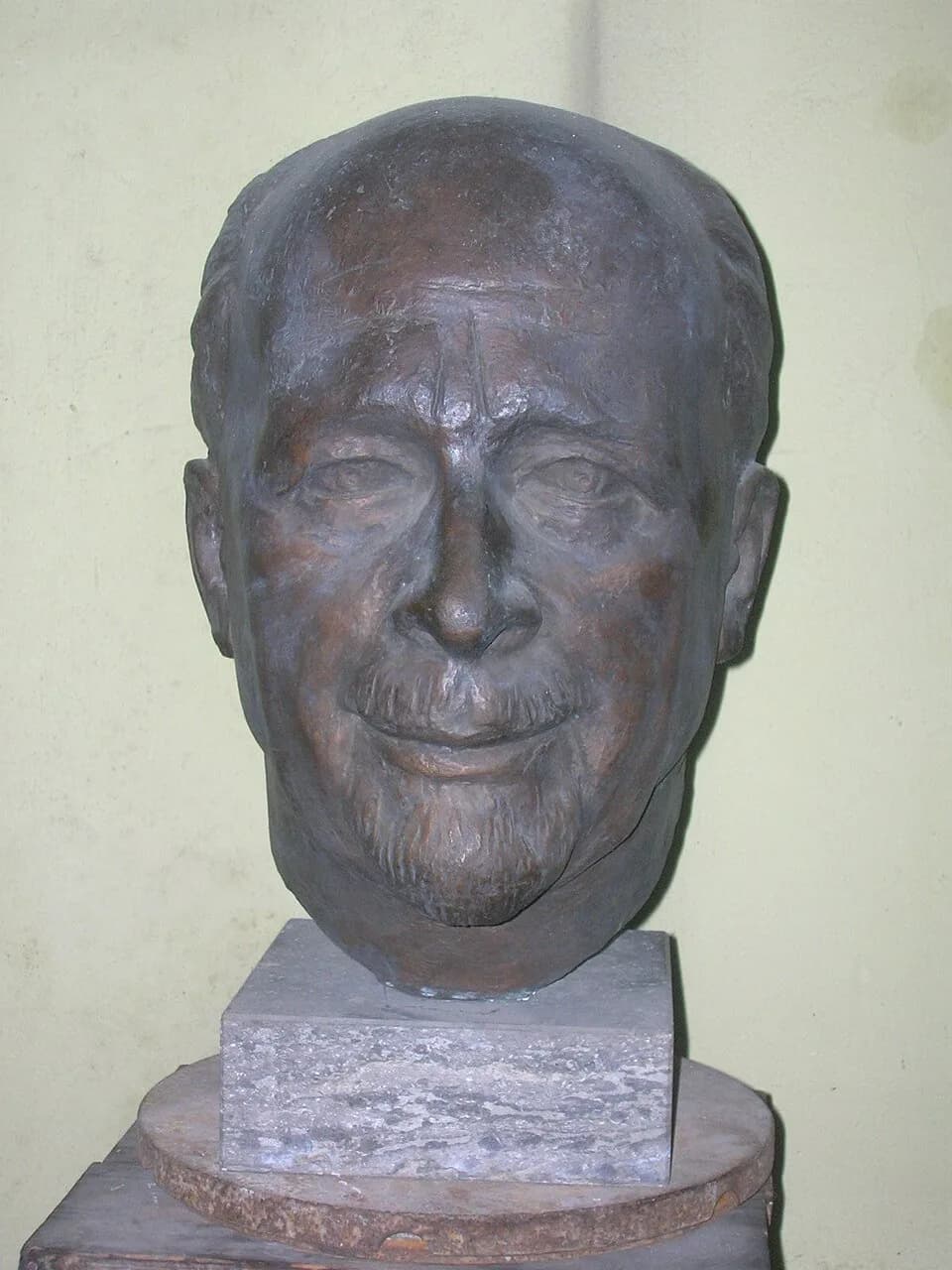
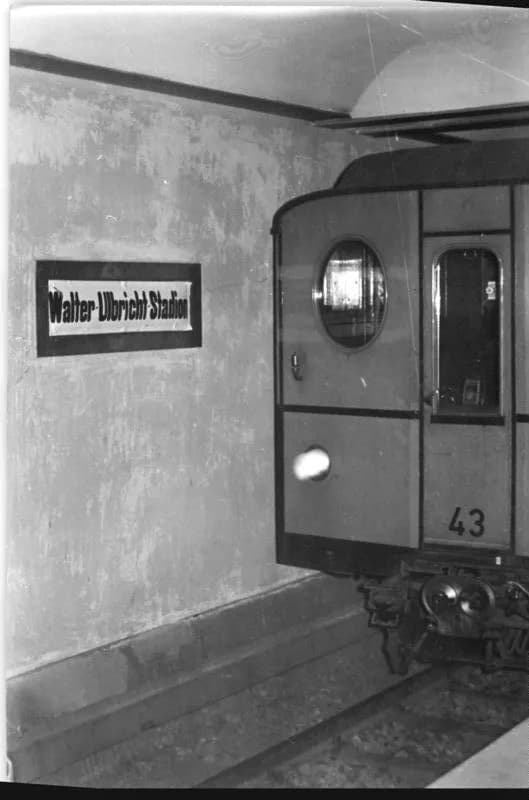
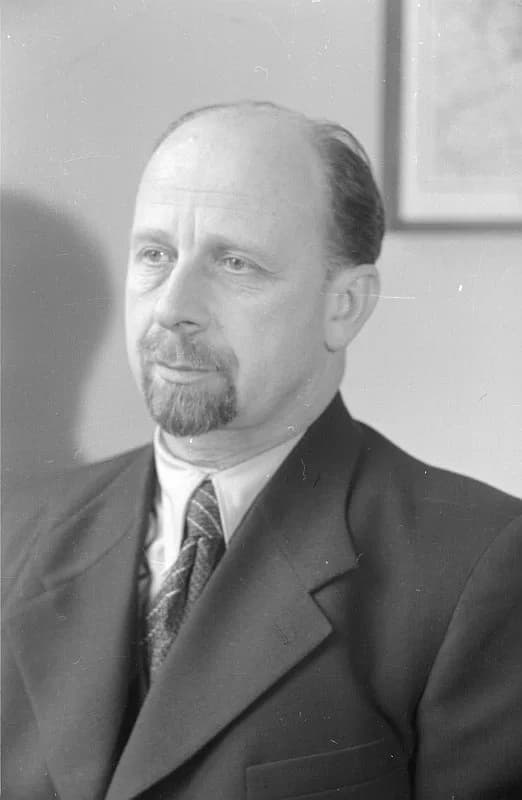
Česta pitanja
Često postavljana pitanja
Kada je umro/la Walter Ulbricht?
Walter Ulbricht je umro/la 1. august 1973. u Groß Dölln, Germany u 80. godini života.
Gdje je rođen(a) Walter Ulbricht?
Walter Ulbricht je rođen(a) u Leipzig, Electorate of Saxony 30. juni 1893..
Po čemu je Walter Ulbricht najpoznatiji(a)?
Walter Ulbricht je najpoznatiji(a) po German communist politician and dictator.
Koliko je Walter Ulbricht imao/la godina u trenutku smrti?
Walter Ulbricht je imao/la 80 godina u trenutku smrti.
Kojeg porijekla je bio/la Walter Ulbricht?
Walter Ulbricht je bio/la iz Electorate of Saxony.
Vremenska linija
Život u kratkom pregledu
Galerija fotografija
Život u slikama
Kliknite bilo koji polaroid za uvećanje · 25 fotografija
QR kod
Podijelite ovu biografiju
Štampaj i podijeli
Skenirajte za posjetu ovoj biografskoj stranici. Štampajte za događaje, izložbe ili obrazovne materijale.