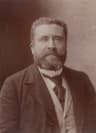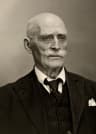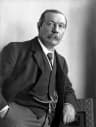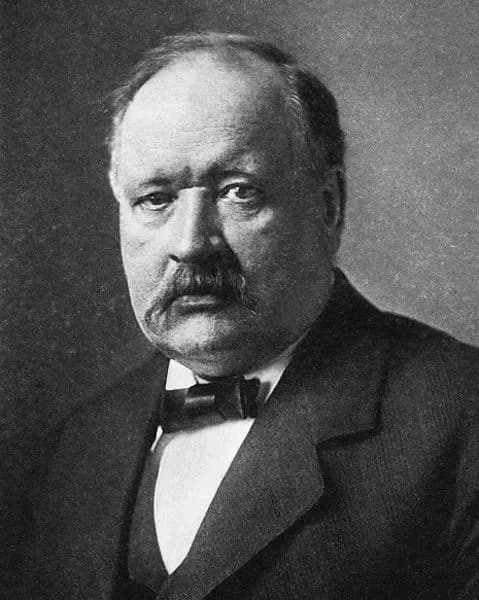
Rođen/a
February 19, 1859
Wik Castle, Sweden
Umro/la
October 2, 1927
Stockholm, Sweden
Poznat/a po
Swedish astronomer, chemist and physicist
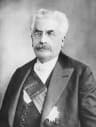
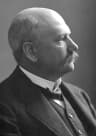
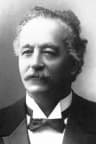
Svante August Arrhenius (1859–1927) was Sweden best known for Swedish astronomer, chemist and physicist.
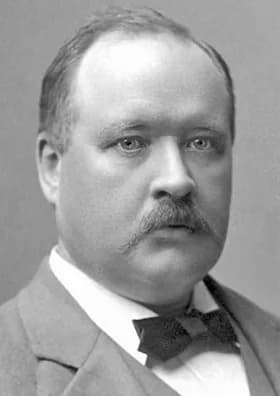
Svante August Arrhenius (February 19, 1859 – October 2, 1927) was a Swedish astronomer, chemist, and physicist. He received the 1903 Nobel Prize in Chemistry for his electrolytic theory of dissociation, becoming Sweden's first Nobel laureate. Arrhenius was a founder of physical chemistry.
Poglavlje
Životna poglavlja
Poglavlje 1 · 1859· Poglavlje 1 od 6
Early Life and Origins
Svante August Arrhenius was born on February 19, 1859, at Wik Castle in Sweden. His early life unfolded against the backdrop of this historic Swedish location. While details of his family and upbringing are not extensively provided, his foundational years in Sweden set the stage for a remarkable scientific career.
Poglavlje 2· Poglavlje 2 od 6
Career Beginnings
Arrhenius initially pursued studies in physics, which served as the bedrock for his subsequent explorations into other scientific disciplines. It was during this period that he began to develop the groundbreaking ideas that would later redefine chemical understanding. His early investigations laid the groundwork for what would become his most celebrated contribution to science.
Poglavlje 3 · 1903· Poglavlje 3 od 6
Major Achievements and Career Highlights
Svante August Arrhenius's career was marked by extraordinary accomplishments, most notably his receipt of the Nobel Prize in Chemistry in 1903. This prestigious award was given in recognition of the extraordinary services he rendered to the advancement of chemistry through his electrolytic theory of dissociation. This achievement not only solidified his place in scientific history but also made him the very first Swedish recipient of a Nobel Prize.
Following his Nobel triumph, Arrhenius continued to contribute significantly to the scientific community. In 1905, he was appointed director of the Nobel Institute, a pivotal role he held for over two decades. He remained at the helm of this esteemed institution in Stockholm until his death, guiding its research and contributing to its legacy.
Poglavlje 4 · 1967· Poglavlje 4 od 6
Notable Works or Contributions
Arrhenius's intellectual output was diverse, leading to several influential academic publications throughout his career. Among his significant works are "Die Einwirkung kosmischer Einflüsse auf physiologische Verhältnisse," which garnered 40 citations, and "Lehrbuch der kosmischen Physik," published in 1967 (posthumously or as a new edition), which accumulated 20 citations. These works demonstrate his broad interests, extending into cosmic influences and physical chemistry.
Other notable contributions include "Die physikalisch-chemischen Bedingungen bei der Bildung der Salzlagerstätten und ihre Anwendung auf geologische Probleme" from 1912, cited 17 times, showcasing his application of physical chemistry to geological questions. His "Lehrbuch der Elektrochemie" and "Die Verteilung der Himmelskörper" (1976, also likely posthumous or a new edition) further exemplify his extensive work in electrochemistry and astronomy. These publications underscore the breadth and depth of his scientific inquiries.
Poglavlje 5 · 1905· Poglavlje 5 od 6
Later Years
The latter part of Svante August Arrhenius's career was largely dedicated to his leadership role at the Nobel Institute. From 1905 until his passing, he served as its director, a position that allowed him to continue shaping scientific research and collaboration. He resided in Stockholm, Sweden, where he continued his scientific pursuits and administrative duties until his death on October 2, 1927. His sustained involvement at the Nobel Institute highlights a commitment to advancing scientific knowledge throughout his final years.
Poglavlje 6· Poglavlje 6 od 6
Legacy and Impact
Svante August Arrhenius left an enduring legacy that profoundly shaped modern science, particularly the field of physical chemistry. As one of its founders, his electrolytic theory of dissociation revolutionized the understanding of chemical reactions in solutions, providing a framework that is still fundamental today. His work bridged the gap between physics and chemistry, creating a new interdisciplinary area of study.
Beyond his specific scientific theories, Arrhenius's status as the first Swedish Nobel laureate established a precedent for scientific excellence in his home country. His directorship of the Nobel Institute further cemented his influence, fostering an environment for continued scientific discovery. His impact continues to be felt through the foundational principles he established and the institutions he helped to lead.
Život u trenucima
Trenuci koji su oblikovali život
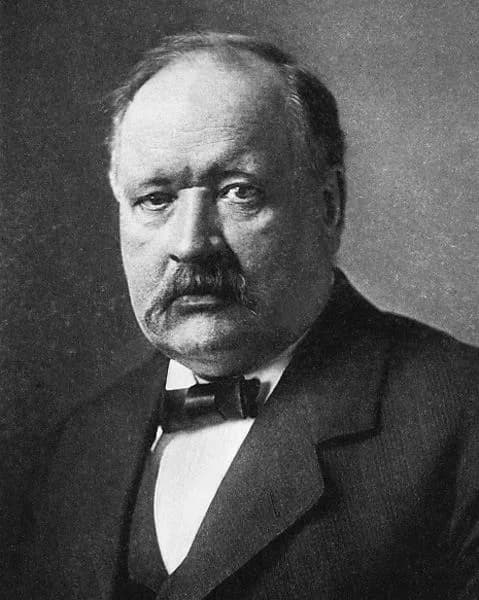
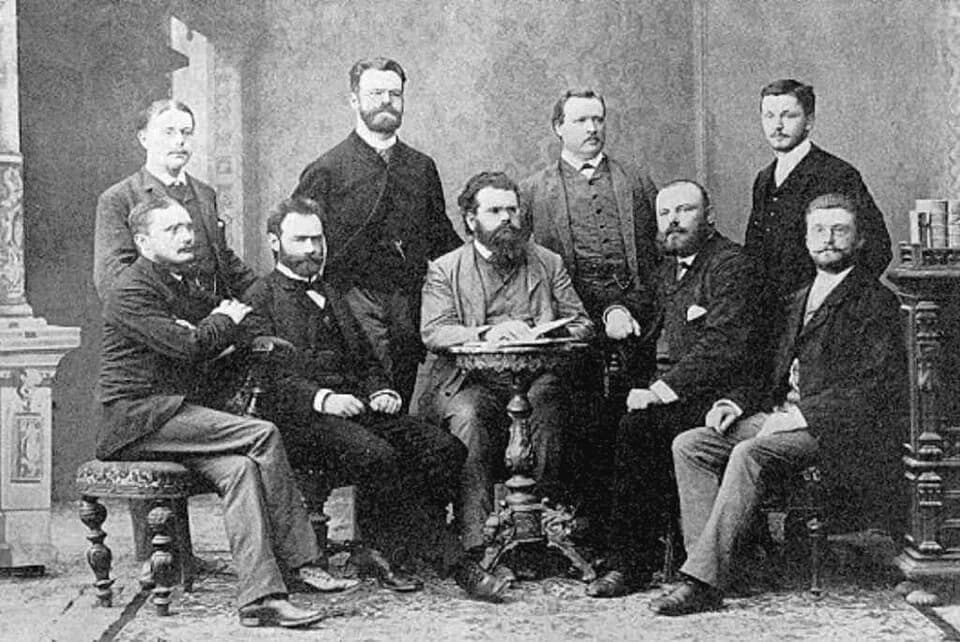
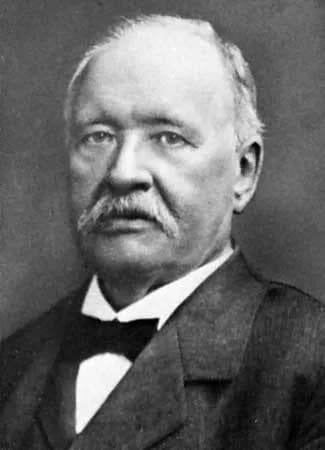
Česta pitanja
Često postavljana pitanja
Kada je umro/la Svante August Arrhenius?
Svante August Arrhenius je umro/la 2. oktobar 1927. u Stockholm, Sweden u 68. godini života.
Gdje je rođen(a) Svante August Arrhenius?
Svante August Arrhenius je rođen(a) u Wik Castle, Sweden 19. februar 1859..
Po čemu je Svante August Arrhenius najpoznatiji(a)?
Svante August Arrhenius je najpoznatiji(a) po Swedish astronomer, chemist and physicist.
Koliko je Svante August Arrhenius imao/la godina u trenutku smrti?
Svante August Arrhenius je imao/la 68 godina u trenutku smrti.
Kojeg porijekla je bio/la Svante August Arrhenius?
Svante August Arrhenius je bio/la iz Sweden.
Vremenska linija
Život u kratkom pregledu
Galerija fotografija
Život u slikama
Kliknite bilo koji polaroid za uvećanje · 47 fotografija
QR kod
Podijelite ovu biografiju
Štampaj i podijeli
Skenirajte za posjetu ovoj biografskoj stranici. Štampajte za događaje, izložbe ili obrazovne materijale.