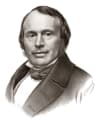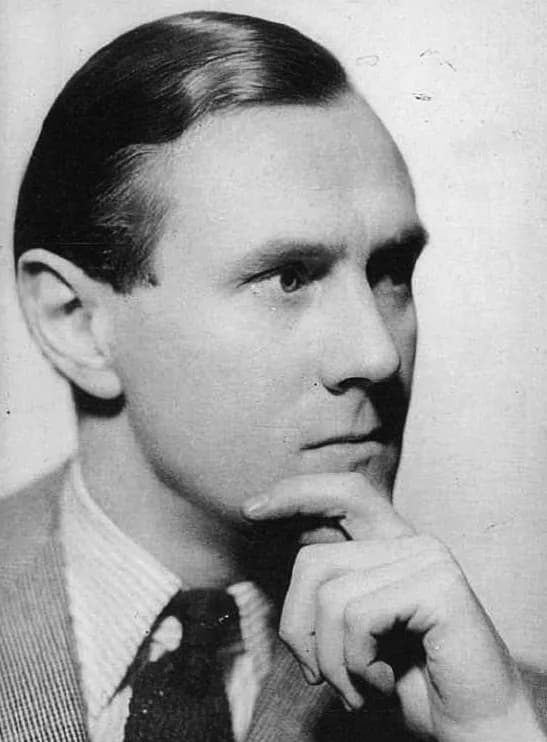
Rođen/a
May 28, 1912
London, Roman Empire
Umro/la
September 29, 1990
Sydney, Australia
Poznat/a po
English-born Australian writer
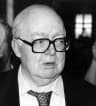
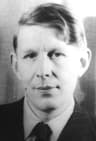
Patrick White (1912–1990) was Roman Empire best known for English-born Australian writer.
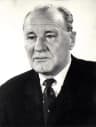
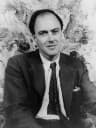
Patrick Victor Martindale White (May 28, 1912 – September 29, 1990) was an English-born Australian writer. He was awarded the Nobel Prize in Literature in 1973 for his epic and psychological narrative art. White's work uniquely explored themes of identity and societal conflict, significantly shaping Australian literature.
Poglavlje
Životna poglavlja
Poglavlje 1 · 1912· Poglavlje 1 od 6
Early Life and Origins
Patrick White was born on May 28, 1912, in London, England. This notable birthplace marked the start of a life that would eventually define him as an English-born Australian writer. His origins in the United Kingdom were a foundational aspect of his identity before he became widely recognized for his work Down Under, contributing to a unique literary perspective.
Poglavlje 2· Poglavlje 2 od 6
Career Beginnings
White's literary career was shaped by strong modernist influences, notably from iconic writers such as James Joyce, D. H. Lawrence, and Virginia Woolf. He consciously developed a complex literary style that diverged from the prevailing realist prose tradition in Australia. Early in his career, his work was characterized by a satirical eye towards Australian society, a trait that sharply divided local critics.
Poglavlje 3 · 1973· Poglavlje 3 od 6
Major Achievements and Career Highlights
The pinnacle of Patrick White's career came in 1973 when he was awarded the Nobel Prize in Literature. This prestigious honor made him the only Australian to have ever received the Nobel Prize in this category, cementing his unique place in literary history. The Swedish Academy cited him for "an epic and psychological narrative art which has introduced a new continent into literature," acknowledging the significant global impact of his storytelling.
Poglavlje 4· Poglavlje 4 od 6
Notable Works or Contributions
Throughout his extensive bibliography, Patrick White explored consistent and significant themes, including religious experience, personal identity, and the inherent conflict between visionary individuals and a materialistic, conformist society. His literary voice was distinct, challenging conventional narratives and offering a rich psychological depth to his characters and settings.
Among his acclaimed written works are the novels Memoirs of Many in One and Night on Bald Mountain, which exemplify his complex literary style and thematic concerns. Additionally, his versatility as a writer was evident in his Collected plays, demonstrating his skill in crafting narratives for the stage. He also contributed his writing talents to film as a screenwriter, notably for the 1964 production Children of the Damned.
Poglavlje 5 · 1990· Poglavlje 5 od 6
Later Years
Patrick White continued to contribute to the literary world before his passing on September 29, 1990. He died in Sydney, Australia, the country he had adopted and whose essence he so meticulously depicted and critiqued in his writings. His final years saw the culmination of a career dedicated to challenging literary norms and exploring the depths of the human psyche.
Poglavlje 6· Poglavlje 6 od 6
Legacy and Impact
Patrick White's legacy is one of a literary pioneer who significantly altered the course of Australian literature. His distinctive style and thematic explorations, while initially divisive among local critics, ultimately introduced a fresh perspective that resonated globally, as acknowledged by his Nobel Prize. He remains an enduring icon, a testament to the power of a unique voice to shape national and international literary discourse, leaving a lasting mark as Australia's sole Nobel laureate in literature.
Život u trenucima
Trenuci koji su oblikovali život
Česta pitanja
Često postavljana pitanja
Kada je umro/la Patrick White?
Patrick White je umro/la 29. septembar 1990. u Sydney, Australia u 78. godini života.
Gdje je rođen(a) Patrick White?
Patrick White je rođen(a) u London, Roman Empire 28. maj 1912..
Po čemu je Patrick White najpoznatiji(a)?
Patrick White je najpoznatiji(a) po English-born Australian writer.
Koliko je Patrick White imao/la godina u trenutku smrti?
Patrick White je imao/la 78 godina u trenutku smrti.
Kojeg porijekla je bio/la Patrick White?
Patrick White je bio/la iz Roman Empire.
Vremenska linija
Život u kratkom pregledu
Galerija fotografija
Život u slikama
Kliknite bilo koji polaroid za uvećanje · 44 fotografija
QR kod
Podijelite ovu biografiju
Štampaj i podijeli
Skenirajte za posjetu ovoj biografskoj stranici. Štampajte za događaje, izložbe ili obrazovne materijale.