Rođen/a
December 21, 1947
Algeciras, Spain
Umro/la
February 25, 2014
Playa del Carmen, Mexico
Poznat/a po
Spanish flamenco, classical, jazz guitarist & musician
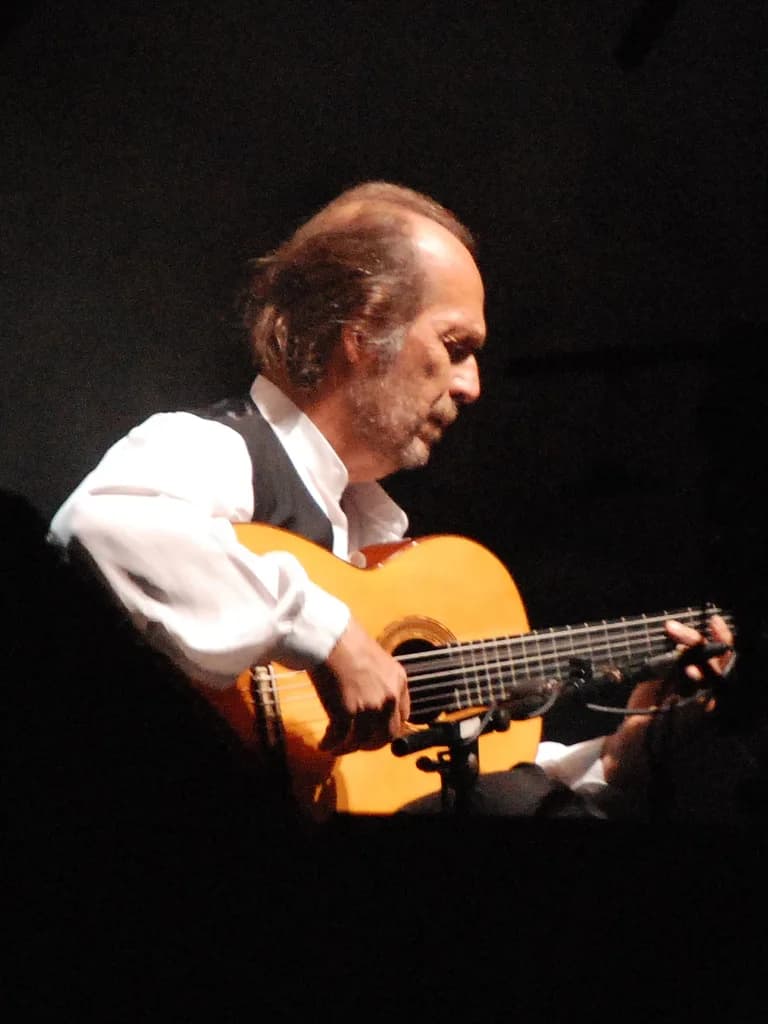
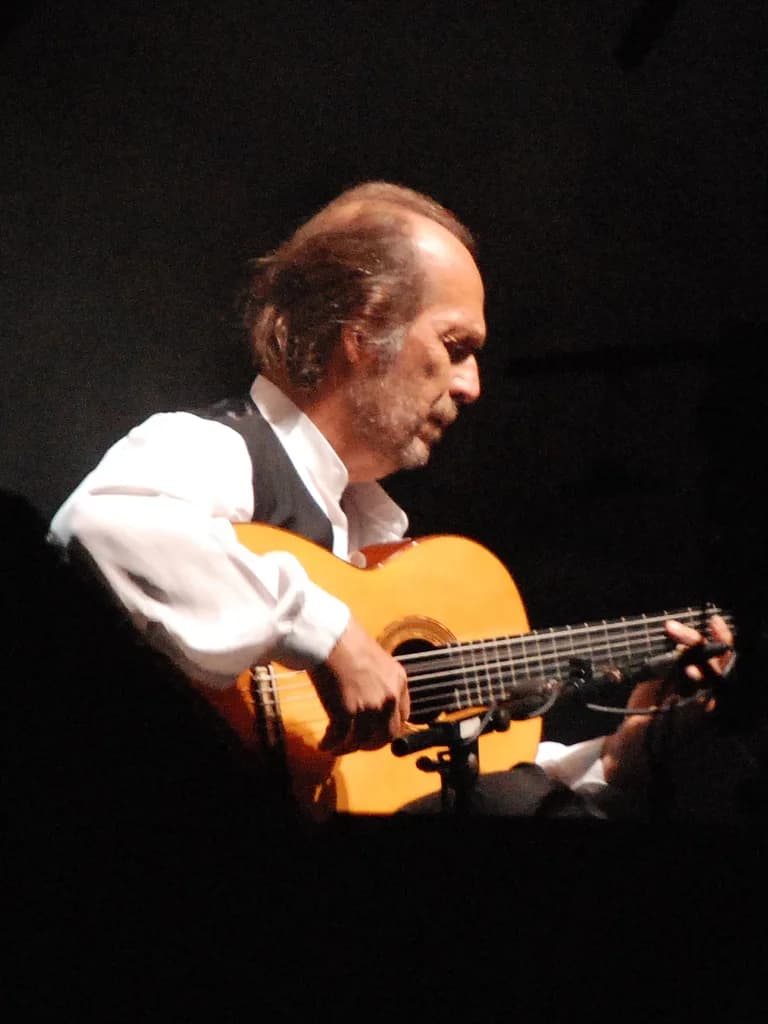
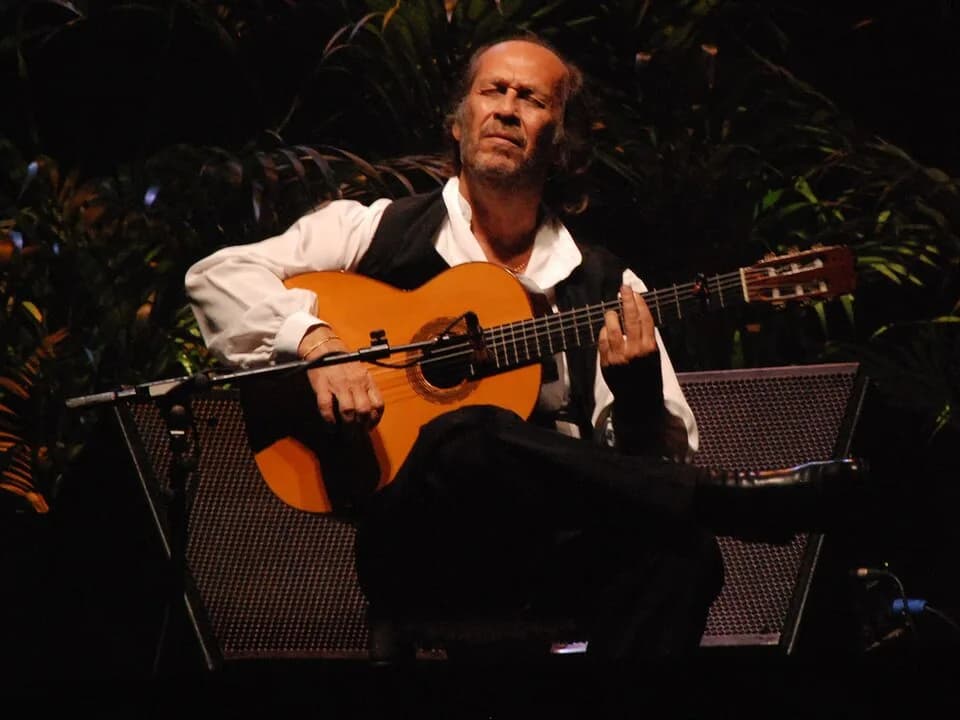
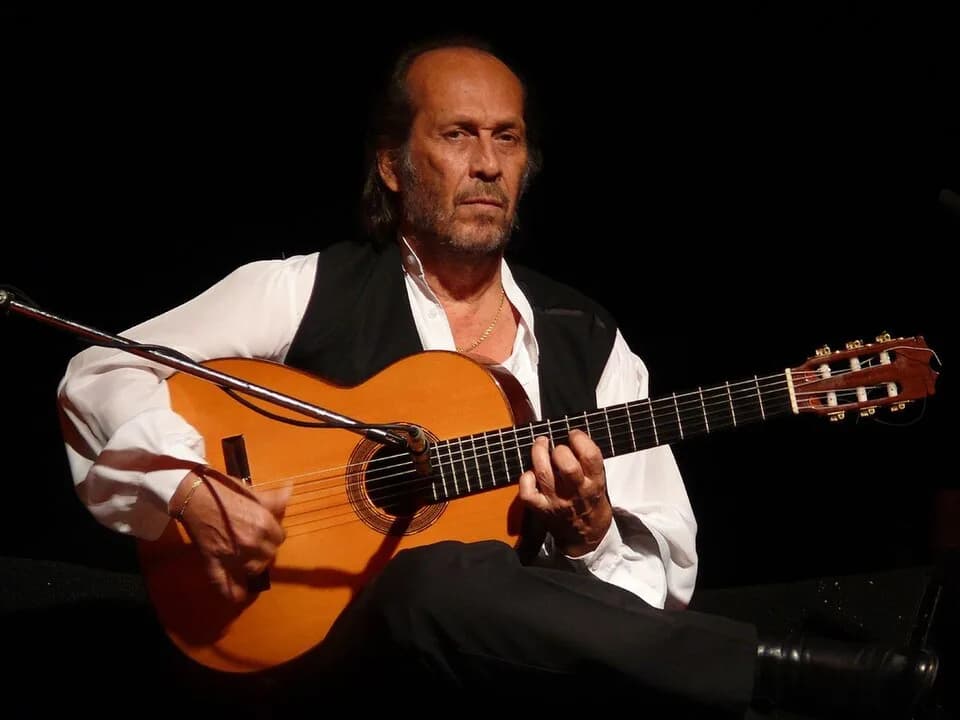
Paco de Lucía (1947–2014) was Spain best known for Spanish flamenco, classical, jazz guitarist & musician.
Francisco Gustavo Sánchez Gómez (December 21, 1947 – February 25, 2014), known as Paco de Lucía, was a Spanish virtuoso flamenco guitarist and composer from Algeciras. He was a leading proponent of new flamenco, branching into classical and jazz. He is considered one of history's greatest guitarists, leaving a profound impact on music.
Život u trenucima
Trenuci koji su oblikovali život
Poglavlje
Životna poglavlja
Poglavlje 1 · 1947· Poglavlje 1 od 7
Opening
Paco de Lucía, born Francisco Gustavo Sánchez Gómez, was an exceptional Spanish musician who forever changed the world of flamenco guitar. From his birth in 1947 to his passing in 2014, he distinguished himself as a virtuoso guitarist, innovative composer, and prolific recording artist. His professional life spanned roles as a jazz guitarist, classical guitarist, and film score composer, showcasing a remarkable versatility that transcended traditional musical boundaries. His contributions reshaped flamenco and introduced its rich sounds to a global audience.
Poglavlje 2 · 1947· Poglavlje 2 od 7
Early Life and Origins
Francisco Gustavo Sánchez Gómez was born on December 21, 1947, in Algeciras, Spain, a city that would forever be linked to his artistic identity. Growing up in Algeciras, he later adopted the stage name Paco de Lucía, honoring his mother, Lucía. While specific details of his early upbringing are not provided, his birthplace laid the foundation for his deep connection to the flamenco tradition.
Poglavlje 3 · 1963· Poglavlje 3 od 7
Career Beginnings
Paco de Lucía began his recording career at a young age, with his earliest known work, "Los chiquitos de Algeciras," released in 1963. This was followed swiftly by "Dos guitarras flamencas en stereo" in 1964, demonstrating an early command of his instrument. His formative years in music were characterized by a rapid output of recordings, including "12 canciones de García Lorca para guitarra" and "12 éxitos para 2 guitarras flamencas," both released in 1965. These early albums established his presence in the flamenco world and hinted at the innovative path he would soon forge.
Poglavlje 4· Poglavlje 4 od 7
Major Achievements and Career Highlights
Paco de Lucía became a leading proponent of the "new flamenco" style, pushing the genre beyond its traditional confines. He was one of the first flamenco guitarists to branch into classical and jazz, creating a unique fusion that broadened flamenco's appeal. Richard Chapman and Eric Clapton, authors of "Guitar: Music, History, Players," described de Lucía as a "titanic figure in the world of flamenco guitar." Dennis Koster, author of "Guitar Atlas, Flamenco," referred to him as "one of history's greatest guitarists," underscoring his significant influence and technical mastery.
His innovative approach integrated diverse musical styles, enriching flamenco with fresh textures and harmonic complexities. He captivated audiences worldwide with his technical brilliance and soulful interpretations. His ability to blend traditional flamenco with genres like jazz and classical music marked a significant evolution in guitar artistry.
Poglavlje 5 · 1967· Poglavlje 5 od 7
Notable Works or Contributions
Throughout his career, Paco de Lucía created an extensive and influential discography that showcased his evolving artistry. Key early albums include "Canciones andaluzas para 2 guitarras" (1967) and "Dos guitarras flamencas en América Latina" (1967). That same year, he released "La fabulosa guitarra de Paco de Lucía," an album title that aptly captured his burgeoning reputation.
His exploration of genre fusion became evident with "Flamenco-Jazz" (1968), a pioneering work that exemplified his willingness to experiment. He continued to release compelling albums such as "12 hits para 2 guitarras flamencas y orquesta de cuerda" (1969) and "Al verte las flores lloran" (1969), further cementing his status as a prolific recording artist. De Lucía’s musical output spanned multiple genres, including pure flamenco, flamenco jazz, jazz, latin jazz, and modern classical. He was also credited as a film score composer, applying his unique musical voice to cinematic narratives.
Poglavlje 6 · 2014· Poglavlje 6 od 7
Later Years
Paco de Lucía continued to perform and compose, enriching the world of music until his passing. He died on February 25, 2014, in Playa del Carmen, Mexico. His death marked the end of an era for flamenco and guitar music, leaving behind a significant legacy of artistic innovation.
Poglavlje 7· Poglavlje 7 od 7
Legacy and Impact
The legacy of Paco de Lucía is immense, defined by his virtuosity and his role in modernizing flamenco. He transformed the perception of flamenco guitar, elevating it to an international stage and demonstrating its versatility alongside classical and jazz forms. His courageous exploration of new sounds not only broadened flamenco's audience but also inspired countless musicians across the globe. De Lucía's music remains a cornerstone of the flamenco jazz and latin jazz genres, continuing to influence new generations of guitarists and composers. His name is synonymous with innovation, passion, and unparalleled skill in the history of the guitar.
Česta pitanja
Često postavljana pitanja
Kada je umro/la Paco de Lucía?
Paco de Lucía je umro/la 25. februar 2014. u Playa del Carmen, Mexico u 66. godini života.
Gdje je rođen(a) Paco de Lucía?
Paco de Lucía je rođen(a) u Algeciras, Spain 21. decembar 1947..
Po čemu je Paco de Lucía najpoznatiji(a)?
Paco de Lucía je najpoznatiji(a) po Spanish flamenco, classical, jazz guitarist & musician.
Koliko je Paco de Lucía imao/la godina u trenutku smrti?
Paco de Lucía je imao/la 66 godina u trenutku smrti.
Kojeg porijekla je bio/la Paco de Lucía?
Paco de Lucía je bio/la iz Spain.
Vremenska linija
Život u kratkom pregledu
Galerija fotografija
Život u slikama
Kliknite bilo koji polaroid za uvećanje · 46 fotografija
QR kod
Podijelite ovu biografiju
Štampaj i podijeli
Skenirajte za posjetu ovoj biografskoj stranici. Štampajte za događaje, izložbe ili obrazovne materijale.