Rođen/a
September 29, 1864
Spain
Umro/la
December 31, 1936
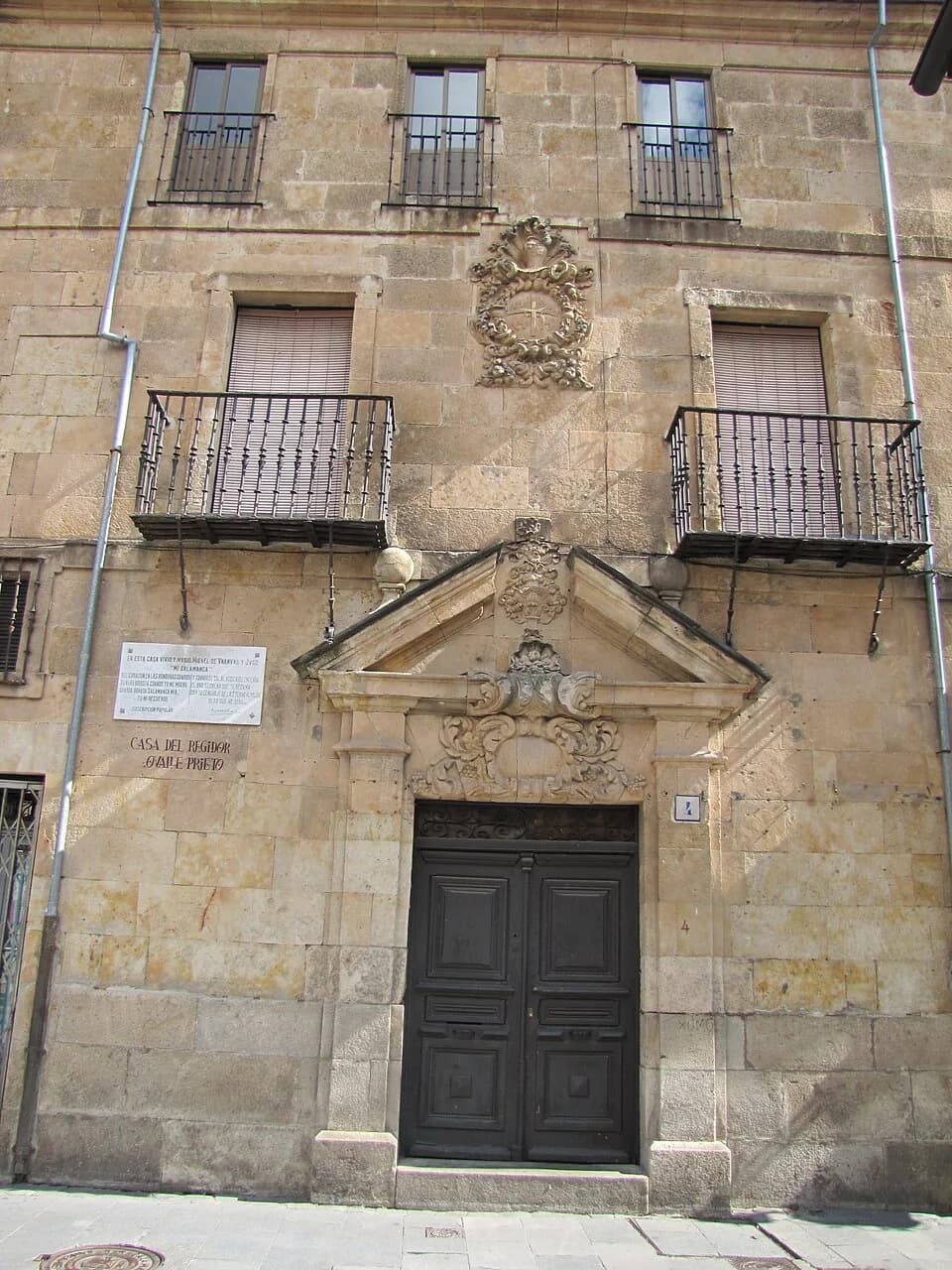
Casa del Regidor Ovalle Prieto, Salamanca, Spain
Poznat/a po
Spanish poet
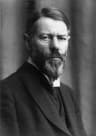
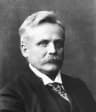
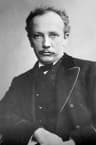
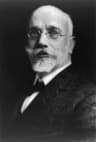
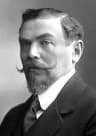
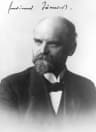
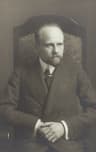
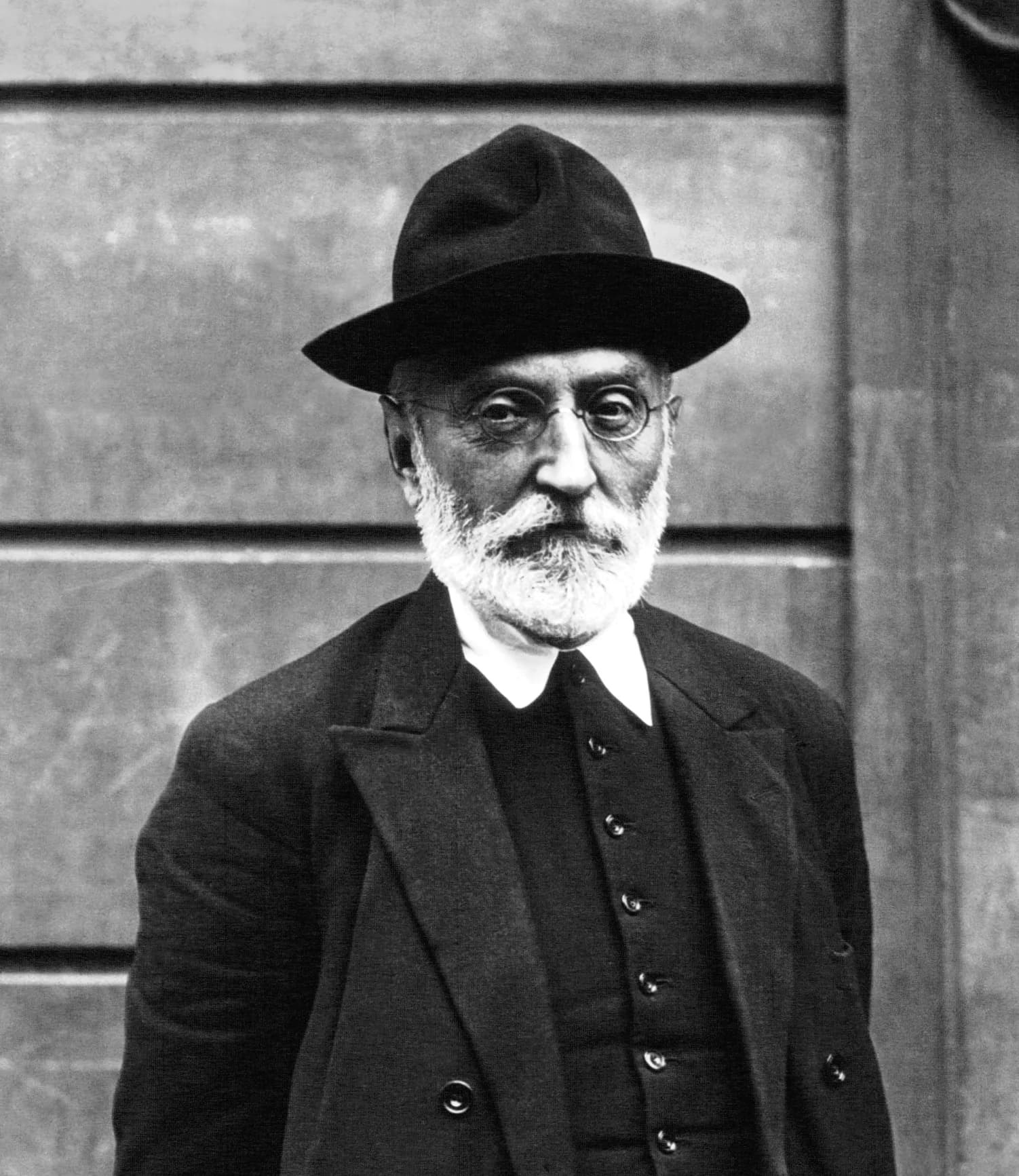
Miguel de Unamuno (1864–1936) was Spain best known for Spanish poet.
Miguel de Unamuno y Jugo (September 29, 1864 – December 31, 1936) was a Spanish essayist, novelist, poet, playwright, and philosopher. He is celebrated for his philosophical essay, Tragic Sense of Life, and acclaimed novels like Mist and Abel Sánchez. His diverse contributions profoundly shaped Spanish Modernist literature and thought.
Poglavlje
Životna poglavlja
Poglavlje 1 · 1864· Poglavlje 1 od 7
Early Life and Origins
Miguel de Unamuno was born on September 29, 1864, in Bilbao, a vibrant city in the Basque Country of Spain. While details of his family life are not extensively provided in the available information, his upbringing in this culturally rich region likely shaped his early perspectives. He would later become deeply connected with Salamanca, a city that served as the setting for much of his academic and intellectual life.
Poglavlje 2· Poglavlje 2 od 7
Career Beginnings
Unamuno’s career path quickly led him into academia, establishing him as a university teacher and philosopher. This foundational role allowed him to explore and articulate his complex ideas across various disciplines. His early work began to lay the groundwork for a distinguished career as an essayist, poet, and novelist, roles he would balance with his academic duties.
Poglavlje 3 · 1913· Poglavlje 3 od 7
Major Achievements and Career Highlights
Unamuno’s intellectual prowess was evident in his major philosophical essay, Tragic Sense of Life, published in 1913, which explored profound questions of faith, reason, and human existence. This work cemented his reputation as a leading philosopher of his era. Beyond philosophy, he excelled in fiction, producing acclaimed novels that resonated deeply with readers and critics alike.
Among his most famous novels were Abel Sánchez: The History of a Passion (1917), a modern reinterpretation of the biblical Cain and Abel story, delving into themes of envy and human suffering. Another significant work was Mist (1914), which The Literary Encyclopedia heralded as "the most acclaimed Spanish Modernist novel." These works showcased his innovative narrative techniques and his exploration of existential themes.
Poglavlje 4· Poglavlje 4 od 7
Notable Works and Contributions
Throughout his prolific career, Miguel de Unamuno contributed significantly across multiple literary genres. His diverse bibliography includes the aforementioned novels like Niebla (the Spanish title for Mist), and Nada menos que todo un hombre. He was also a celebrated poet, playwright, and literary critic, shaping the intellectual discourse of his time.
Other notable works include La última lección, a collection titled Epistolario, and essays such as España y los españoles and Antología. His body of work also featured International short stories, Tía Tula, and Entre Pupitres, demonstrating his wide-ranging literary interests and his continuous engagement with diverse forms of expression. A comprehensive collection of his selected works is available as Obra escogida.
Poglavlje 5 · 2016· Poglavlje 5 od 7
Academic Contributions and Publications
As an academic, Miguel de Unamuno's influence extended beyond his published books. His scholarly engagement is reflected in his impressive h-index of 13, attributed to a vast corpus of 796 papers, which underscores his deep and continuous academic involvement. While specific publication dates for some entries like Recuerdos de niñez y de mocedad (2016) and Miguel de Unamuno. Cómo se hace una novela (2018) indicate modern editions or scholarly analyses, they highlight the enduring relevance of his work.
His original contributions to thought continue to be studied and re-examined; for instance, his essay En memoria de Blasco Ibáñez from 1928 was republished in 2018. Similarly, Sobre la oficialidad del castellano, an important text from September 18, 1931, saw a re-issue in 2017, demonstrating the sustained scholarly interest in his political and linguistic thought. These re-publications affirm the lasting academic value and ongoing analysis of his extensive intellectual output.
Poglavlje 6· Poglavlje 6 od 7
Later Years
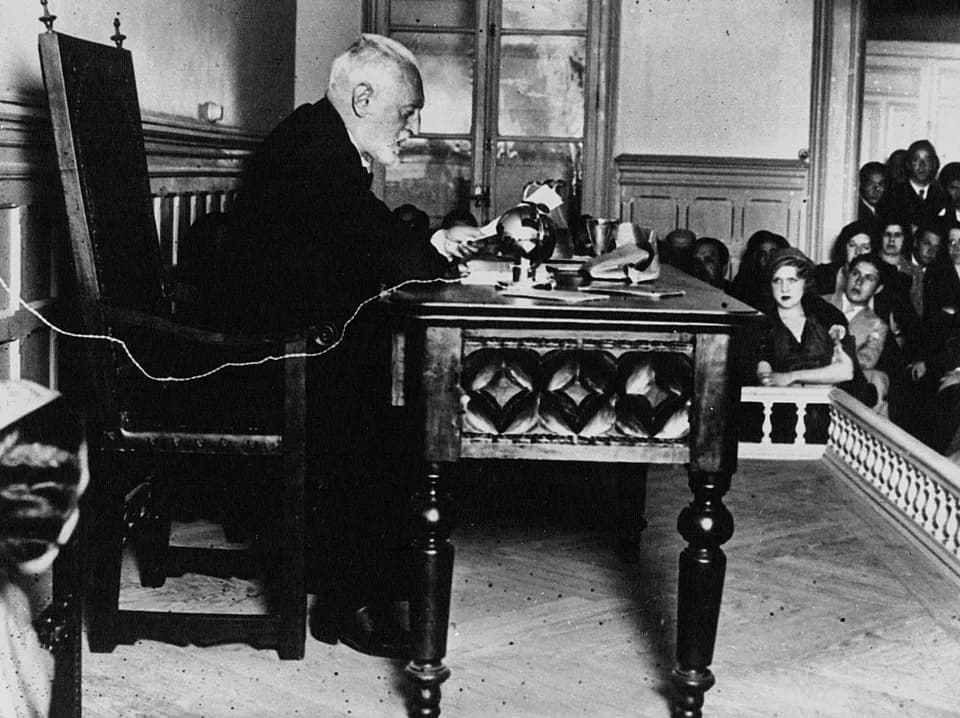
Miguel de Unamuno remained an active and vocal figure throughout his life, deeply involved in the political and cultural movements of Spain. He continued to write and teach, expressing his opinions on society, philosophy, and literature. His life of intellectual dedication continued right up until his final moments.
He passed away on December 31, 1936, at the Casa del Regidor Ovalle Prieto in Salamanca, Spain. His death marked the end of an era for Spanish letters, occurring at a tumultuous time in his country's history.
Poglavlje 7· Poglavlje 7 od 7
Legacy and Impact
Miguel de Unamuno's legacy is immense, positioning him as one of Spain's most important modern intellectuals. His profound philosophical inquiries into the human condition, particularly in works like Tragic Sense of Life, continue to challenge and inspire readers. He fundamentally shaped Spanish Modernist literature through his innovative novels like Mist and Abel Sánchez.
His multifaceted career as a writer, poet, playwright, philosopher, and academic cemented his place as a seminal figure. Unamuno's work transcended genres, offering deep insights into identity, faith, and existence, ensuring his lasting influence on Spanish literature and philosophical thought.
Život u trenucima
Trenuci koji su oblikovali život
Česta pitanja
Često postavljana pitanja
Kada je umro/la Miguel de Unamuno?
Miguel de Unamuno je umro/la 31. decembar 1936. u Casa del Regidor Ovalle Prieto, Salamanca, Spain u 72. godini života.
Gdje je rođen(a) Miguel de Unamuno?
Miguel de Unamuno je rođen(a) u Spain 29. septembar 1864..
Po čemu je Miguel de Unamuno najpoznatiji(a)?
Miguel de Unamuno je najpoznatiji(a) po Spanish poet.
Koliko je Miguel de Unamuno imao/la godina u trenutku smrti?
Miguel de Unamuno je imao/la 72 godina u trenutku smrti.
Kojeg porijekla je bio/la Miguel de Unamuno?
Miguel de Unamuno je bio/la iz Spain.
Vremenska linija
Život u kratkom pregledu
Galerija fotografija
Život u slikama
Kliknite bilo koji polaroid za uvećanje · 48 fotografija
QR kod
Podijelite ovu biografiju
Štampaj i podijeli
Skenirajte za posjetu ovoj biografskoj stranici. Štampajte za događaje, izložbe ili obrazovne materijale.