Biografija · 17th-century French writer and philosopher

5 min read · 981 words

Jean de La Bruyère

1645 · 1696

Proživljenih godina
50
Fotografije
50
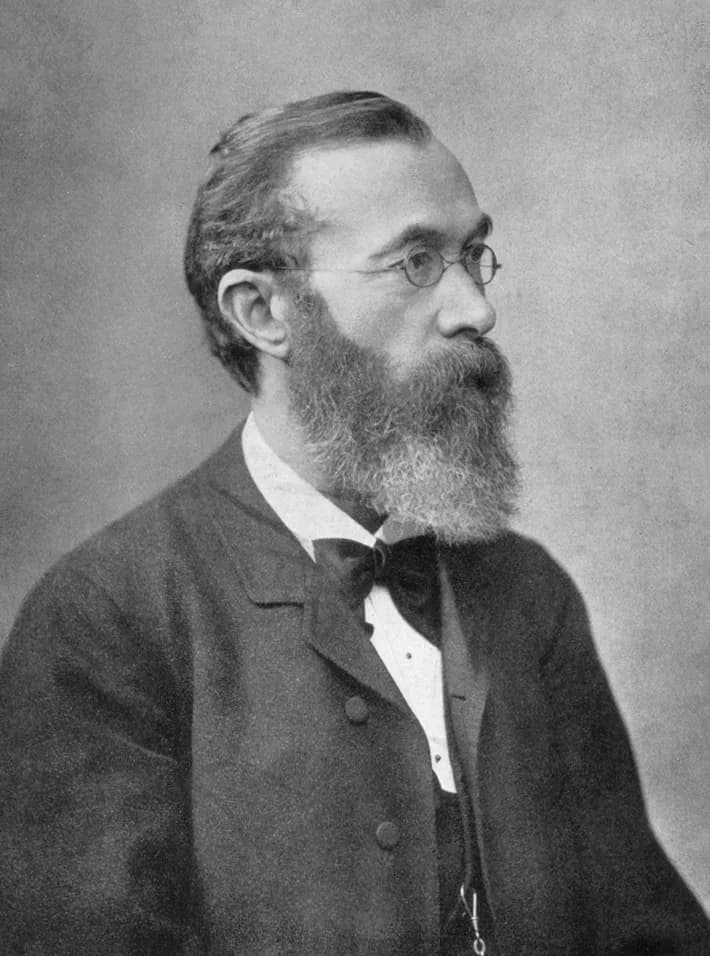
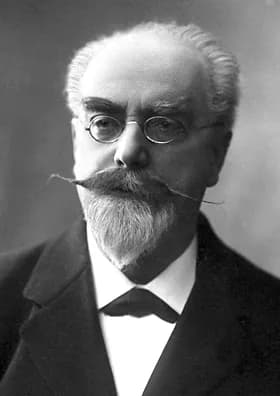
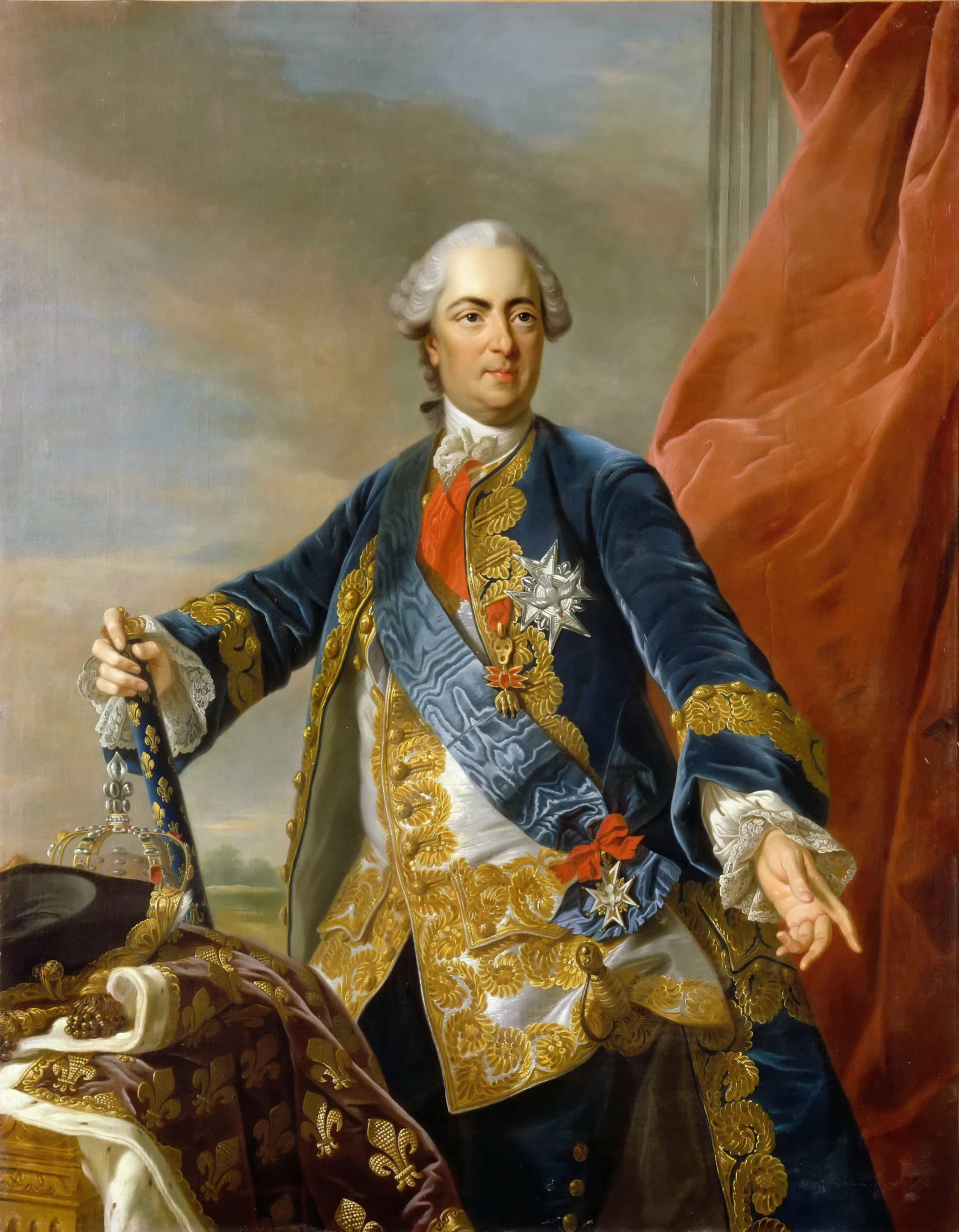
Jean de La Bruyère portrait

Rođen/a

August 16, 1645

Paris, France

Umro/la

May 10, 1696

Versailles, France

Poznat/a po

17th-century French writer and philosopher

Jean de La Bruyère (1645-1696) was a French philosopher and moralist from Paris. He created masterful character sketches and social observations in works like "Les caractères," offering satirical yet insightful portraits of 17th-century French society. His literary approach to moral philosophy influenced generations of writers.

Život u trenucima

Trenuci koji su oblikovali život

Napisano na jeziku English

Poglavlje

Životna poglavlja

Poglavlje 1 · 1645· Poglavlje 1 od 7

Early Life and Origins

Jean de La Bruyère was born on August 16, 1645, in Paris, France, during the reign of Louis XIV. Growing up in the intellectual atmosphere of 17th-century Paris, he was exposed to the rich literary and philosophical traditions that would later influence his own writing. His education included training in law, which provided him with the analytical skills and systematic thinking that would characterize his later literary works.

The young La Bruyère developed an early fascination with classical literature, particularly the works of ancient Greek and Roman moralists. This classical foundation would prove essential to his later career, as he would become known for his translations and adaptations of ancient texts, most notably the character studies of the Greek philosopher Theophrastus.

Poglavlje 2· Poglavlje 2 od 7

Career Beginnings

La Bruyère initially pursued a career in law, following the practical path expected of educated men of his social standing. However, his true calling lay in literature and philosophy. His legal training proved valuable in developing his precise, analytical approach to examining human behavior and social customs.

His entry into the literary world came through his work as a translator, beginning with classical texts that allowed him to hone his skills in capturing the essence of moral philosophy in elegant French prose. This translation work served as his apprenticeship in the art of moral observation that would define his mature works.

Poglavlje 3· Poglavlje 3 od 7

Major Achievements and Career Highlights

La Bruyère's reputation rests primarily on his masterwork "Les caractères, ou Les mœurs de ce siècle" (The Characters, or The Customs of This Century), which established him as one of France's premier moralists. This collection of character sketches and moral observations provided a satirical yet insightful portrait of French society during the reign of Louis XIV. His ability to capture universal human foibles through specific, contemporary examples made his work both timeless and immediately relevant to his readers.

His translation and adaptation of Theophrastus's ancient character studies, published as "Les caractères de Théophraste traduits du grec," demonstrated his skill in bringing classical wisdom to modern French audiences. La Bruyère didn't merely translate these ancient works; he expanded and adapted them, creating a dialogue between classical and contemporary moral philosophy.

Recognition of his literary achievements came through his association with the French Academy, for which he prepared his "Discours à l'académie." This work reflected his standing among the intellectual elite of his era and his contribution to French literary culture.

Poglavlje 4· Poglavlje 4 od 7

Personal Life

La Bruyère lived during the height of the French classical period, when the court at Versailles set the tone for French cultural and intellectual life. His position allowed him to observe firsthand the manners, customs, and social dynamics that he would later satirize in his writings. This direct exposure to court life provided him with the raw material for his incisive social commentary.

His work as a moralist required careful observation of human nature, and La Bruyère approached this task with the systematic mind of a trained lawyer combined with the sensitivity of a literary artist. His ability to remain somewhat detached from the social world he observed enabled him to write with both insight and objectivity about the follies and virtues of his contemporaries.

Poglavlje 5· Poglavlje 5 od 7

Notable Works and Contributions

"Les caractères" represents La Bruyère's most significant contribution to French literature and moral philosophy. This work combined his translations of Theophrastus with his own original character studies, creating a comprehensive examination of human types and social behaviors. The work appeared in various editions and formats, including "Les caractères, accompagnés des Caractères de Théophraste, et du Discours à l'académie."

His "Dialogues du Sieur de La Bruyère" showcased another dimension of his literary talent, demonstrating his ability to present moral and philosophical arguments through the conversational form. This work reflected the influence of classical dialogue traditions while addressing contemporary concerns.

La Bruyère also worked on editions of Pascal's "Pensées," contributing to the preservation and presentation of another great French moralist's work. This editorial work demonstrated his commitment to the broader tradition of French moral philosophy and his recognition of kindred spirits in the examination of human nature.

Poglavlje 6· Poglavlje 6 od 7

Later Years

La Bruyère spent his final years continuing to refine and expand his observations of human nature and society. His position at court provided him with ongoing opportunities to study the behavior of the French aristocracy and bourgeoisie. During this period, he continued to work on various editions of his "Caractères," each time adding new insights and observations.

His later works reflected a mature understanding of human psychology and social dynamics. The wisdom gained through years of careful observation allowed him to create increasingly sophisticated portraits of human types and social situations. His writing during this period demonstrated both continuity with his earlier themes and evolution in his understanding of human nature.

Poglavlje 7 · 1696· Poglavlje 7 od 7

Legacy and Impact

Jean de La Bruyère died on May 10, 1696, at Versailles, leaving behind a body of work that continues to influence writers and philosophers. His approach to moral philosophy through literary portraiture established a model that later writers would follow and adapt. His ability to combine entertainment with instruction made moral philosophy accessible to a broader audience beyond academic circles.

His influence extends beyond French literature to the broader European tradition of moral observation and social satire. Writers across Europe found inspiration in his method of using specific character types to illuminate universal human truths. His work bridges the gap between classical moral philosophy and modern psychological insight, making him a crucial figure in the development of literary approaches to understanding human nature.

La Bruyère's legacy lies in his demonstration that careful observation of contemporary life could yield timeless insights into human behavior. His characters remain recognizable to modern readers because he captured essential aspects of human nature that transcend historical periods. His contribution to French literature and moral philosophy ensures his place among the great writers of the classical age, and his influence continues to be felt in contemporary discussions of human nature and social behavior.

Vremenska linija

Život u kratkom pregledu

  1. 1645

    Early Life and Origins

  2. 1696

    Legacy and Impact

Galerija fotografija

Život u slikama

Kliknite bilo koji polaroid za uvećanje · 48 fotografija

QR kod

Podijelite ovu biografiju

Štampaj i podijeli

Skenirajte za posjetu ovoj biografskoj stranici. Štampajte za događaje, izložbe ili obrazovne materijale.
Ko je bio Jean de La Bruyère? | WhoWasThisGuy.com