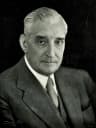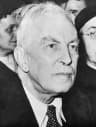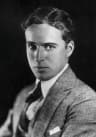
Rođen/a
November 14, 1889
Prayagraj, India
Umro/la
May 27, 1964
New Delhi, India
Poznat/a po
Prime Minister of India from 1947 to 1964
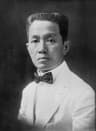
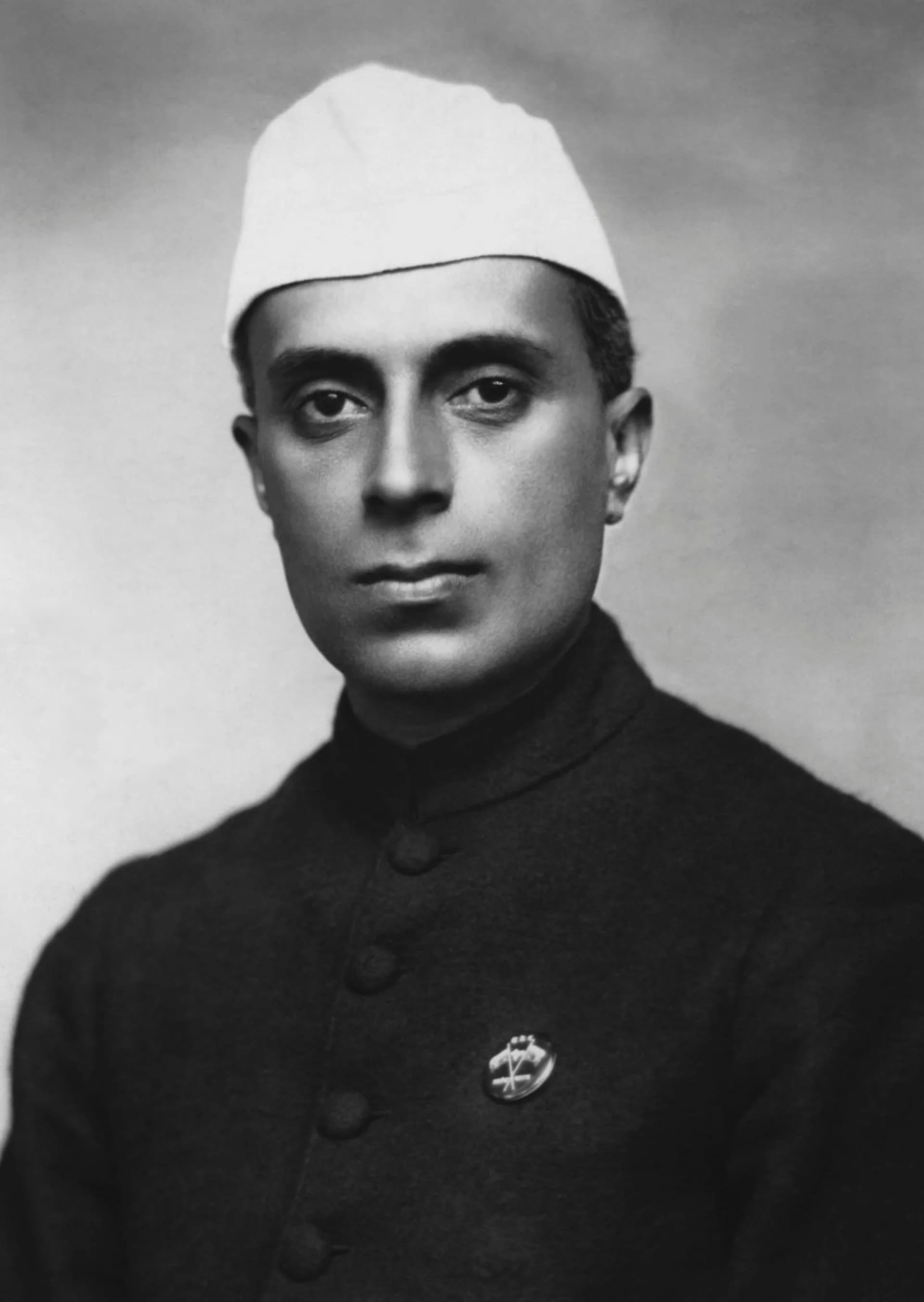
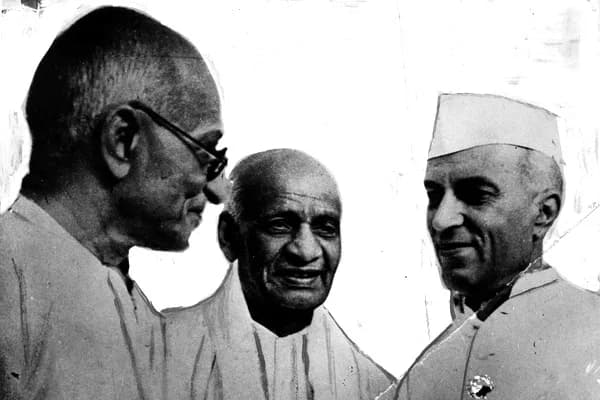
Jawaharlal Nehru (1889–1964) was India best known for Prime Minister of India from 1947 to 1964.
Jawaharlal Nehru (November 14, 1889 – May 27, 1964) was an Indian politician and the first Prime Minister of India, serving from 1947 to 1964. He shaped India's modern identity through democracy, secularism, and non-alignment. His leadership profoundly influenced the nation's early years.
Poglavlje
Životna poglavlja
Poglavlje 1 · 1889· Poglavlje 1 od 7
Early Life and Origins
Born on November 14, 1889, in Prayagraj, India, Jawaharlal Nehru came from a prominent Kashmiri Brahmin family. His father, Motilal Nehru, was a wealthy barrister and a leading nationalist figure. Nehru received a privileged education, attending Harrow School in England before studying natural sciences at Trinity College, Cambridge, and later qualifying as a barrister in London.
Poglavlje 2 · 1912· Poglavlje 2 od 7
Career Beginnings
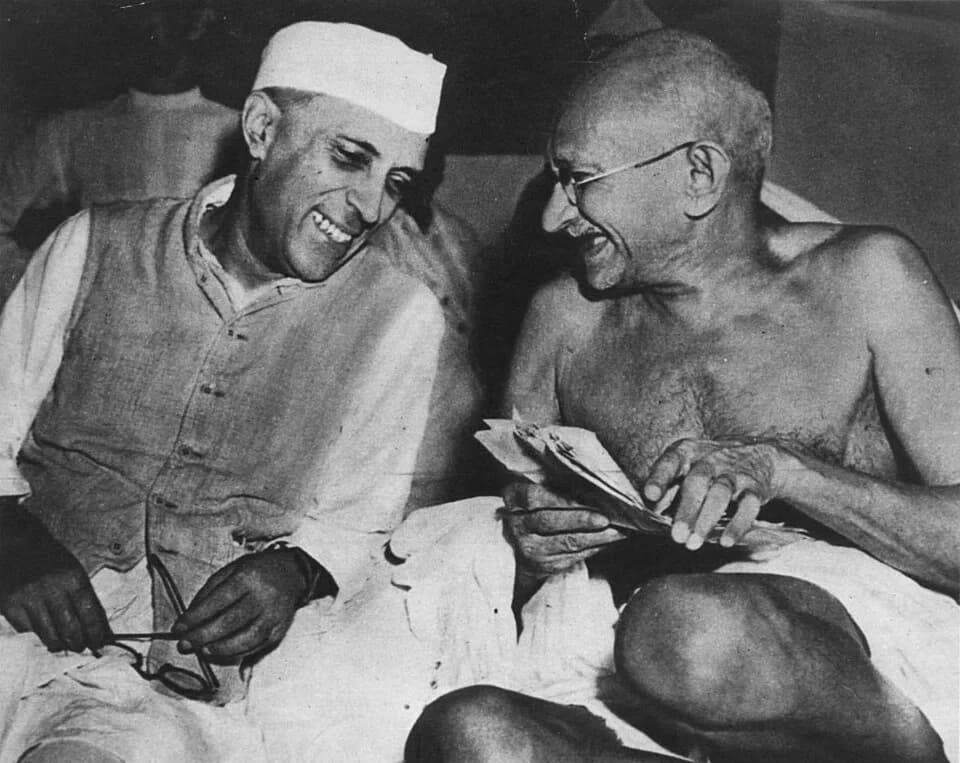
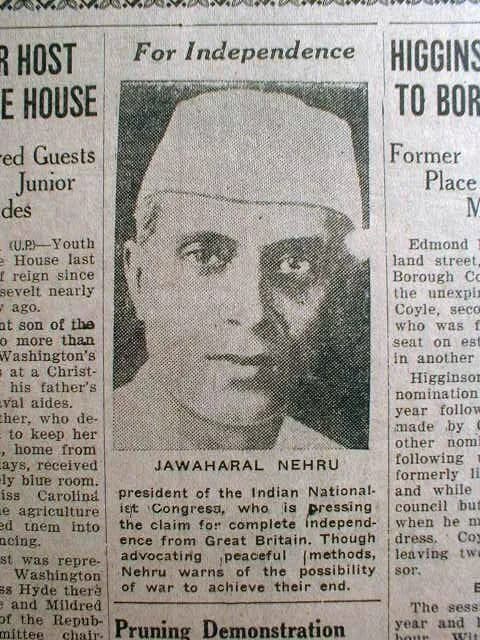
After returning to India in 1912, Nehru initially practiced law but soon dedicated himself to the nationalist movement. He joined the Indian National Congress in 1912 and quickly rose through its ranks, working closely with Mahatma Gandhi. Nehru became a principal leader of the Indian nationalist movement throughout the 1930s and 1940s, advocating for India's complete independence from British rule.
Poglavlje 3 · 1947· Poglavlje 3 od 7
Major Achievements and Career Highlights
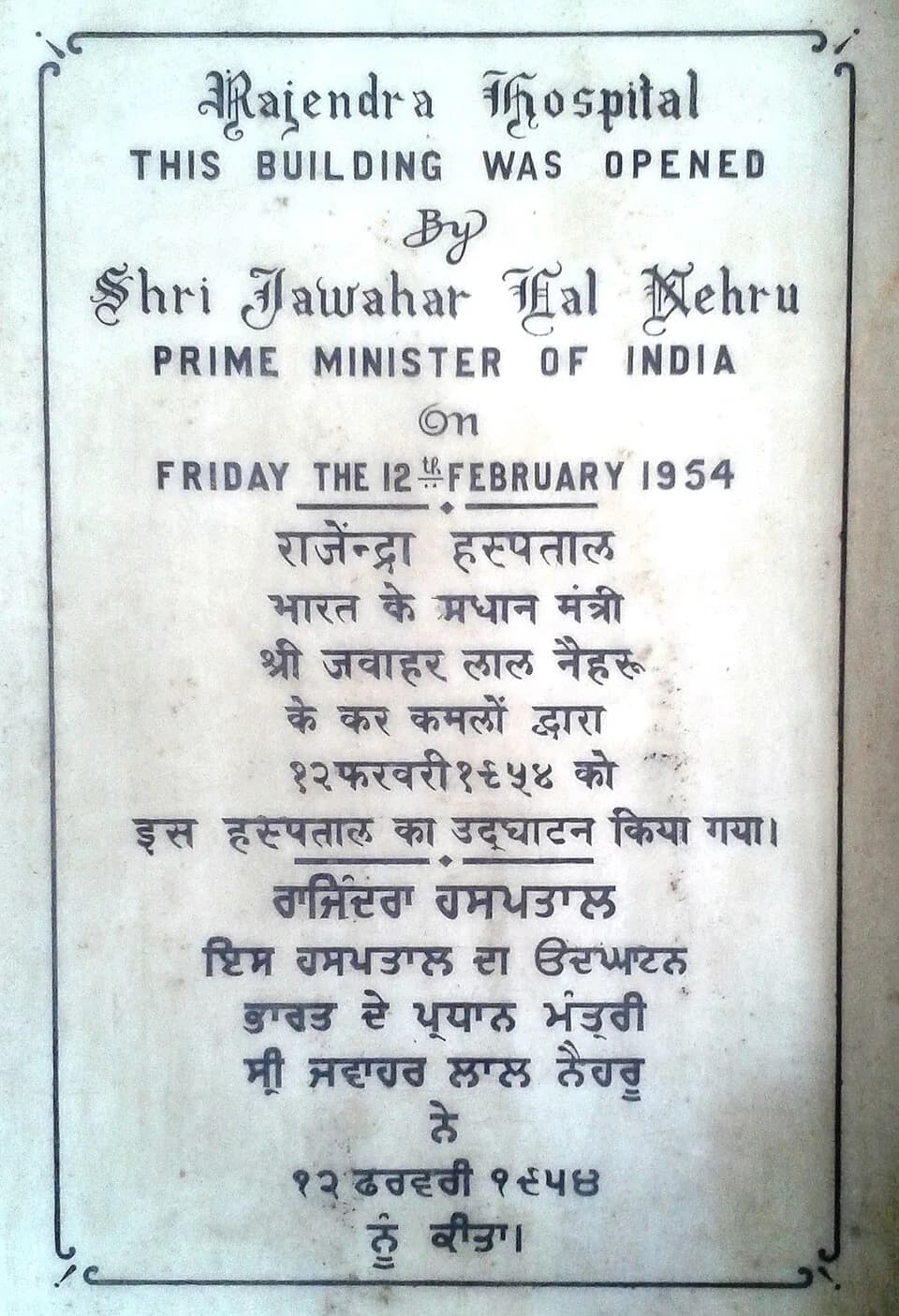
Upon India's independence on August 15, 1947, Jawaharlal Nehru assumed the office of the country's first prime minister. He served in this capacity for 16 years, until his passing in 1964, powerfully influencing India's arc as a modern nation. During his premiership, Nehru promoted parliamentary democracy, upheld secularism, and invested in science and technology.
In international affairs, he steered India clear of the two blocs of the Cold War, establishing a policy of non-alignment. This approach positioned India as a voice for newly independent nations, maintaining its autonomy on the global stage. His policies laid crucial foundations for India's domestic and foreign policy for decades to come.
Poglavlje 4· Poglavlje 4 od 7
Personal Life
While the provided details focus primarily on his public and political career, Jawaharlal Nehru was known for his intellectual depth and extensive writings. His letters to his daughter, published as "Letters from a Father to His Daughter," reveal his personal thoughts and his commitment to educating the next generation. These works offer a window into his reflective mind beyond his role as a statesman.
Poglavlje 5 · 1929· Poglavlje 5 od 7
Notable Works or Contributions
Jawaharlal Nehru was a well-regarded author whose books have been read around the world. "Letters from a Father to His Daughter" (1929) is a collection of letters he wrote to Indira Gandhi. His significant work, "An Autobiography," published in 1936, offers a detailed account of his life and political struggles during the independence movement.
Another major contribution to literature is "The Discovery of India" (1946), a comprehensive exploration of Indian history, philosophy, and culture. Beyond these books, Nehru delivered important speeches, including his presidential addresses to the Indian National Congress in New Delhi on October 18, 1951, and in Hyderabad-Deccan on January 17, 1953. His published works also include compilations like "Nehru on world history" and "Important speeches of Jawaharlal Nehru ... 1922 to 1946," underscoring his extensive intellectual output.
Poglavlje 6 · 1964· Poglavlje 6 od 7
Later Years
Jawaharlal Nehru continued to serve as Prime Minister of India until his death on May 27, 1964. He passed away in New Delhi, India, while still in office. His final years were dedicated to consolidating India's democratic institutions and advancing its economic and social development amidst the complexities of a young nation.
Poglavlje 7· Poglavlje 7 od 7
Legacy and Impact
Jawaharlal Nehru's influence on modern India is enduring. He established robust parliamentary democratic traditions and championed secularism, ensuring a pluralistic society. His emphasis on science and technology fostered a foundation for India's scientific advancements and industrial growth.
Internationally, his policy of non-alignment provided a viable path for many post-colonial nations, offering an alternative to Cold War alliances. Nehru’s vision and leadership during India's crucial formative years left a lasting mark on its identity, shaping its domestic policies and its standing on the world stage.
Život u trenucima
Trenuci koji su oblikovali život
Česta pitanja
Često postavljana pitanja
Kada je umro/la Jawaharlal Nehru?
Jawaharlal Nehru je umro/la 27. maj 1964. u New Delhi, India u 74. godini života.
Gdje je rođen(a) Jawaharlal Nehru?
Jawaharlal Nehru je rođen(a) u Prayagraj, India 14. novembar 1889..
Po čemu je Jawaharlal Nehru najpoznatiji(a)?
Jawaharlal Nehru je najpoznatiji(a) po Prime Minister of India from 1947 to 1964.
Koliko je Jawaharlal Nehru imao/la godina u trenutku smrti?
Jawaharlal Nehru je imao/la 74 godina u trenutku smrti.
Kojeg porijekla je bio/la Jawaharlal Nehru?
Jawaharlal Nehru je bio/la iz India.
Vremenska linija
Život u kratkom pregledu
Galerija fotografija
Život u slikama
Kliknite bilo koji polaroid za uvećanje · 45 fotografija
QR kod
Podijelite ovu biografiju
Štampaj i podijeli
Skenirajte za posjetu ovoj biografskoj stranici. Štampajte za događaje, izložbe ili obrazovne materijale.