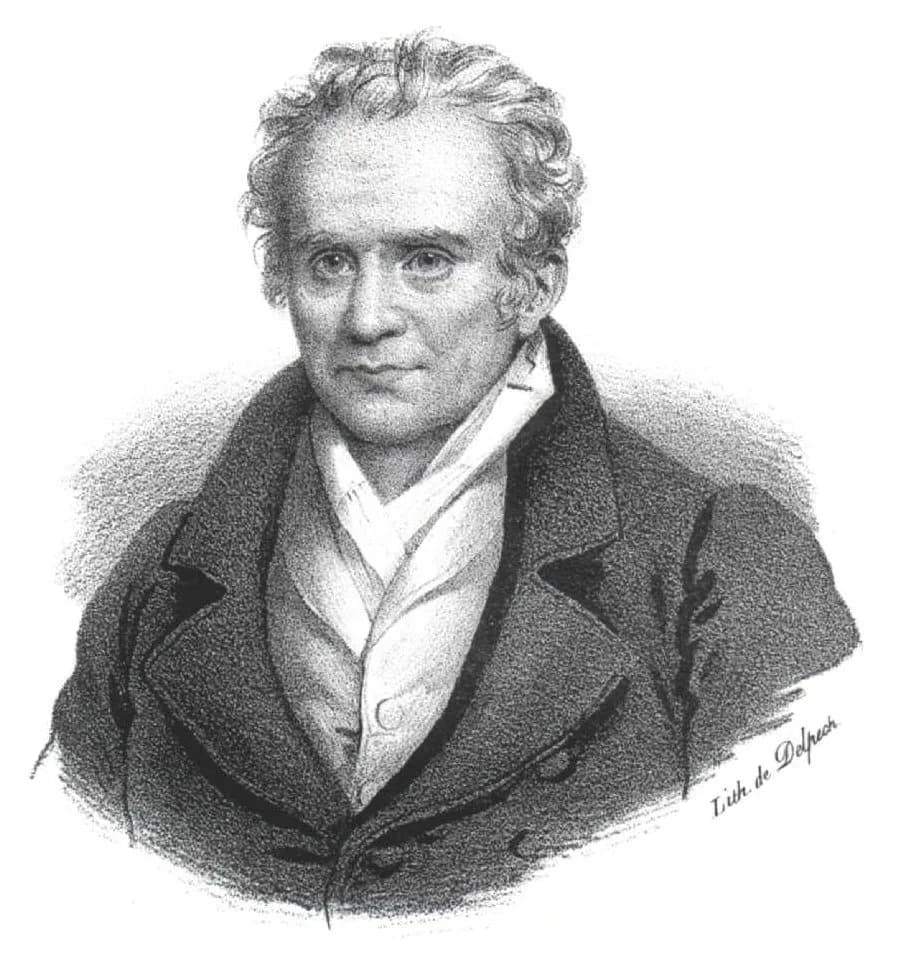
Rođen/a
May 9, 1746
Beaune, France
Umro/la
July 28, 1818
Paris, France
Poznat/a po
French mathematician, inventor of descriptive geometry and father of differential geometry
Gaspard Monge (1746-1818) was a French mathematician from Beaune who invented descriptive geometry and founded differential geometry. His work revolutionized technical drawing and engineering design, providing systematic methods for representing three-dimensional objects. He transformed mathematical education and engineering practice across Europe.
Život u trenucima
Trenuci koji su oblikovali život
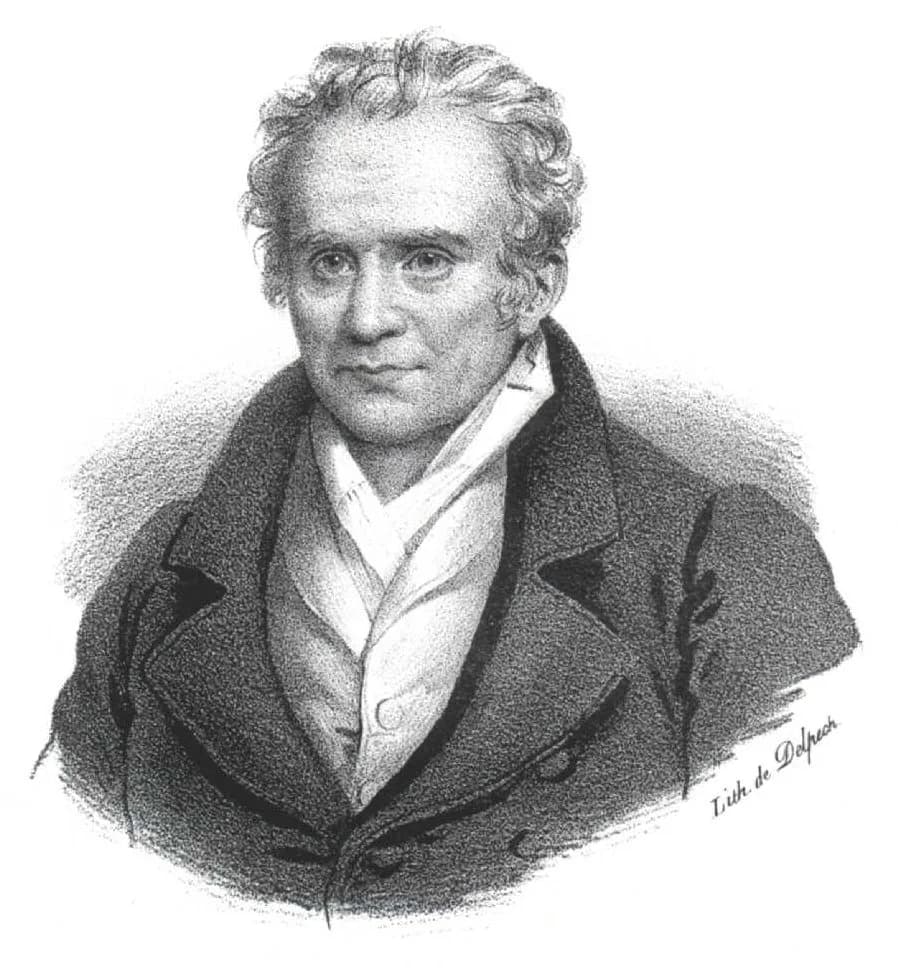
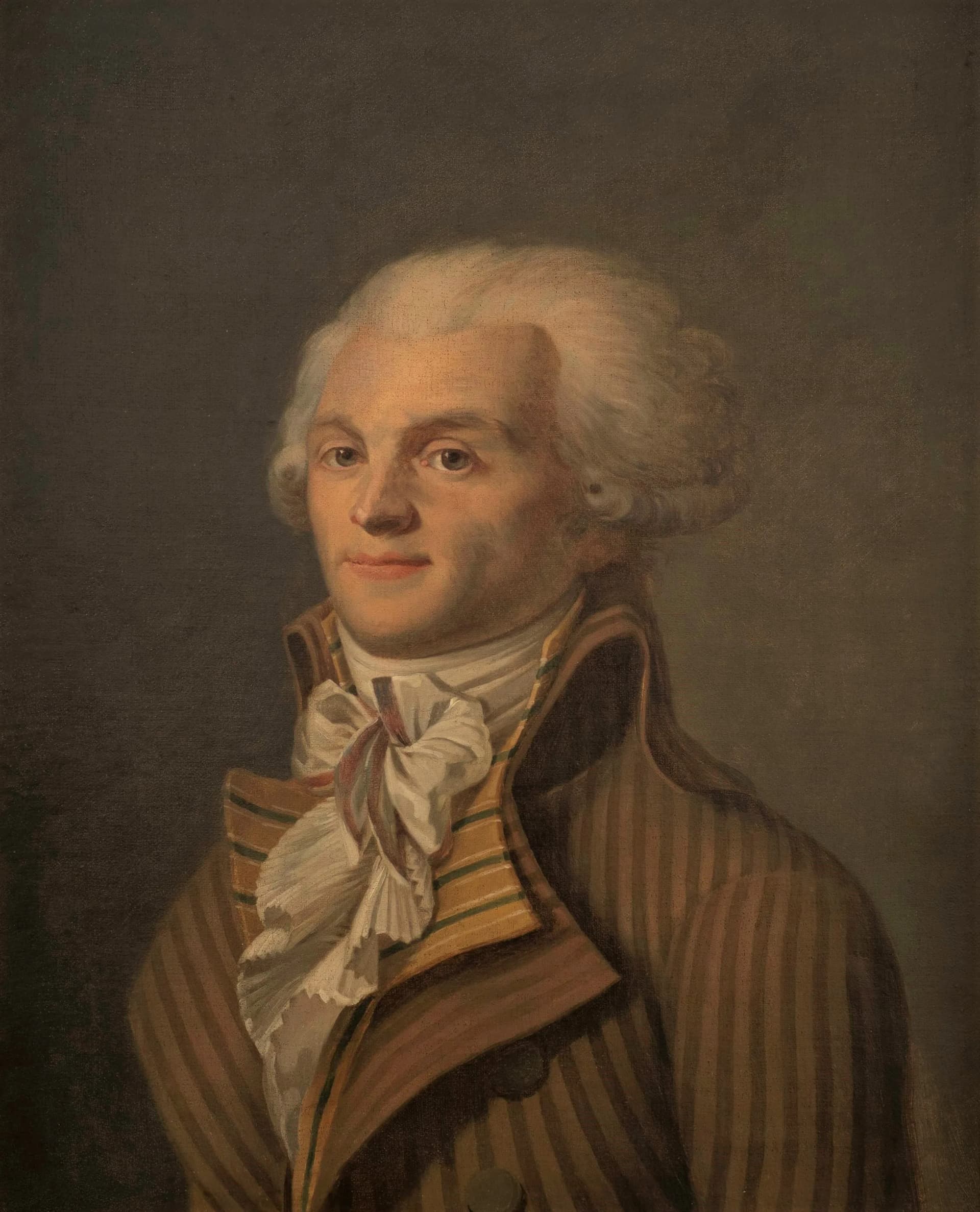
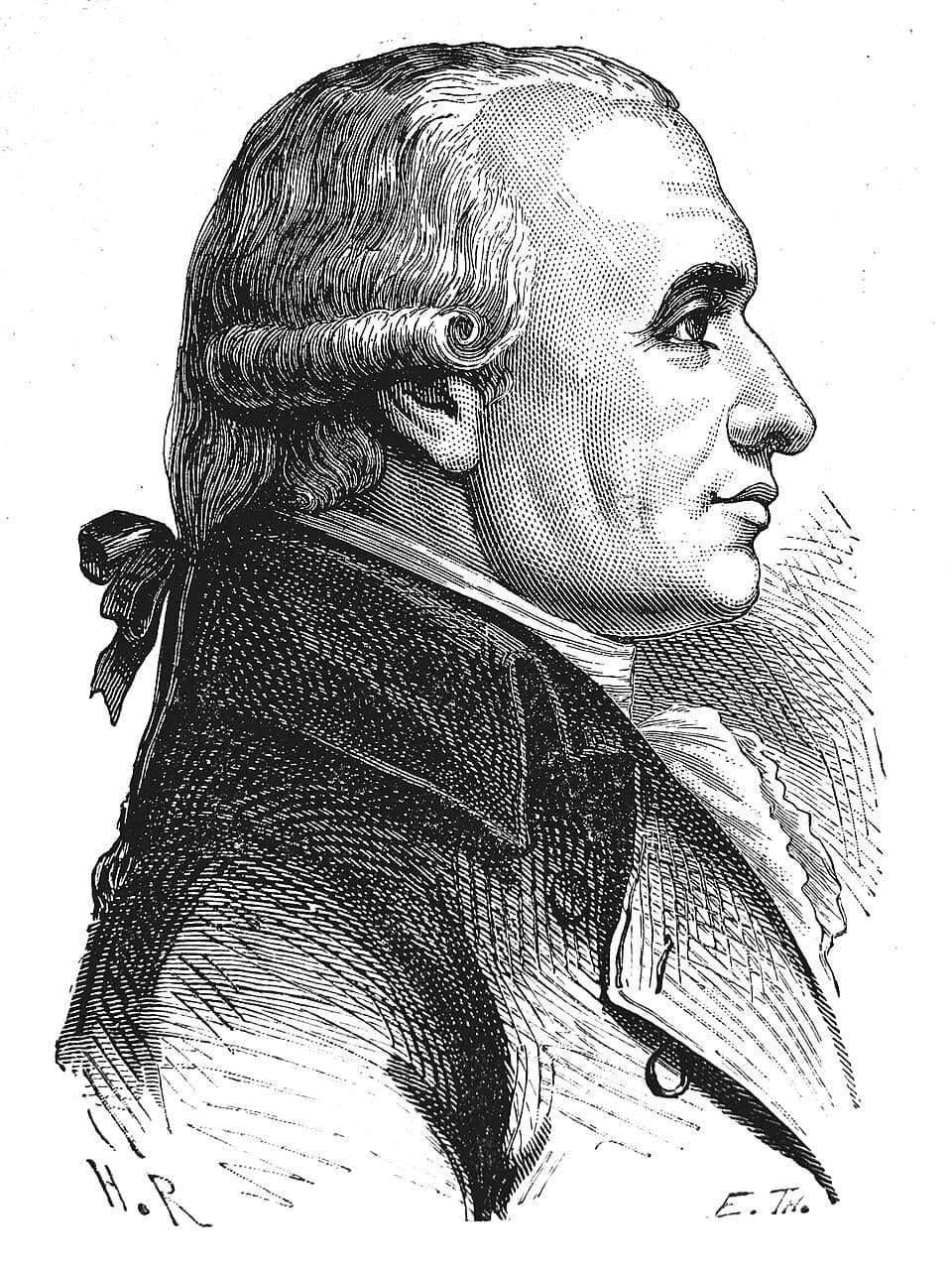
![Gaspard Monge - from [1]](/_next/image?url=https%3A%2F%2Fcdn.whowasthisguy.com%2Fgallery_wikimedia_commons_1779978784075_1_d622991c7e.webp&w=1920&q=75)
Poglavlje
Životna poglavlja
Poglavlje 1 · 1746· Poglavlje 1 od 6
Early Life and Origins
Gaspard Monge was born in Beaune, a historic town in the Burgundy region of France, on May 9, 1746. His early years were spent in this wine-producing region, where he first displayed the analytical mind that would later transform mathematics. The son of a merchant family, Monge showed exceptional mathematical ability from a young age, demonstrating the keen spatial reasoning that would become his trademark.
His education began in local schools before he moved on to more advanced studies. During his youth, Monge developed the foundational skills in mathematics and physics that would serve him throughout his career. The intellectual environment of 18th-century France, with its emphasis on reason and scientific inquiry, provided the perfect backdrop for his developing mathematical genius.
Poglavlje 2· Poglavlje 2 od 6
Career Beginnings
Monge's professional career began in education, where he served as a teacher and quickly gained recognition for his innovative approaches to mathematical instruction. His early work involved both theoretical mathematics and practical applications, a combination that would define his entire career. He demonstrated remarkable versatility, working simultaneously as an engineer while developing his mathematical theories.
During these formative years, Monge began developing the geometric principles that would later become descriptive geometry. His work bridged the gap between pure mathematics and practical engineering, creating tools that could be used both in theoretical research and real-world construction projects. This dual focus on theory and application set him apart from many of his contemporaries.
Poglavlje 3· Poglavlje 3 od 6
Major Achievements and Career Highlights
Monge's most significant contribution to mathematics was his invention of descriptive geometry, a systematic method for representing three-dimensional objects on two-dimensional surfaces. This revolutionary approach transformed technical drawing and engineering design, providing architects and engineers with precise tools for visualizing complex structures. His work in this area earned him widespread recognition throughout Europe's scientific community.
Equally important was his role as the father of differential geometry, where he developed mathematical techniques for analyzing curves and surfaces. These methods became essential tools in advanced mathematics and physics, influencing generations of mathematicians and scientists. His work laid the groundwork for many later developments in mathematical analysis and geometric theory.
Beyond pure mathematics, Monge distinguished himself as a physicist and chemist, demonstrating the broad scientific curiosity characteristic of Enlightenment thinkers. He also served as a politician, contributing to public life during a turbulent period in French history. His role as a university teacher allowed him to influence countless students who would carry forward his mathematical innovations.
Poglavlje 4· Poglavlje 4 od 6
Notable Works and Contributions
Descriptive geometry represents Monge's most enduring contribution to human knowledge. This systematic approach to technical drawing provided engineers and architects with precise methods for representing complex three-dimensional structures on paper. The techniques he developed became standard practice in engineering schools throughout Europe and remain fundamental to technical education today.
His work in differential geometry opened new avenues for mathematical research, providing tools for analyzing the properties of curves and surfaces. These methods proved essential for later developments in physics and engineering, particularly in areas requiring precise analysis of complex shapes and forms. Monge's geometric insights influenced fields ranging from architecture to astronomy.
As a teacher and university educator, Monge developed pedagogical methods that made complex mathematical concepts accessible to students. His approach to mathematical education emphasized both theoretical understanding and practical application, preparing students for careers in engineering and scientific research. Many of his students became leading figures in mathematics and engineering throughout the 19th century.
Poglavlje 5· Poglavlje 5 od 6
Later Years
Monge's later career was marked by continued innovation and teaching excellence. He maintained his active involvement in mathematical research while taking on greater responsibilities in academic administration. His reputation as both a mathematician and educator attracted students from across Europe, making him one of the most influential teachers of his generation.
During his final years, Monge continued working on geometric problems while witnessing the widespread adoption of his descriptive geometry methods. He saw his techniques become standard practice in engineering schools and watched as his students carried his ideas to new applications. His health remained good enough to allow continued mathematical work almost until the end of his life.
Gaspard Monge died in Paris on July 28, 1818, leaving behind a mathematical legacy that had already begun transforming engineering and mathematical education. His death marked the end of an era in French mathematics, but his ideas continued to influence scientific development throughout the 19th century and beyond.
Poglavlje 6· Poglavlje 6 od 6
Legacy and Impact
Monge's invention of descriptive geometry fundamentally changed how engineers and architects approach design problems. His systematic methods for representing three-dimensional objects became essential tools in construction, manufacturing, and engineering design. Modern computer-aided design systems still rely on principles that Monge first articulated in the 18th century.
In mathematics, his development of differential geometry provided the foundation for numerous later advances in geometric analysis. His work influenced mathematicians throughout the 19th and 20th centuries, contributing to developments in topology, analysis, and mathematical physics. The geometric insights he developed remain central to modern mathematical education and research.
As an educator, Monge helped establish the French tradition of excellence in mathematical education that continues today. His emphasis on combining theoretical rigor with practical application became a model for technical education worldwide. The engineering schools he influenced helped train the professionals who built the industrial infrastructure of the modern world.
Česta pitanja
Često postavljana pitanja
Kada je umro/la Gaspard Monge?
Gaspard Monge je umro/la 28. juli 1818. u Paris, France u 72. godini života.
Gdje je rođen(a) Gaspard Monge?
Gaspard Monge je rođen(a) u Beaune, France 9. maj 1746..
Po čemu je Gaspard Monge najpoznatiji(a)?
Gaspard Monge je najpoznatiji(a) po French mathematician, inventor of descriptive geometry and father of differential geometry.
Koliko je Gaspard Monge imao/la godina u trenutku smrti?
Gaspard Monge je imao/la 72 godina u trenutku smrti.
Kojeg porijekla je bio/la Gaspard Monge?
Gaspard Monge je bio/la iz France.
Vremenska linija
Život u kratkom pregledu
Galerija fotografija
Život u slikama
Kliknite bilo koji polaroid za uvećanje · 22 fotografija
QR kod
Podijelite ovu biografiju
Štampaj i podijeli
Skenirajte za posjetu ovoj biografskoj stranici. Štampajte za događaje, izložbe ili obrazovne materijale.