Rođen/a
August 25, 1912
Neunkirchen, Germany
Umro/la
May 29, 1994
La Reina, Chile
Poznat/a po
former leader of East Germany, General Secretary of the Socialist Unity Party
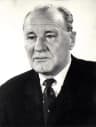
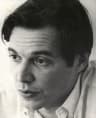
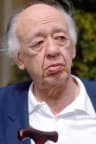
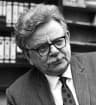
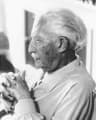
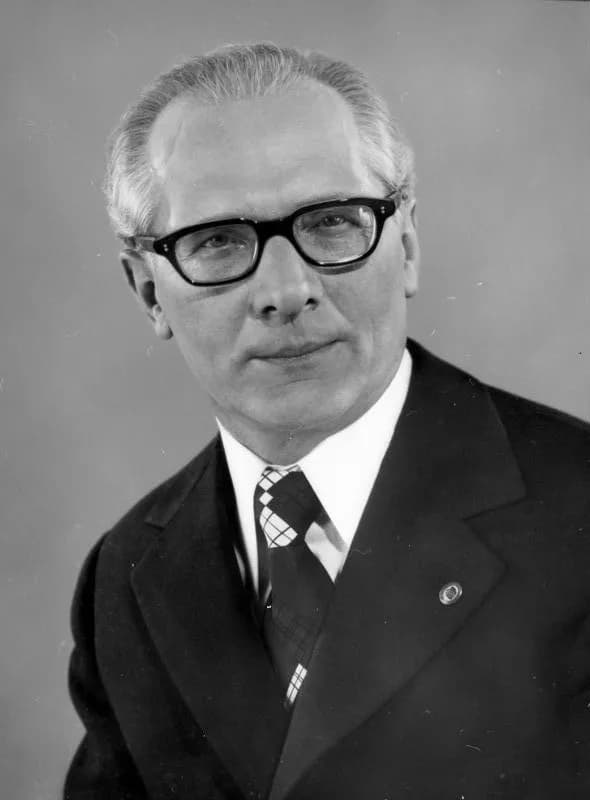
Erich Honecker (1912–1994) was Germany best known for former leader of East Germany, General Secretary of the Socialist Unity Party.
Erich Honecker (August 25, 1912 – May 29, 1994) was a German communist politician who led East Germany from 1971 until 1989. He served as General Secretary of the Socialist Unity Party and Chairman of the State Council. His leadership saw close ties to the Soviet Union, and he was viewed as a dictator.
Poglavlje
Životna poglavlja
Poglavlje 1 · 1912· Poglavlje 1 od 6
Early Life and Origins
Erich Honecker's journey began in Neunkirchen, Germany, where he was born on August 25, 1912. His formative years in Germany undoubtedly shaped his political ideologies and commitment. From his early days, he aligned himself with communist principles, laying the groundwork for a career steeped in political activism and leadership.
His early life experiences contributed to his emergence as a notable German communist politician. Beyond his political convictions, Honecker also distinguished himself as a resistance fighter. This aspect of his early life suggests a period of profound dedication and struggle, cementing his resolve and preparing him for the demanding political landscape he would later navigate.
Poglavlje 2· Poglavlje 2 od 6
Career Beginnings
Honecker's path into leadership was rooted in his identity as a German communist politician and resistance fighter. These foundational experiences provided him with a unique perspective and a strong base for his ascent within the political structures of post-war Germany. His commitment to communist ideals from an early age was a consistent thread throughout his evolving career.
The resilience and strategic thinking required of a resistance fighter would prove invaluable as he transitioned into formal political roles. His early endeavors in the political sphere set the stage for his eventual rise to prominence within the Socialist Unity Party. These initial stages of his career were crucial in establishing his authority and vision for the future of East Germany.
Poglavlje 3 · 1971· Poglavlje 3 od 6
Major Achievements and Career Highlights
Erich Honecker's leadership of the German Democratic Republic stands as his most significant professional achievement. He guided East Germany for nearly two decades, serving as its paramount leader from 1971. This extensive period of leadership allowed him to shape the country's domestic and foreign policies.
During his tenure, Honecker held several powerful posts. He was the General Secretary of the Socialist Unity Party of Germany (SED), a position that placed him at the helm of the country's ruling party. This role was central to exercising political authority and directing the nation's socialist development. Furthermore, he served as Chairman of the National Defence Council, underscoring his influence over East Germany's military and security apparatus.
A significant shift in his responsibilities occurred in 1976 when Honecker replaced Willi Stoph as Chairman of the State Council. This appointment elevated him to the official head of state for the German Democratic Republic. In this capacity, he represented the nation on the international stage and oversaw its constitutional functions, consolidating his power across political, military, and state leadership branches.
Under Honecker's leadership, East Germany maintained exceptionally close ties to the Soviet Union. This relationship was a cornerstone of East German policy and integration within the Eastern Bloc. The strength of these ties was further exemplified by the Soviet Union's maintenance of a large army within the country, highlighting East Germany's strategic importance and its alliance with the Soviet superpower. While he was viewed by many as a dictator, his leadership undeniably left an enduring mark on the nation and its trajectory.
Poglavlje 4· Poglavlje 4 od 6
Notable Works or Contributions
As an autobiographer and a prolific political figure, Erich Honecker contributed to a body of published works that reflected his political thought and directives. His writings offer insights into the ideological underpinnings of his leadership and the policies of the German Democratic Republic during his time in power. These works often served as guidelines or explanations for party functions and national objectives.
Among his notable works is "Zur Durchführung der Parteiwahlen 1975/76," which likely outlined the procedures and ideological principles governing party elections during that specific period. Another significant piece, "Indira Gandhi - Ich Erhebe Meine Stimme Für Die Sache des Friedens," suggests Honecker's engagement with international diplomacy and peace initiatives, potentially reflecting East Germany's foreign policy stances and its interactions with global leaders. The title "Erich Honecker -- cross examined" indicates a work that might delve into an interview format or a critical examination of his political actions and beliefs, possibly serving as an autobiographical reflection on his career.
Further contributions include "Izbrannoe," a title suggesting a collection of selected writings or speeches, offering a broader view of his political thought over time. "Konstituierung des Thomas-Müntzer-Komitees der Deutschen Demokratischen Republik am 11. März 1988 aus Anlass des 500. Geburtstages Thomas Müntzers 1989" points to his involvement in cultural and historical commemorations, linking East Germany's socialist identity to historical figures. "Sozialistische Demokratie in Aktion," "Sicherer Schutz des Sozialismus," "Partei und Volk fest verbunden," "Mit der Jugend in die Zukunft," and "Für dauerhaften Frieden" are additional titles that convey his focus on the practical application of socialist democracy, the security of the socialist state, the unity between the party and the people, the role of youth in the future, and the pursuit of lasting peace.
Poglavlje 5 · 1989· Poglavlje 5 od 6
Later Years
Erich Honecker's long tenure as leader of East Germany came to an end shortly before one of the most transformative events of the 20th century: the fall of the Berlin Wall in November 1989. This marked a significant turning point in both his personal career and the history of his nation. His departure from power occurred during a period of immense political upheaval and systemic change across Eastern Europe.
After stepping down from leadership, Honecker's life continued outside of the political spotlight of East Germany. He ultimately passed away in La Reina, Chile, on May 29, 1994. His final years were spent away from the country he had led for so long, concluding a life that had been deeply intertwined with the trajectory of the German Democratic Republic.
Poglavlje 6· Poglavlje 6 od 6
Legacy and Impact
Erich Honecker's legacy is intrinsically linked to the history of the German Democratic Republic. As its leader for nearly two decades, he presided over a period characterized by close alignment with the Soviet Union and a distinct socialist development path. His roles as General Secretary of the Socialist Unity Party and Chairman of the State Council solidified his position as the central figure in East German politics and governance.
The close ties to the Soviet Union and the presence of a large Soviet army in the country during his leadership underscore the geopolitical realities of the Cold War era. Honecker's tenure is often remembered in the context of the broader socialist bloc and its eventual dissolution. Though viewed as a dictator by many, his leadership shaped East German society, economy, and its international standing during a critical juncture in the 20th century, leaving an indelible mark on its memory.
Život u trenucima
Trenuci koji su oblikovali život
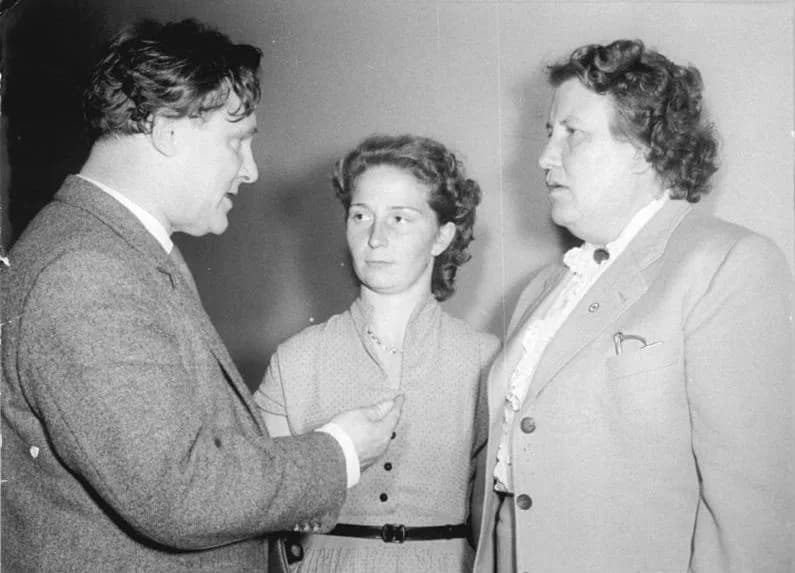
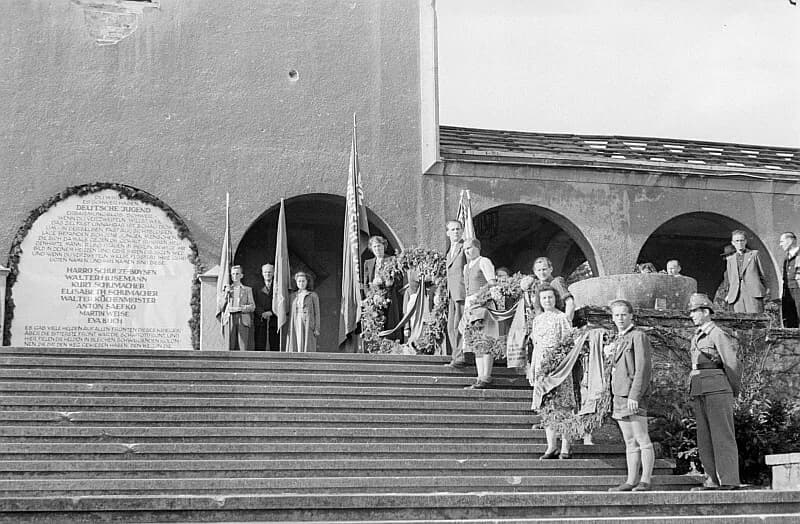
Česta pitanja
Često postavljana pitanja
Kada je umro/la Erich Honecker?
Erich Honecker je umro/la 29. maj 1994. u La Reina, Chile u 81. godini života.
Gdje je rođen(a) Erich Honecker?
Erich Honecker je rođen(a) u Neunkirchen, Germany 25. august 1912..
Po čemu je Erich Honecker najpoznatiji(a)?
Erich Honecker je najpoznatiji(a) po former leader of East Germany, General Secretary of the Socialist Unity Party.
Koliko je Erich Honecker imao/la godina u trenutku smrti?
Erich Honecker je imao/la 81 godina u trenutku smrti.
Kojeg porijekla je bio/la Erich Honecker?
Erich Honecker je bio/la iz Germany.
Vremenska linija
Život u kratkom pregledu
Galerija fotografija
Život u slikama
Kliknite bilo koji polaroid za uvećanje · 48 fotografija
QR kod
Podijelite ovu biografiju
Štampaj i podijeli
Skenirajte za posjetu ovoj biografskoj stranici. Štampajte za događaje, izložbe ili obrazovne materijale.