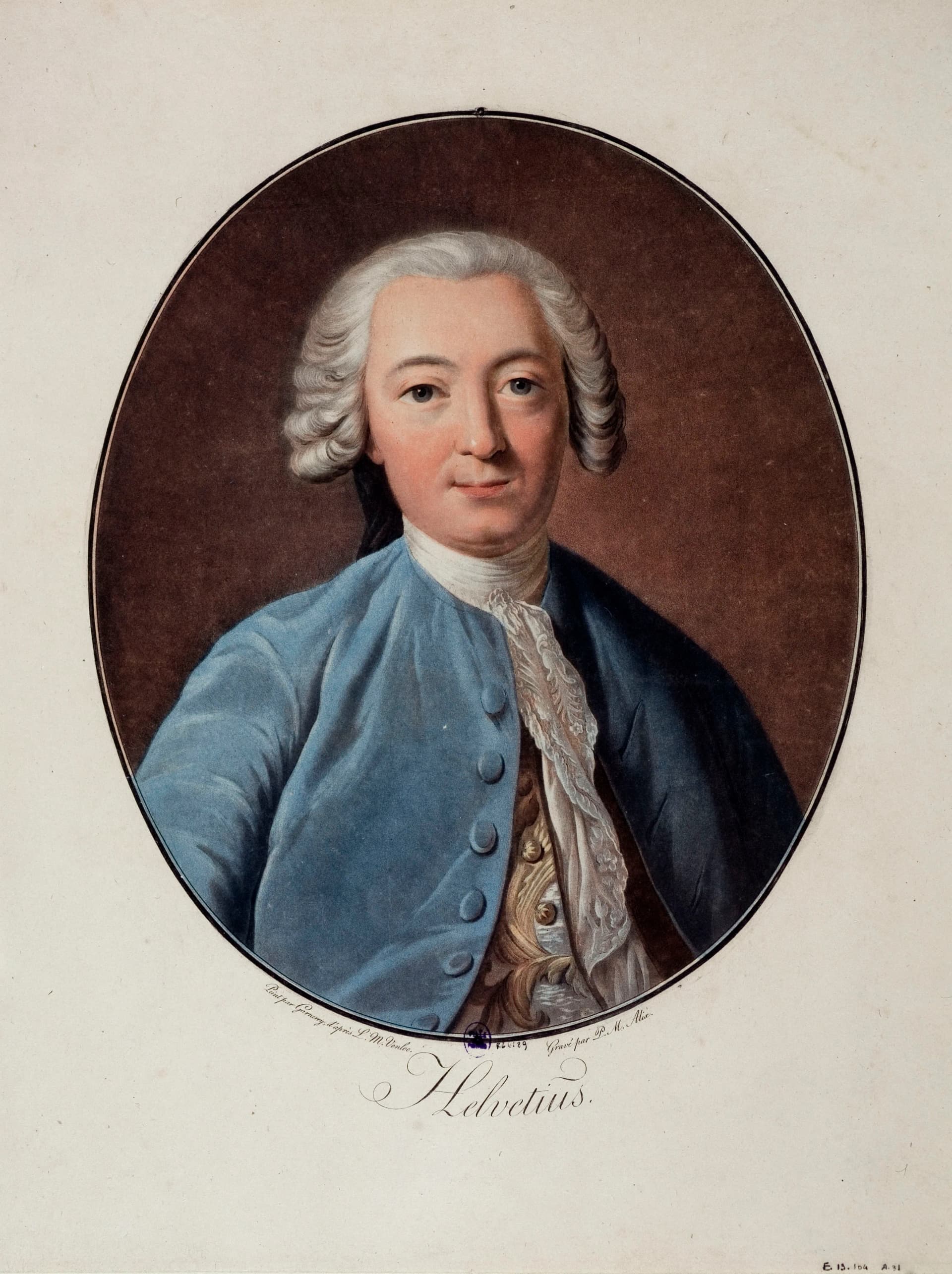
Rođen/a
January 26, 1715
rue Sainte-Anne, France
Umro/la
December 26, 1771
Paris, France
Poznat/a po
French philosopher;
Claude Adrien Helvétius (1715–1771) was France best known for French philosopher;.
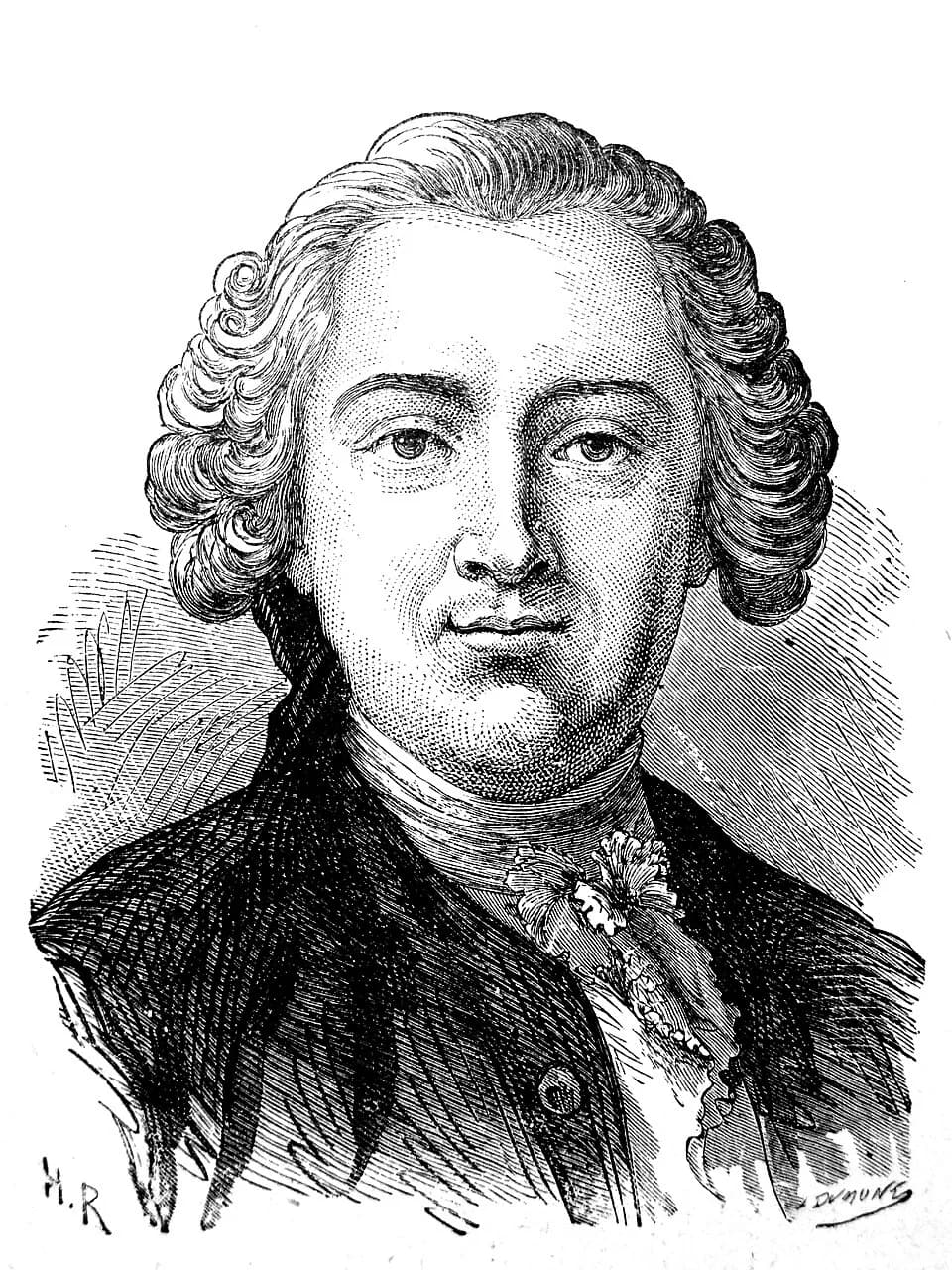
Claude Adrien Helvétius (January 26, 1715 – December 26, 1771) was a French philosopher and writer. He was known for his materialist philosophy and utilitarian ethics, particularly in his controversial work "De l'esprit." His ideas significantly influenced Enlightenment thought on education and human nature.
Život u trenucima
Trenuci koji su oblikovali život
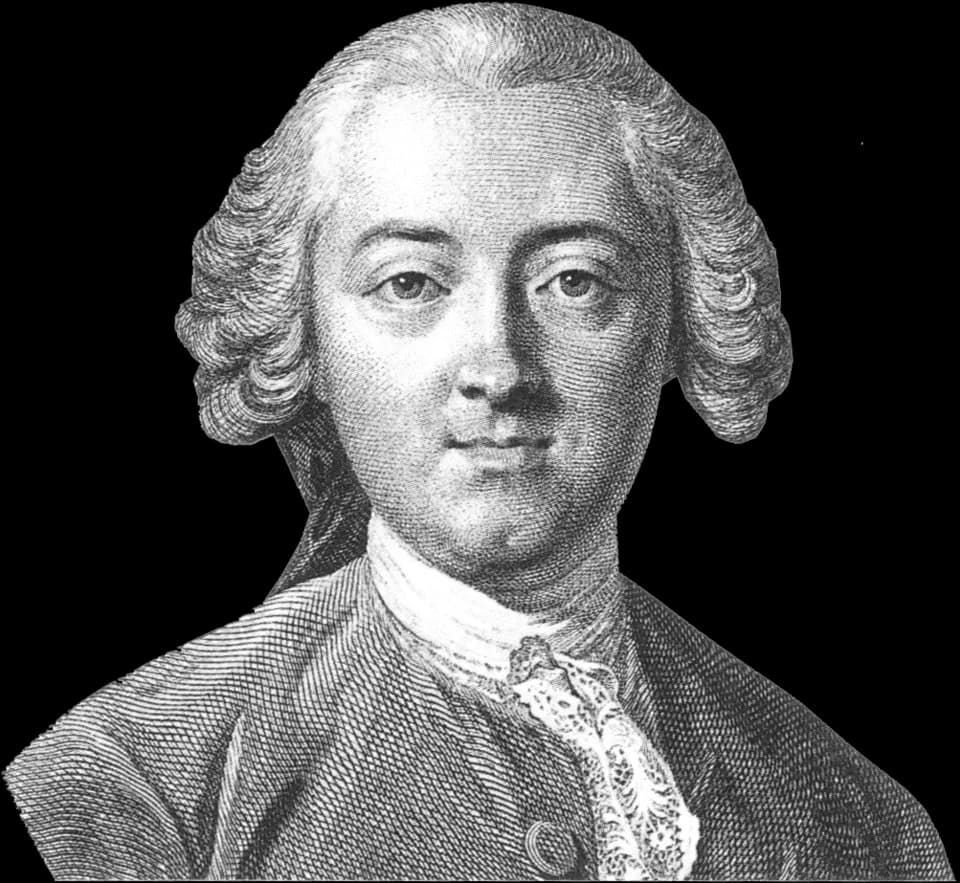
Poglavlje
Životna poglavlja
Poglavlje 1 · 1715· Poglavlje 1 od 7
Early Life and Origins
Claude Adrien Helvétius began his life on January 26, 1715, in rue Sainte-Anne, France, a time and place ripe with intellectual ferment. His upbringing in this vibrant French environment undoubtedly shaped his philosophical leanings and his eventual engagement with the key ideas of the Enlightenment. The societal and cultural dynamics of 18th-century France provided the backdrop for his formative years, influencing his critical outlook on human experience and morality.
While specific details of his family and early education are not extensively detailed, it is clear that he developed the rigorous intellectual curiosity necessary for his future pursuits. His early exposure to the burgeoning philosophical discourse of the era likely fostered his deep interest in reason, ethics, and the human condition. This foundational period in France laid the groundwork for his later emergence as a significant philosophical voice.
Poglavlje 2· Poglavlje 2 od 7
Career Beginnings
Helvétius embarked on his professional journey as a writer and poet, showcasing an early aptitude for literary expression and critical thought. His initial foray into the literary world provided him with the skills to articulate complex ideas, which would become central to his later philosophical works. As he developed his craft, he transitioned towards more explicit philosophical and moral inquiry.
He soon became recognized as a moralist and philosopher, contributing to the intellectual currents of his time, particularly as an encyclopédiste. His involvement with the Encyclopédie, a monumental undertaking of the French Enlightenment, positioned him at the heart of intellectual reform. This early engagement allowed him to collaborate with other leading thinkers and disseminate his burgeoning philosophical concepts to a wider audience.
Poglavlje 3· Poglavlje 3 od 7
Major Achievements and Career Highlights
One of Claude Adrien Helvétius's most significant achievements was his role as a leading French philosopher, influencing the discourse on ethics, psychology, and education. His work challenged prevailing notions by arguing for the central role of sensation and self-interest in human motivation, a concept that spurred considerable debate. His contributions were particularly influential within Enlightenment circles, where he was highly regarded for his original and provocative ideas.
Among his career highlights, his association with the Freemasonry movement further underscores his commitment to intellectual and social reform. As a littérateur, his eloquent writing style made his philosophical arguments accessible and engaging, solidifying his reputation as a formidable intellectual. Helvétius's dedication to exploring the origins of moral judgment and the potential for societal improvement marked him as a key figure of his era.
His academic footprint, though recorded posthumously, indicates the enduring value of his work, with his top works like "A treatise on man, his intellectual faculties and his education" and "de L'Esprit, Or, Essays on the Mind, and Its Several Faculties" accumulating significant citations. These works demonstrate the lasting academic relevance of his theories concerning human understanding and the power of education. His output, comprising at least five notable papers, including significant philosophical treatises, confirms his standing as a serious and impactful scholar.
Poglavlje 4· Poglavlje 4 od 7
Personal Life
While specific details regarding Claude Adrien Helvétius's personal family life and relationships are not extensively documented, we know that he was a Freemason. This affiliation suggests an involvement in intellectual and social networks that extended beyond academic or literary circles, aligning with the Enlightenment's emphasis on reason, progress, and fraternity. His participation in such a society likely provided a stimulating environment for the development and exchange of his philosophical ideas.
As a littérateur, Helvétius cultivated interests that transcended pure philosophy, encompassing poetry and various forms of writing. This breadth of interest points to a well-rounded intellectual life, where the pursuit of knowledge and aesthetic expression intertwined. His contributions to diverse literary and philosophical forms suggest a personal dedication to the arts and sciences as avenues for human betterment.
Poglavlje 5 · 1758· Poglavlje 5 od 7
Notable Works or Contributions
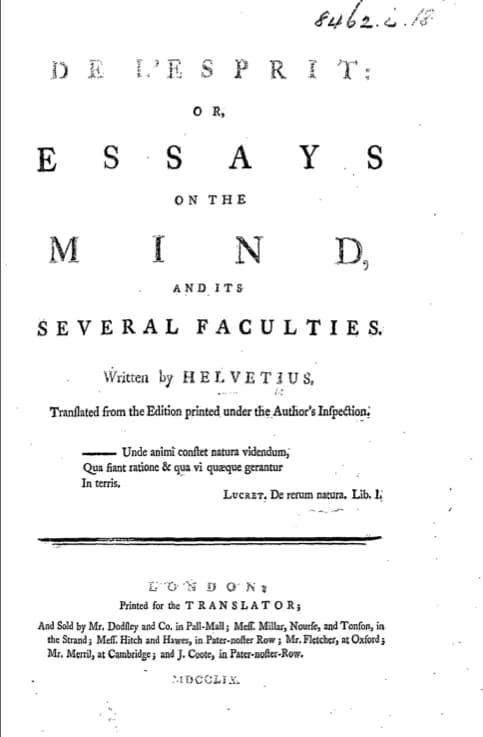
Claude Adrien Helvétius's bibliography includes several seminal works that profoundly shaped philosophical discourse. His most acclaimed work, "De l'esprit, or, Essays on the mind," published in 1758, was a major contribution, examining the role of sensation and pleasure in human psychology and ethics. This controversial text famously argued that all human faculties, including intellect, derive from physical sensation and that self-interest is the sole motivator of human action, leading to its condemnation by the Sorbonne and the French Parliament.
Another significant posthumous work is "A treatise on man, his intellectual faculties and his education," which further developed his ideas on human understanding and the power of education to shape individuals and society. This treatise reinforced his materialist philosophy and his utilitarian approach to morality, advocating for education as the primary tool for social progress. These works, along with titles such as "Oeuvres complètes d'Helvétius" and "Oeuvres complettes de M. Helvétius," represent the full scope of his philosophical output.
Helvétius also explored various other forms of writing, including "Poésies," demonstrating his versatility as a writer. His work "Le bonheur" delved into the nature of happiness, while "Politique Naturelle, Ou, Discours Sur les Vrais Principes du Gouvernement; Volume 1" outlined his thoughts on governance and societal structure. Even a title like "Dukh Gelʹvet︠s︡īi︠a}" in its original Russian transliteration signifies the international reach and lasting interest in his ideas. His literary endeavors also included "The Child of nature, improved by chance," further illustrating his diverse intellectual engagements and his ability to convey complex ideas across different genres.
Poglavlje 6 · 1771· Poglavlje 6 od 7
Later Years
Claude Adrien Helvétius spent his final years continuing his intellectual pursuits, culminating in his passing on December 26, 1771, in Paris, France. Despite the controversies surrounding his most famous works, he remained a dedicated philosopher and writer throughout his life. His presence in Paris, a hub of Enlightenment activity, ensured he was at the center of the era's intellectual debates and developments.
His death in Paris marked the end of a prolific life dedicated to the examination of human nature, morality, and society. Even in his later years, his ideas continued to provoke thought and discussion, laying the groundwork for future generations of philosophers. The city where he died was also the epicenter of much of his philosophical and literary output, cementing his association with the French Enlightenment.
Poglavlje 7· Poglavlje 7 od 7
Legacy and Impact
The legacy of Claude Adrien Helvétius is profound, particularly in his contribution to utilitarianism, materialism, and educational philosophy. His insistence that environment and education primarily shape human character, rather than innate qualities, challenged traditional views and opened new avenues for thinking about social reform. His ideas stimulated considerable debate and controversy during his lifetime, which only served to amplify their influence on subsequent Enlightenment thinkers.
His emphasis on the principle of utility—that the greatest good for the greatest number should guide moral action—directly influenced later utilitarian philosophers like Jeremy Bentham. Helvétius's work helped to solidify the materialist position, asserting that mental phenomena could be reduced to physical sensations, a concept that continued to resonate in psychological and philosophical thought. The ongoing citation of his works, such as "A treatise on man, his intellectual faculties and his education," attests to their enduring relevance in academic discourse.
Through his writings and his role as an encyclopédiste, Helvétius played a crucial part in disseminating Enlightenment ideals across Europe. His critical examination of social institutions and his advocacy for a rational, experience-based understanding of humanity continue to inspire reflection on the nature of morality, governance, and the potential for human progress. He remains a key figure whose ideas significantly advanced the philosophical conversations of his time and continue to shape contemporary thought.
Česta pitanja
Često postavljana pitanja
Kada je umro/la Claude Adrien Helvétius?
Claude Adrien Helvétius je umro/la 26. decembar 1771. u Paris, France u 56. godini života.
Gdje je rođen(a) Claude Adrien Helvétius?
Claude Adrien Helvétius je rođen(a) u rue Sainte-Anne, France 26. januar 1715..
Po čemu je Claude Adrien Helvétius najpoznatiji(a)?
Claude Adrien Helvétius je najpoznatiji(a) po French philosopher;.
Koliko je Claude Adrien Helvétius imao/la godina u trenutku smrti?
Claude Adrien Helvétius je imao/la 56 godina u trenutku smrti.
Kojeg porijekla je bio/la Claude Adrien Helvétius?
Claude Adrien Helvétius je bio/la iz France.
Vremenska linija
Život u kratkom pregledu
Galerija fotografija
Život u slikama
Kliknite bilo koji polaroid za uvećanje · 50 fotografija
QR kod
Podijelite ovu biografiju
Štampaj i podijeli
Skenirajte za posjetu ovoj biografskoj stranici. Štampajte za događaje, izložbe ili obrazovne materijale.