Biografija · Swiss physicist

6 min read · 1,228 words

Charles Édouard Guillaume

1861 · 1938

Proživljenih godina
77
Fotografije
45
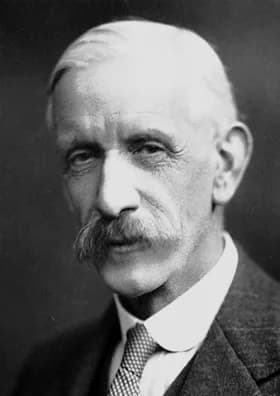
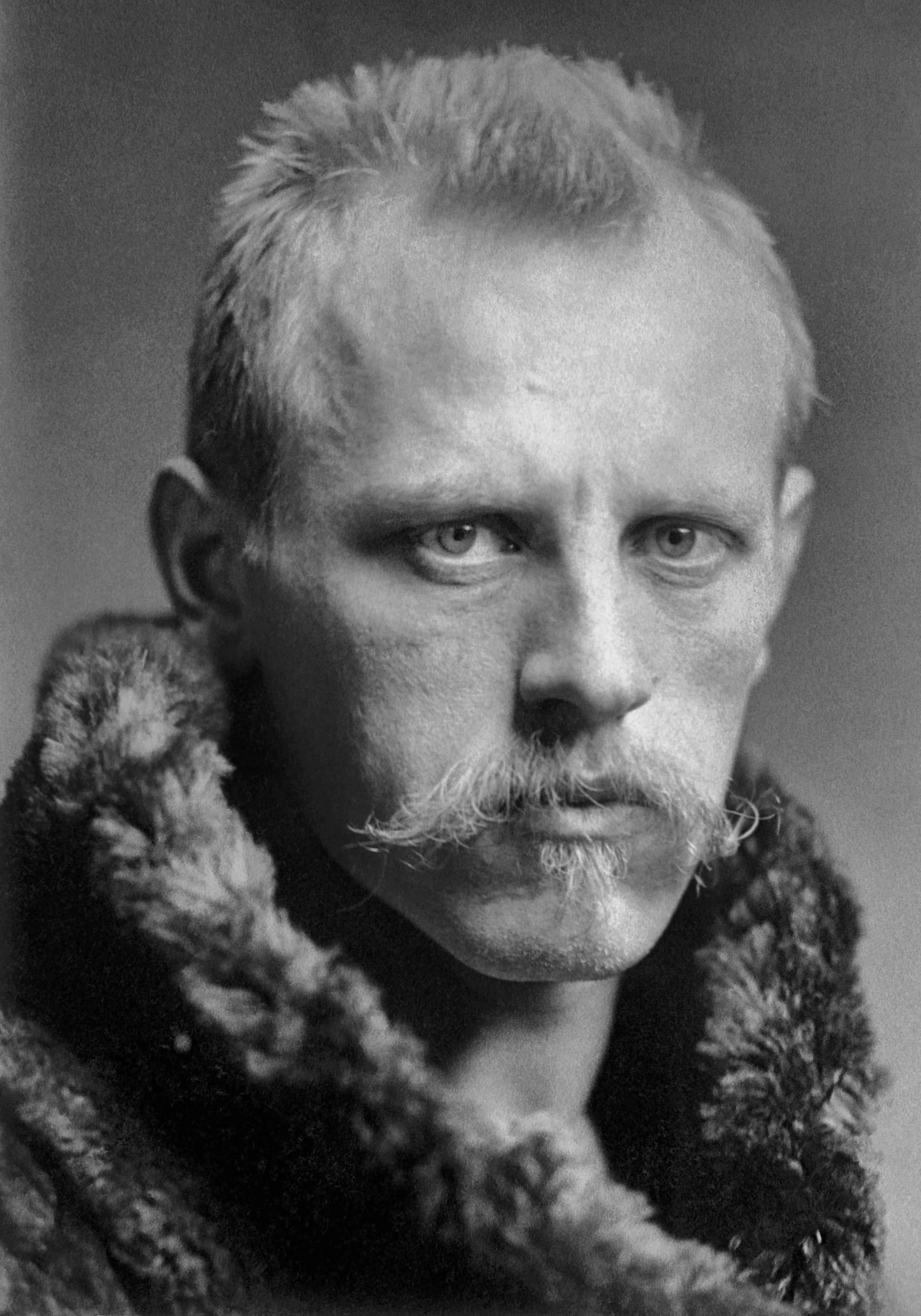
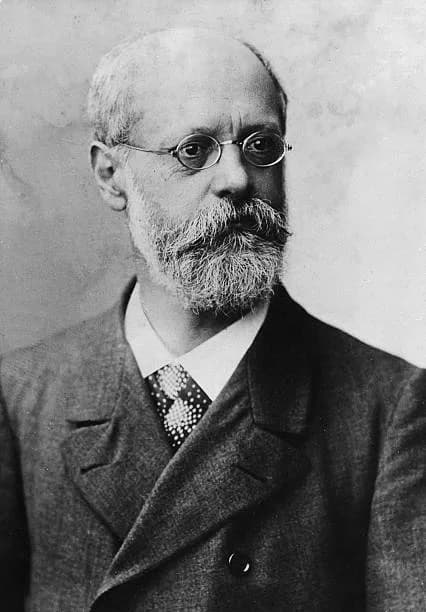
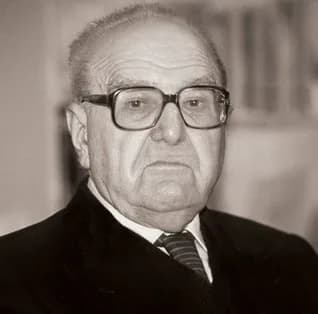
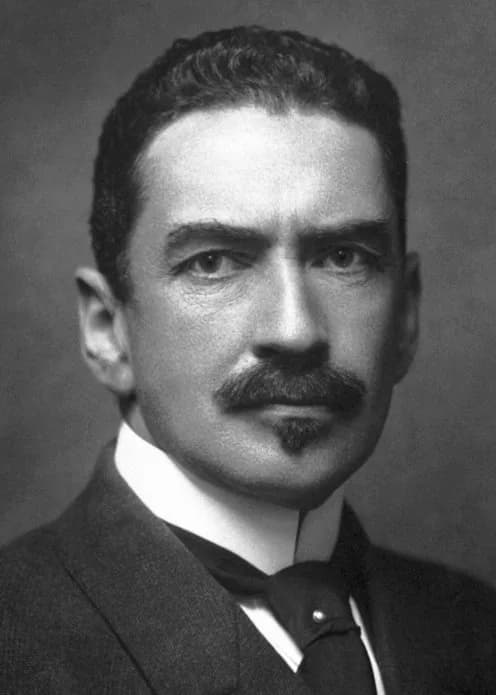
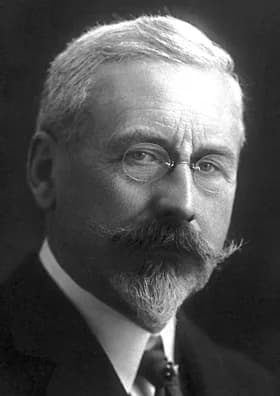
Charles Édouard Guillaume portrait

Rođen/a

February 15, 1861

Fleurier, Switzerland

Umro/la

June 13, 1938

Sèvres, France

Poznat/a po

Swiss physicist

Charles Édouard Guillaume (February 15, 1861 – June 13, 1938) was a Swiss physicist. He received the 1920 Nobel Prize in Physics for his discovery of anomalies in nickel steel alloys, which significantly advanced precision measurements. His work provided the foundation for materials critical to modern scientific instruments.

Život u trenucima

Trenuci koji su oblikovali život

Napisano na jeziku English

Poglavlje

Životna poglavlja

Poglavlje 1· Poglavlje 1 od 7

Early Life and Origins

Charles Édouard Guillaume began his life in Fleurier, a picturesque town nestled in the heart of Switzerland, known for its precision engineering and watchmaking traditions. This environment, where exactitude and intricate craftsmanship were highly valued, likely cultivated an early appreciation for accuracy and detail in the young Guillaume. The late 19th century was a period of rapid scientific and industrial advancement, and Switzerland, with its strong educational institutions, provided fertile ground for aspiring scientists.

While specific details about Guillaume's childhood and immediate family are not extensively documented, his eventual path into physics suggests a childhood rich in intellectual curiosity and a rigorous academic upbringing. Pursuing a career in science during this era required intense dedication and a profound commitment to understanding the natural world. His birthplace, with its emphasis on fine mechanics, perhaps foreshadowed his later focus on materials and their precise properties, laying an early foundation for his future scientific endeavors.

Poglavlje 2· Poglavlje 2 od 7

Career Beginnings

As Charles Édouard Guillaume transitioned into his professional life, he chose the demanding path of a physicist and researcher. This journey would have involved extensive theoretical study and practical laboratory work, typical for a scientist during the latter half of the 19th century. Early in his career, physicists often immersed themselves in fundamental questions about matter, energy, and the forces governing the universe, establishing the groundwork for future technological applications.

His initial work likely involved a deep engagement with the prevailing scientific challenges of the time, building upon the discoveries of preceding generations of physicists. The meticulous nature of his later groundbreaking research indicates that he developed an early affinity for experimental precision and detailed observation. His professional beginnings set the stage for a career defined by careful investigation and a relentless pursuit of empirical data, which would eventually lead him to his most celebrated discoveries.

Poglavlje 3· Poglavlje 3 od 7

Major Achievements and Career Highlights

Charles Édouard Guillaume's most significant contribution to physics centered on his detailed investigations into nickel steel alloys. His persistent experimentation led to the discovery of unusual characteristics within these materials, which he termed 'anomalies.' These findings revealed that certain compositions of nickel and steel exhibited highly unexpected behavior, particularly concerning their thermal expansion properties. Understanding these anomalies was crucial for developing new materials with previously unattainable stability.

This remarkable work provided immense service to the scientific community by significantly improving the accuracy of physical measurements. Instruments designed with these special alloys could maintain their dimensions and properties far more consistently, regardless of temperature fluctuations. This breakthrough was revolutionary for fields requiring extreme precision, such as metrology, where the exact definition of physical units is paramount. His discoveries paved the way for more stable scientific apparatus and measurement standards.

In recognition of this monumental contribution, Charles Édouard Guillaume was awarded the Nobel Prize in Physics in 1920. The Nobel Committee specifically cited his pioneering work "for the service he had rendered to precision measurements in physics by his discovery of anomalies in nickel steel alloys." This prestigious award underscored the global impact of his research, highlighting how a deep understanding of material properties could unlock new capabilities across diverse scientific and technological domains.

Before receiving the Nobel Prize, Guillaume's scientific stature was already well-recognized. In 1919, he was invited to deliver the esteemed fifth Guthrie Lecture at the Institute of Physics in London. His chosen topic, "The Anomaly of the Nickel-Steels," demonstrated the critical importance of his research findings to the international physics community. This lecture further solidified his reputation as a leading authority on the properties of these unique alloys and their implications for scientific advancement.

Poglavlje 4· Poglavlje 4 od 7

Personal Life

While Charles Édouard Guillaume's professional accomplishments are extensively recorded and celebrated, details regarding his personal life, family, and private interests are not readily available in public records. His biography primarily focuses on his scientific career and the profound impact of his research on the field of physics. Like many dedicated researchers of his era, his scientific pursuits likely consumed a significant portion of his life, with his laboratory often serving as a central point of focus.

Despite the absence of personal anecdotes, his legacy as a scientist speaks volumes about his character: a man of immense patience, precision, and intellectual rigor. His life story is best understood through the lens of his scientific contributions, which continue to influence countless applications today. The enduring value of his work serves as his most eloquent personal statement.

Poglavlje 5· Poglavlje 5 od 7

Notable Works or Contributions

Guillaume's most notable contribution was his systematic investigation into nickel steel alloys, particularly his identification of anomalies in their physical behavior. These investigations led to the development of materials with exceptionally low coefficients of thermal expansion, one of the most famous examples being Invar, though not explicitly named in the provided summary, it is the direct application of his discoveries. These alloys maintain their dimensions with remarkable stability across varying temperatures, a property previously difficult to achieve.

The implications of his research extended far beyond theoretical physics. The controlled properties of these alloys revolutionized the design of scientific instruments, chronometers, and length standards. For instance, the creation of precision pendulums for clocks or measuring tapes that resist expansion or contraction due to temperature changes became possible. This work essentially provided the physical foundation for achieving greater accuracy in a wide array of technological devices, impacting everything from everyday timekeeping to advanced scientific experimentation.

Poglavlje 6 · 1938· Poglavlje 6 od 7

Later Years

Charles Édouard Guillaume spent his final years in Sèvres, France, where he passed away on June 13, 1938. By this time, his Nobel Prize-winning work had already seen significant application and recognition across the scientific and industrial worlds. His discoveries had opened new avenues in materials science, and the materials influenced by his research were becoming integral to advanced technologies.

Even in his later years, the practical and theoretical implications of his investigations into nickel steel alloys would have continued to unfold. He witnessed the enduring impact of his scientific observations as the materials he helped to understand became indispensable in laboratories and industries globally. His passing marked the end of a prolific career, but the scientific principles he elucidated continued to thrive and inspire new generations of physicists and engineers.

Poglavlje 7· Poglavlje 7 od 7

Legacy and Impact

The legacy of Charles Édouard Guillaume is deeply embedded in the very fabric of modern precision science and technology. His discovery of anomalies in nickel steel alloys did not merely represent an interesting academic finding; it provided tangible solutions to critical engineering and scientific challenges. The ability to create materials with predictable and stable thermal properties has been fundamental to advancing metrology, astronomy, and countless other fields requiring unwavering accuracy.

His work fundamentally changed how scientists and engineers approached material selection for precision instruments. From high-accuracy balances to optical measurement systems and even components within spacecraft, the principles demonstrated by Guillaume's research ensure operational stability. The materials derived from his foundational studies allow for scientific data collection and technological performance that would otherwise be impossible due to environmental fluctuations.

Charles Édouard Guillaume remains a towering figure in the history of physics, demonstrating how focused research into seemingly specific material properties can lead to universal benefits. His dedication to uncovering the secrets of nickel steel alloys, and the resulting enhancement of precision measurements, stands as a testament to the power of scientific inquiry. His insights continue to be foundational, inspiring ongoing innovation in materials science and reaffirming the critical role of exactitude in scientific progress.

Vremenska linija

Život u kratkom pregledu

  1. 1938

    Later Years

Galerija fotografija

Život u slikama

Kliknite bilo koji polaroid za uvećanje · 39 fotografija

QR kod

Podijelite ovu biografiju

Štampaj i podijeli

Skenirajte za posjetu ovoj biografskoj stranici. Štampajte za događaje, izložbe ili obrazovne materijale.