Rođen/a
April 24, 1845
Liestal, Switzerland
Umro/la
December 29, 1924
Lucerne, Switzerland
Poznat/a po
Swiss writer
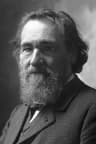
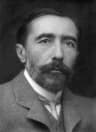
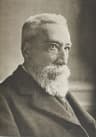
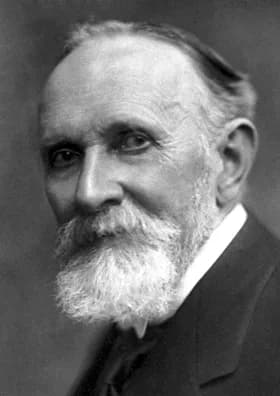
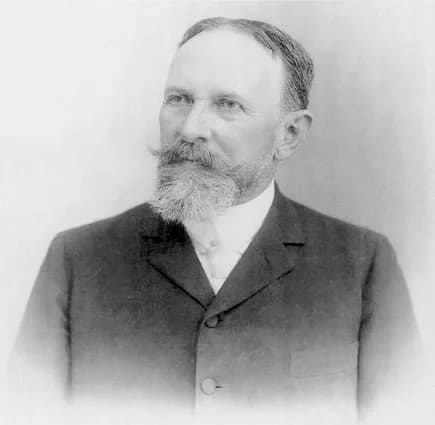
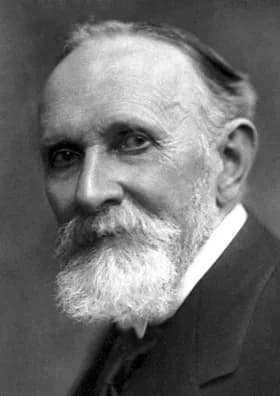
Carl Spitteler (1845–1924) was Switzerland best known for Swiss writer.
Carl Spitteler (April 24, 1845 – December 29, 1924) was a Swiss writer, poet, and theologian. He was awarded the Nobel Prize for Literature in 1919 for his epic <em>Olympian Spring</em>. His work explored themes that combined both pessimistic and heroic elements, leaving a significant mark on European literature.
Poglavlje
Životna poglavlja
Poglavlje 1 · 1845· Poglavlje 1 od 6
Early Life and Origins
Carl Spitteler entered the world in Liestal, Switzerland, on April 24, 1845, a birth that marked the beginning of a remarkable literary journey. His formative years in Switzerland undoubtedly shaped his unique perspective and artistic sensibilities. The cultural and natural beauty of his homeland likely influenced the themes and settings that would later appear in his extensive body of work.
Early in his intellectual development, Spitteler pursued studies that led him to become a theologian. This background in theology suggests a deep engagement with philosophical and spiritual questions, themes that frequently resonate within his poetic output. His early education provided a robust foundation for the complex moral and existential inquiries he would explore throughout his career.
Poglavlje 2· Poglavlje 2 od 6
Career Beginnings
Spitteler embarked on his professional path as a writer and poet, channeling his intellectual pursuits into creative expression. His initial works laid the groundwork for the distinctive style and thematic breadth that would come to define his literary voice. From the outset, he demonstrated a commitment to exploring profound human experiences through the medium of verse.
As he developed his craft, Spitteler began to cultivate the unique blend of pessimistic and heroic elements that would characterize much of his acclaimed poetry. These early explorations hinted at the epic scope and philosophical depth that would reach their zenith in his later, more celebrated compositions. His dedication to both form and content quickly established him as a serious literary figure.
Poglavlje 3 · 1919· Poglavlje 3 od 6
Major Achievements and Career Highlights
The pinnacle of Carl Spitteler’s illustrious career arrived in 1919 when he was awarded the Nobel Prize for Literature. This prestigious international recognition specifically lauded his epic poem, Olympian Spring, acknowledging its profound artistic merit and significant contribution to world literature. The Nobel Committee's decision underscored the global importance of his unique poetic vision.
His Nobel Prize brought widespread attention to his distinctive approach, which seamlessly integrated both pessimistic and heroic strains within his poetry. This dual perspective allowed him to delve into the complexities of the human condition, offering readers both moments of despair and powerful affirmations of courage. The award solidified his position as one of the most influential literary voices of his era, elevating Swiss literature onto the global stage.
Poglavlje 4· Poglavlje 4 od 6
Notable Works or Contributions
Carl Spitteler's bibliography showcases a rich and varied collection of works that span different forms and thematic concerns. His output included philosophical essays, epic poems, and more intimate poetic expressions. Each work contributed to his reputation as a versatile and profound writer.
Among his most acclaimed works is the epic Olympian Spring, which was cited by the Nobel Committee as a masterpiece deserving of the highest literary honor. Other significant titles include Meine Beziehungen zu Nietzsche, which offers insights into his intellectual influences, and the evocative Prometheus und Epimetheus, another work that reflects his engagement with mythological and philosophical themes. His collection of works also features Das Wettfasten von Heimligen, Extramundana, Lachende Wahrheiten, and Helvétique équilibre, each contributing to the breadth of his literary output.
His contributions further extend to pieces like Carl Spittelers Gottfried Keller-Rede in Luzern, a notable speech, and Unser Schweizer Standpunkt, which likely reflects his patriotic or national perspectives. Poems such as Schmetterlinge demonstrate his range, alongside the philosophical essays like Hommage an Carl Spitteler, a collection of tributes to his work, showcasing the respect he commanded among his peers and critics.
Poglavlje 5 · 1924· Poglavlje 5 od 6
Later Years
Carl Spitteler spent his final years in Lucerne, Switzerland, where he passed away on December 29, 1924, just five years after receiving the Nobel Prize. His later years were marked by the profound recognition of his literary achievements and his continued presence as a respected figure in Swiss culture. He remained a guiding light for aspiring writers and a celebrated voice for his nation.
His death in Lucerne brought to a close a life dedicated to literature and intellectual exploration. Though his passing marked the end of his earthly journey, his literary contributions ensured that his voice would continue to resonate. The final period of his life allowed him to witness the far-reaching impact of his work, particularly the global acclaim brought by the Nobel Prize.
Poglavlje 6· Poglavlje 6 od 6
Legacy and Impact
Carl Spitteler's legacy as a Swiss writer and poet is deeply ingrained in the annals of literary history. His unique ability to weave together pessimistic observations with heroic narratives continues to inspire readers and scholars alike. He demonstrated that profound philosophical inquiry could be beautifully expressed through the disciplined art of poetry.
The Nobel Prize for Literature he received for Olympian Spring solidified his place among the world's most significant literary figures. Spitteler’s work stands as a testament to the enduring power of epic poetry and its capacity to explore universal human themes. He remains an important reference point for discussions on Swiss literature and the broader European poetic tradition, influencing generations with his distinctive voice and intellectual courage.
Život u trenucima
Trenuci koji su oblikovali život
Česta pitanja
Često postavljana pitanja
Kada je umro/la Carl Spitteler?
Carl Spitteler je umro/la 29. decembar 1924. u Lucerne, Switzerland u 79. godini života.
Gdje je rođen(a) Carl Spitteler?
Carl Spitteler je rođen(a) u Liestal, Switzerland 24. april 1845..
Po čemu je Carl Spitteler najpoznatiji(a)?
Carl Spitteler je najpoznatiji(a) po Swiss writer.
Koliko je Carl Spitteler imao/la godina u trenutku smrti?
Carl Spitteler je imao/la 79 godina u trenutku smrti.
Kojeg porijekla je bio/la Carl Spitteler?
Carl Spitteler je bio/la iz Switzerland.
Vremenska linija
Život u kratkom pregledu
Galerija fotografija
Život u slikama
Kliknite bilo koji polaroid za uvećanje · 49 fotografija
QR kod
Podijelite ovu biografiju
Štampaj i podijeli
Skenirajte za posjetu ovoj biografskoj stranici. Štampajte za događaje, izložbe ili obrazovne materijale.