Rođen/a
March 25, 1881
Sânnicolau Mare, Romania
Umro/la
September 26, 1945
New York City, United States
Poznat/a po
Hungarian composer and pianist
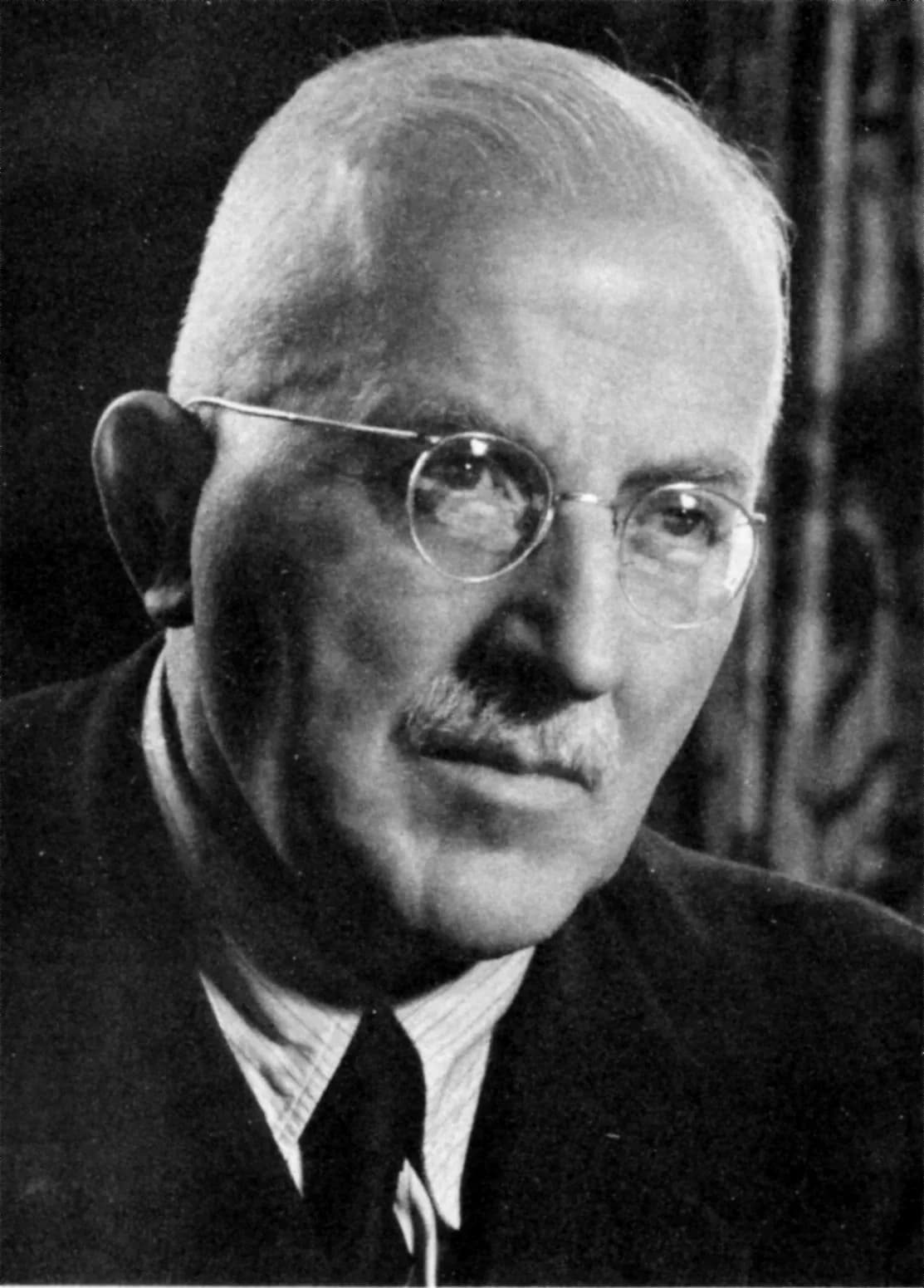
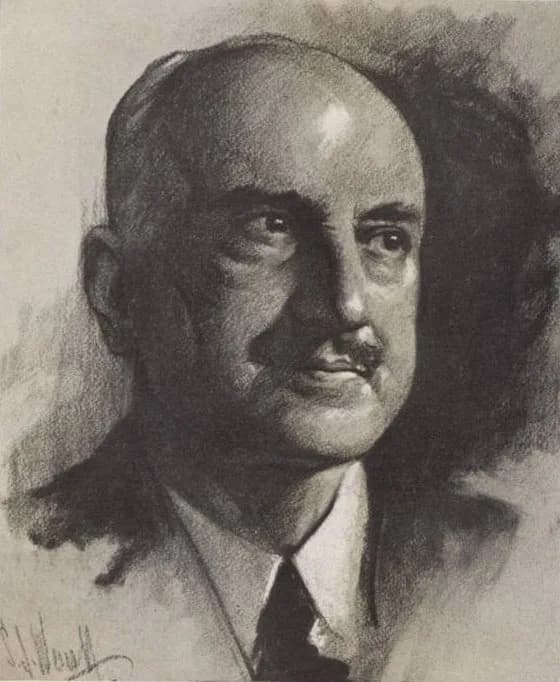
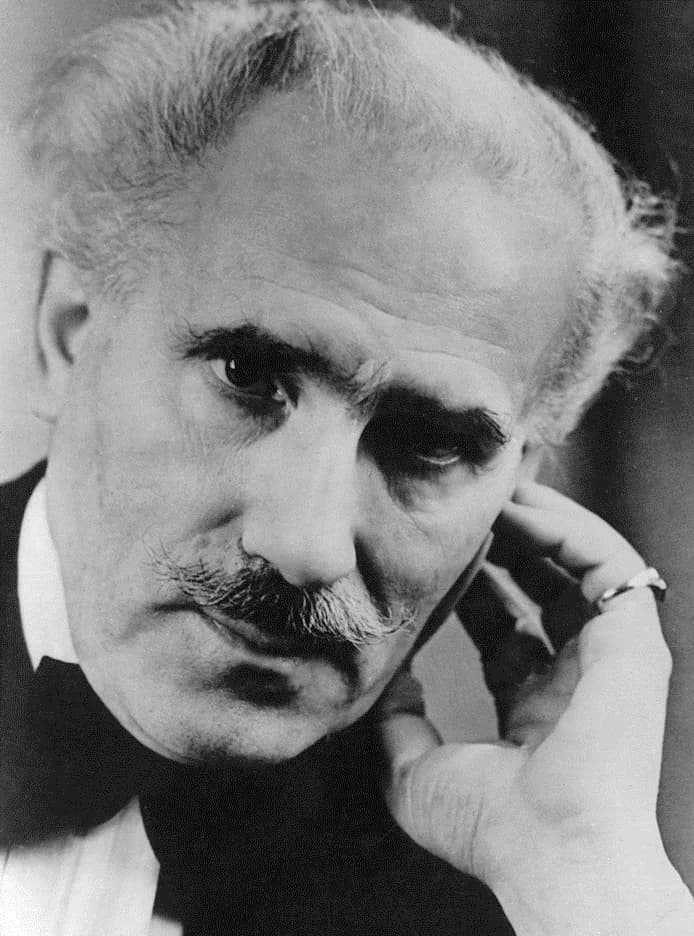
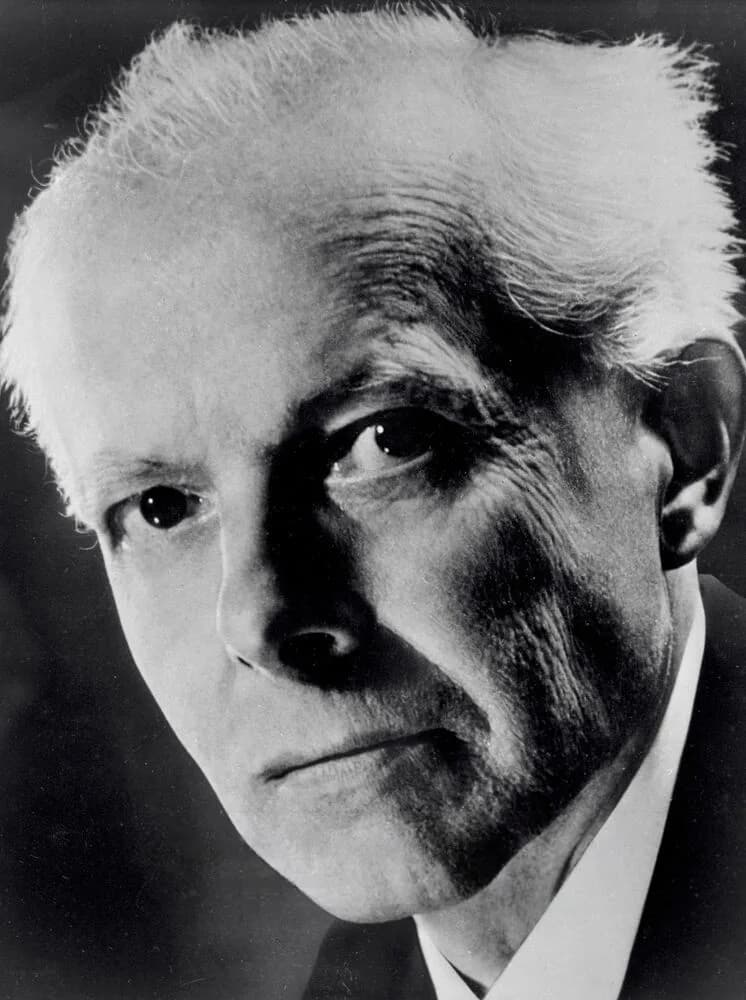
Béla Bartók (1881–1945) was Romania best known for Hungarian composer and pianist.
Béla Viktor János Bartók (March 25, 1881 – September 26, 1945) was a Hungarian composer, pianist, and ethnomusicologist from Sânnicolau Mare, Romania. He is renowned for blending traditional folk music with avant-garde classical styles, making him one of the 20th century's most important composers. Bartók's pioneering work in ethnomusicology also significantly shaped his lasting musical legacy.
Život u trenucima
Trenuci koji su oblikovali život
Poglavlje
Životna poglavlja
Poglavlje 1 · 1881· Poglavlje 1 od 6
Early Life and Origins
Béla Bartók was born on March 25, 1881, in Sânnicolau Mare, a town then located in the Kingdom of Hungary, now part of Romania. His early environment steeped him in the diverse cultural and musical traditions of the region, which would later become central to his artistic identity. This formative period, marked by his family's musical inclinations, laid the essential groundwork for his exceptional career as a composer and performer. He quickly developed a strong connection to regional sounds.
Poglavlje 2· Poglavlje 2 od 6
Career Beginnings
Bartók began his professional journey not only as a prodigious classical pianist but also as a diligent musicologist, embarking on extensive fieldwork to collect and analyze folk music. This foundational work was crucial in establishing comparative musicology, a pioneering field that subsequently evolved into ethnomusicology. His early compositions already showed an innovative spirit, drawing inspiration from these authentic folk sources while forging a distinctly modern voice. He became a respected university teacher and music educator.
Poglavlje 3· Poglavlje 3 od 6
Major Achievements and Career Highlights
Throughout his career, Bartók achieved significant milestones, making a lasting mark on the musical world. He became one of the key figures empowering generations of composers to incorporate folk music and classical traditions from various cultures into their works. His innovative approach involved forging a unique musical language, an amalgam of tonality, unorthodox scales, and atonal wanderings, setting him apart as a formidable modernist. Bartók also excelled as a classical pianist, performing his own demanding compositions and those of other contemporary masters.
Bartók's meticulous collection and analytical study of folk music from diverse regions were defining achievements, forming the bedrock of his compositional style. He tirelessly documented thousands of folk tunes, which he then integrated into sophisticated modern classical structures, creating something entirely new. This dedication to authentic musical heritage, combined with his avant-garde sensibilities, truly solidified his place as a visionary figure in 20th-century music. He proved that traditional sounds could fuel forward-thinking art.
Poglavlje 4 · 1918· Poglavlje 4 od 6
Notable Works and Contributions
Among Bartók's most celebrated creations is the opera Bluebeard's Castle, a haunting psychological drama first performed in 1918, which remains a cornerstone of the operatic repertoire. His ballet The Miraculous Mandarin also stands as a powerful and highly influential piece, known for its visceral energy and dramatic intensity. These theatrical works showcase his ability to combine compelling storytelling with complex, evocative musical structures.
Other seminal compositions include Music for Strings, Percussion and Celesta, a piece widely recognized for its innovative instrumentation, palindromic form, and ethereal textures. The Concerto for Orchestra is another cornerstone of his output, displaying his mastery of orchestral writing and thematic development, celebrating the unique qualities of each instrumental section. Bartók also composed six influential string quartets, which are considered masterpieces of chamber music and demonstrate the evolution of his mature style. These works solidified his reputation.
His unique musical language, often described as a combination of traditional peasants' folk music and avant-garde music, opened new avenues for artistic expression. As noted by Anthony Tommasini, Bartók "has empowered generations of subsequent composers to incorporate folk music and classical traditions from whatever culture into their works." He presented another way forward in modernism, distinct from Schoenberg's breathtaking formulations, by forging a rich, expressive language. His contributions to the classical and modern classical genres are immeasurable.
Poglavlje 5 · 1945· Poglavlje 5 od 6
Later Years
Bartók spent his final years in New York City, United States, having relocated due to the escalating political turmoil in Europe. Despite facing significant health challenges and financial difficulties during this period, he continued to compose, producing some of his most important works. He passed away on September 26, 1945, leaving behind an extraordinary body of work that would be increasingly recognized and celebrated in the decades following his death, cementing his place in music history.
Poglavlje 6· Poglavlje 6 od 6
Legacy and Impact
Béla Bartók's legacy extends far beyond his compositions, establishing him as a co-founder of ethnomusicology through his pioneering collection and analytical study of folk music. His rigorous academic pursuits informed his artistic vision, creating a seamless connection between scholarship and creativity that continues to inspire. He remains a towering figure in the study and preservation of global musical traditions. His work transformed musicology.
His unique fusion of Hungarian folk melodies and rhythms with modern classical forms created a distinct and powerful sound that influenced countless composers worldwide. Bartók demonstrated that tradition and innovation could coexist beautifully within a single, coherent artistic vision, offering a vibrant alternative to prevailing compositional trends. His works are cornerstones of the classical and modern classical genres, consistently performed, studied, and revered for their originality and depth.
Bartók's enduring influence lies in his ability to forge a genuinely modern voice deeply rooted in authentic cultural heritage. His compositions continue to be vital components of the international concert repertoire, representing a crucial and innovative chapter in the development of 20th-century music. He is rightly remembered as a visionary composer, a virtuoso pianist, and a pioneering scholar who enriched the world of music immeasurably.
Česta pitanja
Često postavljana pitanja
Kada je umro/la Béla Bartók?
Béla Bartók je umro/la 26. septembar 1945. u New York City, United States u 64. godini života.
Gdje je rođen(a) Béla Bartók?
Béla Bartók je rođen(a) u Sânnicolau Mare, Romania 25. mart 1881..
Po čemu je Béla Bartók najpoznatiji(a)?
Béla Bartók je najpoznatiji(a) po Hungarian composer and pianist.
Koliko je Béla Bartók imao/la godina u trenutku smrti?
Béla Bartók je imao/la 64 godina u trenutku smrti.
Kojeg porijekla je bio/la Béla Bartók?
Béla Bartók je bio/la iz Romania.
Vremenska linija
Život u kratkom pregledu
Galerija fotografija
Život u slikama
Kliknite bilo koji polaroid za uvećanje · 48 fotografija
QR kod
Podijelite ovu biografiju
Štampaj i podijeli
Skenirajte za posjetu ovoj biografskoj stranici. Štampajte za događaje, izložbe ili obrazovne materijale.