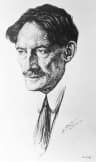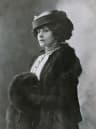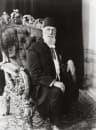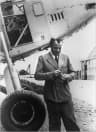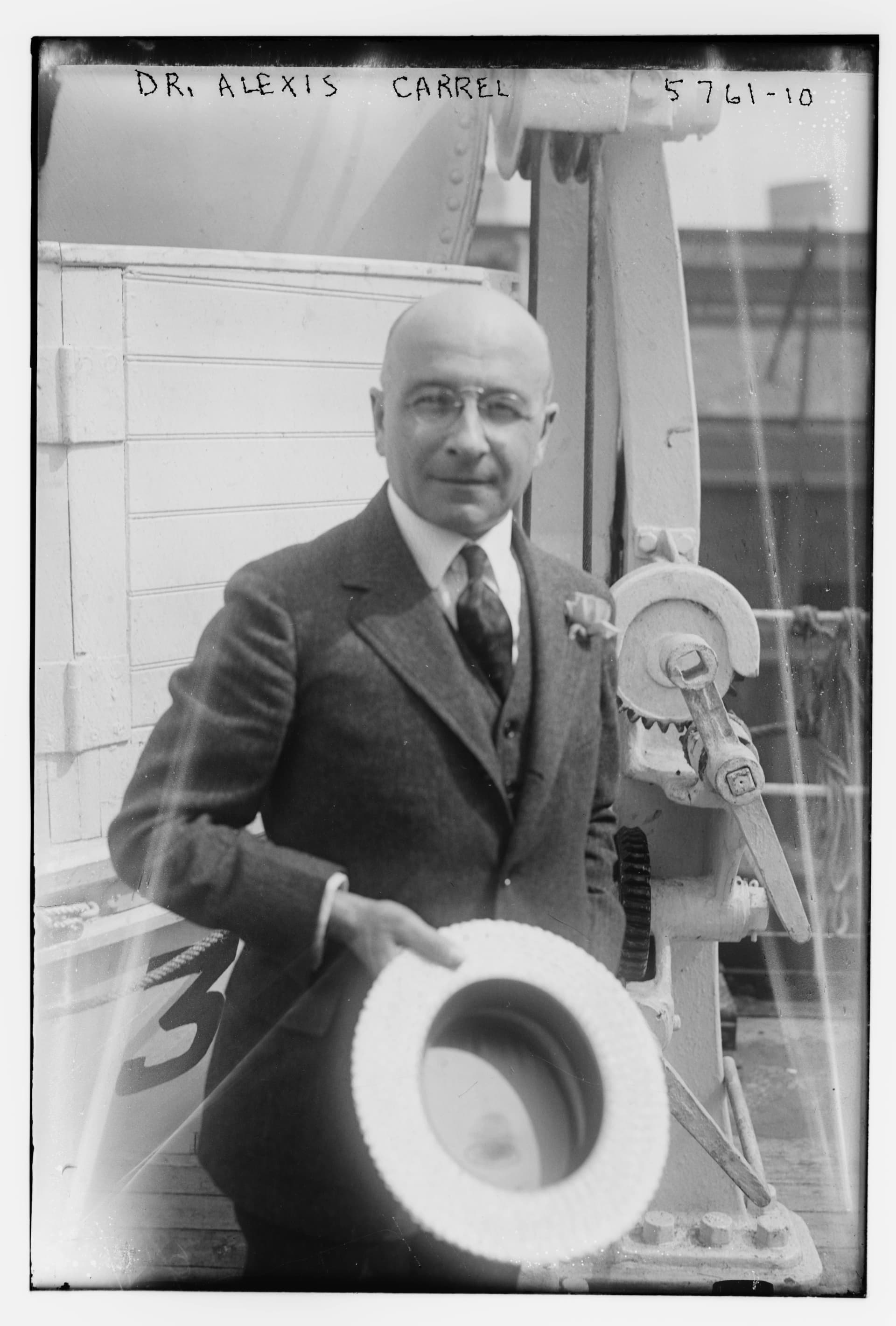
Rođen/a
June 28, 1873
Sainte-Foy-lès-Lyon, France
Umro/la
November 5, 1944
Paris, France
Poznat/a po
French surgeon and biologist
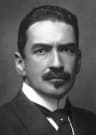
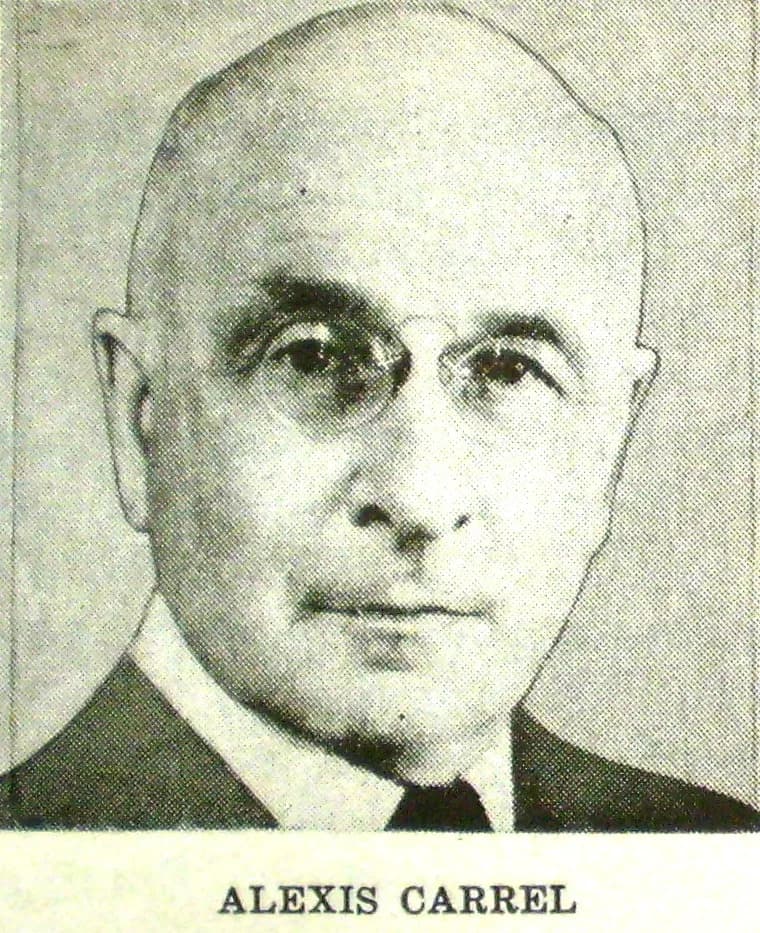
Alexis Carrel (1873–1944) was France best known for French surgeon and biologist.
Alexis Carrel (June 28, 1873 – November 5, 1944) was a French surgeon and biologist. He received the Nobel Prize in 1912 for pioneering vascular suturing techniques, significantly advancing organ transplantation. His work laid foundational techniques for modern surgery and biology.
Poglavlje
Životna poglavlja
Poglavlje 1 · 1873· Poglavlje 1 od 6
Early Life and Origins
Alexis Carrel's journey began on June 28, 1873, in Sainte-Foy-lès-Lyon, France, where he spent his formative years. This birthplace in France served as the starting point for a life dedicated to scientific inquiry and medical innovation. While specific details about his family and early education are not provided, his later accomplishments reflect a strong commitment to rigorous academic and scientific training. His early environment surely cultivated the intellect and determination that would define his extraordinary career path.
Poglavlje 2· Poglavlje 2 od 6
Career Beginnings
Carrel began his professional life as a surgeon and biologist, quickly immersing himself in the most pressing medical challenges of the late 19th and early 20th centuries. His foundational work involved critical investigations into the intricate techniques required for successful vascular repair. These initial efforts laid the essential groundwork for his later, celebrated achievements in manipulating blood vessels and organs. It was this intense focus on surgical methodology that set the stage for his impactful contributions across various medical fields.
Poglavlje 3 · 1912· Poglavlje 3 od 6
Major Achievements and Career Highlights
A crowning achievement in Alexis Carrel's distinguished career was the awarding of the Nobel Prize in Physiology or Medicine in 1912. This esteemed honor was bestowed in recognition of his exceptional work on vascular suture, a technique he perfected for joining blood vessels. His innovative methods proved crucial for the advancement of surgical procedures involving the transplantation of blood vessels and organs, enabling unprecedented medical interventions. This recognition highlighted the significant progress achieved through his meticulous research and surgical skill.
Beyond his Nobel-winning work, Carrel's inventive spirit led to other significant advancements in medical technology and practice. He famously collaborated with Charles Lindbergh to invent the first perfusion pump, a device designed to circulate fluid through organs outside the body. This invention, despite facing practical difficulties and losing influence by the 1940s, notably opened the way for future organ transplantation research. Carrel was also acknowledged as a pioneer in tissue culture, transplantology, and thoracic surgery, further broadening his considerable impact on medicine.
Poglavlje 4 · 1939· Poglavlje 4 od 6
Notable Works or Contributions
Alexis Carrel's academic contributions are reflected in his substantial body of published work, evidenced by an h-index of 4 across 8 recorded papers. His influential writings include "AIR RAID CASUALTIES," published in 1939, which accumulated 76 citations and offered crucial insights during a tumultuous global period. Another notable paper, "Mean wall thickness and formation periods of trabecular bone packets in idiopathic osteoporosis," although published posthumously in 2006, has garnered 40 citations, indicating the enduring relevance of principles he influenced.
Further showcasing his diverse intellectual engagement are publications such as "Alexis Carrel. Visionary surgeon," dating from 1976, with 23 citations, and "Abstracts from Current Medical Literature," published in 1940, also with 23 citations. Even "BULLETIN OF THE NEW YORK," a 2007 publication with 2 citations, points to a continued dialogue around his work and its implications. These academic endeavors complement his practical inventions, such as the perfusion pump developed with Lindbergh, which aimed to extend the viability of donor organs for transplantation.
Poglavlje 5 · 1944· Poglavlje 5 od 6
Later Years
The later period of Alexis Carrel's life included a controversial leadership role in implementing eugenic policies within Vichy France. This involvement represents a complex and debated aspect of his otherwise scientifically celebrated career. Following a life marked by significant medical discoveries and a period of controversial societal engagement, Alexis Carrel passed away on November 5, 1944, in Paris, France. His death in his home country marked the end of a detailed journey in science and society.
Poglavlje 6· Poglavlje 6 od 6
Legacy and Impact
Alexis Carrel's legacy primarily rests on his extensive and lasting contributions to the fields of surgery and biology. His pioneering work in vascular suturing revolutionized the ability to perform complex surgeries, directly enabling advancements in blood vessel and organ transplantation. This foundational research, recognized by the Nobel Prize, continues to underpin many modern surgical techniques, demonstrating its enduring scientific value. His innovations have undoubtedly saved countless lives and improved the quality of life for many more.
Beyond specific surgical techniques, Carrel's broader influence extended to tissue culture, a technique vital for cellular research, and the conceptualization of organ preservation through devices like the perfusion pump. While the original Carrel-Lindbergh pump proved impractical, its development stimulated further research that ultimately led to viable organ preservation methods. Despite the controversies surrounding his later involvement in eugenic policies, his scientific and medical contributions remain important benchmarks in the history of medicine, continuing to inspire and inform practitioners worldwide.
Život u trenucima
Trenuci koji su oblikovali život
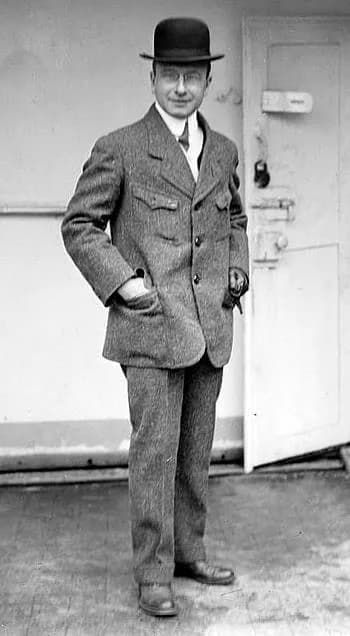
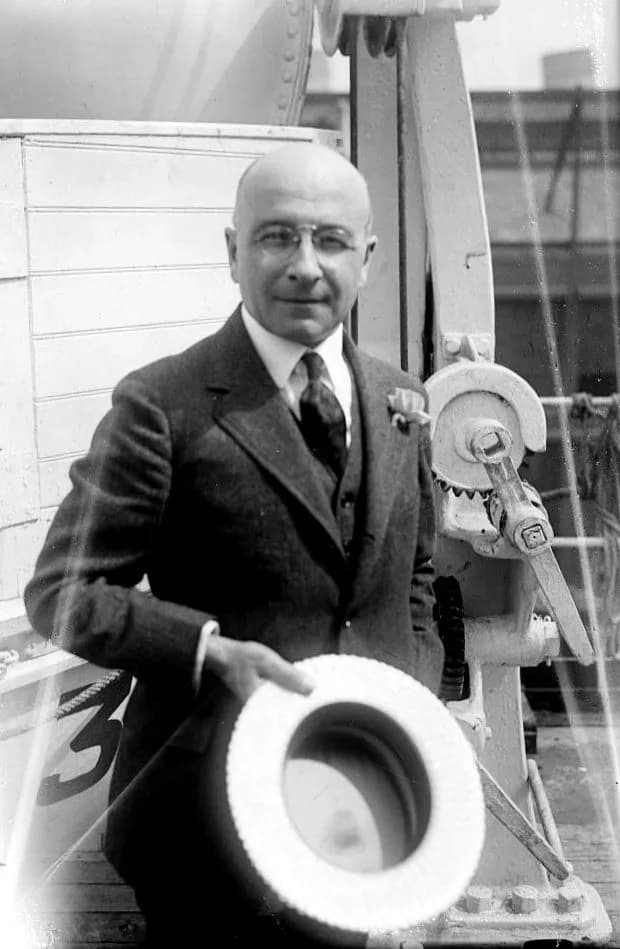
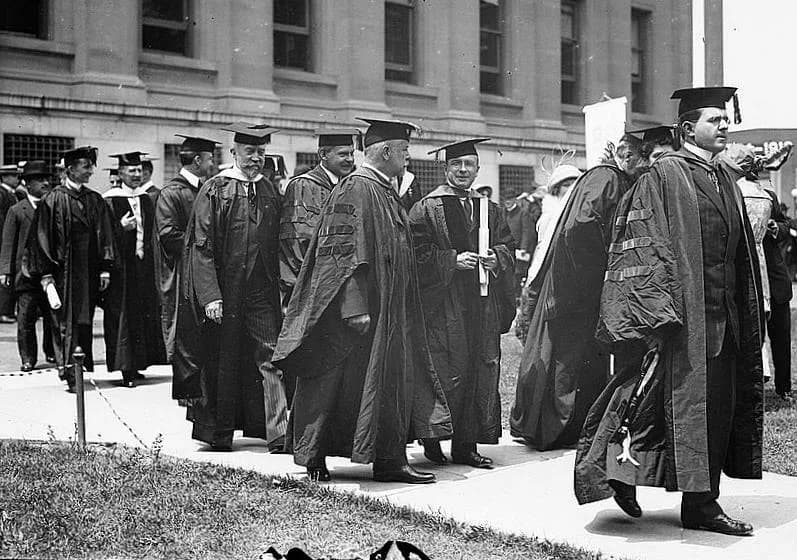
Česta pitanja
Često postavljana pitanja
Kada je umro/la Alexis Carrel?
Alexis Carrel je umro/la 5. novembar 1944. u Paris, France u 71. godini života.
Gdje je rođen(a) Alexis Carrel?
Alexis Carrel je rođen(a) u Sainte-Foy-lès-Lyon, France 28. juni 1873..
Po čemu je Alexis Carrel najpoznatiji(a)?
Alexis Carrel je najpoznatiji(a) po French surgeon and biologist.
Koliko je Alexis Carrel imao/la godina u trenutku smrti?
Alexis Carrel je imao/la 71 godina u trenutku smrti.
Kojeg porijekla je bio/la Alexis Carrel?
Alexis Carrel je bio/la iz France.
Vremenska linija
Život u kratkom pregledu
Galerija fotografija
Život u slikama
Kliknite bilo koji polaroid za uvećanje · 45 fotografija
QR kod
Podijelite ovu biografiju
Štampaj i podijeli
Skenirajte za posjetu ovoj biografskoj stranici. Štampajte za događaje, izložbe ili obrazovne materijale.