জন্ম
February 22, 1368
Prague, Czech Republic
মৃত্যু
December 18, 1437
Znojmo, Czech Republic
যার জন্য পরিচিত
Monarch from the House of Luxemburg
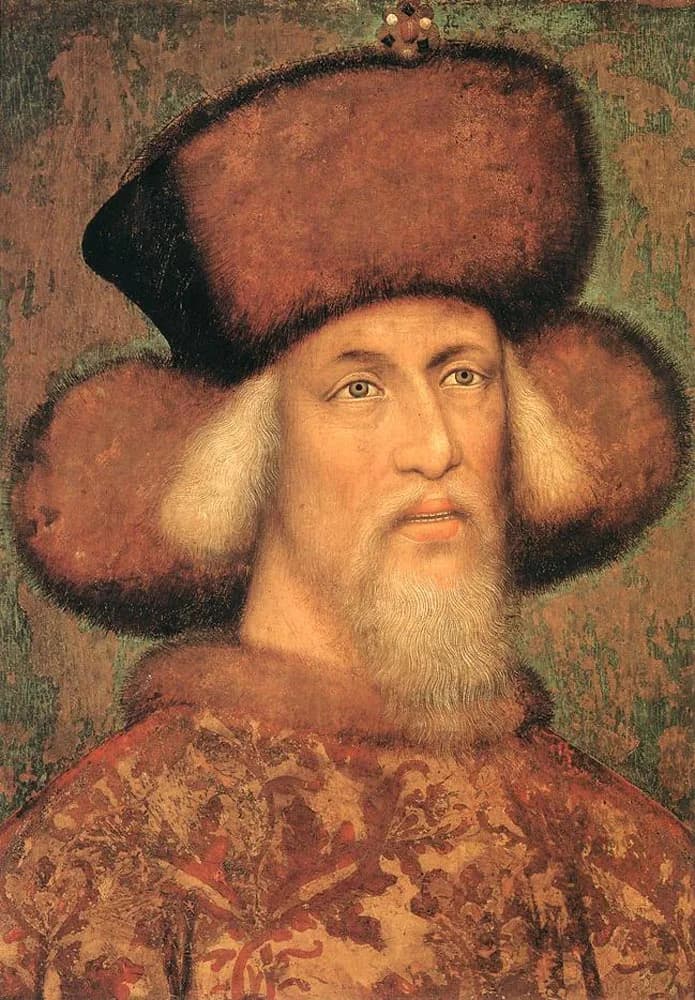
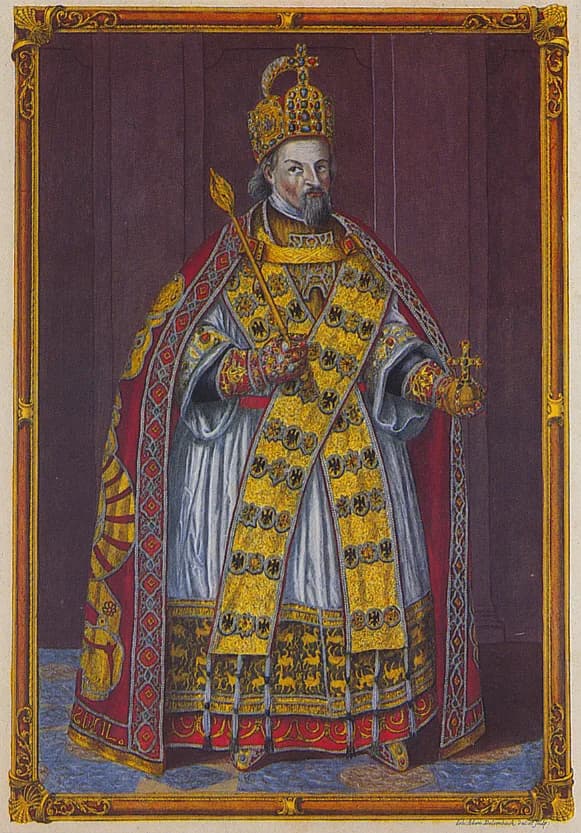
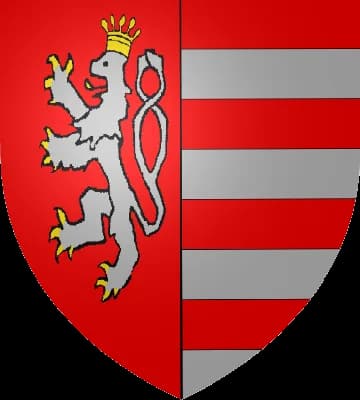
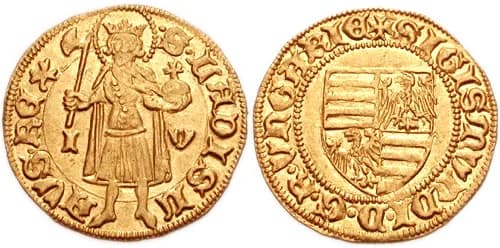
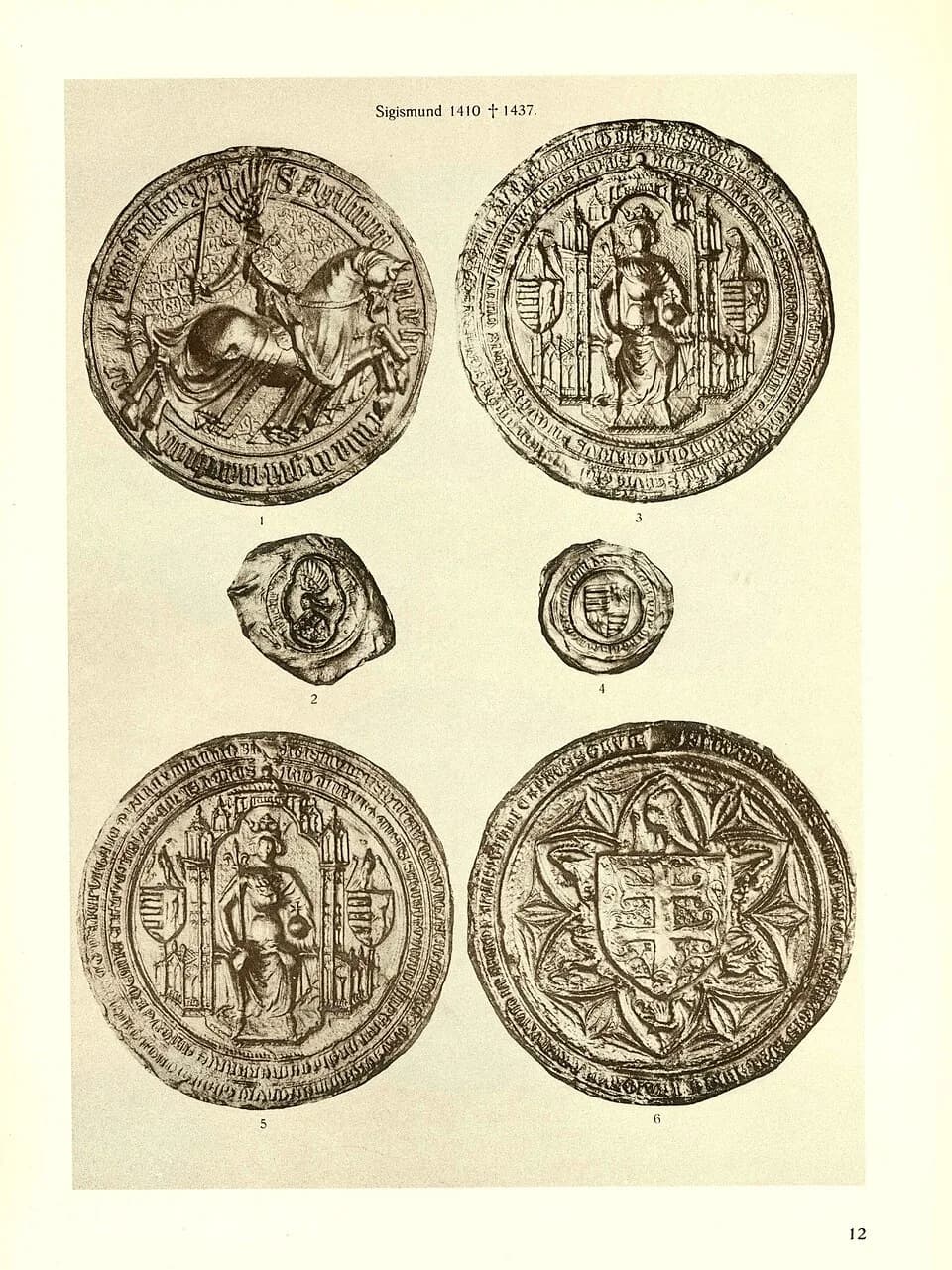
Sigismund Sigismund (February 22, 1368 – December 18, 1437) was a monarch from Prague, Czech Republic. He served as Holy Roman Emperor, King of Hungary, Germany, and Bohemia, becoming the last male member of the House of Luxembourg.
মুহূর্তে এক জীবন
যে মুহূর্তগুলি একটি জীবন গড়েছে
অধ্যায়
জীবনের অধ্যায়
অধ্যায় 1 · 1368· অধ্যায় 1 / 5
Early Life and Origins
Sigismund Sigismund was born in Prague, located in what is now the Czech Republic, on February 22, 1368. As a member of the venerable House of Luxemburg, he inherited a lineage deeply intertwined with European royalty and power. His early years were undoubtedly steeped in the traditions and education befitting a prince destined for a life of leadership and influence.
The House of Luxemburg, a prominent dynasty of the late Middle Ages, provided Sigismund with a distinguished heritage. This ancestral background prepared him for the complex world of medieval European politics, where alliances and inheritances were critical to asserting one's authority. His upbringing in a royal court would have instilled in him the necessary skills for governance and diplomacy from a young age.
অধ্যায় 2 · 1387· অধ্যায় 2 / 5
Career Beginnings
Sigismund's ascent to power began significantly in 1387 when he became King of Hungary and Croatia. This title was secured through his marriage to Mary, Queen of Hungary, a strategic union that brought vast territories under his influence. This early kingship established his position as a major player in the evolving power dynamics of Central Europe.
His political ambitions continued to grow, leading to his election as King of Germany in 1410. This crucial step further solidified his standing among the European elite and demonstrated his growing authority. The German kingship was a stepping stone towards even greater imperial aspirations, reflecting his skill in navigating complex political landscapes and securing key positions.
অধ্যায় 3 · 1433· অধ্যায় 3 / 5
Major Achievements and Career Highlights
One of Sigismund's most defining achievements was his coronation as Holy Roman Emperor in 1433, a title he held until his death in 1437. This imperial reign represented the pinnacle of his political career, placing him at the head of one of medieval Europe's most prestigious political entities. His tenure as Emperor was marked by efforts to address the pressing issues of his era.
Beyond his imperial role, Sigismund was also King of Bohemia from 1419, another significant crown in his collection. He further served as a prince-elector of Brandenburg, illustrating the breadth of his influence and the various roles he played in the Holy Roman Empire. These numerous titles underscore his widespread authority and his deep involvement in the political affairs of various realms.
His multiple kingships—encompassing Hungary, Croatia, Germany, and Bohemia—alongside his imperial title, positioned him as a central figure in the late medieval period. He skillfully managed the intricate network of relationships and responsibilities that came with governing such a diverse collection of territories. His reign saw him at the forefront of significant historical events, reflecting his dedication to his monarchical duties.
অধ্যায় 4 · 1437· অধ্যায় 4 / 5
Later Years
Sigismund Sigismund continued to rule as Holy Roman Emperor until his death on December 18, 1437. His final years were spent upholding the vast responsibilities associated with his imperial and royal titles. He passed away in Znojmo, also located in the Czech Republic, concluding a long and impactful life dedicated to governance.
His reign as Holy Roman Emperor was relatively brief, lasting from 1433, but it capped decades of rule over various kingdoms. Despite the challenges of his time, he maintained his powerful position, guiding his diverse realms through periods of political and social change. His death marked the end of an era for the House of Luxemburg, leaving a void in the leadership of Central Europe.
অধ্যায় 5· অধ্যায় 5 / 5
Legacy and Impact
Sigismund Sigismund holds a unique place in history as the last male member of the House of Luxemburg. His passing brought an end to a distinguished dynasty that had significantly shaped European politics for centuries. This distinction highlights the importance of his lineage and his role in its conclusion.
His extensive collection of titles—Holy Roman Emperor, King of Hungary and Croatia, King of Germany, and King of Bohemia—demonstrates the sheer scale of his influence. Sigismund's reign impacted vast territories, from the heart of the Holy Roman Empire to the kingdoms of Central Europe. His enduring legacy lies in his long and active service as a monarch, overseeing a period of transition in European history.
টাইমলাইন
এক নজরে জীবন
ছবি গ্যালারি
ছবিতে এক জীবন
প্রসারিত করতে যেকোনো পোলারয়েড ক্লিক করুন · 48টি ছবি
QR কোড
এই জীবনী ভাগ করুন
প্রিন্ট ও ভাগ করুন
এই জীবনী পৃষ্ঠা দেখতে স্ক্যান করুন। ইভেন্ট, প্রদর্শনী বা শিক্ষামূলক উপকরণের জন্য প্রিন্ট করুন।