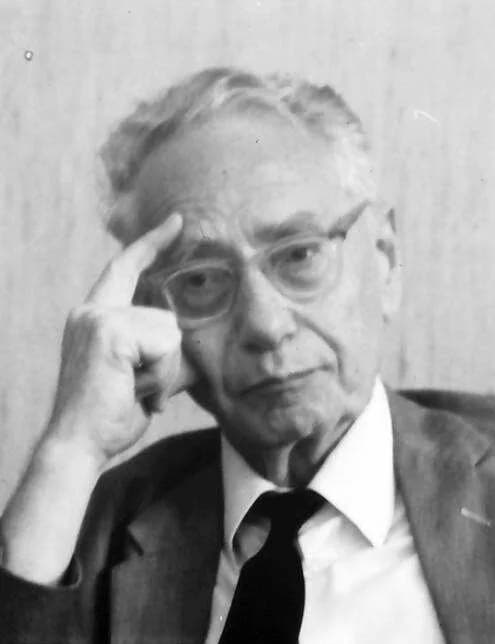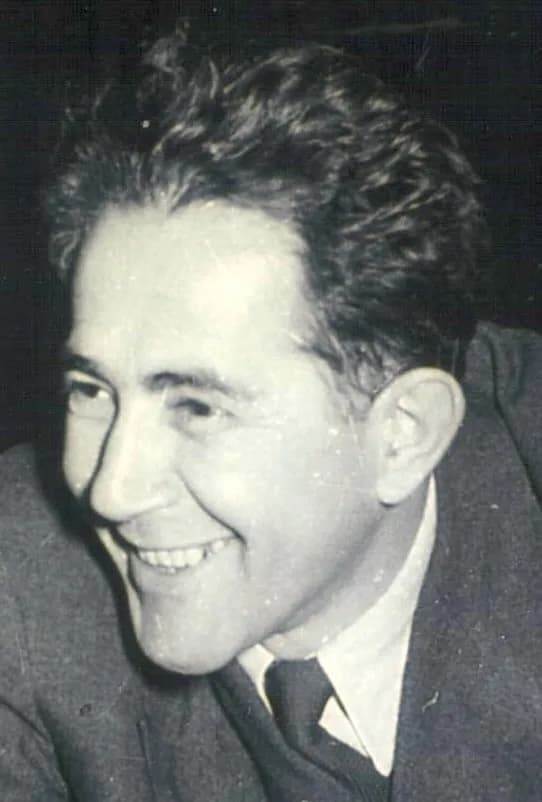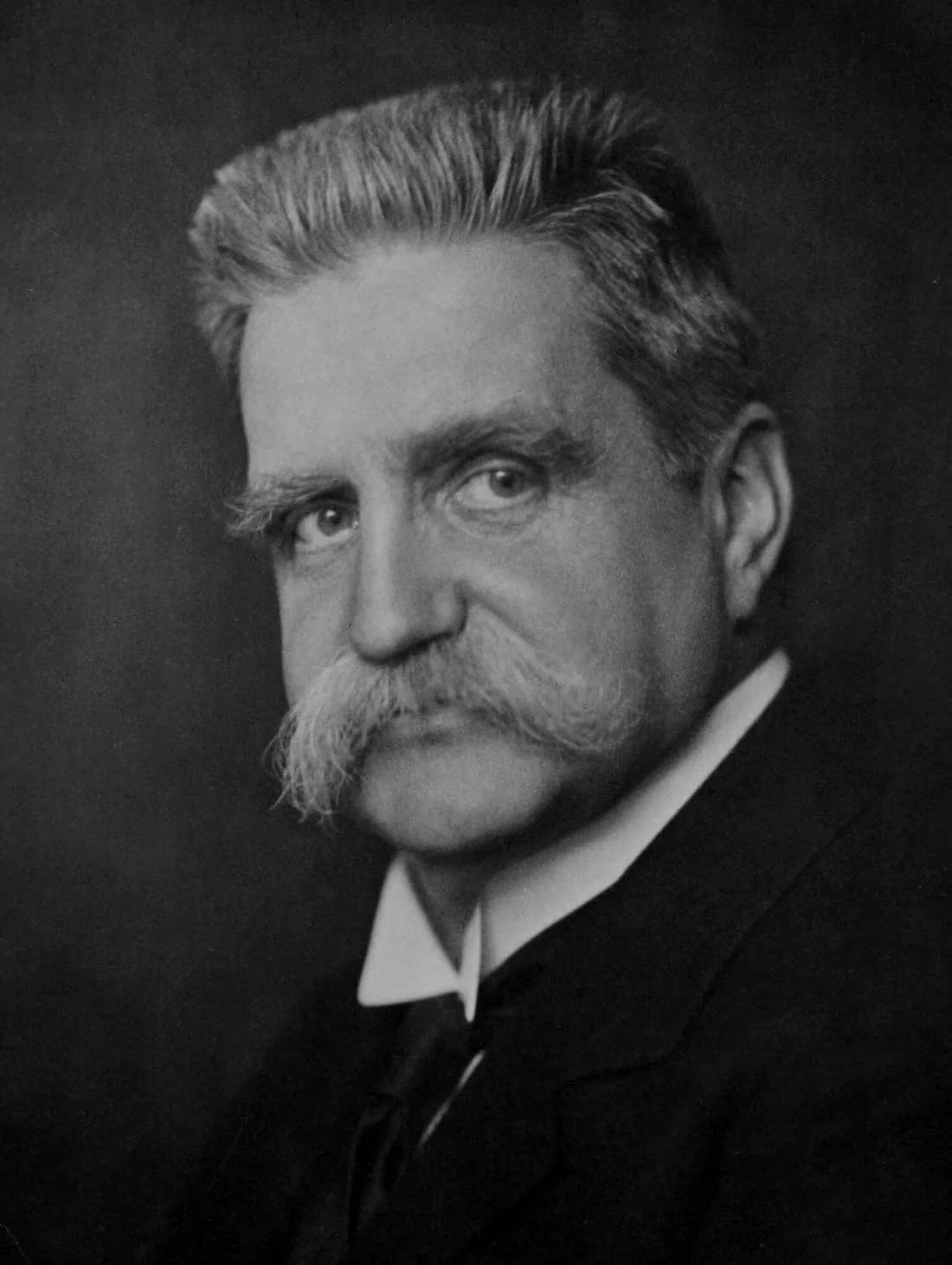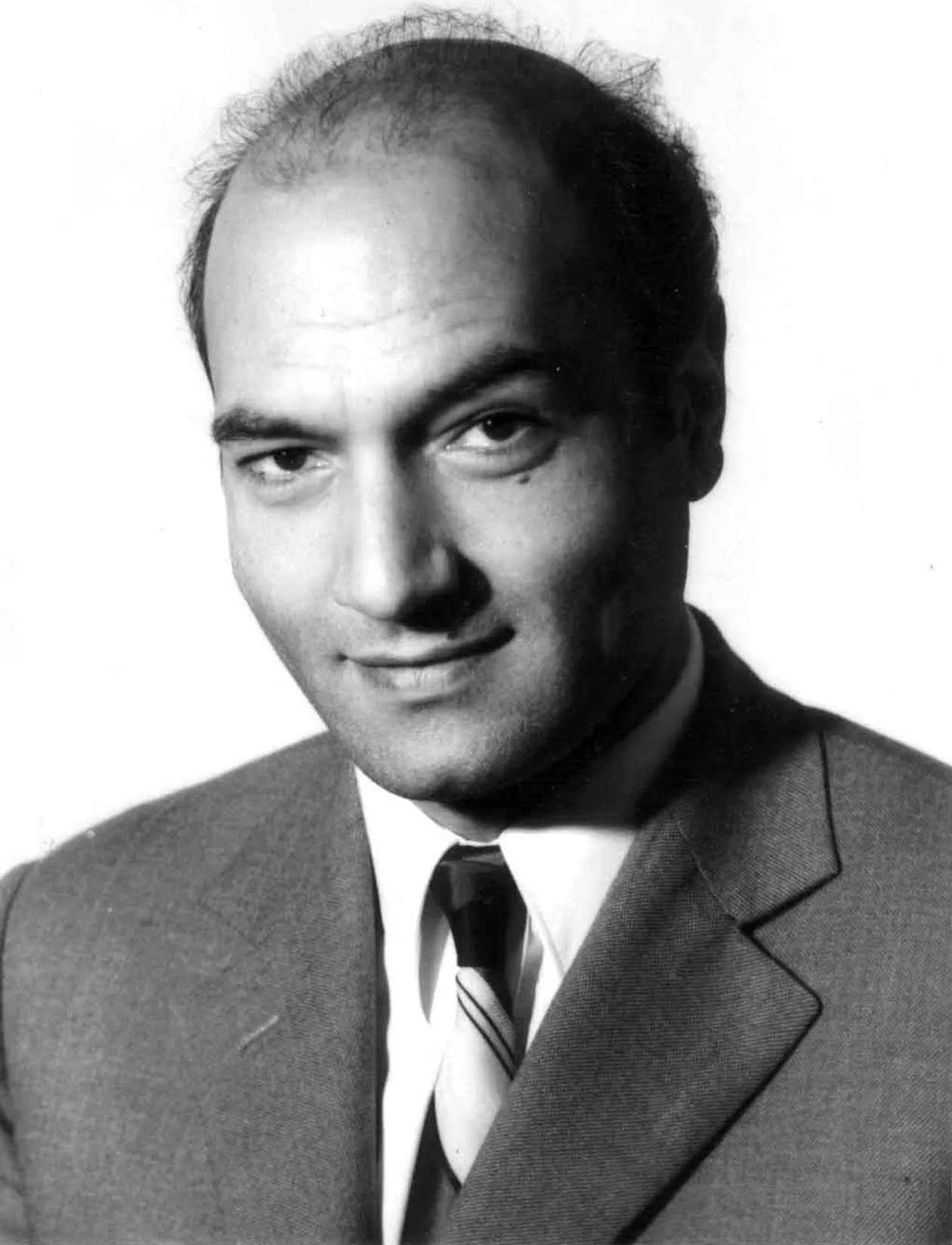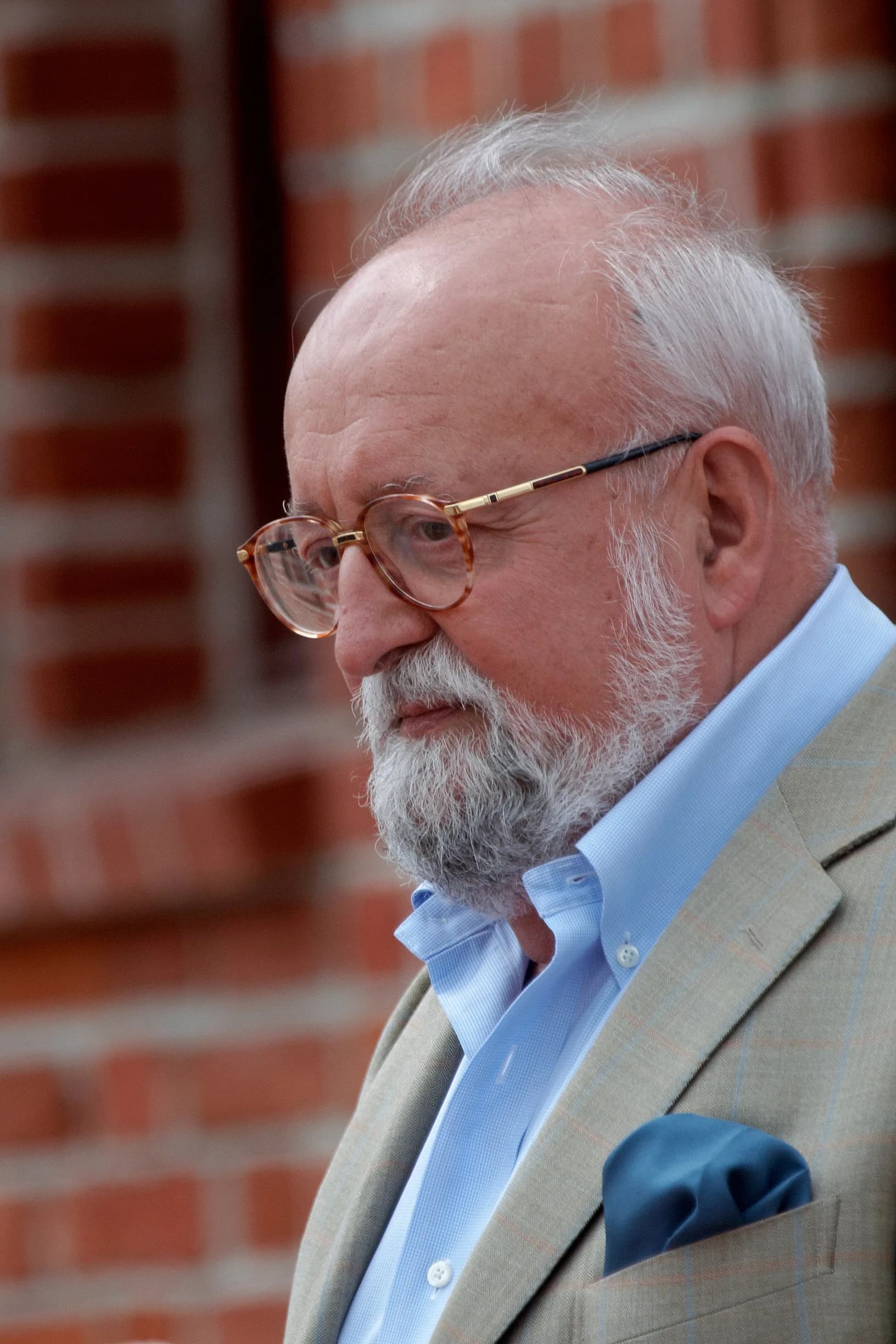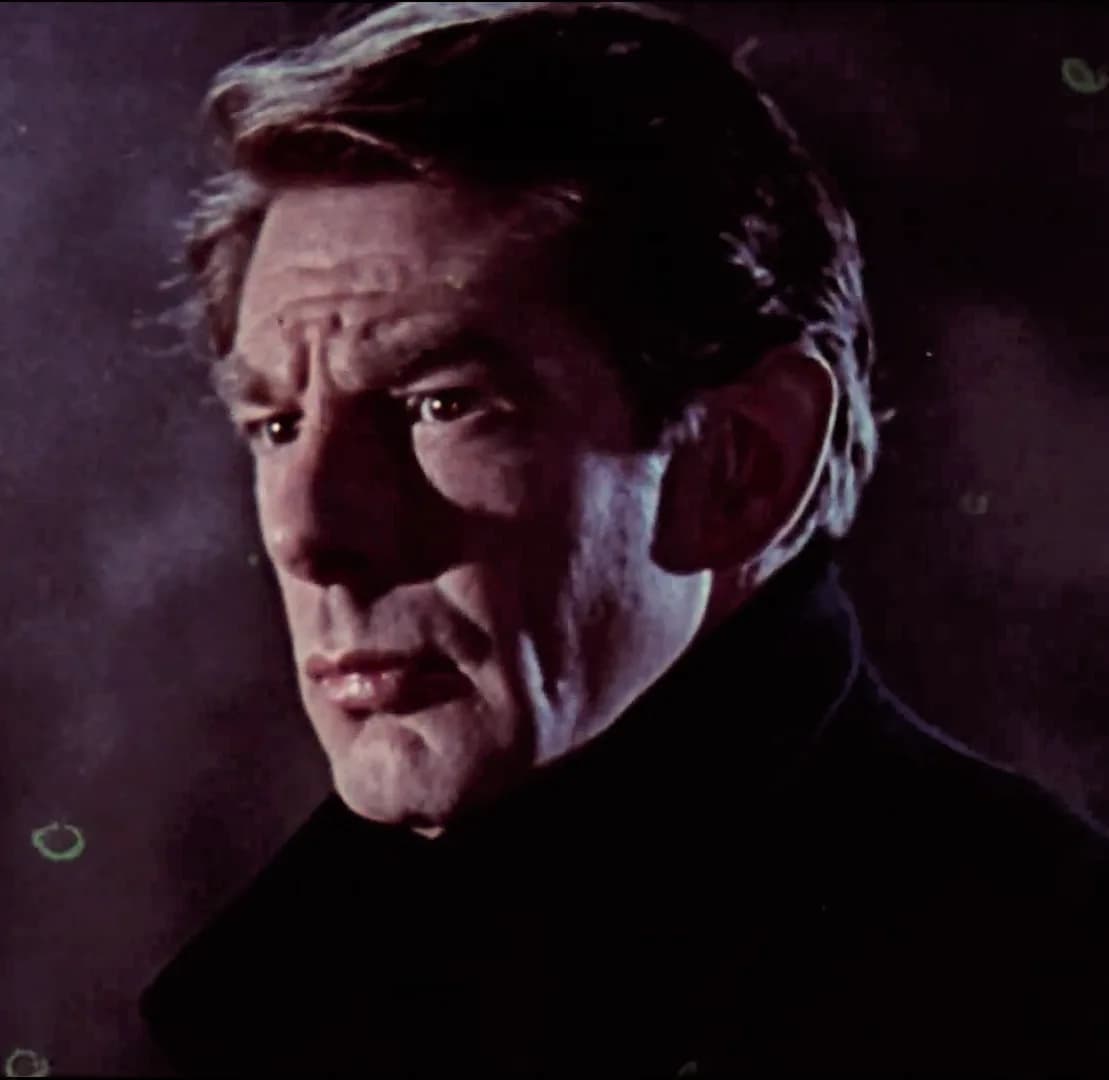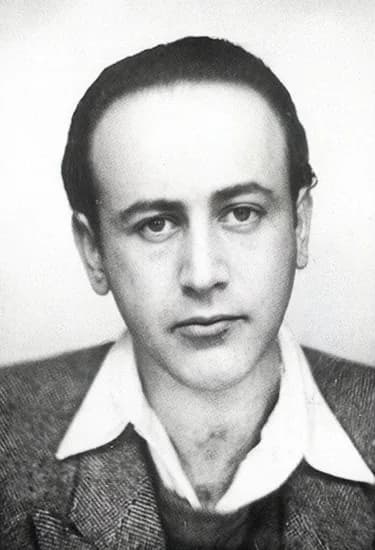
জন্ম
November 23, 1920
Chernivtsi, Ukraine
মৃত্যু
April 20, 1970
Paris, France
যার জন্য পরিচিত
French-Romanian poet and translator
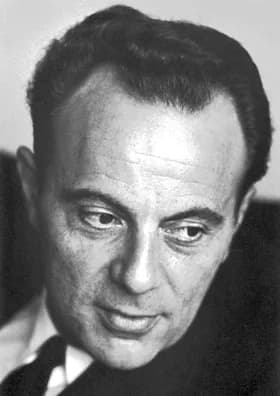
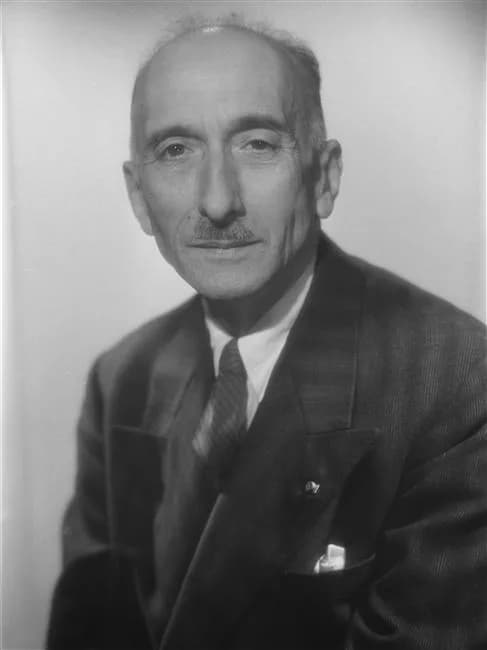
Paul Celan (1920–1970) was Ukraine best known for French-Romanian poet and translator.
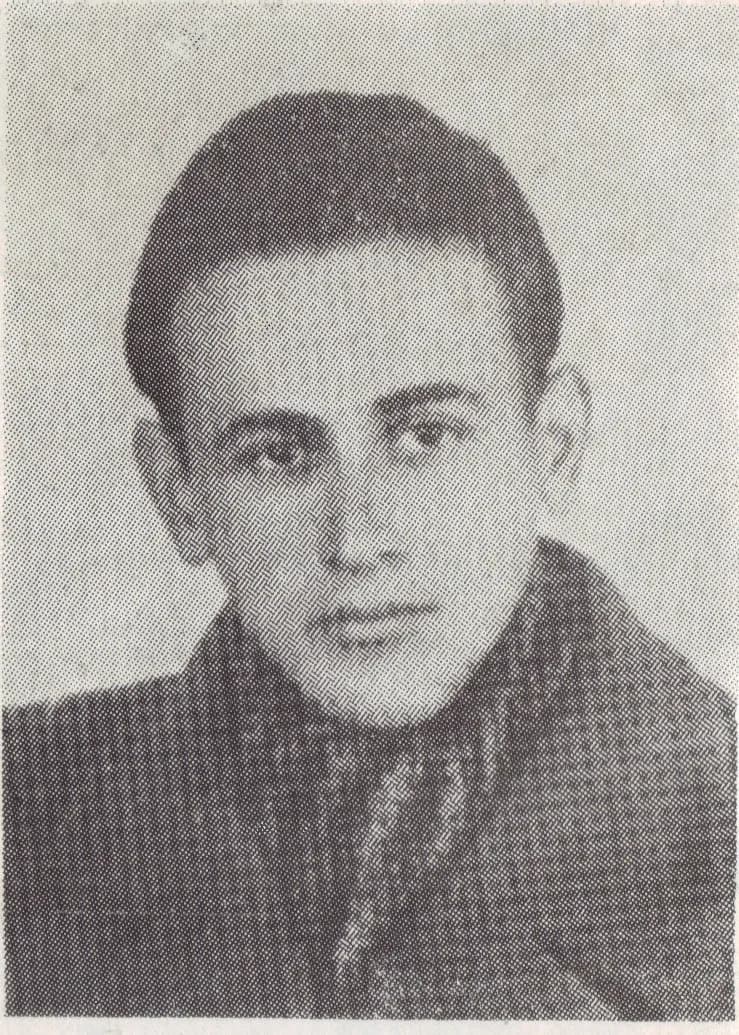
Paul Celan (November 23, 1920 – April 20, 1970) was a French-Romanian poet and translator from Chernivtsi, Ukraine. A German-speaking Holocaust survivor, he became a naturalized French citizen in 1955. His distinctive poetry and translations left a lasting mark on literature.
মুহূর্তে এক জীবন
যে মুহূর্তগুলি একটি জীবন গড়েছে
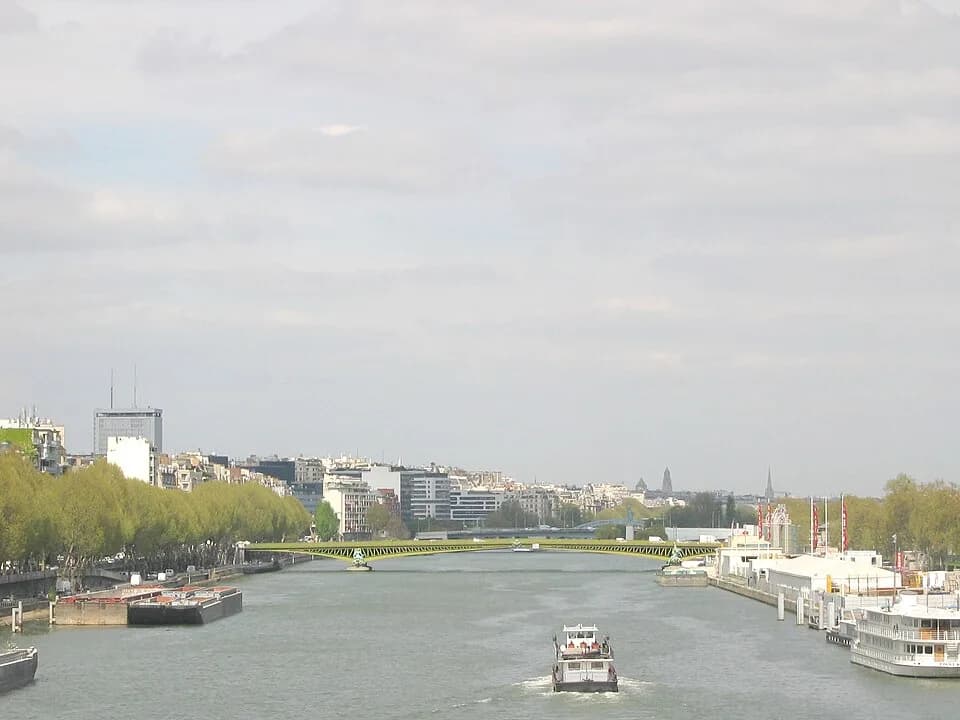
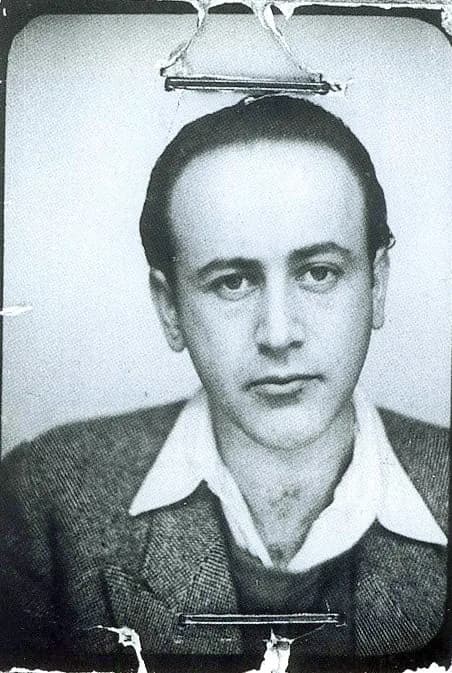
অধ্যায়
জীবনের অধ্যায়
অধ্যায় 1 · 1920· অধ্যায় 1 / 6
Early Life and Origins
Paul Celan began his life in Chernivtsi, Ukraine, on November 23, 1920. Growing up as a German-speaking Romanian, his early years were shaped by a rich cultural environment. This background provided the linguistic and national foundations that would later influence his unique poetic voice.
His formative experiences included surviving the Holocaust, an event that profoundly impacted his worldview and subsequently, his literary output. This traumatic period became a central, though often elliptically expressed, theme in many of his celebrated works. He emerged from this era with a deep sensitivity to language and memory.
অধ্যায় 2· অধ্যায় 2 / 6
Career Beginnings
Following the war, Paul Celan adopted his famous pen name, a decision marking a new chapter in his literary journey. This change signaled a professional and personal reinvention in the wake of immense global upheaval. He began to forge his distinct poetic identity during this transformative period.
In 1949, Celan made the significant decision to reside in France, a move that would define much of his later life and career. Settling in Paris, he became deeply immersed in the vibrant intellectual and artistic milieu of the city. This relocation provided a new cultural context for his continued literary endeavors.
অধ্যায় 3 · 1955· অধ্যায় 3 / 6
Major Achievements and Career Highlights
Paul Celan achieved naturalized French citizenship in 1955, solidifying his ties to his adopted homeland. This legal status reflected his established presence and contributions to French cultural life. He was recognized as a significant voice within both the German-speaking and French literary communities.
Throughout his career, Celan distinguished himself not only as an original poet but also as a dedicated and influential translator. His efforts in translation brought significant works from other languages into German, enriching the literary discourse of his time. He was celebrated for his meticulous attention to language and his profound understanding of poetic form.
অধ্যায় 4· অধ্যায় 4 / 6
Notable Works or Contributions
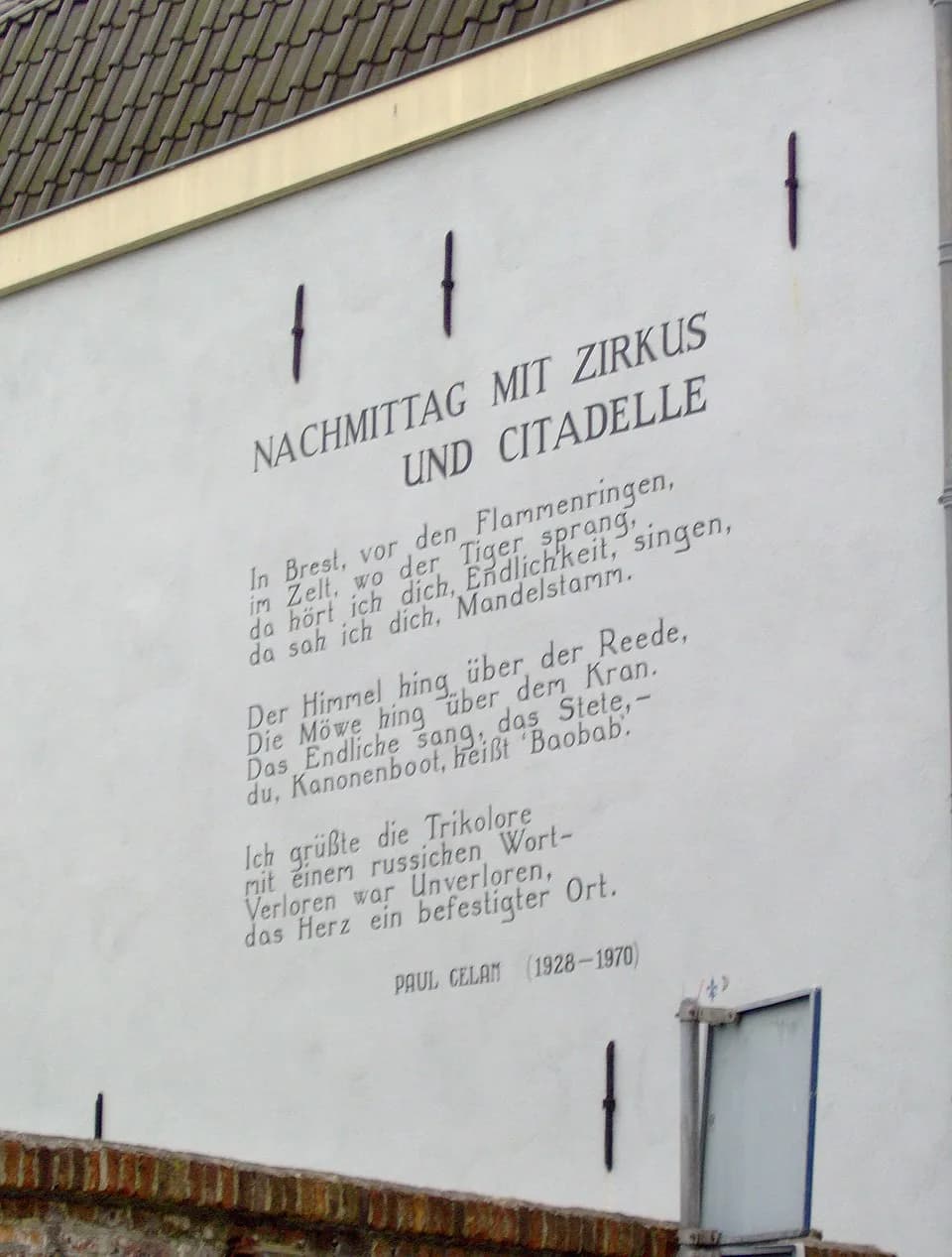
Celan's bibliography showcases a powerful and diverse body of work that continues to be studied and admired. Early collections like 'Der Sand aus den Urnen' and 'Sechs Gedicte' established his unique lyrical style. These works introduced readers to his intense exploration of language and memory.
Perhaps his most famous poem, 'Todesfuge' (Death Fugue), became a quintessential representation of Holocaust literature. Other significant works include 'Gedichte, die glücklich machen', 'Conseguito silenzio', 'Prosa', and 'Schwarzmaut'. These publications consistently demonstrated his mastery of complex poetic structures and profound thematic depth.
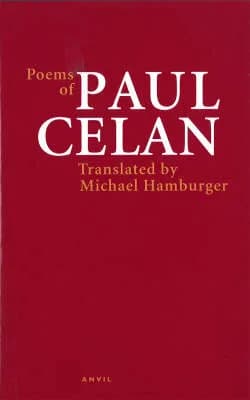
His contributions extended to prose, as seen in 'Wie man Wünsche beim Schwanz packt', and critical essays, showcasing his versatile intellectual engagement. Celan also played a crucial role in making international poetry accessible, notably with 'Russische Lyrik des XX. Jahrhunderts' and 'Merydian sert︠s︡i︠a︡', emphasizing his role as a literary editor and translator. His multifaceted career as a writer, poet, lyricist, and essayist left a substantial literary heritage.
অধ্যায় 5· অধ্যায় 5 / 6
Later Years
Paul Celan continued to write and translate throughout his life, deepening his engagement with language and the profound questions that animated his work. His later years were marked by a sustained intensity in his creative output. He remained a central figure in European post-war poetry until his passing.
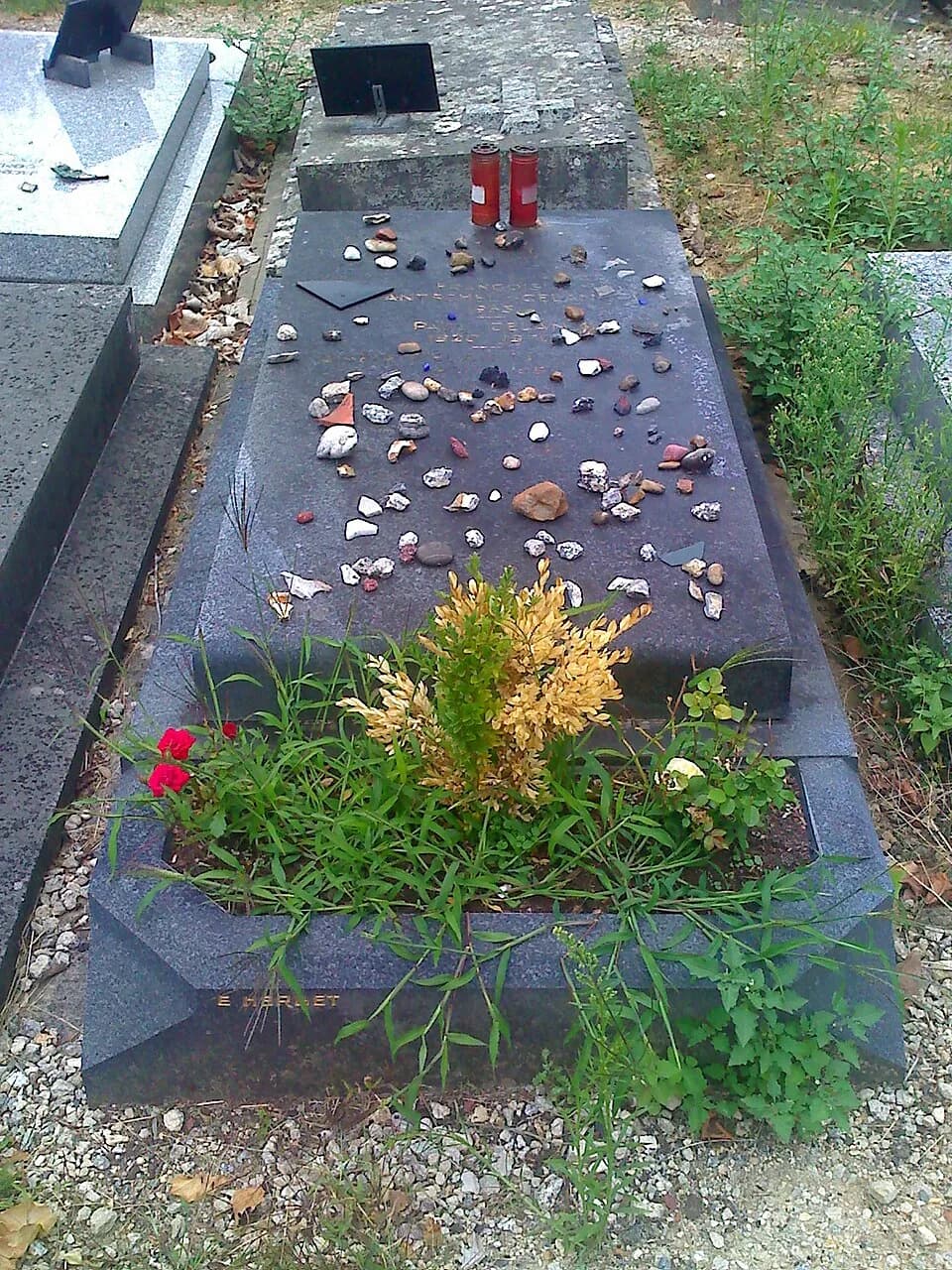
Paul Celan died on April 20, 1970, in Paris, France, at the age of 49. His death marked the end of a prolific career that dramatically reshaped the possibilities of German-language poetry. His final contributions continued to explore themes of loss, remembrance, and the power of expression.
অধ্যায় 6· অধ্যায় 6 / 6
Legacy and Impact
Paul Celan's legacy as a German-speaking Romanian poet and translator remains immense. He is remembered for his innovative use of language and his courageous confrontation with the trauma of the Holocaust through art. His poetry is characterized by its density, its musicality, and its unwavering commitment to truth.
His work continues to be a subject of intense academic study and critical appreciation worldwide. Celan's unique voice and unflinching exploration of human experience have ensured his place among the most important poets of the 20th century. He stands as a beacon for the power of poetry in navigating history and personal anguish.
প্রশ্নোত্তর
প্রায়শই জিজ্ঞাসিত
Paul Celan কখন মারা গেছেন?
Paul Celan ২০ এপ্রিল, ১৯৭০ তারিখে Paris, France-এ মারা গেছেন, 49 বছর বয়সে।
Paul Celan কোথায় জন্মগ্রহণ করেছিলেন?
Paul Celan Chernivtsi, Ukraine-এ ২৩ নভেম্বর, ১৯২০ তারিখে জন্মগ্রহণ করেছিলেন।
Paul Celan কীসের জন্য সবচেয়ে বেশি পরিচিত?
Paul Celan French-Romanian poet and translator-এর জন্য সবচেয়ে বেশি পরিচিত।
মৃত্যুর সময় Paul Celan-এর বয়স কত ছিল?
মৃত্যুর সময় Paul Celan-এর বয়স 49 বছর ছিল।
Paul Celan-এর জাতীয়তা কী ছিল?
Paul Celan Ukraine থেকে এসেছিলেন।
টাইমলাইন
এক নজরে জীবন
ছবি গ্যালারি
ছবিতে এক জীবন
প্রসারিত করতে যেকোনো পোলারয়েড ক্লিক করুন · 22টি ছবি
QR কোড
এই জীবনী ভাগ করুন
প্রিন্ট ও ভাগ করুন
এই জীবনী পৃষ্ঠা দেখতে স্ক্যান করুন। ইভেন্ট, প্রদর্শনী বা শিক্ষামূলক উপকরণের জন্য প্রিন্ট করুন।