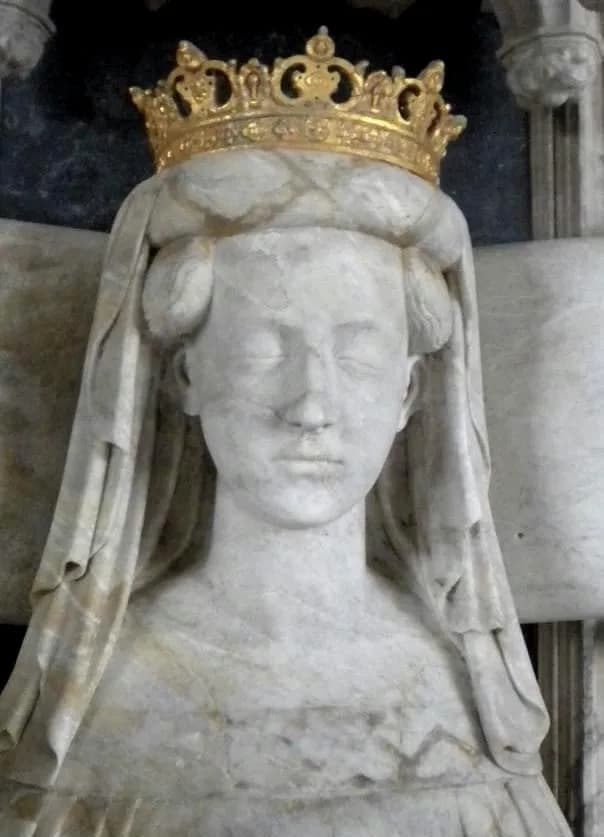
জন্ম
January 1, 1353
Søborg Castle, Denmark
মৃত্যু
October 28, 1412
Flensburg, Germany
যার জন্য পরিচিত
Queen of Denmark, Norway, and Sweden
Margaret I of Denmark (1353–1412) was Denmark best known for Queen of Denmark, Norway, and Sweden.
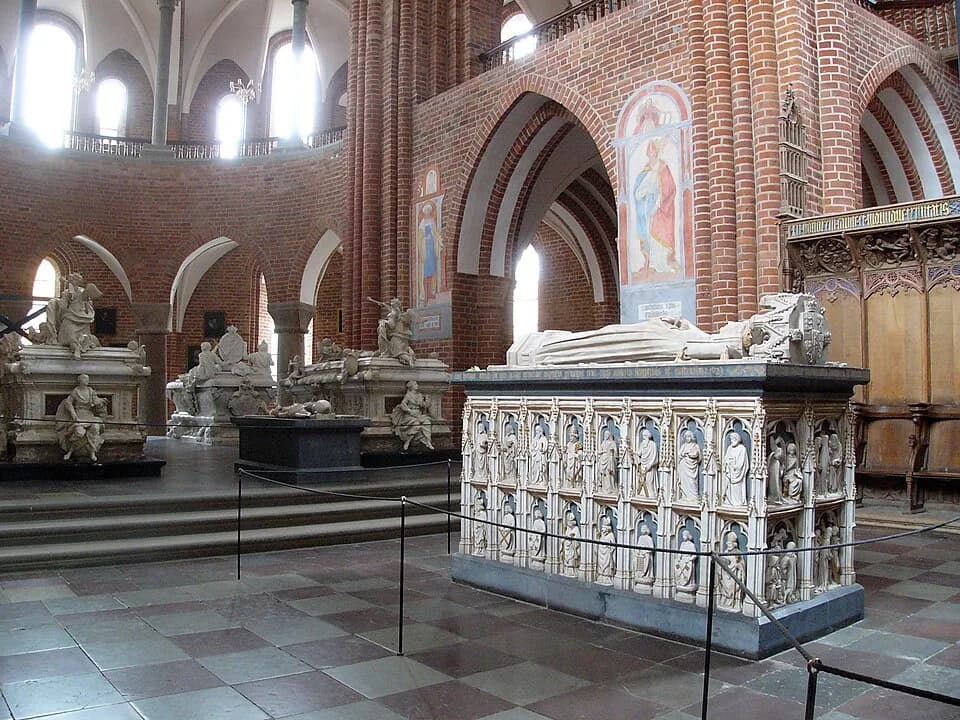
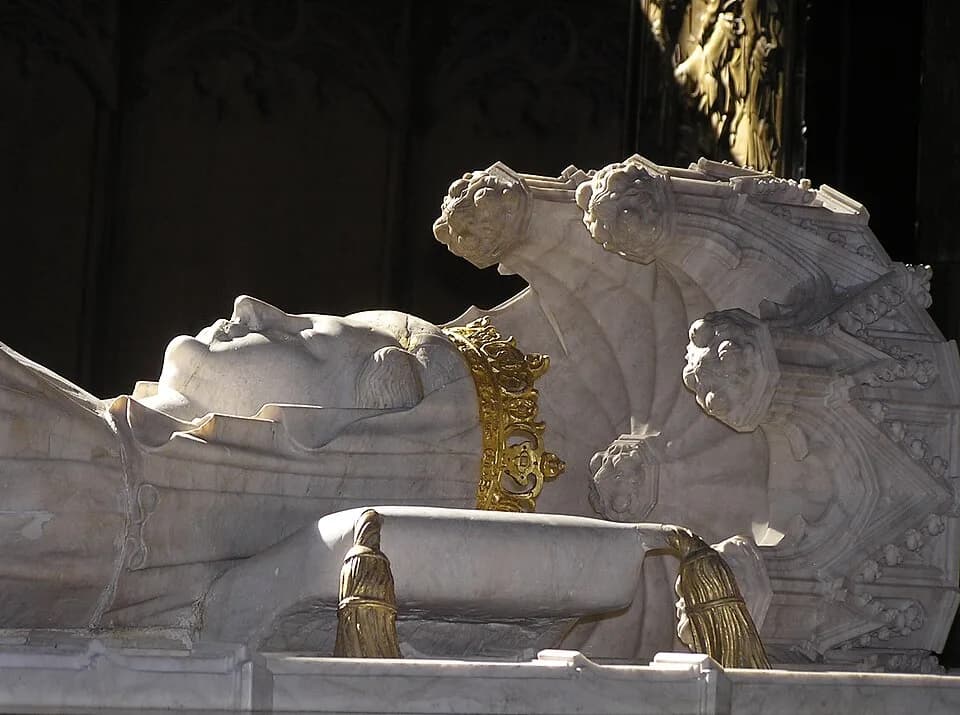
Margaret I of Denmark (January 1, 1353 – October 28, 1412) was a queen regnant known for founding the Kalmar Union, which united the Scandinavian kingdoms for over a century. A wise and capable leader, she is often called the "first great ruling queen in European history." Her legacy profoundly shaped Nordic history.
অধ্যায়
জীবনের অধ্যায়
অধ্যায় 1 · 1353· অধ্যায় 1 / 7
Early Life and Origins
Margaret I was born on January 1, 1353, within the walls of Søborg Castle in Denmark, a fittingly noble birthplace for a future queen. Her early life was intricately tied to the complex royal politics of Scandinavia, as she was the daughter of King Valdemar IV of Denmark. Her marriage at a young age was primarily a political alliance, destined to connect her to the Norwegian and Swedish royal houses. This strategic union laid the groundwork for her eventual ascension to unprecedented power, shaping her understanding of regional dynamics from an early age and preparing her for the significant responsibilities she would later assume.
অধ্যায় 2 · 1363· অধ্যায় 2 / 7
Career Beginnings
Margaret's initial foray into royal governance began through her marriage to Haakon VI, who was King of Norway and, for a brief period, King of Sweden. This union elevated her to the status of queen consort of Norway from 1363 to 1380, and queen consort of Sweden from 1363 to 1364. During these years, she gained invaluable experience observing and participating in court politics and statecraft. These early roles as consort were crucial in her development as a shrewd and capable leader, providing her with a deep understanding of the intricacies of royal power and the challenges of governing diverse kingdoms.
অধ্যায় 3· অধ্যায় 3 / 7
Major Achievements and Career Highlights
Margaret I's reign as queen regnant of Denmark, Norway, and Sweden, from the late 1380s until her death, was defined by her foundational act: the creation of the Kalmar Union. This historic alliance brought the three Scandinavian kingdoms under a unified monarchy, an achievement that profoundly influenced the region for more than a hundred years. She demonstrated an unparalleled ability to govern with what has been described as "farsighted tact and caution," navigating complex political landscapes and asserting her authority with strategic brilliance. Her leadership was characterized by wisdom, energy, and an undeniable capability, attributes that cemented her control and fostered a period of relative peace and prosperity.
Her exceptional governance earned her several notable appellations, reflecting both admiration and, at times, begrudging respect. She was famously dubbed the "Semiramis of the North," likening her to the legendary Assyrian queen renowned for her power and building prowess. While her rival, King Albert of Sweden, reputedly invented the derogatory nickname "King Breechless" to challenge her authority, her own subjects affectionately called her "Lady King," a widely used title that acknowledged her extraordinary capabilities as a ruler. The esteemed historian Knut Gjerset recognized her unique place in history, calling her "the first great ruling queen in European history," a testament to her pioneering role and enduring impact.
অধ্যায় 4· অধ্যায় 4 / 7
Personal Life
Margaret's personal life, particularly her marriage to Haakon VI, was deeply intertwined with the political aspirations and alliances of the Scandinavian monarchies. Her role as queen consort was a significant one, establishing connections that would later prove crucial for her political ascendancy. While the historical records primarily focus on her public life and political achievements, her dedication to her royal duties and her strategic foresight in family matters underscored her commitment to dynastic stability. This commitment ultimately paved the way for her own extraordinary rise to power and the subsequent unification of the Nordic realms.
অধ্যায় 5 · 1397· অধ্যায় 5 / 7
Notable Works or Contributions
Margaret I's most significant and enduring contribution was undoubtedly the establishment of the Kalmar Union in 1397. This monumental political achievement united Denmark, Norway, and Sweden under a single crown, fundamentally reorganizing the power structure of Northern Europe. Beyond this structural masterpiece, her governance itself was a work of art, characterized by astute diplomacy, strategic political maneuvering, and a deep understanding of her realms' needs. Her ability to maintain peace and stability across such a vast and diverse territory speaks volumes about her skills as a ruler and negotiator.
অধ্যায় 6 · 1412· অধ্যায় 6 / 7
Later Years
Margaret I continued her active and influential reign until her death on October 28, 1412. Her final years were spent solidifying the Kalmar Union and ensuring the stability of the vast dominion she had created. She passed away in Flensburg, Germany, leaving behind a legacy of strong and unified Scandinavian kingdoms. Even in her later years, her strategic vision remained undimmed, guiding her actions to secure the future of the union and maintain the peace she had worked so diligently to establish.
অধ্যায় 7· অধ্যায় 7 / 7
Legacy and Impact
The legacy of Margaret I of Denmark is immense and far-reaching, primarily centered on the Kalmar Union, which stood as a powerful political entity for over a century. Her ability to unite three independent kingdoms under a single crown demonstrated extraordinary political acumen and established a powerful precedent for female leadership in Europe. She challenged traditional gender roles, ruling with an authority and effectiveness that earned her both respect and fear, cementing her place as a truly unique historical figure. Her leadership proved that a monarch's capabilities mattered more than their gender, a lesson that resonated through centuries of European royalty.
Margaret's reputation as a wise, energetic, and capable leader endures, often highlighted by her nickname, the "Semiramis of the North." She is remembered not just as a powerful queen, but as a brilliant strategist and diplomat who shaped the course of Scandinavian history. Her influence continues to be studied and celebrated, marking her as a defining figure in the annals of European monarchy and a pioneering woman who broke barriers and redefined what it meant to rule. Her contributions laid a foundation for regional cooperation that, in various forms, continues to echo through modern Nordic identity.
মুহূর্তে এক জীবন
যে মুহূর্তগুলি একটি জীবন গড়েছে
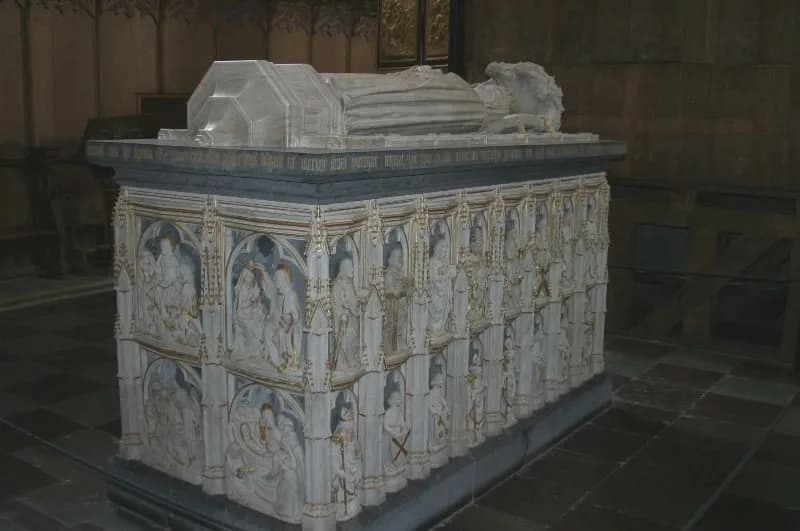
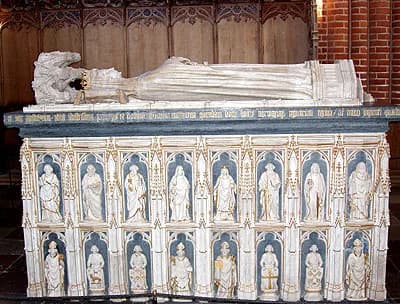
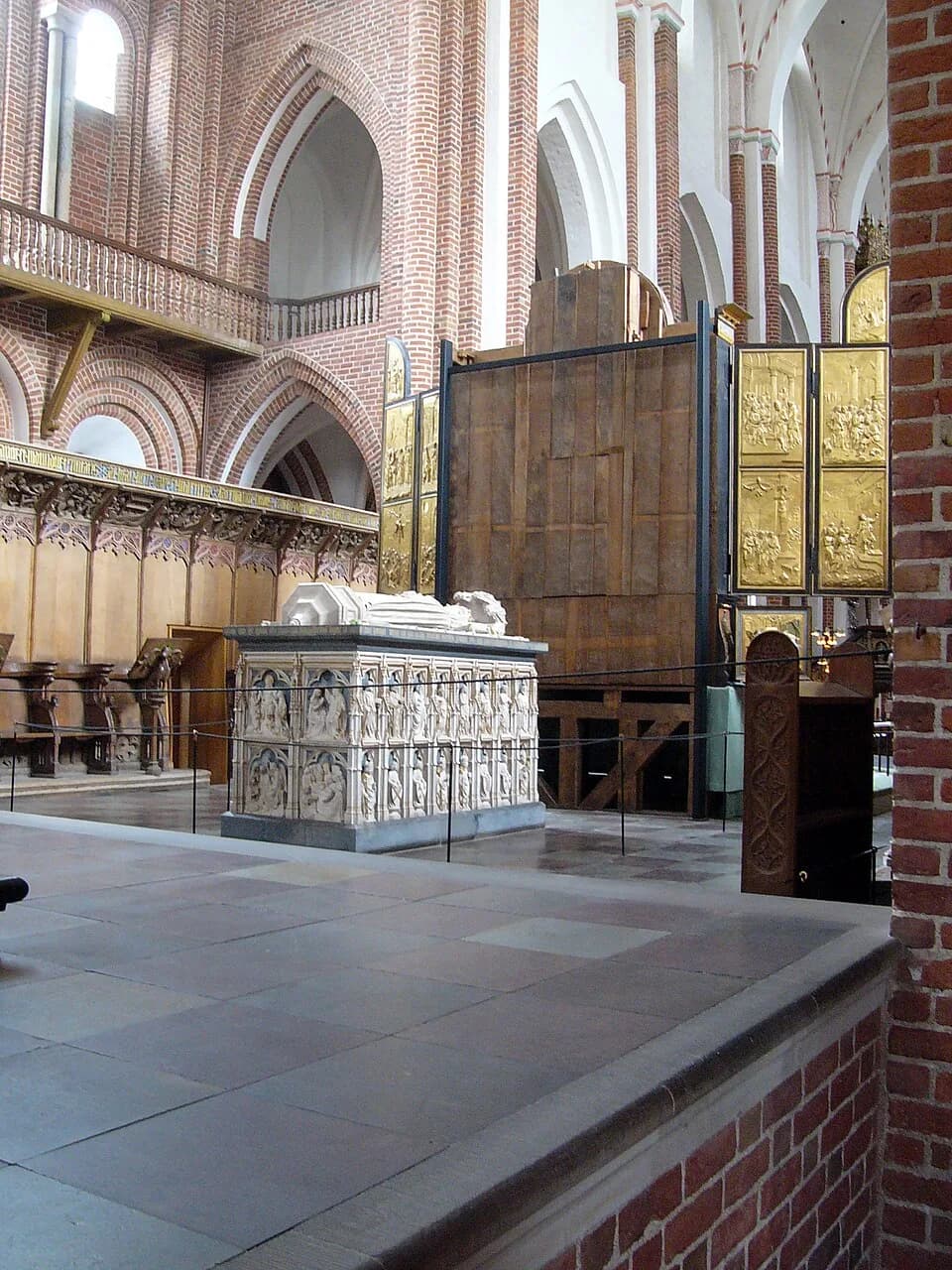
প্রশ্নোত্তর
প্রায়শই জিজ্ঞাসিত
Margaret I of Denmark কখন মারা গেছেন?
Margaret I of Denmark ২৮ অক্টোবর, ১৪১২ তারিখে Flensburg, Germany-এ মারা গেছেন, 59 বছর বয়সে।
Margaret I of Denmark কোথায় জন্মগ্রহণ করেছিলেন?
Margaret I of Denmark Søborg Castle, Denmark-এ ১ জানুয়ারি, ১৩৫৩ তারিখে জন্মগ্রহণ করেছিলেন।
Margaret I of Denmark কীসের জন্য সবচেয়ে বেশি পরিচিত?
Margaret I of Denmark Queen of Denmark, Norway, and Sweden-এর জন্য সবচেয়ে বেশি পরিচিত।
মৃত্যুর সময় Margaret I of Denmark-এর বয়স কত ছিল?
মৃত্যুর সময় Margaret I of Denmark-এর বয়স 59 বছর ছিল।
Margaret I of Denmark-এর জাতীয়তা কী ছিল?
Margaret I of Denmark Denmark থেকে এসেছিলেন।
টাইমলাইন
এক নজরে জীবন
ছবি গ্যালারি
ছবিতে এক জীবন
প্রসারিত করতে যেকোনো পোলারয়েড ক্লিক করুন · 49টি ছবি
QR কোড
এই জীবনী ভাগ করুন
প্রিন্ট ও ভাগ করুন
এই জীবনী পৃষ্ঠা দেখতে স্ক্যান করুন। ইভেন্ট, প্রদর্শনী বা শিক্ষামূলক উপকরণের জন্য প্রিন্ট করুন।