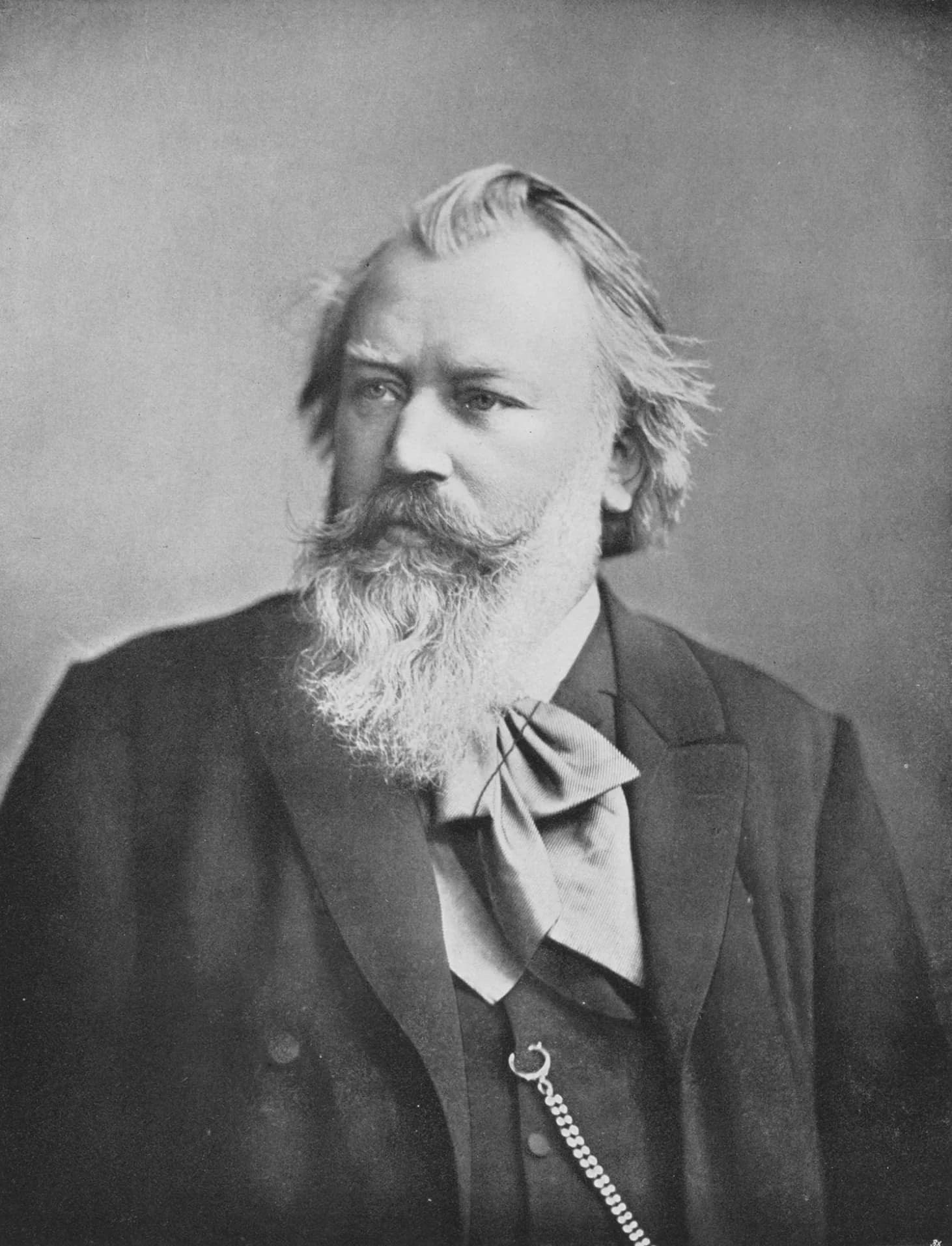
জন্ম
May 7, 1833
Hamburg, Holy Roman Empire
মৃত্যু
April 3, 1897
Vienna, Austria
যার জন্য পরিচিত
German composer
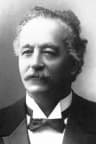
Johannes Brahms (1833–1897) was Holy Roman Empire best known for German composer.
Johannes Brahms (May 7, 1833 – April 3, 1897) was a German composer, virtuoso pianist, and conductor from Hamburg. He is noted for his rhythmic vitality and integrating traditional structures within expressive Romantic classical music. His profound œuvre includes symphonies, concertos, and a Requiem, leaving a lasting legacy.
অধ্যায়
জীবনের অধ্যায়
অধ্যায় 1· অধ্যায় 1 / 7
Early Life and Origins
Born into a musical family in Hamburg, Holy Roman Empire, Johannes Brahms's early life was steeped in music. He displayed extraordinary aptitude for the piano from a very young age, quickly excelling as a virtuoso performer. His foundational education and environment in Hamburg were crucial in shaping his initial understanding of music theory and performance practice, preparing him for a career that would redefine the Romantic classical genre.
অধ্যায় 2· অধ্যায় 2 / 7
Career Beginnings
Brahms commenced his professional career not only as a composer but also as a highly skilled conductor and a virtuosic pianist. These early roles provided him with extensive practical experience, both in interpreting existing works and in presenting his own compositions to audiences. This period allowed Brahms to deeply study and adapt the traditional structures and techniques of a wide historical range of earlier composers, integrating these classical principles into his developing, distinctively Romantic style.
His early musical explorations were marked by a commitment to rigorous craftsmanship and an evolving command of harmony and counterpoint. As he gained recognition, Brahms began to explore various forms including chamber music and early orchestral pieces. This solid foundation enabled him to approach composition with both innovation and a profound respect for established musical forms, setting the stage for his major contributions to art song, concerto, and symphony.
অধ্যায় 3· অধ্যায় 3 / 7
Major Achievements and Career Highlights
Johannes Brahms earned his place as a leading German composer of the mid-Romantic period, celebrated for his distinctive musical voice. His music is renowned for its rhythmic vitality and a freer, yet carefully considered, treatment of dissonance, often presented within studied yet highly expressive contrapuntal textures. He skillfully achieved a balance between passionate expression and structural clarity, making his compositions resonate with both emotion and intellectual depth.
Among his most significant achievements are his four symphonies, which are considered cornerstones of the orchestral repertoire and exemplify his mastery of large-scale form. He also contributed four concertos that showcase his abilities in both solo and orchestral writing. Brahms's compositions spanned across genres, including a major Requiem, numerous pieces of chamber music, and hundreds of folk-song arrangements and Lieder, demonstrating his comprehensive musical range and command.
অধ্যায় 4· অধ্যায় 4 / 7
Personal Life
While the provided information does not detail Johannes Brahms's family life or personal relationships in depth, his life was unquestionably dedicated to his musical pursuits. He was known for his disciplined approach to composition and his strong personal convictions regarding artistic integrity. Brahms maintained residences and spent significant periods in various European cities, with Vienna, Austria, ultimately becoming his final home and a major hub for his creative and professional activities.
অধ্যায় 5 · 1985· অধ্যায় 5 / 7
Notable Works or Contributions
Brahms’s extensive œuvre covers a broad spectrum of musical forms, consistently displaying his unique blend of Romantic expression and classical structure. His four symphonies are highly regarded, with Symphony No1 seeing a recording in 1985, reaffirming its enduring place in classical music. The four concertos he composed stand as monumental works, showcasing his profound understanding of instrumental capabilities.
His contributions to chamber music are equally celebrated, including the Piano Quartet no. 1 in G minor, op. 25, and Piano Quartet no. 3 in C minor, op. 60, both of which were recorded in 1988. Further chamber works, such as Quatuor à cordes n. 2 & 3, recorded in 1989, highlight his expertise in smaller ensembles. For solo piano, his pieces include Piano Pieces Op. 76, Two Rhapsodies Op. 79, and Fantasies, Op. 116, which were brought to recordings in 1990, demonstrating his rich output for the instrument.
Brahms also left a significant mark on vocal music with his Requiem, alongside hundreds of beautifully crafted folk-song arrangements and Lieder, which are prime examples of the art song genre. His compositions for organ, such as those featured in the Œuvre pour orgue intégrale recorded in 1972, further underscore his versatility. The popularity of his work is reflected in compilations like "The Best of Brahms" (1990) and "Complete Works" (1991), which allow modern audiences to explore the full breadth of his genius. His Symphonie Nr. 2 & Liebeslieder Walzer also saw a recording in 1992, showcasing his diverse repertoire.
অধ্যায় 6 · 1897· অধ্যায় 6 / 7
Later Years
Johannes Brahms spent his concluding years in Vienna, Austria, a city that had long been a vibrant center for musical innovation and appreciation. Throughout this period, he remained an active and influential figure, continuing to compose and contribute significantly to the musical world. His artistic output in these later years solidified his reputation as a master craftsman, deeply rooted in tradition yet forward-looking in his expressive capabilities. Brahms passed away in Vienna on April 3, 1897, leaving behind a profound and lasting legacy.
অধ্যায় 7· অধ্যায় 7 / 7
Legacy and Impact
Johannes Brahms's influence on classical music is immense and continues to resonate through generations of musicians and listeners. His ability to adapt and integrate the traditional structures and techniques of earlier composers with the emotional depth and rhythmic innovation of the mid-Romantic period was unparalleled. He crafted a body of work that is both intellectually stimulating and deeply moving.
His music, characterized by its rhythmic vitality, sophisticated contrapuntal textures, and expressive use of harmony, remains a staple in concert halls and academic studies worldwide. Brahms's contributions across genres like symphony, concerto, chamber music, and art song have firmly established him as one of the most beloved and respected German composers, ensuring his enduring presence in the global musical heritage.
মুহূর্তে এক জীবন
যে মুহূর্তগুলি একটি জীবন গড়েছে



প্রশ্নোত্তর
প্রায়শই জিজ্ঞাসিত
Johannes Brahms কখন মারা গেছেন?
Johannes Brahms ৩ এপ্রিল, ১৮৯৭ তারিখে Vienna, Austria-এ মারা গেছেন, 63 বছর বয়সে।
Johannes Brahms কোথায় জন্মগ্রহণ করেছিলেন?
Johannes Brahms Hamburg, Holy Roman Empire-এ ৭ মে, ১৮৩৩ তারিখে জন্মগ্রহণ করেছিলেন।
Johannes Brahms কীসের জন্য সবচেয়ে বেশি পরিচিত?
Johannes Brahms German composer-এর জন্য সবচেয়ে বেশি পরিচিত।
মৃত্যুর সময় Johannes Brahms-এর বয়স কত ছিল?
মৃত্যুর সময় Johannes Brahms-এর বয়স 63 বছর ছিল।
Johannes Brahms-এর জাতীয়তা কী ছিল?
Johannes Brahms Holy Roman Empire থেকে এসেছিলেন।
টাইমলাইন
এক নজরে জীবন
ছবি গ্যালারি
ছবিতে এক জীবন
প্রসারিত করতে যেকোনো পোলারয়েড ক্লিক করুন · 50টি ছবি
QR কোড
এই জীবনী ভাগ করুন
প্রিন্ট ও ভাগ করুন
এই জীবনী পৃষ্ঠা দেখতে স্ক্যান করুন। ইভেন্ট, প্রদর্শনী বা শিক্ষামূলক উপকরণের জন্য প্রিন্ট করুন।