জন্ম
May 31, 1925
Siegmar, Germany
মৃত্যু
March 9, 2015
Leonberg, Germany
যার জন্য পরিচিত
German architect
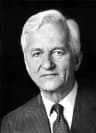
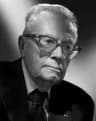
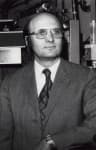
Frei Otto (1925–2015) was Germany best known for German architect.
Frei Paul Otto (May 31, 1925 – March 9, 2015) was a German architect and structural engineer from Siegmar, Germany. He was noted for his pioneering work in lightweight tensile and membrane structures, including the roof of the 1972 Munich Olympic Stadium. His innovative designs continue to inspire modern architectural thought.
অধ্যায়
জীবনের অধ্যায়
অধ্যায় 1 · 1925· অধ্যায় 1 / 7
Opening
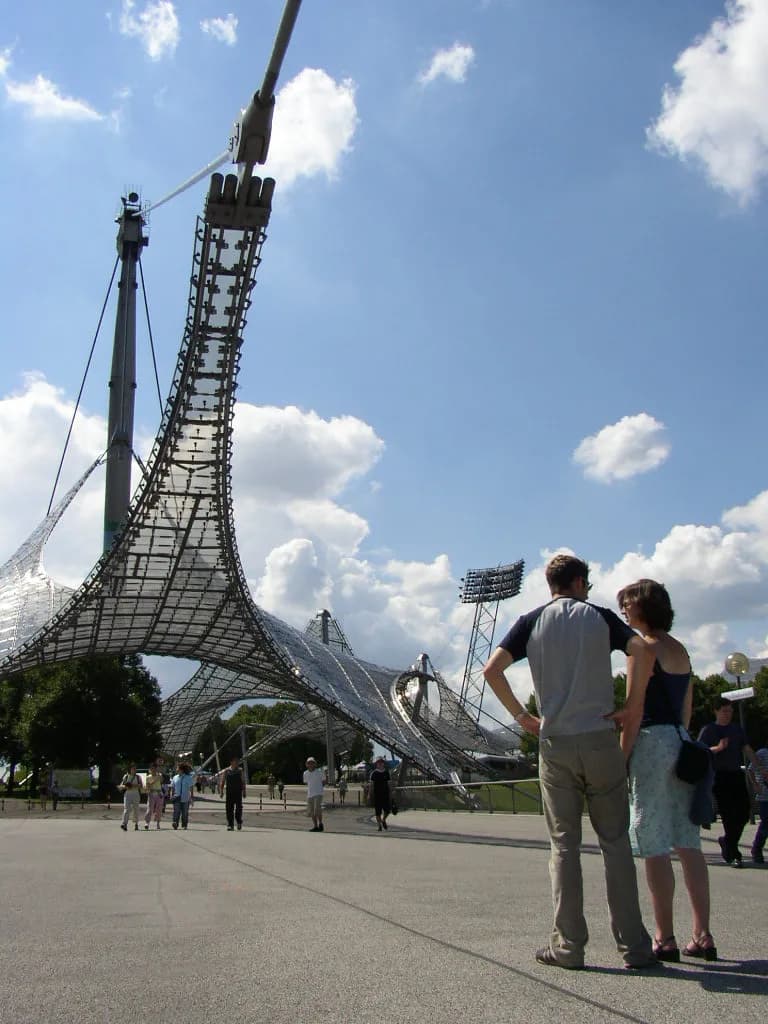
Frei Paul Otto (May 31, 1925 – March 9, 2015) was a German architect and structural engineer whose revolutionary approach to construction significantly advanced the field of lightweight structures. He gained international recognition for his pioneering work with tensile and membrane structures, forms that offered unprecedented flexibility and material efficiency. His most iconic contribution remains the elegant roof of the Olympic Stadium in Munich, a defining architectural feature for the 1972 Summer Olympics.
অধ্যায় 2 · 1925· অধ্যায় 2 / 7
Early Life and Origins
Born on May 31, 1925, in Siegmar, Germany, Frei Otto's early life coincided with a period of rapid industrial and scientific advancement in Europe. His upbringing in Germany likely instilled in him a meticulous and engineering-focused mindset, influencing his later dedication to structural innovation. He ultimately passed away in Leonberg, Germany, on March 9, 2015, leaving behind a rich legacy of design principles and built works.
অধ্যায় 3· অধ্যায় 3 / 7
Career Beginnings
Frei Otto's professional journey was notably multidisciplinary, encompassing his roles as a writer, a practicing architect, a dedicated university teacher, and a skilled civil engineer. This broad educational and professional background allowed him to approach architectural challenges from various perspectives, fostering a holistic understanding of structure and form. His initial forays into these varied fields laid the crucial foundation for his subsequent innovative work in lightweight structures and his role as a prominent academic.
অধ্যায় 4 · 1972· অধ্যায় 4 / 7
Major Achievements and Career Highlights
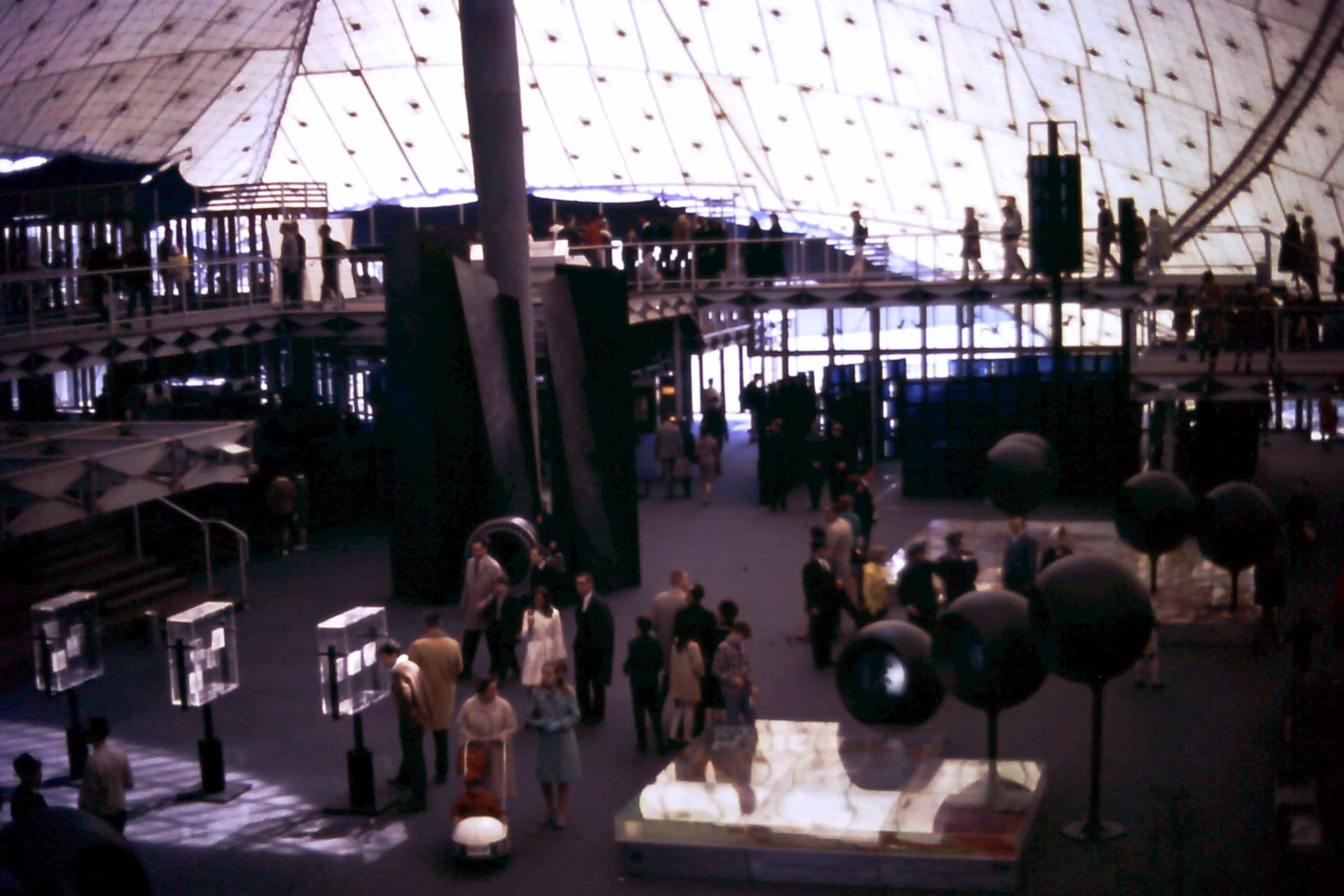
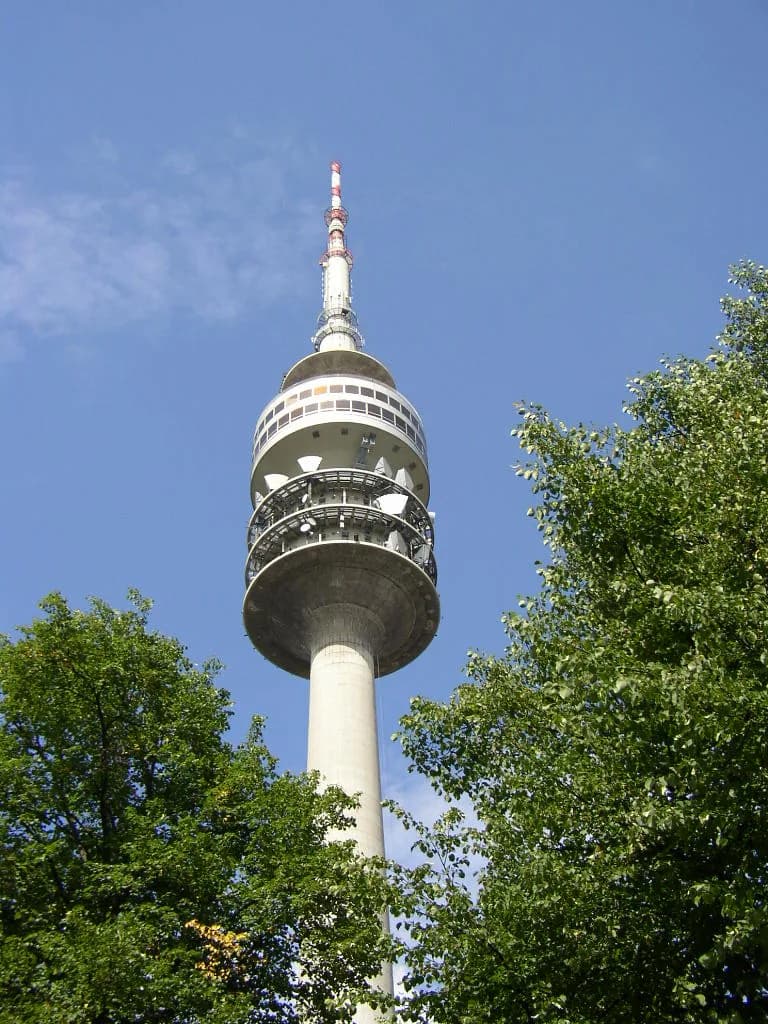
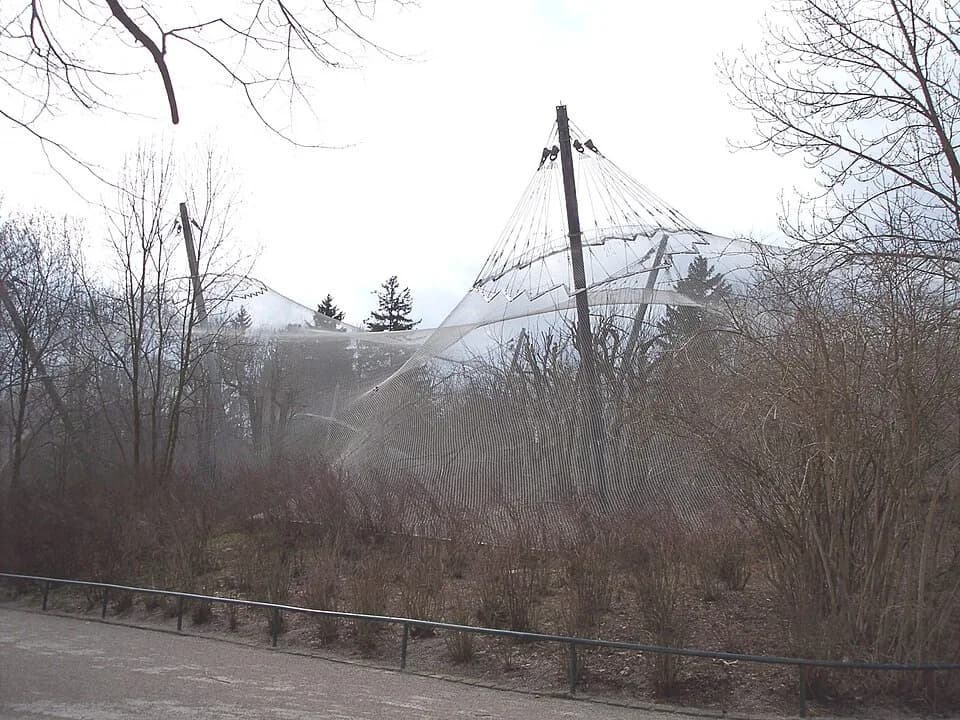
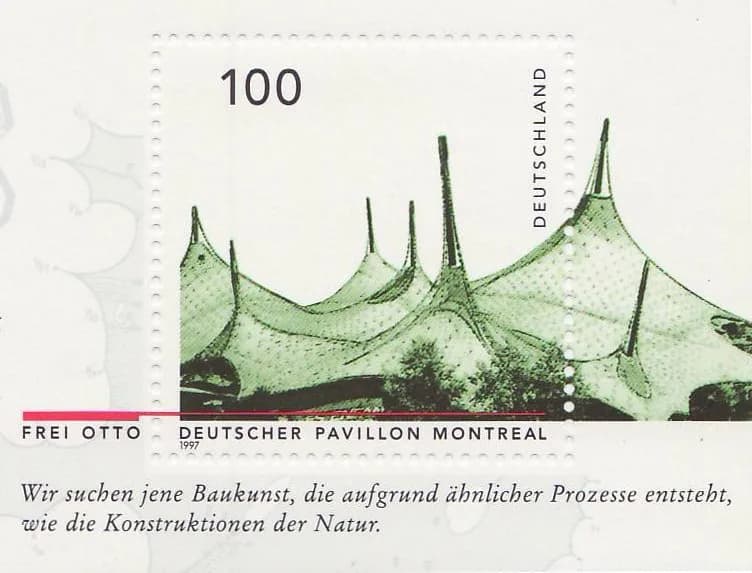
A defining achievement in Frei Otto’s career was his design for the expansive, tent-like roof covering parts of the Olympic Stadium in Munich, a structure completed for the 1972 Summer Olympics. This audacious project showcased his unparalleled expertise in creating large-span tensile and membrane structures, demonstrating how these lightweight forms could achieve both grand scale and delicate aesthetics. The Munich Olympic roof not only garnered widespread critical acclaim but also served as a tangible manifestation of his theoretical explorations into minimal material use and structural elegance, solidifying his international reputation.
Beyond his architectural commissions, Frei Otto made substantial contributions to the academic and theoretical underpinnings of his field, acting as a prolific writer and researcher. His influential 1996 publication, "Finding Form: Towards an Architecture of the Minimal", explored his core philosophy of structural efficiency and generated 151 citations, indicating its lasting academic resonance. This work became a cornerstone for understanding the principles behind his innovative designs, shaping future architectural thought.
His commitment to documenting and sharing his knowledge continued with "Frei Otto. Complete Works: Lightweight Construction - Natural Design" in 2008, a comprehensive compilation that gathered 51 citations, reflecting the breadth of his intellectual output. He also engaged with broader questions of human settlement and territory in "Occupying and connecting : thoughts on territories and spheres of influence with particular reference to human settlement" from 2009, which received 39 citations. These scholarly works highlight his dedication to integrating research with practical application, bridging the gap between abstract theory and built reality.
অধ্যায় 5· অধ্যায় 5 / 7
Notable Works or Contributions
Frei Otto's extensive bibliography showcases his continuous exploration of adaptable architecture and structural efficiency, illuminating his unique approach to design. His early, foundational text, "Tensile Structures", for example, meticulously detailed the engineering and architectural possibilities of structures held in tension. This seminal work provided essential guidelines and theoretical frameworks that inspired a new generation of architects and engineers exploring similar design challenges.
Projects like the Multihalle in Mannheim further illustrated his theories in tangible form, serving as a large-scale exemplar of his membrane structure expertise. Additionally, his research and experimental findings were frequently disseminated through specialized volumes such as "IL23" and "IL24", which explored various aspects of lightweight construction. These publications collectively served to demystify complex structural concepts, making them accessible to a wider audience while pushing the boundaries of architectural discourse.
Otto’s broader interests were also evident in publications like "Arquitectura adaptable", which delved into the dynamic nature of buildings and their ability to respond to changing needs and environments. His collected works, including "Schriften und Reden 1951-1983", offered a chronological insight into his evolving ideas and public addresses over several decades. Through this extensive bibliography, Frei Otto articulated a coherent vision for an architecture that was both structurally efficient and environmentally responsive.
অধ্যায় 6 · 2010· অধ্যায় 6 / 7
Later Years
In his later years, Frei Otto remained a vibrant and engaged figure in architectural thought, continuing to influence the dialogue around sustainable and innovative design. His 2010 publication, "A conversation with Frei Otto", provided a retrospective on his long and distinguished career, offering personal insights into his design philosophy and motivations, and garnering 15 citations. This work allowed him to share wisdom accumulated over decades with a new generation.
His scientific curiosity extended to diverse fields, as exemplified by his 1992 contribution, "Construction and economy of plant stems as revealed by use of the Bic-method", which investigated natural structures for architectural inspiration and received 9 citations. This interdisciplinary research highlighted his consistent belief that nature held fundamental lessons for efficient design. Frei Otto passed away peacefully in Leonberg, Germany, on March 9, 2015, just weeks before his 90th birthday, after a life spent in tireless pursuit of architectural innovation.
অধ্যায় 7· অধ্যায় 7 / 7
Legacy and Impact
Frei Otto’s enduring legacy is intrinsically tied to his revolutionary advocacy and practical application of lightweight tensile and membrane structures, fundamentally altering the trajectory of modern architecture. He not only conceived visually striking buildings but also established new paradigms for structural integrity and material economy. His work demonstrated that large-scale structures could be both monumental and ethereal, efficient and beautiful.
His pioneering methods and the philosophical principles he developed continue to resonate deeply within contemporary architectural and engineering circles, influencing approaches to sustainable and adaptive design. Otto’s blend of scientific rigor and artistic intuition set a lasting standard for creative problem-solving in the built environment. Frei Otto’s vision for an architecture that is simultaneously elegant, efficient, and responsive to its context ensures his lasting position as a truly influential figure in the history of design.
মুহূর্তে এক জীবন
যে মুহূর্তগুলি একটি জীবন গড়েছে
প্রশ্নোত্তর
প্রায়শই জিজ্ঞাসিত
Frei Otto কখন মারা গেছেন?
Frei Otto ৯ মার্চ, ২০১৫ তারিখে Leonberg, Germany-এ মারা গেছেন, 89 বছর বয়সে।
Frei Otto কোথায় জন্মগ্রহণ করেছিলেন?
Frei Otto Siegmar, Germany-এ ৩১ মে, ১৯২৫ তারিখে জন্মগ্রহণ করেছিলেন।
Frei Otto কীসের জন্য সবচেয়ে বেশি পরিচিত?
Frei Otto German architect-এর জন্য সবচেয়ে বেশি পরিচিত।
মৃত্যুর সময় Frei Otto-এর বয়স কত ছিল?
মৃত্যুর সময় Frei Otto-এর বয়স 89 বছর ছিল।
Frei Otto-এর জাতীয়তা কী ছিল?
Frei Otto Germany থেকে এসেছিলেন।
টাইমলাইন
এক নজরে জীবন
ছবি গ্যালারি
ছবিতে এক জীবন
প্রসারিত করতে যেকোনো পোলারয়েড ক্লিক করুন · 20টি ছবি
QR কোড
এই জীবনী ভাগ করুন
প্রিন্ট ও ভাগ করুন
এই জীবনী পৃষ্ঠা দেখতে স্ক্যান করুন। ইভেন্ট, প্রদর্শনী বা শিক্ষামূলক উপকরণের জন্য প্রিন্ট করুন।