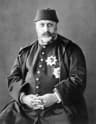
Роден
January 27, 1859
Kronprinzenpalais, Germany
Починал
June 4, 1941
Huis Doorn, Netherlands
Известен с
as King of Prussia last German Emperor from 1888 to 1918
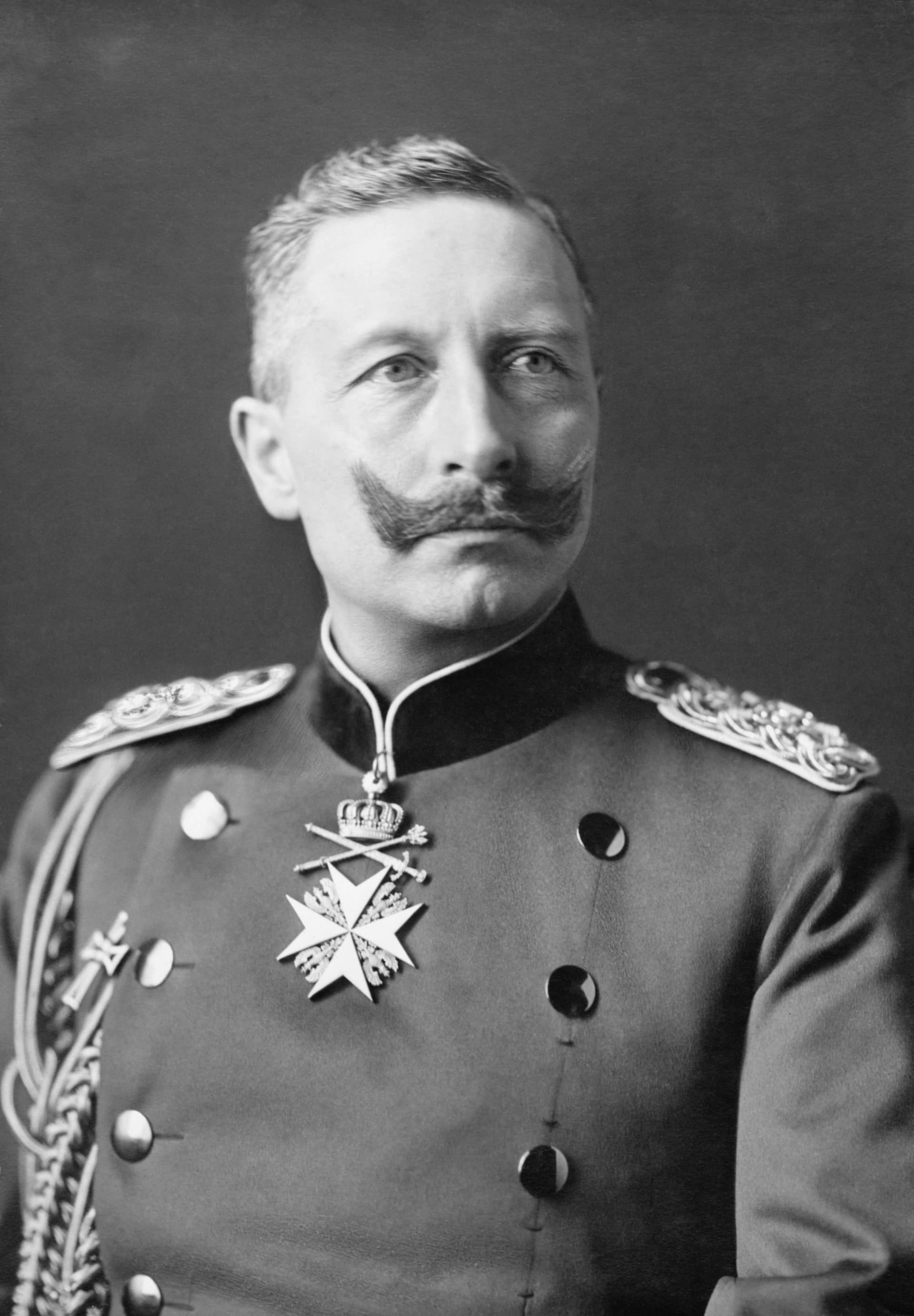
Wilhelm II (1859–1941) was Germany best known for as King of Prussia last German Emperor from 1888 to 1918.
Wilhelm II (January 27, 1859 – June 4, 1941) was a monarch, author, and art collector from Germany. He served as the last German Emperor and King of Prussia from 1888 until his abdication in 1918. His reign marked the conclusion of the German Empire and the long-standing Hohenzollern dynasty.
Глава
Глави от живота
Глава 1 · 1859· Глава 1 от 7
Early Life and Origins
Born on January 27, 1859, Wilhelm II began his life in the historic Kronprinzenpalais, located in Germany. This royal palace served as the setting for his early upbringing and formative years. Growing up within the highest echelons of German society, he was prepared for a future of significant responsibility.
His birth in Kronprinzenpalais established his deep connection to the Prussian and German imperial traditions from the very beginning. This environment instilled in him the customs and expectations of a monarch-in-waiting. These early experiences laid the foundation for his eventual ascension to the throne and his decades as a prominent European leader.
Глава 2 · 1888· Глава 2 от 7
Career Beginnings
Wilhelm II ascended to the throne in 1888, becoming both the King of Prussia and the German Emperor. This momentous event initiated his thirty-year reign, placing him at the helm of a powerful and expanding nation. His early years as a ruler were characterized by a determination to assert his authority and influence.
His formal entry into leadership marked a new chapter for the German Empire, which had been unified just a few decades prior. As Emperor, he inherited a complex political landscape, both domestically and internationally. He quickly began to shape policies and direct the course of the empire according to his vision.
Глава 3 · 1888· Глава 3 от 7
Major Achievements and Career Highlights
From 1888 to 1918, Wilhelm II presided over Germany during a period of immense global change and growing international tensions. His reign saw Germany experience rapid industrialization and military expansion, transforming the nation into a formidable European power. He was a central figure in European politics, making decisions that influenced the continent's stability.
The later years of his rule, particularly leading up to 1918, were fraught with challenges that ultimately led to his abdication. This critical event signaled the definitive end of the German Empire. It dramatically altered the political structure of Germany and had lasting repercussions across the world.
Глава 4· Глава 4 от 7
Personal Life
Beyond his official duties, Wilhelm II cultivated a rich personal life, marked by various intellectual and artistic pursuits. He was recognized not only as a ruler but also as an author, contributing written works that offered insights into his perspectives. His passion for creativity extended into painting, where he engaged in artistic expression.
Furthermore, Wilhelm II was an avid and dedicated art collector, amassing a significant personal collection. This interest showcased a dimension of his personality that went beyond statecraft and military affairs. His diverse avocations illustrated a broad curiosity and engagement with culture.
Глава 5· Глава 5 от 7
Notable Works or Contributions
Among his personal contributions, Wilhelm II authored "The Kaiser's Memoirs," a significant historical document. This book provided his firsthand account of the events and decisions that characterized his imperial rule. It remains an important resource for understanding the early 20th century from his unique vantage point.
As an art collector, Wilhelm II demonstrated a profound appreciation for artistic masterpieces from various periods. He was associated with a notable piece titled "The Actors Tamazawa Saijiro I as the pageboy Umezaburo and Segawa Kikunojo I as Oroku in the play 'Sazareishi Suehiro Genji,' performed at the Nakamura Theater in the first month, 1744." This intricate artwork, created long before his time, exemplifies the historical depth of his artistic interests and the breadth of his collection.
His personal engagement with painting further highlights his artistic inclinations as a ruler. While specific details of his own paintings are not extensively documented in the provided information, his classification as a painter signifies a direct, creative involvement beyond mere appreciation. This blending of imperial duty with artistic expression showcases his unique approach to public and private life.
Глава 6 · 1918· Глава 6 от 7
Later Years
Following his abdication in 1918, Wilhelm II embarked on a new chapter of his life in exile. He found refuge and established his residence at Huis Doorn, a country house located in the Netherlands. This marked a profound shift from the grandeur of imperial power to a life of relative seclusion.
He spent over two decades in the Netherlands, living a life removed from the political turmoil he once commanded. His final years were spent at Huis Doorn, where he passed away on June 4, 1941. This quiet end contrasted sharply with the momentous events of his reign and abdication.
Глава 7 · 1918· Глава 7 от 7
Legacy and Impact
Wilhelm II's departure from power in 1918 irrevocably altered the course of German history, ending the German Empire. His abdication thus represents a monumental turning point, dismantling a political structure that had shaped Central Europe for decades. This event paved the way for new forms of governance in Germany.
The end of his reign also brought to a close the formidable Hohenzollern dynasty's long-standing dominion. For 500 years, the Hohenzollerns had ruled over Brandenburg, establishing a deeply entrenched legacy. Their 400-year rule over Prussia, a cornerstone of German power, also concluded with Wilhelm II's abdication.
His legacy is therefore tied to the conclusion of an era, symbolizing the end of imperial rule and the dawn of a new political age. Wilhelm II remains a figure whose life and actions continue to be studied for their deep historical ramifications and their role in shaping the modern world.
Живот в моменти
Моментите, които оформиха един живот
Често задавани въпроси
Често задавани
Кога почина Wilhelm II?
Wilhelm II почина на 4 юни 1941 г. в Huis Doorn, Netherlands на 82-годишна възраст.
Къде е роден(а) Wilhelm II?
Wilhelm II е роден(а) в Kronprinzenpalais, Germany на 27 януари 1859 г..
С какво е най-известен(а) Wilhelm II?
Wilhelm II е най-известен(а) с as King of Prussia last German Emperor from 1888 to 1918.
На колко години беше Wilhelm II в момента на смъртта?
Wilhelm II беше на 82 години в момента на смъртта.
Каква националност имаше Wilhelm II?
Wilhelm II беше от Germany.
Хронология
Животът накратко
Фотогалерия
Живот в снимки
Кликнете върху всеки полароид, за да го разширите · 50 снимки
QR код
Споделете тази биография
Принтирайте и споделете
Сканирайте, за да посетите тази биография. Принтирайте за събития, изложби или образователни материали.