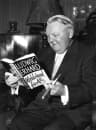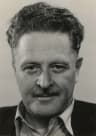
Роден
May 8, 1906
Rome, Italy
Починал
June 3, 1977
Rome, Italy
Известен с
Italian film director
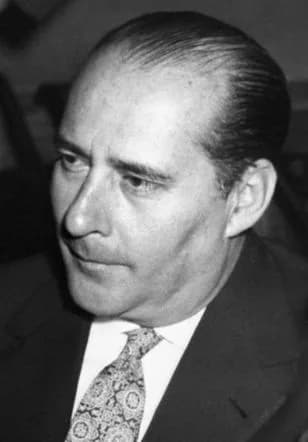
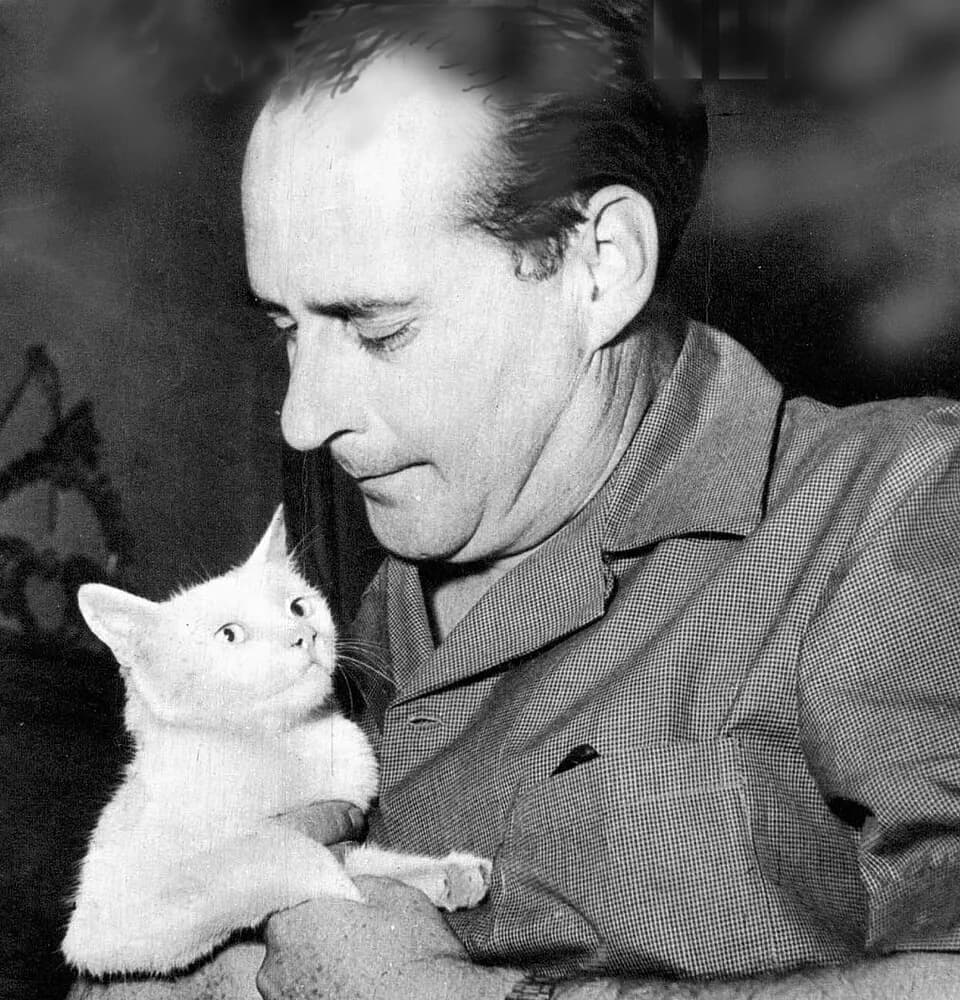
Roberto Rossellini (1906–1977) was Italy best known for Italian film director.
Roberto Gastone Zeffiro Rossellini (1906–1977) was an Italian film director from Rome who pioneered the neorealist cinema movement. His war trilogy, including "Rome, Open City" and "Paisan," revolutionized filmmaking through authentic storytelling and documentary-style techniques. His influence shaped modern cinema and inspired generations of directors worldwide.
Глава
Глави от живота
Глава 1 · 1906· Глава 1 от 7
Early Life and Origins
Roberto Rossellini was born on May 8, 1906, in Rome, Italy, into a middle-class family. Growing up in the eternal city during the early 20th century, he witnessed Italy's transformation through two world wars and significant social changes. These formative experiences in Rome would later influence his authentic approach to filmmaking and his desire to capture real human experiences on screen.
Глава 2· Глава 2 от 7
Career Beginnings
Rossellini entered the film industry during the 1930s, initially working within the Italian film system. His early career involved learning the craft of filmmaking through various roles, developing his understanding of cinema as both an art form and a means of social commentary. The experience of living through World War II profoundly influenced his artistic vision and led him to reject the artificial studio productions that dominated Italian cinema at the time.
Глава 3 · 1945· Глава 3 от 7
Major Achievements and Career Highlights
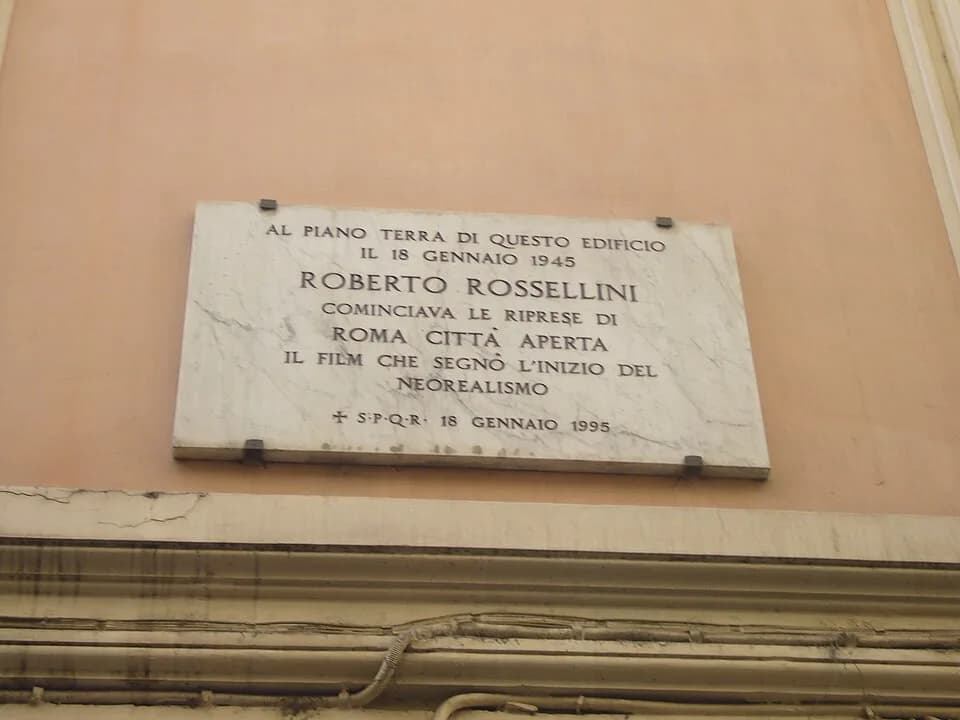
Rossellini's greatest achievement was his creation of the Italian neorealist movement through three masterful films. "Rome, Open City" (1945) marked a revolutionary moment in cinema history, filmed on location with non-professional actors to capture the reality of Nazi-occupied Rome. "Paisan" (1946) continued this approach, depicting the Allied liberation of Italy through six interconnected episodes.
"Germany, Year Zero" (1948) completed his war trilogy, exploring the psychological aftermath of defeat in post-war Berlin. These three films established neorealism as a major cinematic movement and influenced directors worldwide. Rossellini's use of natural lighting, real locations, and non-professional actors created an authenticity that had never been achieved in cinema before.
Глава 4 · 1950· Глава 4 от 7
Personal Life
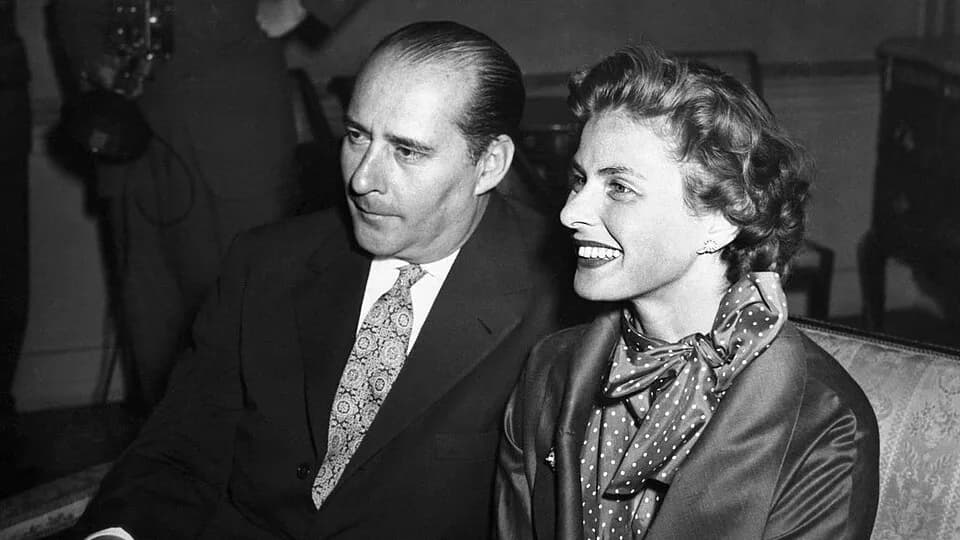
Rossellini's personal life became internationally famous through his relationship with Swedish actress Ingrid Bergman. Their romance began when Bergman wrote to him expressing admiration for his work, leading to both a professional partnership and personal relationship. They married and collaborated on several films, including "Stromboli" (1950), "Europe '51" (1952), and "Journey to Italy" (1954).
Their relationship generated significant controversy and media attention, particularly because Bergman left her previous marriage to be with Rossellini. Despite the scandal, their artistic collaboration produced some of cinema's most celebrated works, with Bergman starring in multiple Rossellini films including "Fear" (1954) and "Joan of Arc at the Stake" (1954).
Глава 5 · 1954· Глава 5 от 7
Notable Works and Contributions
Beyond his famous war trilogy, Rossellini created an extensive body of work that explored human nature and social conditions. His collaborations with Ingrid Bergman represented a second creative period, where he examined psychological themes and spiritual questions. "Journey to Italy" (1954) is now considered a masterpiece that influenced the French New Wave and modern art cinema.
Later in his career, Rossellini turned his attention to television and educational programming. His work "La TV di Rossellini" demonstrated his belief in television's potential as an educational medium. He also created historical and biographical programs, applying his documentary approach to educational content and expanding the possibilities of television as an art form.
Глава 6 · 1971· Глава 6 от 7
Later Years
During his final decades, Rossellini continued working in both cinema and television, maintaining his commitment to realistic storytelling. He remained active in filmmaking and teaching, sharing his knowledge with new generations of directors. His later works included "Interview with Salvador Allende: Power and Reason" (1971), demonstrating his continued interest in political and social subjects.
Rossellini spent his final years in Rome, the city where he was born and which had inspired much of his greatest work. He continued to advocate for cinema as a tool for education and social understanding until his death on June 3, 1977, in Rome.
Глава 7· Глава 7 от 7
Legacy and Impact
Roberto Rossellini's influence on world cinema cannot be overstated. His development of neorealist techniques changed how films could be made and what stories they could tell. Directors from the French New Wave, including Jean-Luc Godard and François Truffaut, cited Rossellini as a major influence on their work.
His approach to filming real life with minimal equipment and budget inspired independent filmmakers worldwide. Film schools continue to study his techniques, and his war trilogy remains essential viewing for understanding cinema history. Rossellini proved that powerful films could be made without elaborate sets or famous actors, requiring only authentic human stories and skilled direction.
Живот в моменти
Моментите, които оформиха един живот
Често задавани въпроси
Често задавани
Кога почина Roberto Rossellini?
Roberto Rossellini почина на 3 юни 1977 г. в Rome, Italy на 71-годишна възраст.
Къде е роден(а) Roberto Rossellini?
Roberto Rossellini е роден(а) в Rome, Italy на 8 май 1906 г..
С какво е най-известен(а) Roberto Rossellini?
Roberto Rossellini е най-известен(а) с Italian film director.
На колко години беше Roberto Rossellini в момента на смъртта?
Roberto Rossellini беше на 71 години в момента на смъртта.
Каква националност имаше Roberto Rossellini?
Roberto Rossellini беше от Italy.
Хронология
Животът накратко
Фотогалерия
Живот в снимки
Кликнете върху всеки полароид, за да го разширите · 31 снимки
QR код
Споделете тази биография
Принтирайте и споделете
Сканирайте, за да посетите тази биография. Принтирайте за събития, изложби или образователни материали.