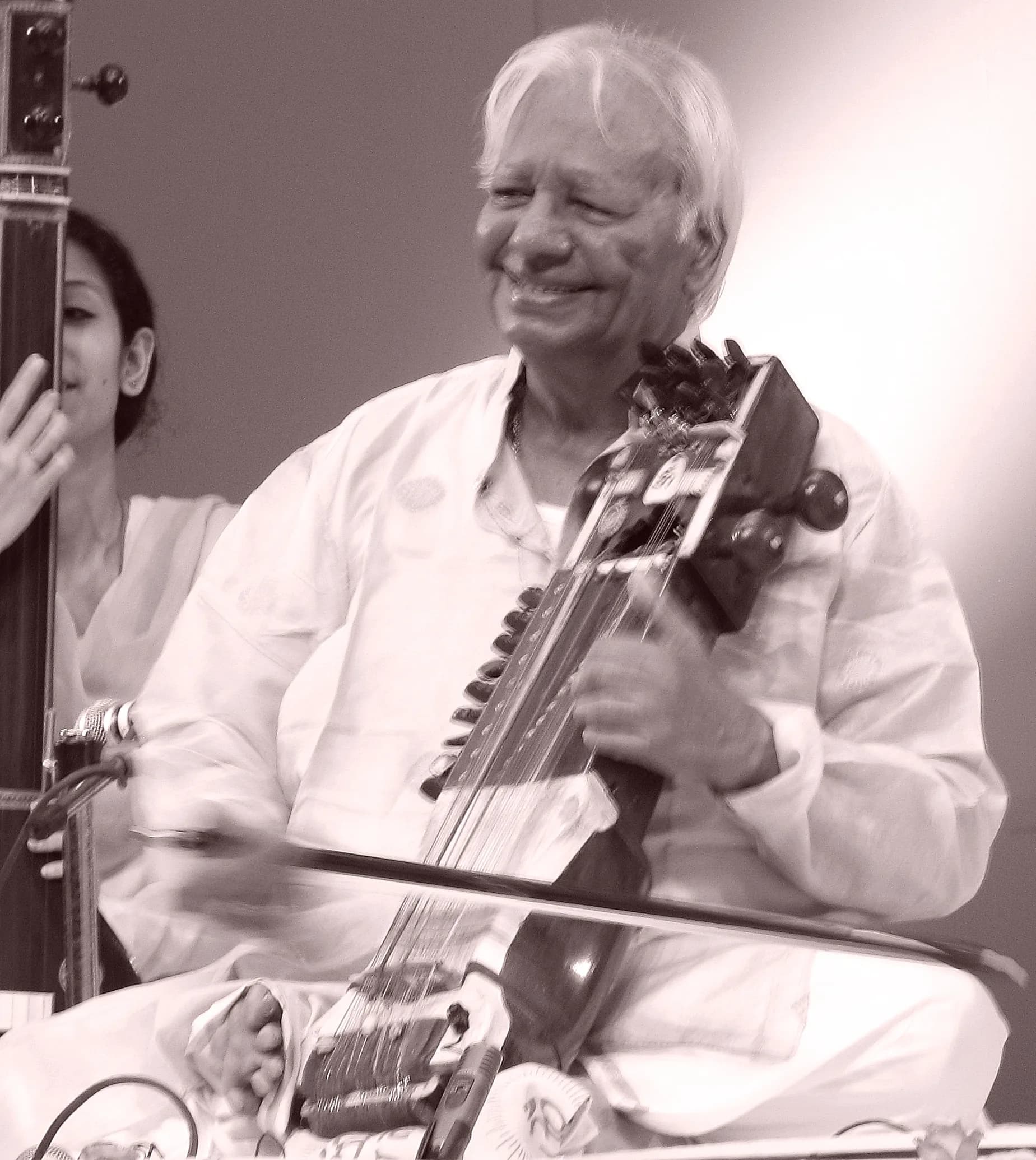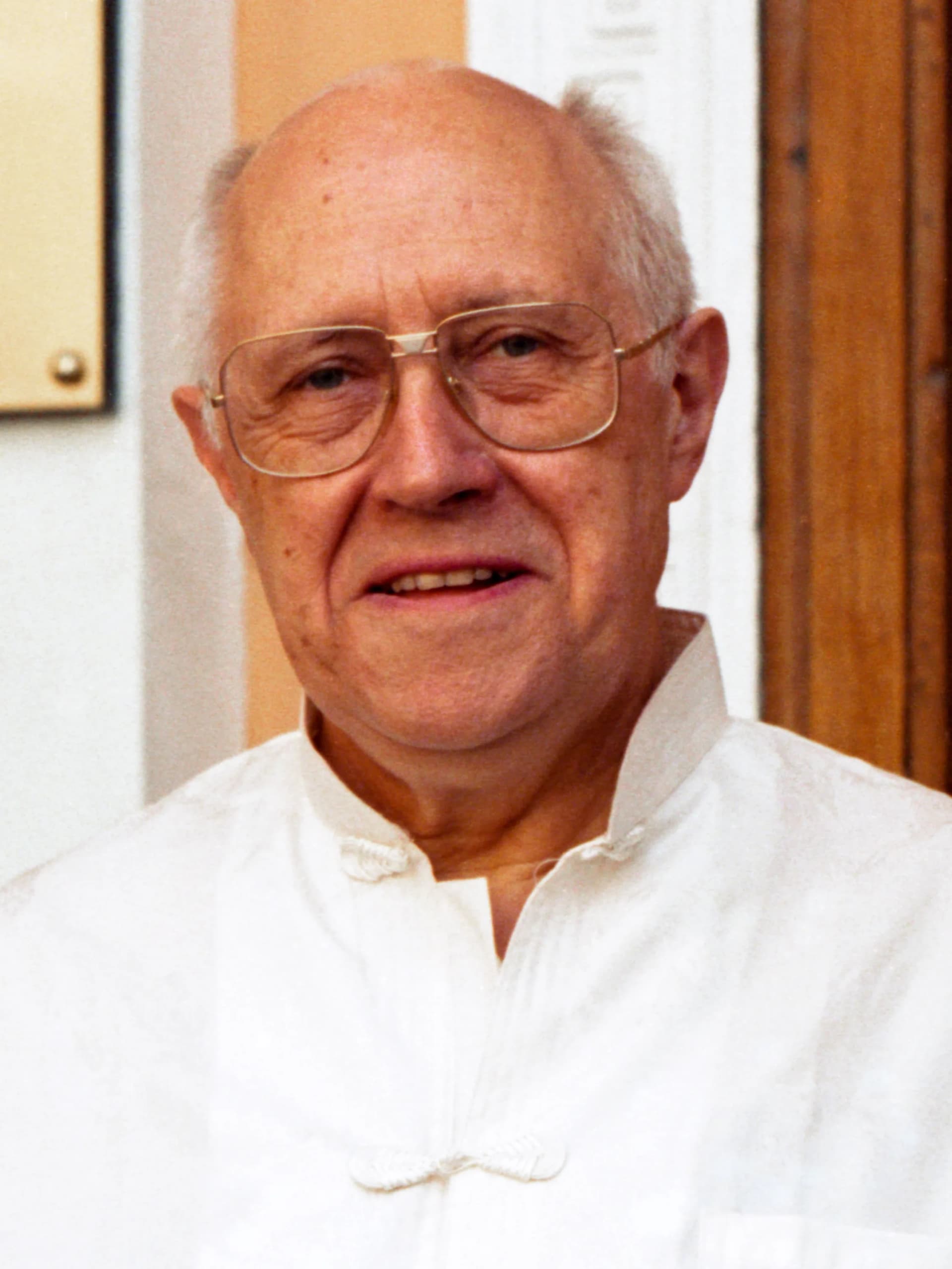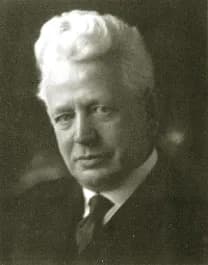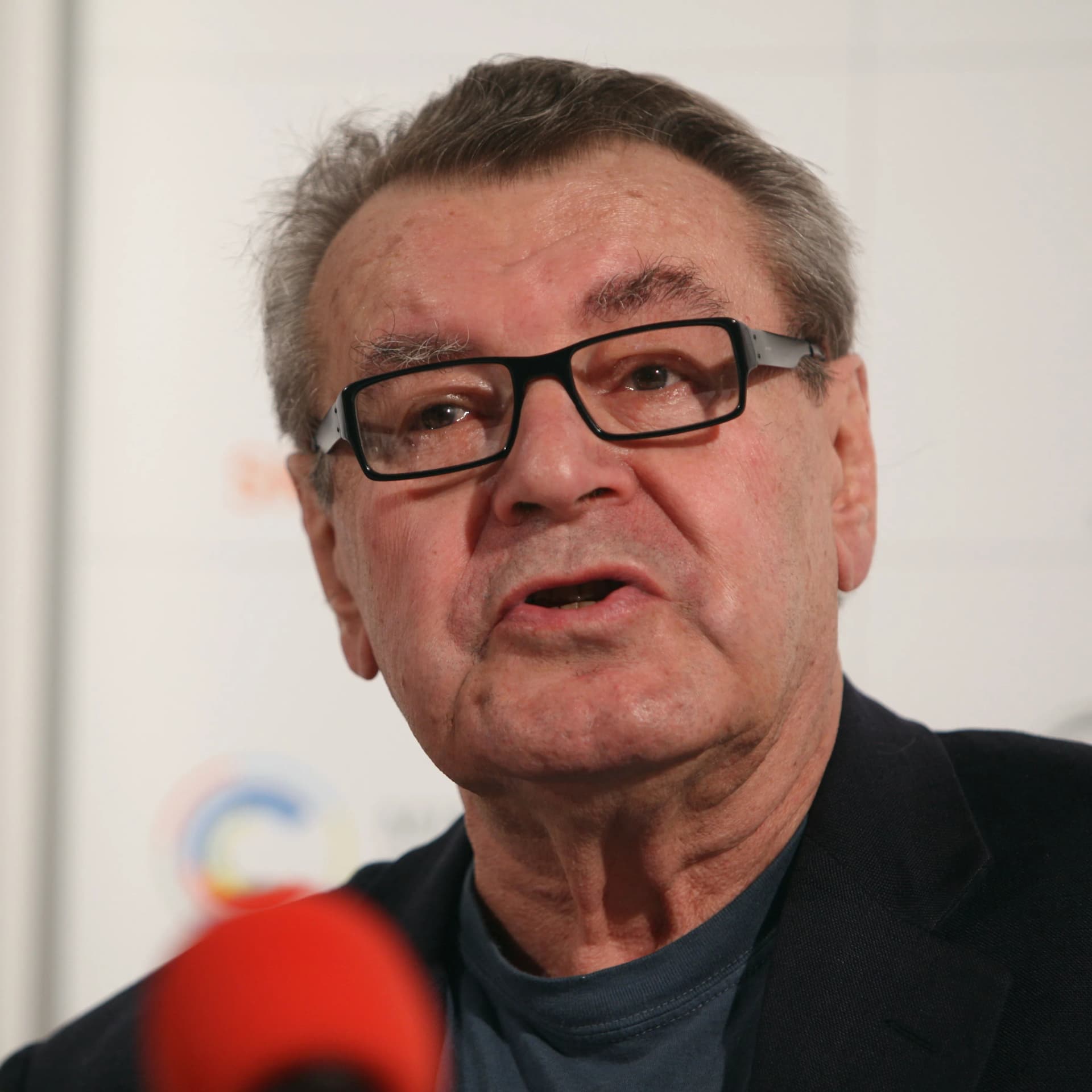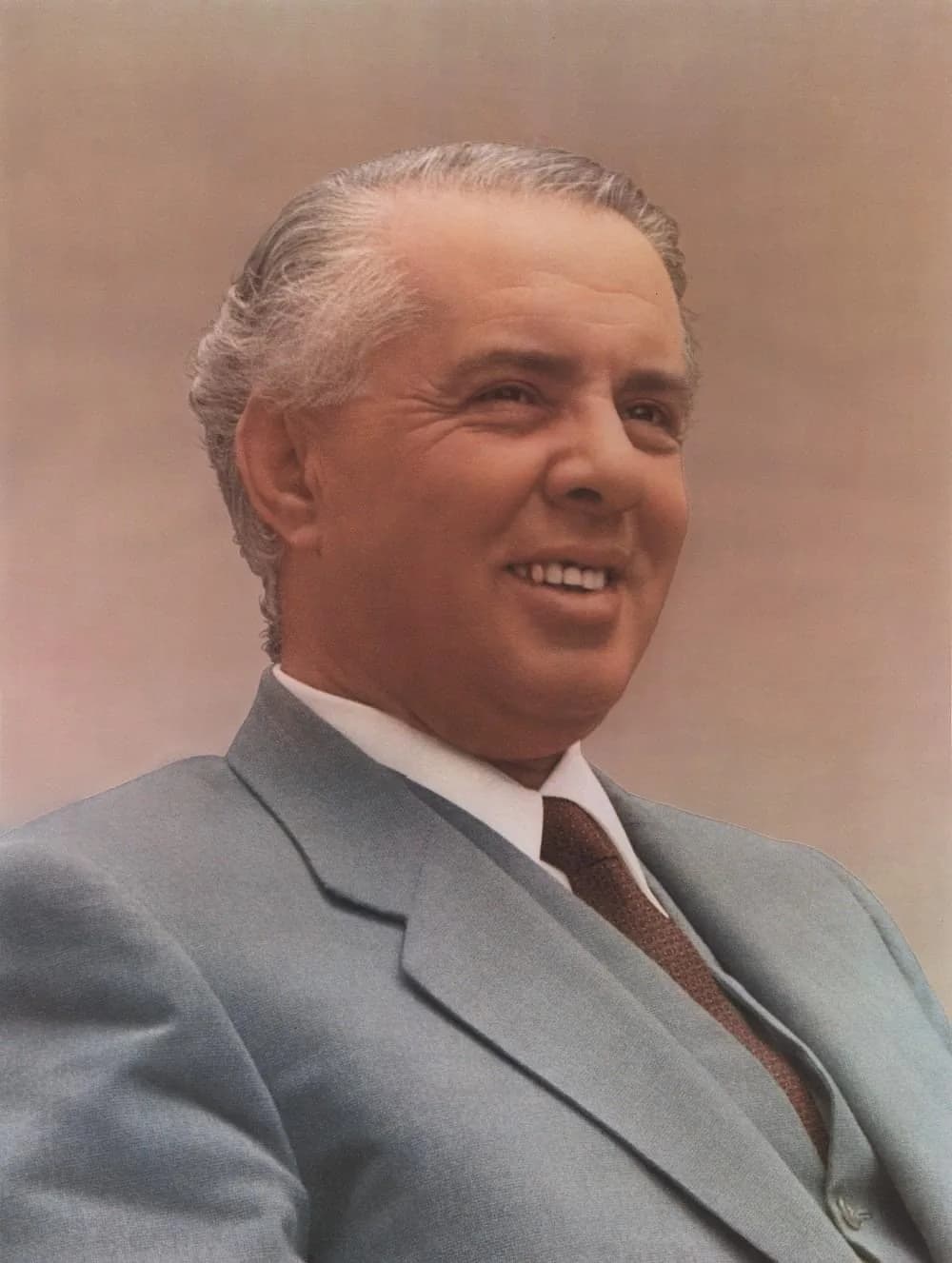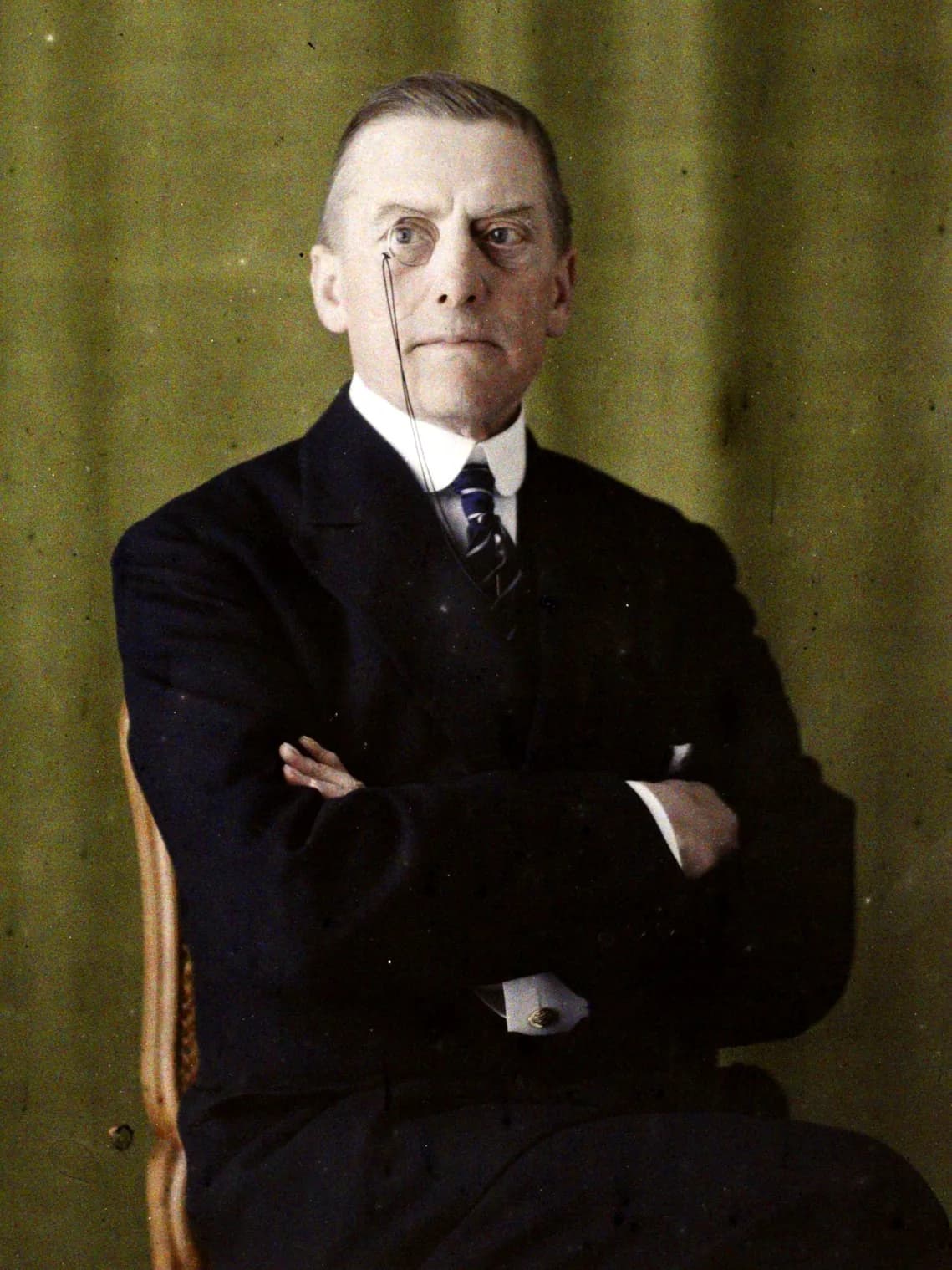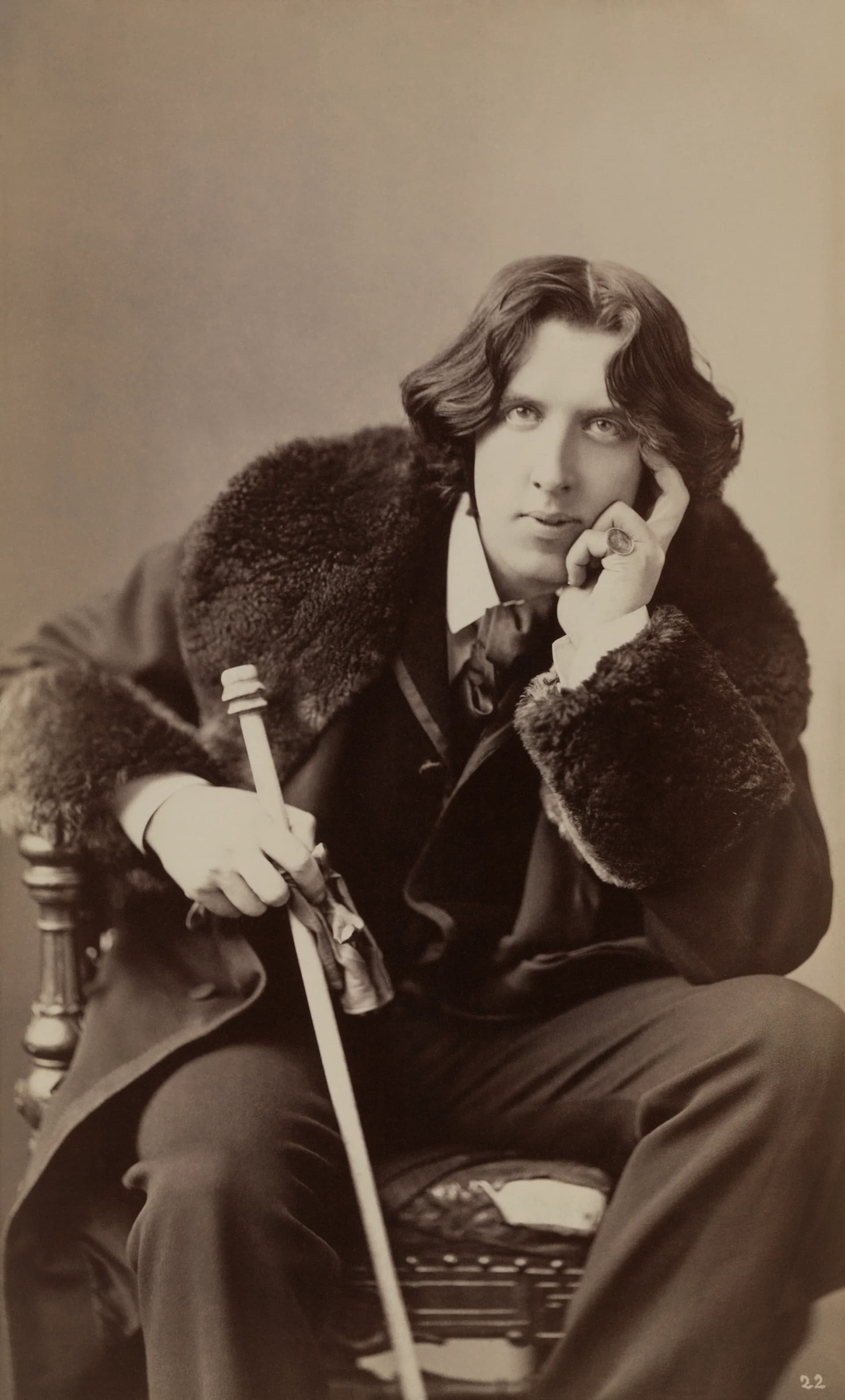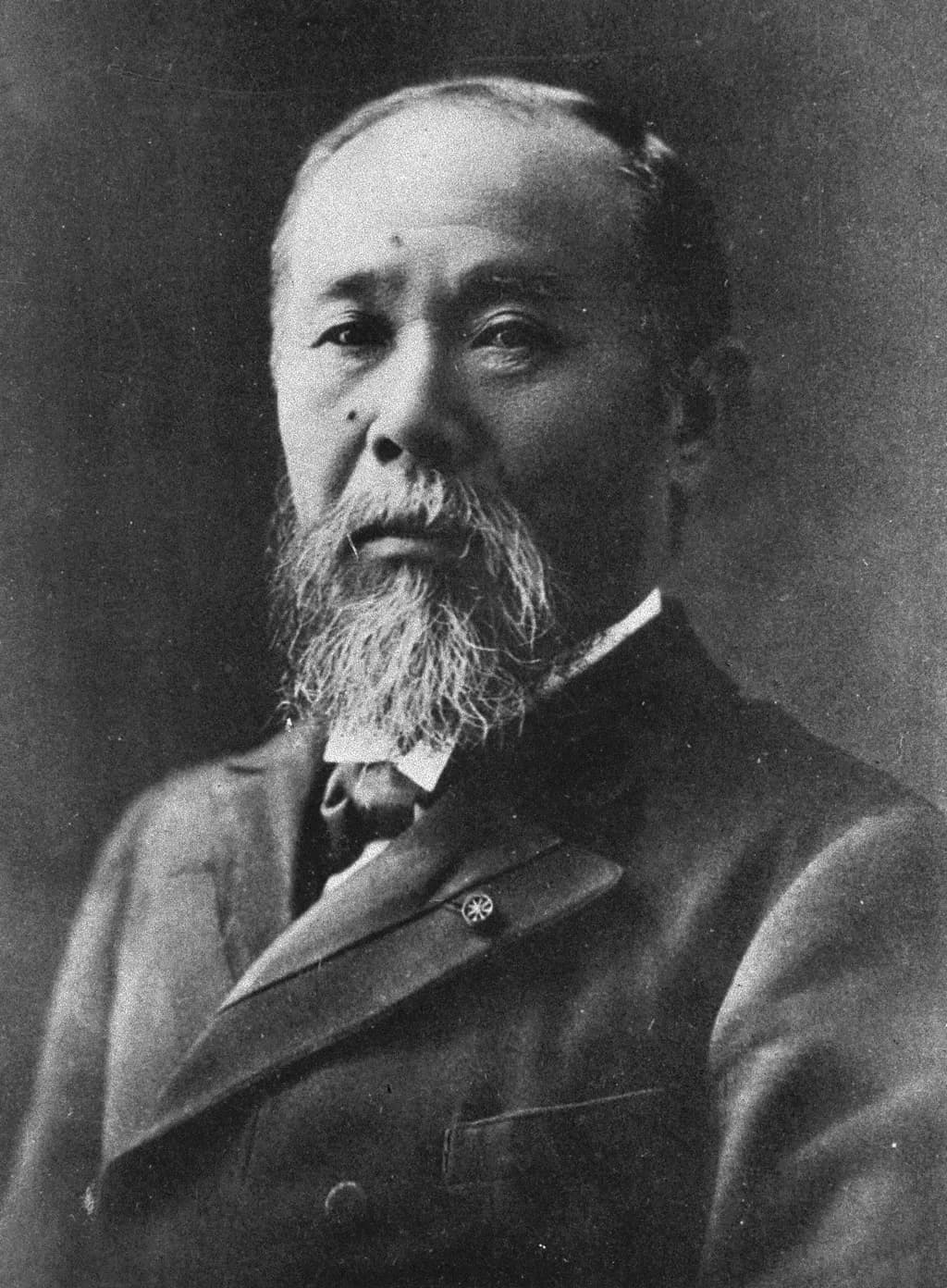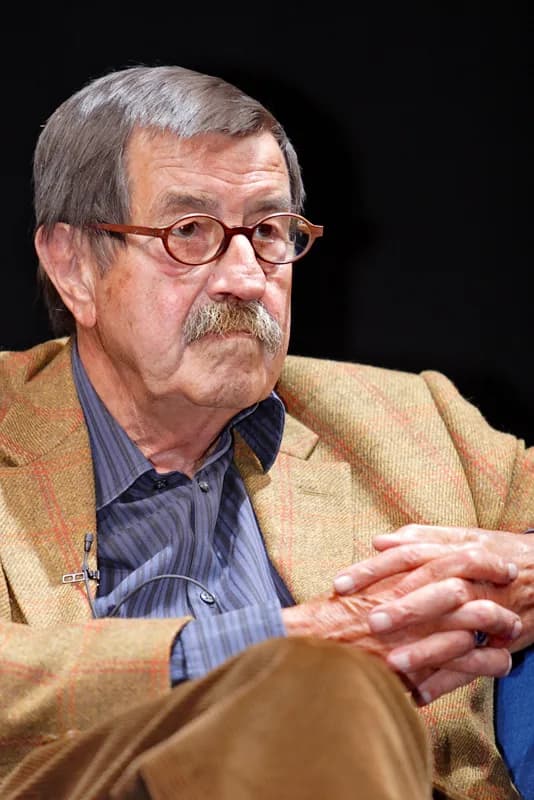
Роден
October 16, 1927
Free City of Danzig, Free City of Danzig
Починал
April 13, 2015
Lübeck, Germany
Известен с
German novelist, poet, playwright, illustrator, graphic artist, and sculptor
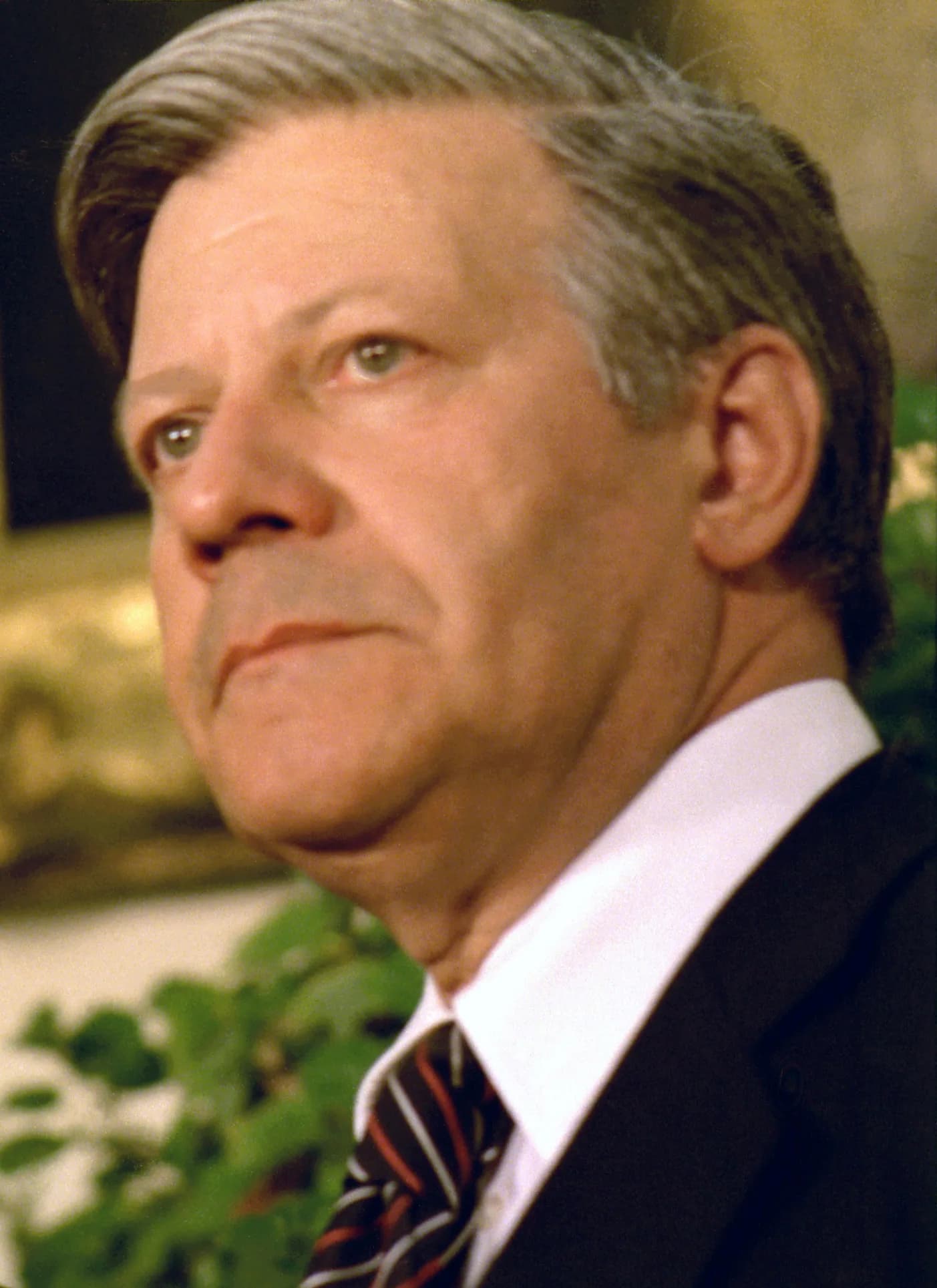
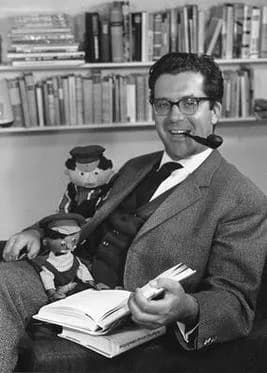
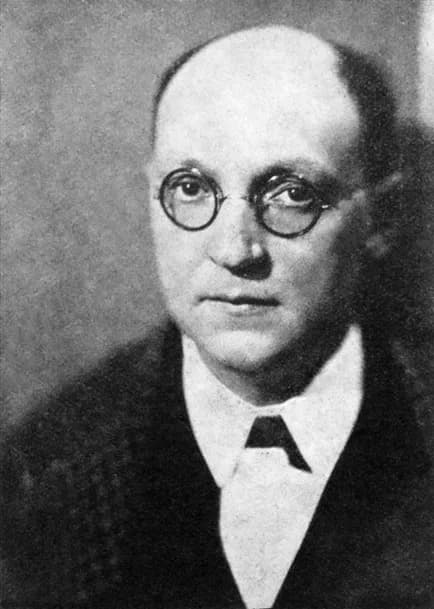
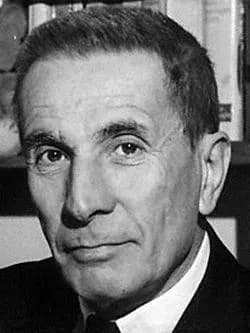
Günter Grass (1927–2015) was Free City of Danzig best known for German novelist, poet, playwright, illustrator, graphic artist, and sculptor.
Günter Wilhelm Grass (October 16, 1927 – April 13, 2015) was a German novelist, poet, playwright, and artist from the Free City of Danzig. He was awarded the 1999 Nobel Prize in Literature for his imaginative narratives that explored history's often overlooked aspects. Grass's work continues to resonate through his profound literary and artistic contributions.
Живот в моменти
Моментите, които оформиха един живот
Глава
Глави от живота
Глава 1 · 1927· Глава 1 от 7
Opening: A Towering Figure in Literature and Art
Günter Wilhelm Grass (October 16, 1927 – April 13, 2015) was a distinguished German novelist, poet, playwright, illustrator, graphic artist, and sculptor, whose profound artistic expressions made a significant and lasting impression on the cultural and literary world of the 20th and early 21st centuries. Born in the unique Free City of Danzig, Grass emerged as a towering figure in post-war German literature, celebrated for his imaginative narratives and sharp satirical perspective that often intertwined with historical memory. His exceptional ability to weave complex historical realities with elements of the fantastical earned him widespread acclaim, leading to numerous accolades throughout his extensive career.
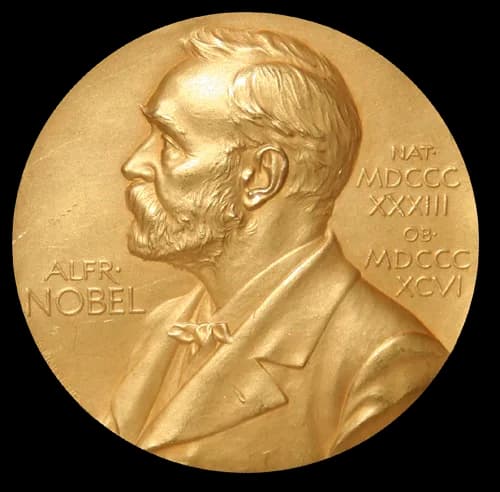
In 1999, Grass’s extraordinary contributions to literature were formally recognized with the prestigious Nobel Prize in Literature, an honor that cemented his place among the world’s most significant authors. The Swedish Academy specifically praised him "whose frolicsome black fables portray the forgotten face of history," highlighting his distinctive narrative style and unwavering commitment to addressing difficult historical truths. His work consistently challenged readers to confront uncomfortable aspects of the past, particularly those related to German identity and collective memory, making him an essential voice for his generation and beyond.
Глава 2 · 1927· Глава 2 от 7
Early Life and Origins in Danzig
Günter Grass began his life on October 16, 1927, in the Free City of Danzig, a unique political entity nestled between Germany and Poland, whose complex geopolitical status deeply influenced his artistic worldview. This specific environment of his birth and early years provided a rich, often turbulent, backdrop that would later become a recurring motif and setting in many of his most significant literary creations. Growing up in Danzig during a period of intense historical and political upheaval undoubtedly shaped his understanding of memory, identity, and the complex relationship between personal experience and collective history, themes he would meticulously explore throughout his career.
The cultural mosaic of Danzig, a city steeped in a diverse history and often contested heritage, provided Grass with a singular perspective on human conflicts and resilience. While specific family details are not extensively documented in available summaries, the atmosphere of his formative years profoundly informed his later work, particularly his celebrated Danzig Trilogy. These early experiences, though often rendered through a lens of magical realism in his writing, are widely understood to be the wellspring for his later explorations of historical revisionism, the challenges of national identity, and the enduring human struggle for justice and truth.
Глава 3· Глава 3 от 7
Career Beginnings and Artistic Exploration
Grass’s artistic journey was marked by a remarkable versatility and a deep commitment to exploring various creative disciplines from an early age, hinting at the expansive and diverse career that lay ahead. His early experiences included serving as an altar server, suggesting a period of structured engagement within a traditional environment before he fully embraced his artistic calling. This formative background, combined with a natural curiosity, laid the groundwork for his later intellectual and creative pursuits, enabling him to approach storytelling from diverse angles.
As he matured, Grass diligently developed his skills across a wide array of visual and literary arts, immersing himself in training and working as a poet, illustrator, graphic artist, sculptor, painter, and printmaker. These foundational experiences across different mediums were not merely separate endeavors but rather interconnected facets of his overarching artistic vision. This multi-disciplinary approach equipped him with a unique ability to visualize his literary concepts with an artist’s eye, allowing him to imbue his prose with vivid imagery and his visual works with a storyteller’s profound depth and narrative complexity.
Глава 4 · 1999· Глава 4 от 7
Major Achievements and Career Highlights
The apex of Günter Grass’s illustrious career undoubtedly arrived in 1999 when he was recognized with the Nobel Prize in Literature, an honor that solidified his reputation as one of the preeminent literary voices of the 20th century. The Nobel committee’s citation was precise and poignant, celebrating his "frolicsome black fables [that] portray the forgotten face of history," a description that perfectly encapsulated his unique blend of historical inquiry, satirical wit, and imaginative storytelling. This award showcased his extraordinary talent for engaging with contentious historical events through innovative narrative structures.
Beyond this monumental achievement, Grass was celebrated for his broad contributions across an astonishing array of artistic roles. His professional titles included screenwriter, writer, photographer, poet, playwright, artist, illustrator, lyricist, sculptor, painter, graphic artist, novelist, printmaker, librettist, autobiographer, and essayist, demonstrating a lifelong dedication to artistic production in all its forms. This relentless pursuit of creative expression across so many different mediums defined a career characterized by innovation, unwavering dedication to his craft, and a tireless engagement with critical societal issues, influencing generations of artists and writers worldwide.
Глава 5· Глава 5 от 7
Notable Works and Artistic Contributions
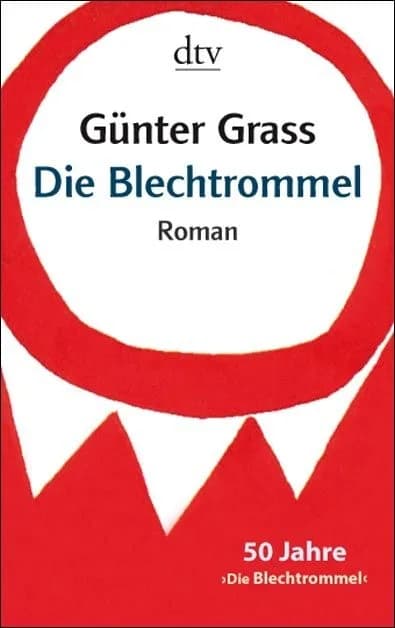
Günter Grass’s literary output is both extensive and critically acclaimed, featuring a collection of works that consistently challenged narrative conventions and explored the depths of human experience with unflinching honesty. Among his highly regarded novels, "Ṭabl-i ḥalabī" stands out as a seminal work of post-war German literature, garnering international recognition for its bold narrative and symbolic power. This foundational text, along with others such as "Dişi Fare" and "Qarn-i man," established him as a master storyteller capable of transforming historical trauma into compelling fiction.
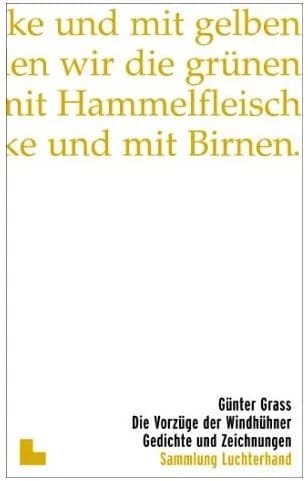
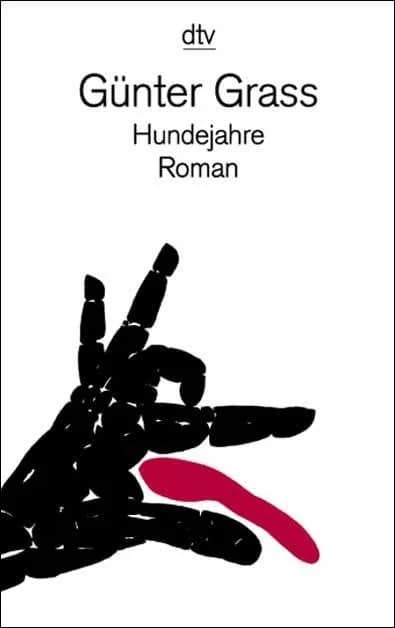
His impressive bibliography also includes "Sarzādagān," "Kurbağa güncesi," "Moje storiččja," "Sālhā-i sag," "ʿIšq-i zanān-i sangi," "Dag ha-puṭ," and "Kafka und seine Vollstrecker," each demonstrating his unique narrative voice, thematic ambition, and intellectual curiosity. These works collectively showcase his remarkable ability to blend realism with allegory, creating narratives that are both deeply personal and universally resonant. Beyond his prolific prose, Grass was also a significant visual artist, with notable artworks like "Mariazuehren Hommageàmarie Inmarypraise," created in 1973 and acquired by the esteemed Met Museum, showcasing his mastery in visual arts and his ability to translate complex ideas into compelling forms.
Additionally, his artistic contributions extended to printmaking, exemplified by his piece "Katz und Maus – Danziger Trilogie 2, from Books, Set No. 2" from 2012, which is now held at the Art Institute of Chicago (AIC). This particular artwork further exemplifies his enduring connection to his Danzig roots and his sophisticated skill as a graphic artist, demonstrating a consistent fusion of his literary themes with his visual expressions. Grass’s dual expertise in writing and visual arts allowed him to craft a singular artistic universe, where words and images continually informed and enriched one another.
Глава 6· Глава 6 от 7
Later Years and Enduring Engagement
Günter Grass remained creatively active and intellectually engaged throughout his later years, consistently responding to contemporary societal and political issues through his writing and art until his passing. His commitment to addressing historical narratives, social injustices, and moral responsibilities never wavered, even as he matured. This sustained dedication was evident in his continuous production of both literary and visual works, reflecting a mind perpetually at work and a spirit deeply invested in the human condition.
His later artistic endeavors, such as the 2012 work "Katz und Maus – Danziger Trilogie 2," demonstrated his sustained artistic energy and his enduring connection to the themes that defined his early career. Grass passed away on April 13, 2015, in Lübeck, Germany, at the age of 87. His death marked the conclusion of a singular life dedicated to artistic expression and critical engagement, leaving behind a profound and lasting literary and artistic heritage that continues to be studied, debated, and appreciated globally by scholars and readers alike. His final years were characterized by a continued vigilance, ensuring his voice remained relevant and incisive.
Глава 7· Глава 7 от 7
Legacy and Lasting Impact
The legacy of Günter Grass is one of fearless artistic integrity, unwavering moral courage, and a relentless commitment to confronting historical truth, particularly concerning Germany's complex 20th-century experience. Through his signature "frolicsome black fables," he provided a critical and often provocative lens on the "forgotten face of history," compelling readers to confront uncomfortable realities with a unique blend of humor, satire, and profound depth. His ability to fuse the personal with the political, the mythical with the mundane, reshaped post-war literature.
His influence extended far beyond literature, as his diverse work as a poet, playwright, illustrator, and sculptor demonstrated a true renaissance spirit, challenging the confines of conventional artistic categories. Grass’s impact on world literature is characterized by his pioneering use of magical realism, his innovative narrative techniques, and his bold approach to dissecting post-war German identity and collective guilt. He solidified his standing as a writer who not only captured but also shaped the consciousness of a nation, fostering crucial dialogues across cultures about memory, responsibility, and the power of storytelling.
Günter Grass’s body of work continues to resonate today, offering timeless insights into the human condition and the enduring complexities of history. His distinct style and moral conviction ensure that his contributions remain central to discussions on literature, art, and the ethical responsibilities of the artist. He stands as a monumental figure whose life and art continue to inspire new generations to engage critically with the past and present, advocating for truth and artistic freedom.
Често задавани въпроси
Често задавани
Кога почина Günter Grass?
Günter Grass почина на 13 април 2015 г. в Lübeck, Germany на 87-годишна възраст.
Къде е роден(а) Günter Grass?
Günter Grass е роден(а) в Free City of Danzig, Free City of Danzig на 16 октомври 1927 г..
С какво е най-известен(а) Günter Grass?
Günter Grass е най-известен(а) с German novelist, poet, playwright, illustrator, graphic artist, and sculptor.
На колко години беше Günter Grass в момента на смъртта?
Günter Grass беше на 87 години в момента на смъртта.
Каква националност имаше Günter Grass?
Günter Grass беше от Free City of Danzig.
Хронология
Животът накратко
Фотогалерия
Живот в снимки
Кликнете върху всеки полароид, за да го разширите · 25 снимки
QR код
Споделете тази биография
Принтирайте и споделете
Сканирайте, за да посетите тази биография. Принтирайте за събития, изложби или образователни материали.