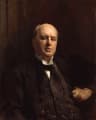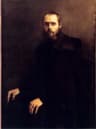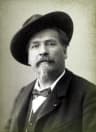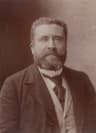
Роден
May 21, 1843
Tramelan, Switzerland
Починал
March 16, 1914
Bern, Switzerland
Известен с
Swiss politician and lawyer
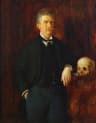
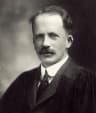
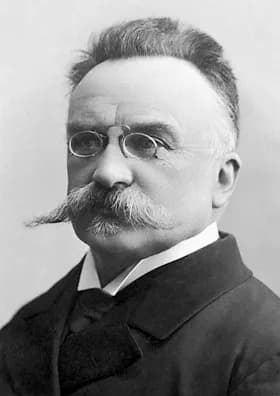
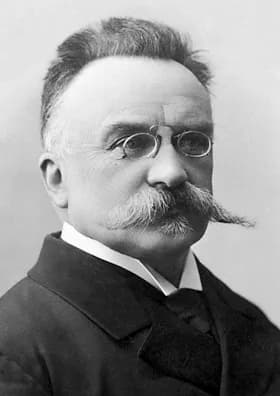
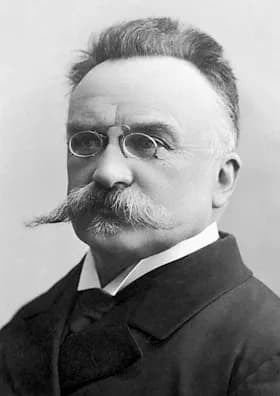
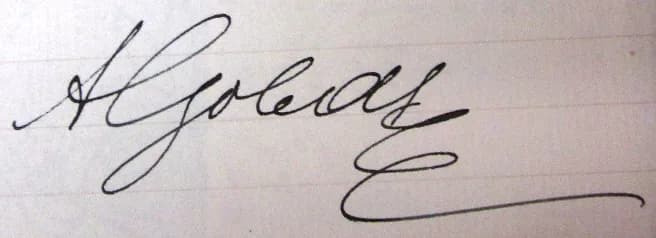
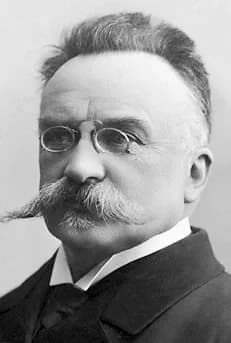
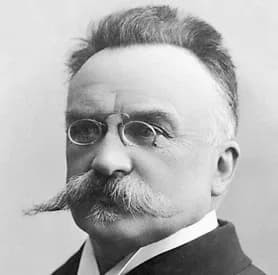
Charles Albert Gobat (1843–1914) was a Swiss lawyer, politician, and peace advocate from Tramelan, Switzerland. He jointly received the Nobel Peace Prize in 1902 with Élie Ducommun for their leadership of international peace organizations. His practical administrative approach helped transform idealistic peace movements into effective instruments of international cooperation.
Глава
Глави от живота
Глава 1 · 1843· Глава 1 от 6
Early Life and Origins
Charles Albert Gobat was born on May 21, 1843, in Tramelan, a municipality in the Bernese Jura region of Switzerland. Growing up in this French-speaking area of Switzerland, Gobat was exposed to the linguistic and cultural diversity that would later inform his international perspective. The Jura region's history of political struggle and its position between French and German-speaking territories likely shaped his understanding of the importance of peaceful coexistence between different communities.
Gobat pursued legal studies, recognizing early that the law would provide him with tools to serve both his local community and broader causes of justice and peace. His education equipped him with the analytical skills and deep understanding of legal frameworks that would prove essential in his later work with international organizations.
Глава 2· Глава 2 от 6
Career Beginnings
Gobat began his professional career as a lawyer, establishing himself in the Swiss legal community through his competent handling of cases and his growing reputation for integrity. His legal practice provided him with firsthand experience of conflict resolution and the importance of fair processes in achieving just outcomes. This foundation in practical law would later distinguish his approach to international peace work from more theoretical advocates.
His early involvement in Swiss politics demonstrated his commitment to public service and his belief in democratic processes. As both a lawyer and politician, Gobat developed the administrative skills that would later make him so effective in managing complex international organizations.
Глава 3· Глава 3 от 6
Major Achievements and Career Highlights
Gobat's most significant achievement came through his leadership of the Permanent International Peace Bureau, where he worked alongside fellow Swiss peace advocate Élie Ducommun. Their collaboration transformed this organization into an effective coordinating body for the international peace movement. The practical, administrative approach that Gobat brought to this role helped turn idealistic peace proposals into concrete programs for international cooperation.
In 1902, Gobat and Ducommun jointly received the Nobel Peace Prize in recognition of their outstanding leadership of the peace movement. Gobat was specifically honored "for his eminently practical administration of the Inter-Parliamentary Union," acknowledging his skill in making international organizations function effectively. His work with the Inter-Parliamentary Union helped establish frameworks for ongoing dialogue between elected representatives from different nations.
As an educational administrator, Gobat also contributed to Switzerland's intellectual development, understanding that education was fundamental to creating citizens capable of supporting peaceful international relations. His diverse roles demonstrated his belief that peace required practical work across multiple sectors of society.
Глава 4· Глава 4 от 6
Notable Works and Contributions
Gobat's most important contribution was his transformation of international peace organizations from idealistic societies into practical instruments of diplomacy and cooperation. Through the Permanent International Peace Bureau, he coordinated the activities of peace societies across Europe and beyond, creating networks that could respond effectively to international crises. His administrative innovations helped establish procedures that allowed diverse peace organizations to work together despite different national backgrounds and approaches.
His work with the Inter-Parliamentary Union was particularly significant in creating regular channels for communication between lawmakers from different countries. Gobat helped establish protocols and procedures that made these international parliamentary gatherings productive rather than merely ceremonial. These frameworks provided models for later international organizations and demonstrated that practical cooperation between nations was achievable.
Глава 5· Глава 5 от 6
Later Years
Following his Nobel Prize recognition, Gobat continued his work for international peace while based in Bern, Switzerland's capital city. His later years were marked by continued involvement in peace organizations and efforts to strengthen the institutional foundations of international cooperation. Even as health challenges began to affect him, he remained committed to the cause that had defined his career.
Gobat spent his final years in Bern, where he had become a respected figure in Swiss intellectual and political circles. His practical approach to peace work continued to influence younger advocates who sought to learn from his experience in making international organizations function effectively.
Глава 6· Глава 6 от 6
Legacy and Impact
Charles Albert Gobat's legacy lies in his demonstration that international peace work required more than good intentions—it demanded practical administrative skill and sustained institutional development. His approach influenced the development of later international organizations, including the League of Nations and eventually the United Nations. The procedural innovations he pioneered in managing international cooperation provided templates that proved their worth over decades of use.
Gobat died on March 16, 1914, just months before the outbreak of World War I would test the international peace movement in ways he could never have anticipated. While the immediate crisis overwhelmed the peace institutions he had helped build, the organizational principles and administrative practices he developed would prove essential to later efforts at international cooperation. His work demonstrated that lasting peace required patient institutional building rather than dramatic gestures, a lesson that remains relevant for contemporary international relations.
Живот в моменти
Моментите, които оформиха един живот
Често задавани въпроси
Често задавани
Кога почина Charles Albert Gobat?
Charles Albert Gobat почина на 16 март 1914 г. в Bern, Switzerland на 70-годишна възраст.
Къде е роден(а) Charles Albert Gobat?
Charles Albert Gobat е роден(а) в Tramelan, Switzerland на 21 май 1843 г..
С какво е най-известен(а) Charles Albert Gobat?
Charles Albert Gobat е най-известен(а) с Swiss politician and lawyer.
На колко години беше Charles Albert Gobat в момента на смъртта?
Charles Albert Gobat беше на 70 години в момента на смъртта.
Каква националност имаше Charles Albert Gobat?
Charles Albert Gobat беше от Switzerland.
Хронология
Животът накратко
Фотогалерия
Живот в снимки
Кликнете върху всеки полароид, за да го разширите · 24 снимки
QR код
Споделете тази биография
Принтирайте и споделете
Сканирайте, за да посетите тази биография. Принтирайте за събития, изложби или образователни материали.