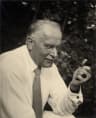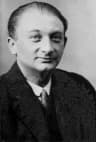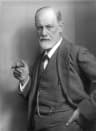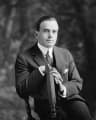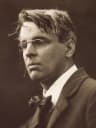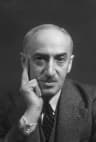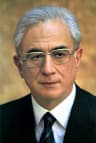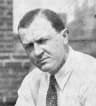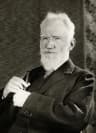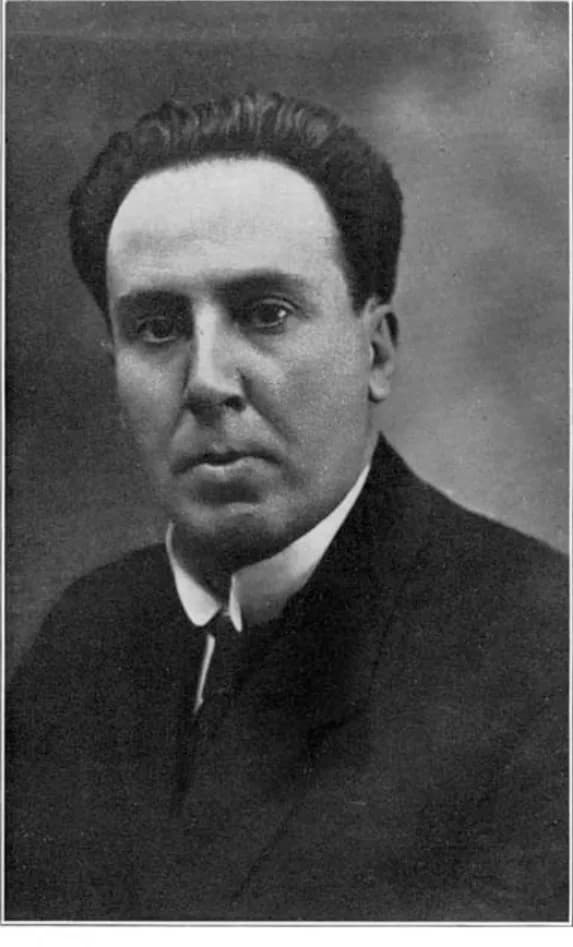
Роден
July 26, 1875
Seville, Spain
Починал
February 22, 1939
Collioure, France
Известен с
Spanish poet and essayist (1875–1939); created the apocryphal poets Abel Martín and Juan de Mairena as philosophical heteronyms
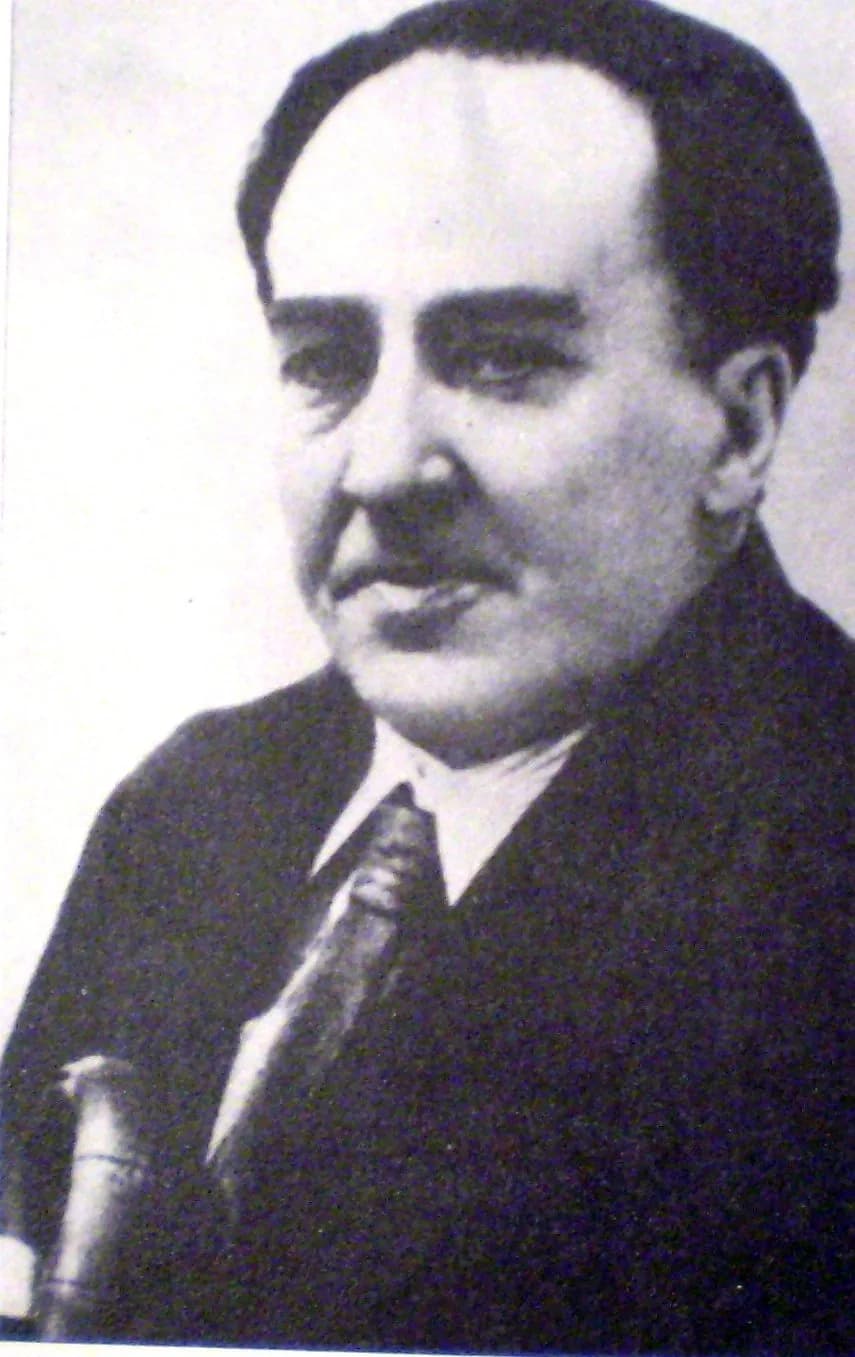
Antonio Machado (1875-1939) was a Spanish poet and leading figure of the Generation of '98. His work evolved from modernism to intimate symbolism, creating philosophical heteronyms and poetry that combined humanity with existential contemplation. His influence on modern Spanish literature remains profound.
Глава
Глави от живота
Глава 1 · 1875· Глава 1 от 7
Early Life and Origins
Antonio Machado entered the world on July 26, 1875, in Seville, Spain, into a family that would nurture his intellectual development. Growing up in Andalusia during a period of Spanish cultural transformation, young Machado absorbed the regional traditions and popular wisdom that would later permeate his mature poetry. His formative years in southern Spain exposed him to the rhythms and sensibilities of Andalusian culture, elements that became essential components of his poetic voice.
The Machado family environment fostered literary and intellectual pursuits, providing Antonio with early exposure to the world of letters. This foundation would prove crucial as Spain grappled with questions of national identity and cultural direction in the closing decades of the 19th century. His education during this period positioned him to become part of the intellectual movement that would later be known as the Generation of '98.
Глава 2 · 1898· Глава 2 от 7
Career Beginnings
Machado's entry into the literary world coincided with Spain's period of national reflection following the loss of its final colonial territories in 1898. His early work aligned with modernist trends, showing influences from the symbolist movement that was sweeping European literature. These initial poetic efforts demonstrated his facility with language and his ability to blend traditional Spanish forms with contemporary European innovations.
As a young writer, Machado began developing his distinctive voice through works that would later be collected in volumes such as "Soledades." His career as an educator also began during this period, as he took on teaching positions that would provide him with financial stability while allowing him to continue his literary work. This dual role as teacher and poet became a defining characteristic of his professional life.
Глава 3· Глава 3 от 7
Major Achievements and Literary Recognition
Machado's position within the Generation of '98 became firmly established as his poetry evolved from its modernist origins toward what critics recognized as an intimate form of symbolism with romantic characteristics. His work began to display what he described as echoing "the most ancient popular wisdom," combining deep engagement with humanity alongside an almost Taoist contemplation of existence. This synthesis became his signature contribution to Spanish literature.
The poet Gerardo Diego captured the essence of Machado's achievement when he observed that Machado "spoke in verse and lived in poetry." This assessment reflected how completely Machado had integrated his artistic vision with his daily existence. His reputation grew throughout the Spanish-speaking world as readers recognized the depth and authenticity of his poetic voice.
Among his most innovative contributions to literature was his creation of the apocryphal poets Abel Martín and Juan de Mairena, philosophical heteronyms through whom he explored complex ideas about art, existence, and Spanish culture. This literary device allowed Machado to examine multiple perspectives while maintaining the coherence of his overall artistic vision.
Глава 4· Глава 4 от 7
Personal Philosophy and Intellectual Development
Throughout his career, Machado developed a distinctive philosophical approach that combined accessibility with profound depth. His intellectual journey led him to embrace both immediate human concerns and larger existential questions, creating poetry that spoke to readers across educational and social boundaries. This democratic approach to literature reflected his belief that authentic art should connect with popular wisdom rather than remain confined to elite circles.
His work as an educator influenced his poetic development, as his classroom experiences reinforced his commitment to clear communication and genuine engagement with his audience. The balance he struck between intellectual sophistication and emotional directness became a hallmark of his mature style, setting him apart from contemporaries who favored either pure aestheticism or social realism.
Глава 5· Глава 5 от 7
Notable Works and Literary Contributions
Machado's bibliography includes essential collections such as "Poesías completas" and "Soledades: antología," which showcase the evolution of his poetic style from early modernist experiments to his characteristic synthesis of symbolism and popular wisdom. His dramatic works include "Las adelfas" and "La prima Fernanda," demonstrating his versatility across literary genres beyond poetry.
"El crimen fue en Granada" stands among his most politically engaged works, reflecting his response to the Spanish Civil War and the assassination of Federico García Lorca. This piece exemplifies how Machado's later years saw him increasingly willing to address contemporary political events through his art. His philosophical writings, collected in "Decires y pensares filosóficos," reveal the theoretical foundations underlying his poetic practice.
"A la altura de las circunstancias" and "Literatura y arte" further demonstrate his range as a cultural critic and essayist. These works show how his thinking about literature connected to broader questions about Spanish culture and European intellectual traditions. His inclusion in "Siete poetas españoles" confirms his recognition among the leading voices of his generation.
Глава 6· Глава 6 от 7
Later Years and Exile
The Spanish Civil War dramatically altered the trajectory of Machado's final years, forcing him to confront the political implications of his artistic and intellectual commitments. As the conflict progressed, his position became increasingly untenable in Spain, leading to his decision to leave his homeland. This departure represented not just a personal tragedy but also Spain's loss of one of its most significant cultural figures.
His final period was marked by the tension between his deep attachment to Spanish soil and culture and the political impossibility of remaining in his native country. The works from this period reflect both his continued commitment to his artistic vision and his growing awareness of the historical forces reshaping European civilization.
Глава 7 · 1939· Глава 7 от 7
Legacy and Lasting Impact
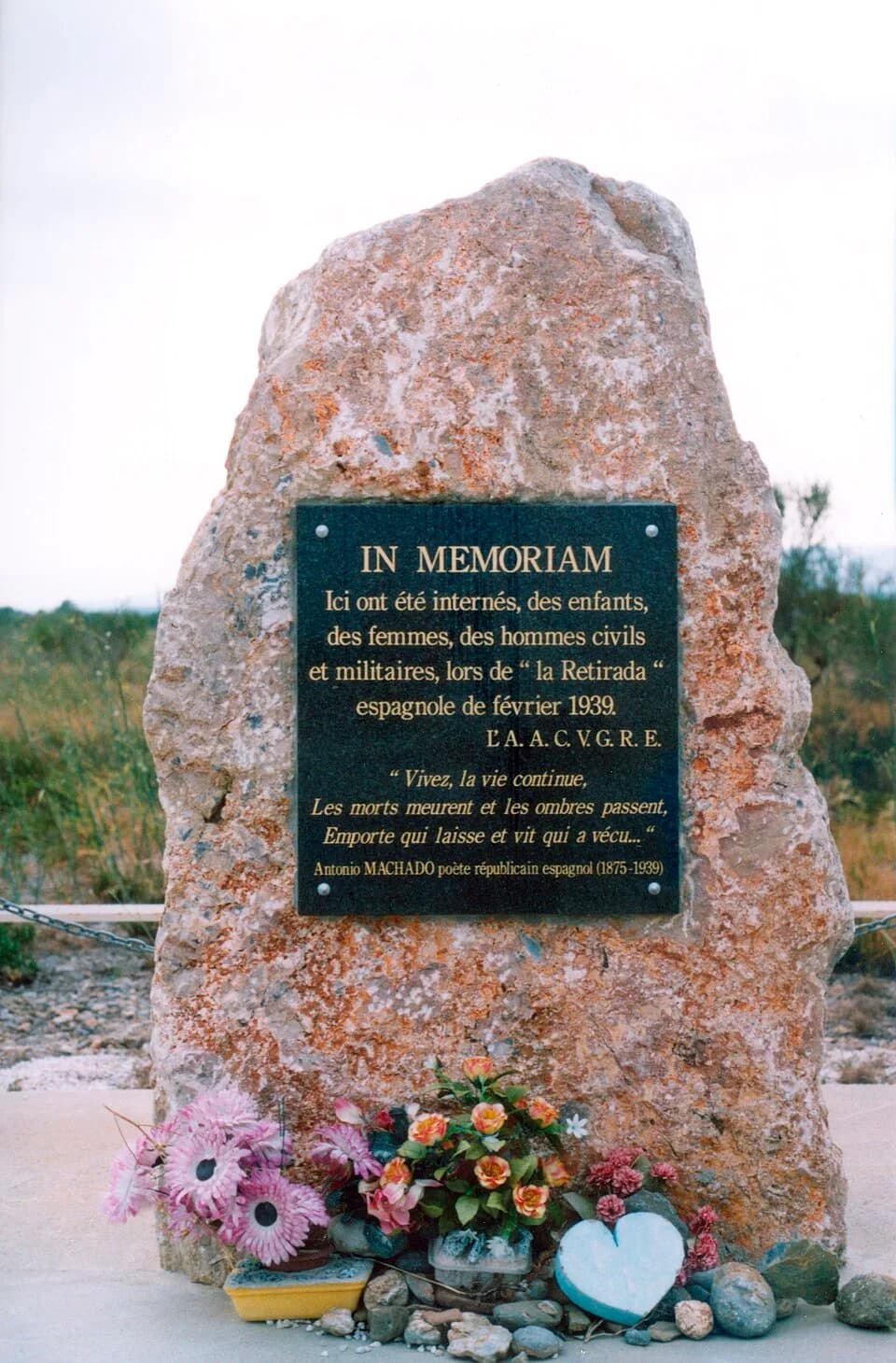
Antonio Machado died on February 22, 1939, in Collioure, France, having become one of the most influential Spanish poets of the modern era. His death in exile symbolized the broader cultural losses Spain suffered during the Civil War period, as many of its leading intellectuals and artists were forced to leave or were silenced.
His influence on subsequent generations of Spanish and Latin American poets cannot be overstated, as his synthesis of traditional forms with modern sensibilities provided a model for authentic cultural expression. The heteronyms Abel Martín and Juan de Mairena continue to be studied as innovative examples of how writers can explore multiple perspectives while maintaining artistic coherence.
Contemporary readers continue to find relevance in Machado's approach to combining intellectual depth with emotional accessibility, his respect for popular wisdom, and his commitment to authentic artistic expression. His life's work demonstrates how literature can engage with the largest questions of human existence while remaining rooted in specific cultural traditions and immediate historical circumstances.
Живот в моменти
Моментите, които оформиха един живот
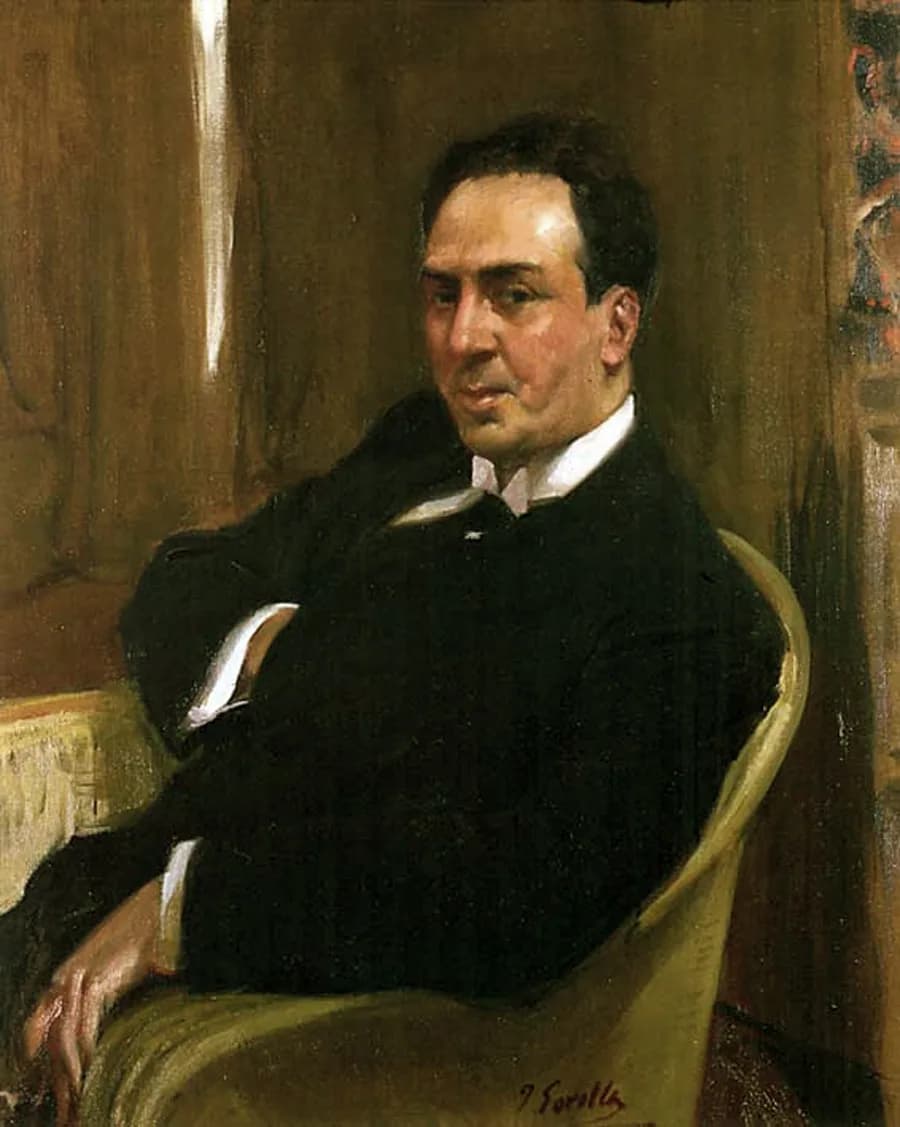
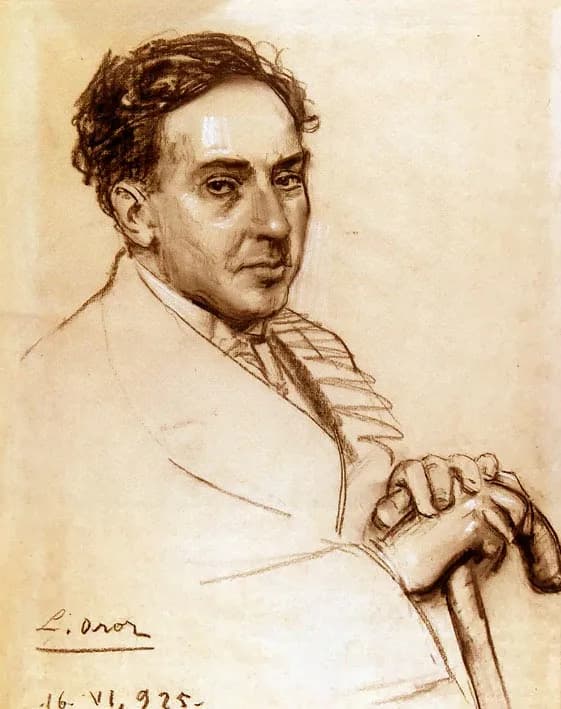
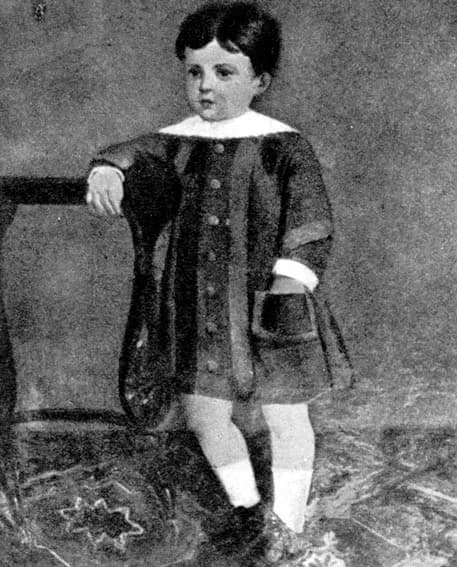
Често задавани въпроси
Често задавани
Кога почина Antonio Machado?
Antonio Machado почина на 22 февруари 1939 г. в Collioure, France на 63-годишна възраст.
Къде е роден(а) Antonio Machado?
Antonio Machado е роден(а) в Seville, Spain на 26 юли 1875 г..
С какво е най-известен(а) Antonio Machado?
Antonio Machado е най-известен(а) с Spanish poet and essayist (1875–1939); created the apocryphal poets Abel Martín and Juan de Mairena as philosophical heteronyms.
На колко години беше Antonio Machado в момента на смъртта?
Antonio Machado беше на 63 години в момента на смъртта.
Каква националност имаше Antonio Machado?
Antonio Machado беше от Spain.
Хронология
Животът накратко
Фотогалерия
Живот в снимки
Кликнете върху всеки полароид, за да го разширите · 50 снимки
QR код
Споделете тази биография
Принтирайте и споделете
Сканирайте, за да посетите тази биография. Принтирайте за събития, изложби или образователни материали.