Doğulub
May 31, 1819
West Hills, United States
Vəfat edib
March 26, 1892
Camden, United States
Tanındığı sahə
American poet, essayist and journalist
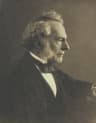
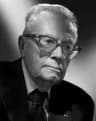
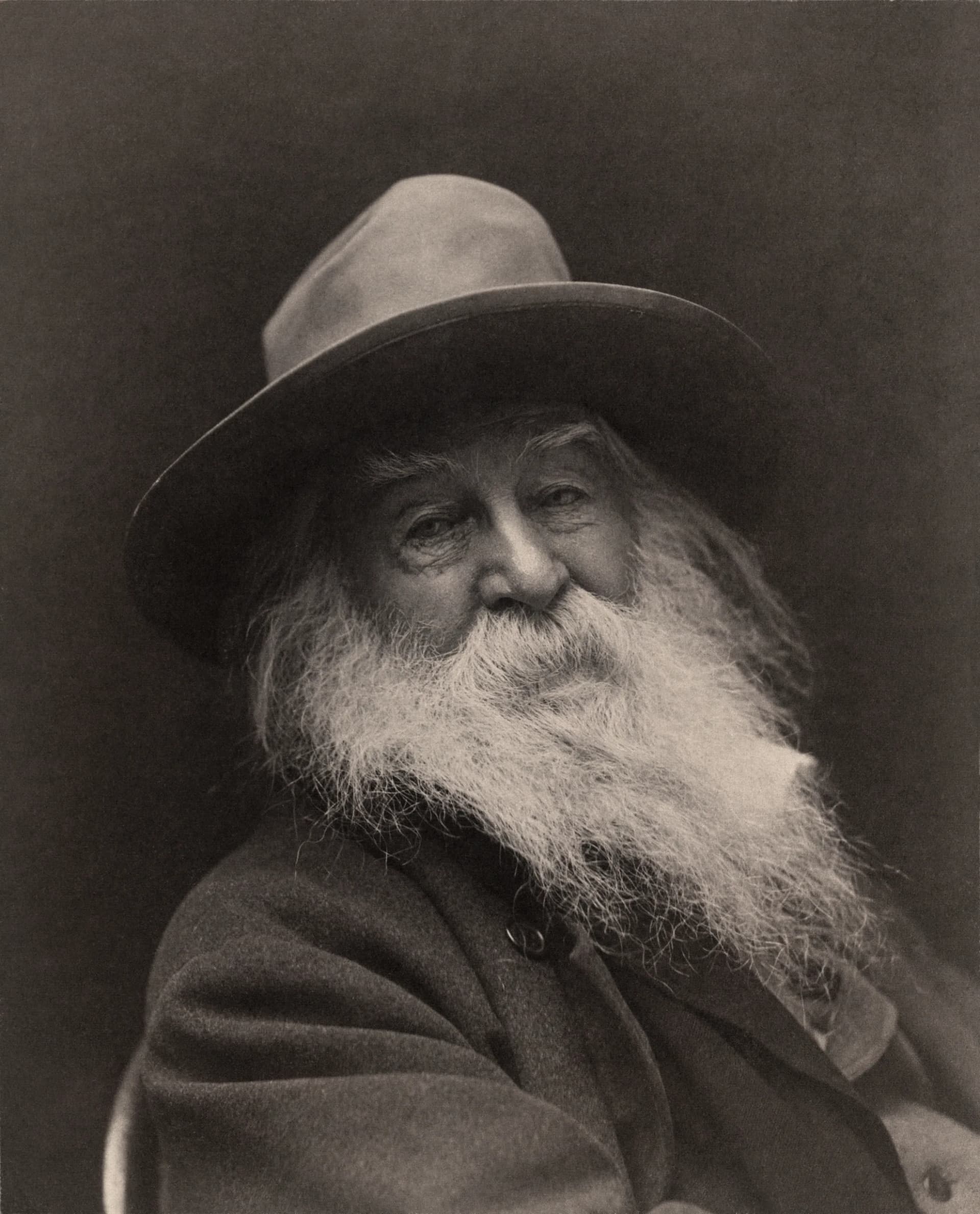
Walt Whitman (1819–1892) was United States best known for American poet, essayist and journalist.
Walt Whitman (May 31, 1819 – March 26, 1892) was an American poet, essayist, and journalist from West Hills, United States. He is recognized as the father of free verse, integrating transcendentalism and realism into his influential works like 'Leaves of Grass'. His unique literary voice significantly shaped American literature.
Fəsil
Həyat fəsilləri
Fəsil 1 · 1819· Fəsil 1 / 6
Early Life and Origins
Walt Whitman was born on May 31, 1819, in West Hills, United States. This New York birthplace provided the foundational context for his remarkable journey, connecting him to the burgeoning American landscape he would later so passionately describe. His formative years in a developing nation undoubtedly shaped his perspectives and future artistic expressions.
While specific details of his family life and formal education are not extensively documented in available records, the experiences of a young man in 19th-century America profoundly influenced his worldview. These early encounters with the diverse facets of American society informed the democratic spirit that permeated his later works.
Fəsil 2· Fəsil 2 / 6
Career Beginnings
Whitman embarked on a diverse professional path early in his life, gaining experience across several fields that would later enrich his writing. He worked as a teacher, imparting knowledge, and as a typographer and editor, honing his skills in communication and the craft of words. These roles gave him an intimate understanding of language and its construction.
His career as a journalist was particularly significant, providing him with a consistent platform to develop his distinctive voice and observe American society closely. Through reporting and commentary, he cultivated the keen observational skills and directness that would become hallmarks of his poetic style. These varied early professions laid a robust foundation for his eventual literary calling.
Fəsil 3 · 1855· Fəsil 3 / 6
Major Achievements and Career Highlights
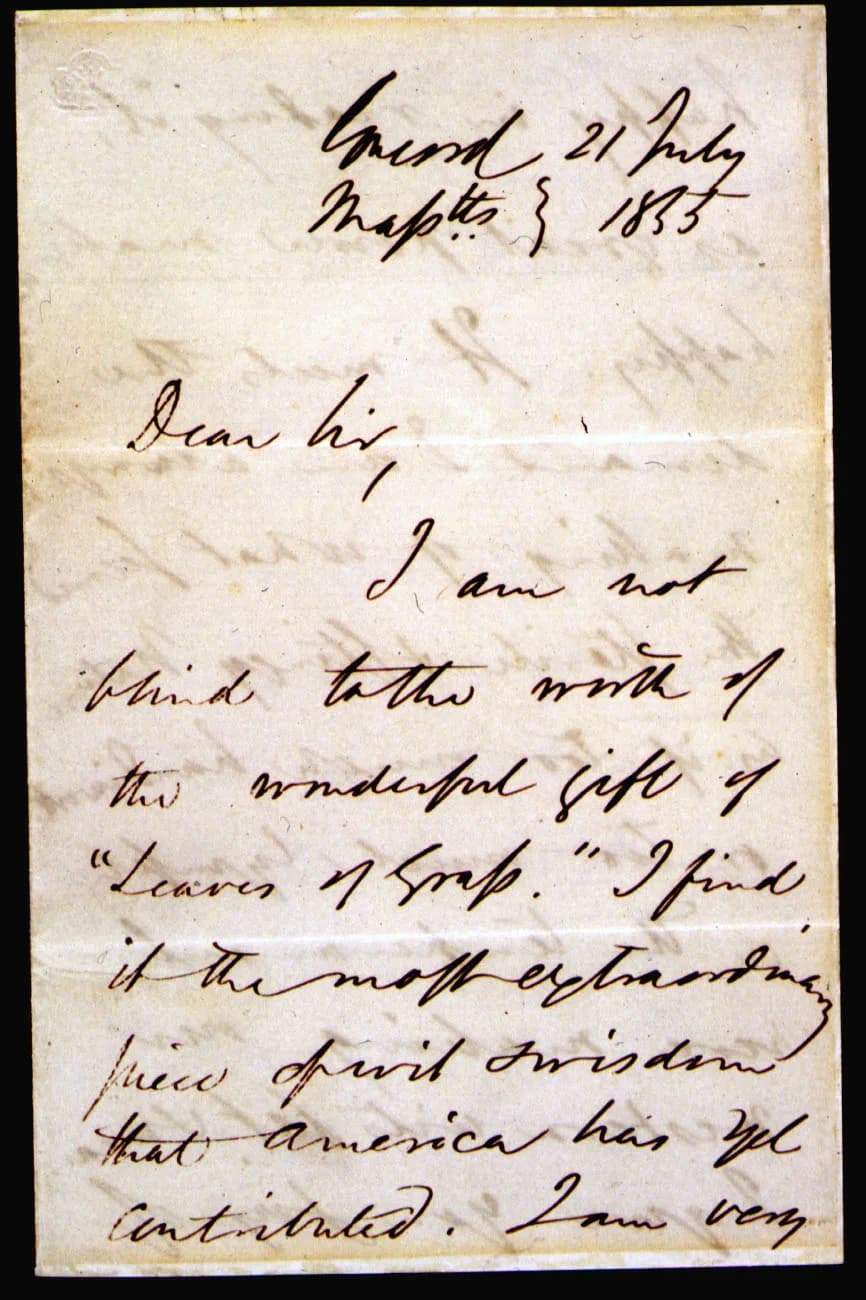
Whitman's literary career is most defined by his revolutionary 1855 poetry collection, Leaves of Grass. This seminal work was pioneering for its innovative free verse style, a departure from traditional poetic forms that earned him the distinct title of "father of free verse." He skillfully incorporated elements of both transcendentalism, with its focus on inherent goodness and spiritual insight, and realism, depicting the unvarnished realities of American life.
The publication of Leaves of Grass marked a significant turning point in American literature, yet it was not without controversy. Some critics deemed its overt sensuality obscene for its time, provoking strong reactions. Despite initial resistance, the collection established Whitman's reputation as a fearless and visionary artist, forever altering the course of poetic expression and influencing generations of writers who followed.
Fəsil 4· Fəsil 4 / 6
Notable Works or Contributions
Beyond his seminal Leaves of Grass, Walt Whitman contributed a rich bibliography to American letters, showcasing his versatility across genres. His Complete prose works highlighted his prowess as an essayist and novelist, complementing his pioneering poetic endeavors. Other significant titles include Passage to India and The dead tenor, further demonstrating his broad thematic interests and stylistic range that explored themes of spirituality, travel, and mortality.
PRIMEVAL my love for the woman I love,
O bride! O wife! more resistless, more enduring than I can tell, the thought of you!
Then separate, as disembodied, the purest born,
The ethereal, the last athletic reality, my consolation,
O MAGNET-SOUTH! O glistening, perfumed South! My South!
O quick mettle, rich blood, impulse, and love! Good and evil! O all dear to me!
O dear to me my birth-things—All moving things, and the trees where I was
born—the
1
AFOOT and light-hearted, I take to the open road,
Healthy, free, the world before me,
The long brown path before me, leading wherever I choose.
WARBLE me now, for joy of Lilac-time,
Sort me, O tongue and lips, for Nature’s sake, and sweet life’s sake—and
death’s the same as life’s,
Souvenirs of earliest summer—birds’ eggs, and the first berries;
1
OR, from that Sea of Time,
Spray, blown by the wind—a double winrow-drift of weeds and shells;
(O little shells, so curious-convolute! so limpid-cold and voiceless!
The wide reach of his influence is also reflected in the various translations of his works, such as Pobiegi travy and Listʹi︠a︡ travy, making his poetry accessible to a global audience.
Fəsil 5· Fəsil 5 / 6
Later Years
Walt Whitman continued to write and publish throughout his later years, solidifying his literary standing even as his health began to decline. He dedicated himself to revising and expanding Leaves of Grass, producing several editions that reflected his ongoing artistic evolution. These later versions further cemented his vision and poetic philosophy.
He passed away on March 26, 1892, in Camden, United States, at the age of 72. His death marked the end of an era for American poetry, but his creative spirit and pioneering contributions lived on. Whitman's final years were characterized by a deep engagement with his life's work, ensuring his enduring legacy.
Fəsil 6· Fəsil 6 / 6
Legacy and Impact
Walt Whitman's influence on American and world literature remains significant and far-reaching. He fundamentally reshaped poetic expression, liberating it from traditional rhyme and meter and ushering in the era of free verse. This innovation alone paved the way for countless future generations of poets to explore new expressive possibilities and forms.
His democratic spirit, his admiration for the individual, and his deep connection to the American landscape continue to inspire readers and writers alike. Whitman's fearless exploration of human experience, particularly in Leaves of Grass, ensures his continuing relevance. He stands as a towering figure whose poetic voice continues to resonate, forever etched into the annals of literary history.
Anlarda bir həyat
Bir həyatı formalaşdıran anlar
FAQ
Tez-tez verilən
Walt Whitman nə vaxt vəfat edib?
Walt Whitman 26 mart 1892 tarixində Camden, United States-də, 72 yaşında vəfat edib.
Walt Whitman harada anadan olub?
Walt Whitman West Hills, United States-də 31 may 1819 tarixində anadan olub.
Walt Whitman ən çox nə ilə tanınır?
Walt Whitman ən çox American poet, essayist and journalist ilə tanınır.
Walt Whitman öldüyü zaman neçə yaşında idi?
Walt Whitman öldüyü zaman 72 yaşında idi.
Walt Whitman-in milliyyəti nə idi?
Walt Whitman United States-dan idi.
Xronologiya
Bir baxışda həyat
Foto qalereyası
Şəkillərdə bir həyat
Genişləndirmək üçün polaroidə klikləyin · 24 foto
QR kod
Bu bioqrafiyanı paylaş
Çap et və paylaş
Bu bioqrafiya səhifəsini ziyarət etmək üçün skan edin. Tədbirlər, sərgilər və ya təhsil materialları üçün çap edin.