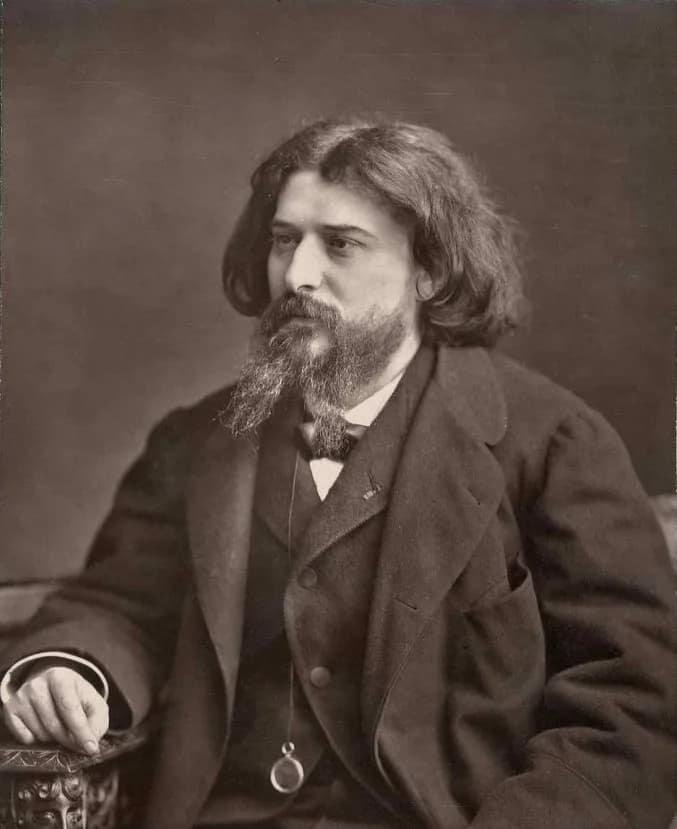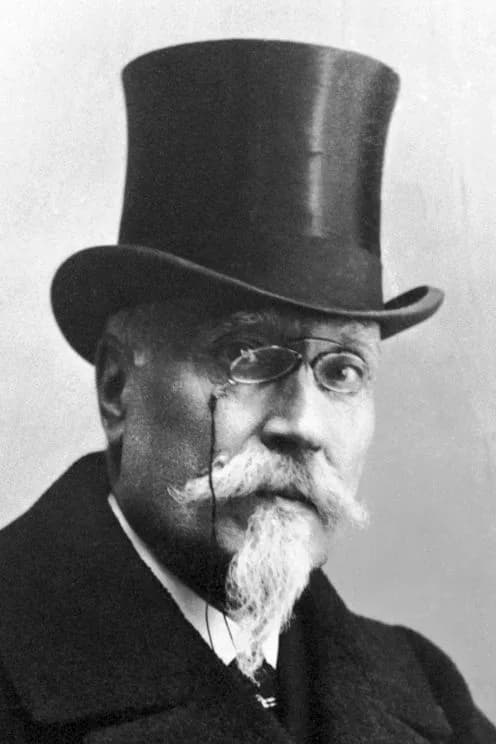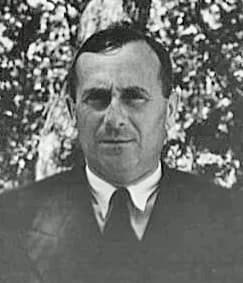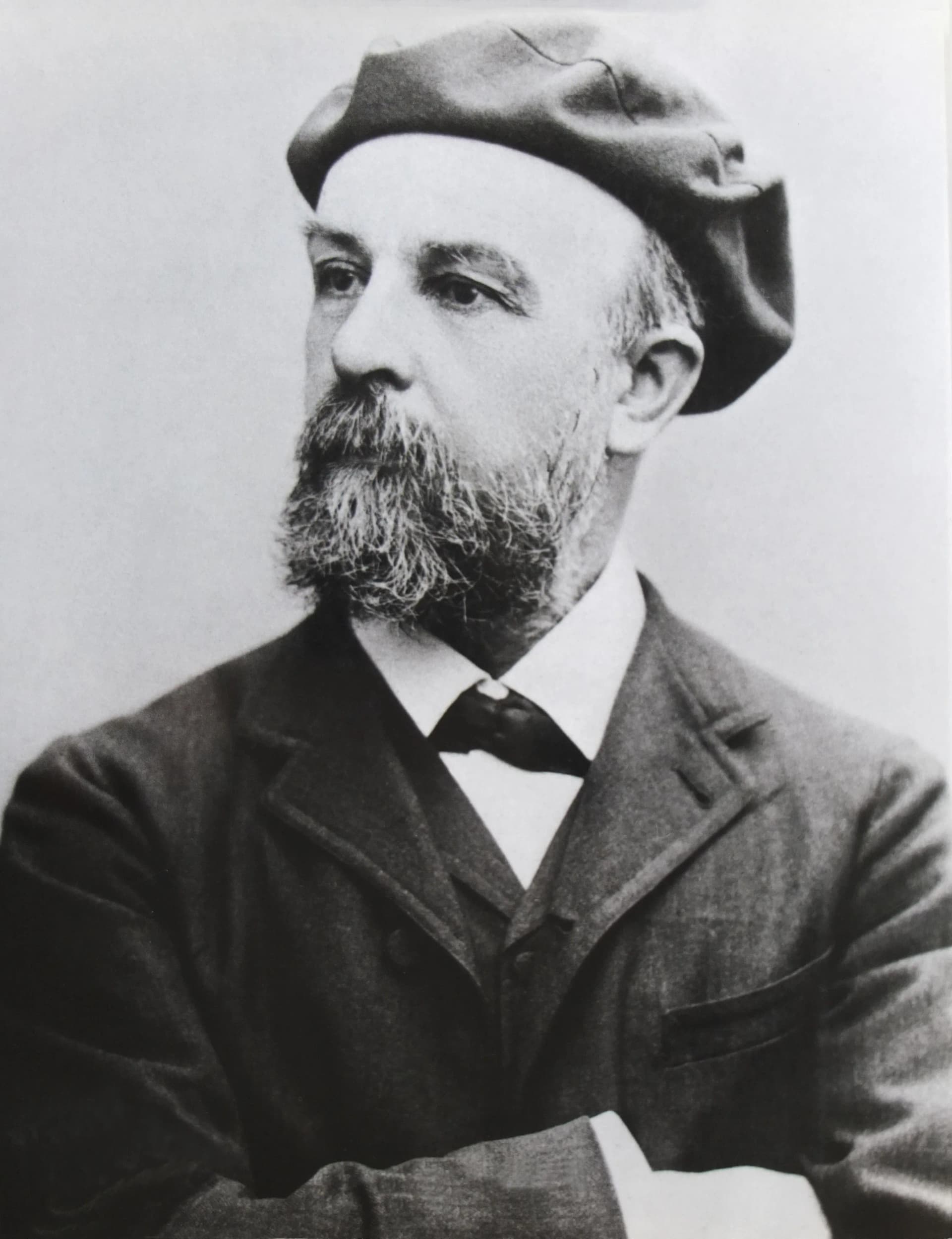
Doğulub
April 20, 1840
Bordeaux, France
Vəfat edib
July 6, 1916
Paris, France
Tanındığı sahə
French painter
Odilon Redon (1840–1916) was France best known for French painter.
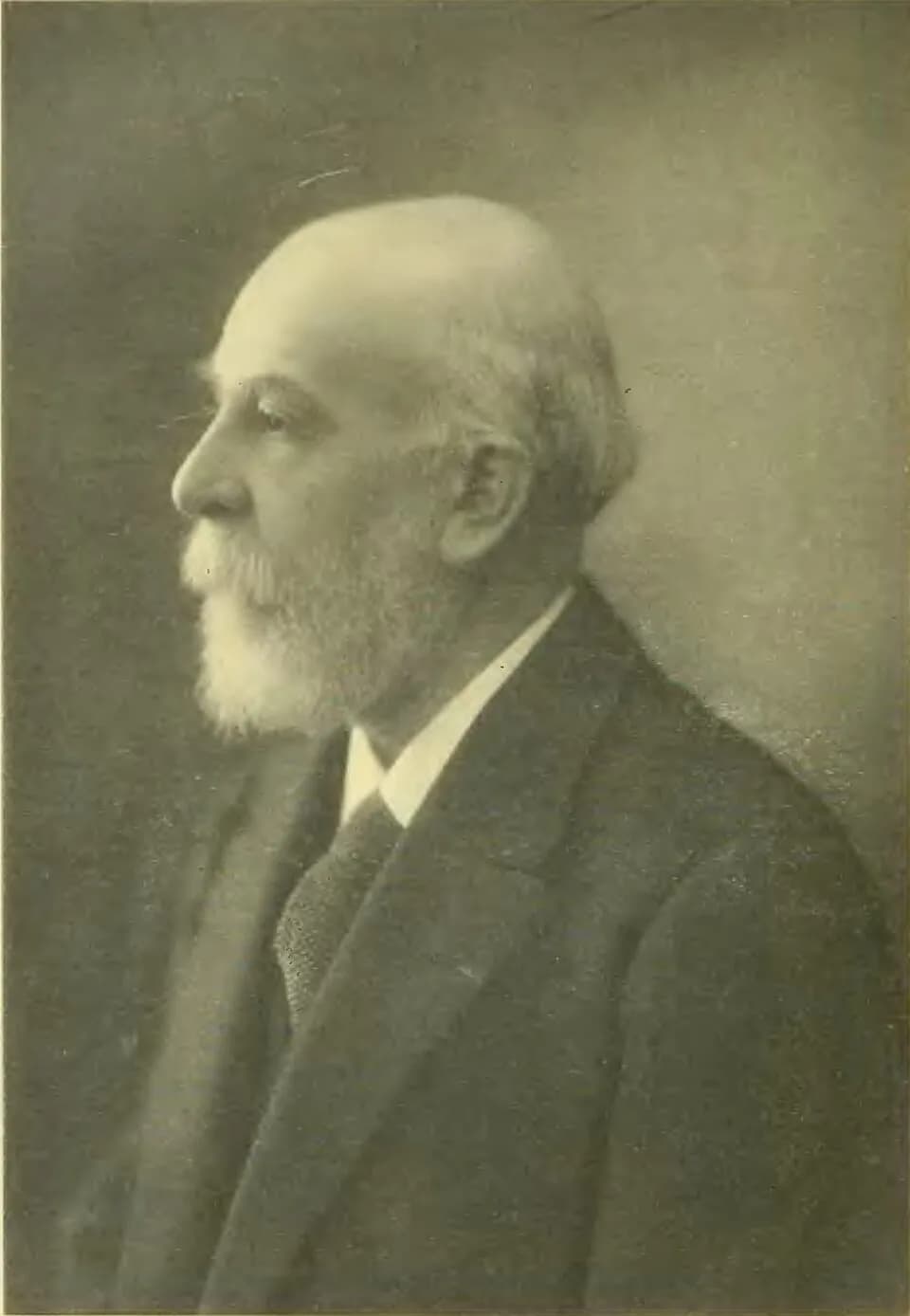
Odilon Redon (April 20, 1840 – July 6, 1916) was a French Symbolist draftsman, printmaker, and painter from Bordeaux. He was renowned for his dream-like, often mysterious artworks that explored imagination and the subconscious. His unique vision continues to inspire artists and admirers alike.
Anlarda bir həyat
Bir həyatı formalaşdıran anlar
Fəsil
Həyat fəsilləri
Fəsil 1 · 1840· Fəsil 1 / 6
Early Life and Origins
Odilon Redon first saw light in Bordeaux, France, on April 20, 1840, marking the beginning of a life dedicated to artistic exploration. His formative years in the serene French countryside deeply influenced his perception of nature and introspection, elements that would become central to his later artwork. This early exposure to the natural world fostered a unique sensitivity that permeated his entire body of work.
During his youth, Redon pursued formal education in drawing and music, subjects that cultivated his innate creative talents. He also studied architecture, which gave him a foundational understanding of structure and form, though his passion ultimately steered him toward the fine arts. These early educational experiences provided him with a broad artistic toolkit, allowing him to experiment across various visual disciplines.
Fəsil 2· Fəsil 2 / 6
Career Beginnings
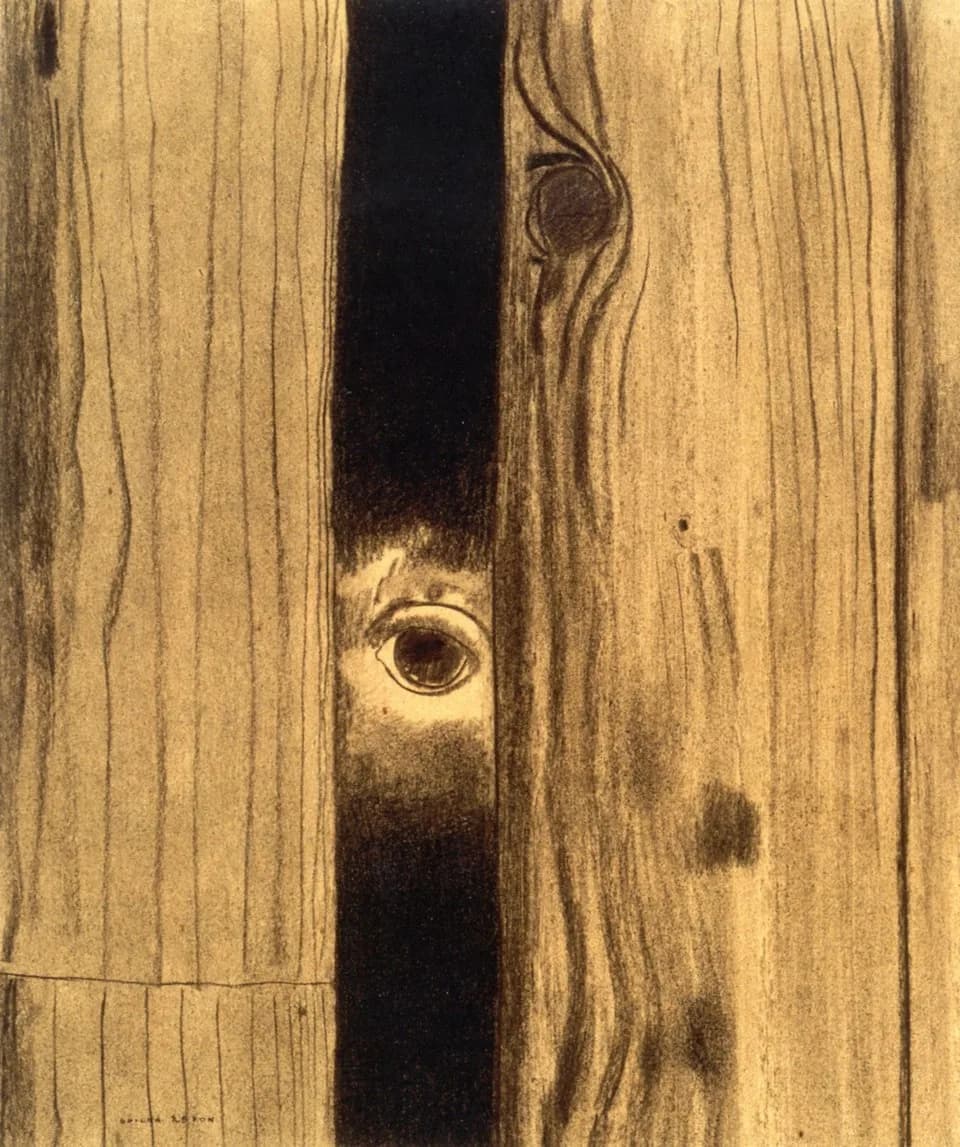
Redon began his professional journey as an architectural draftsperson and lithographer, developing a mastery of line and tone through these technical disciplines. He started his career exploring printmaking, specifically lithography and etching, which became his primary medium for disseminating his early works. This period saw him creating detailed and often haunting black-and-white images, known as his "noirs."
His early artistic endeavors were heavily influenced by his interactions with botanist Armand Clavaud and engraver Rodolphe Bresdin, both of whom encouraged his unique vision. These mentors helped him refine his skills and develop a distinctive style that moved beyond conventional representation. Redon's initial works already hinted at the surreal and symbolic themes that would define his later career as a visual artist.
Fəsil 3· Fəsil 3 / 6
Major Achievements and Career Highlights
Odilon Redon became a central figure in the French Symbolist movement, distinguishing himself with an art that sought to express ideas and emotions rather than merely depict reality. His commitment to imaginative rather than objective representation set him apart from his contemporaries. He gained recognition for his unique approach, particularly through his participation in independent exhibitions in Paris.
A significant highlight of his career was the publication of several albums of lithographs, which brought his distinctive vision to a wider audience. These series, filled with fantastical creatures and dream-like scenarios, established his reputation as a master printmaker. His ability to evoke profound introspection through his intricate compositions was widely appreciated by a growing circle of admirers and fellow artists.
Fəsil 4 · 1865· Fəsil 4 / 6
Notable Works or Contributions
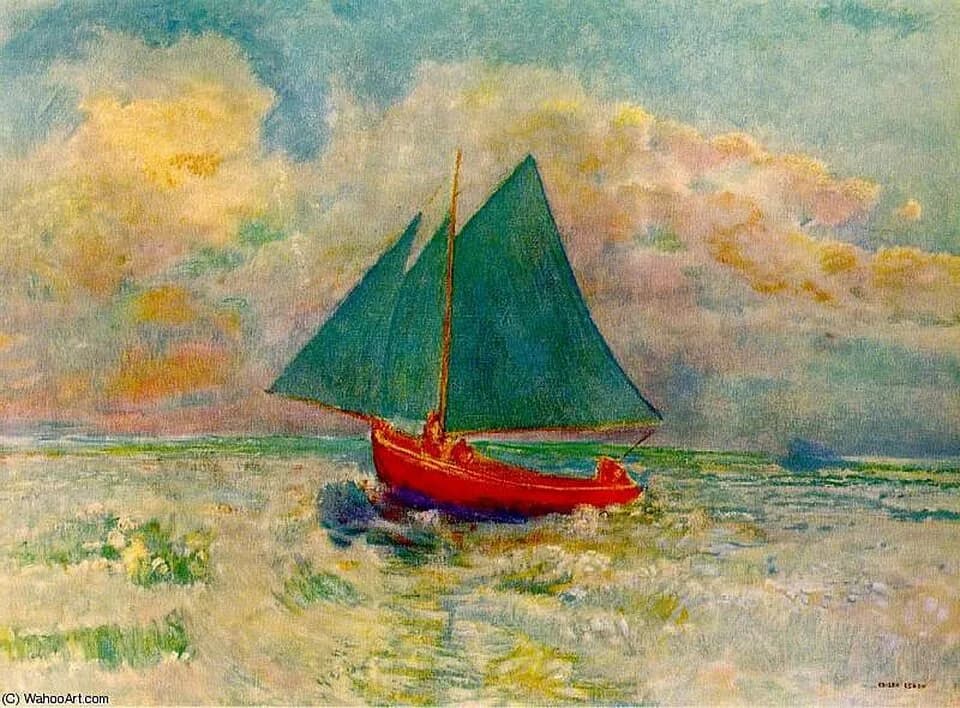
Redon's expansive body of work showcases his versatility as an artist, illustrator, painter, sculptor, and printmaker. Among his most celebrated paintings is Madame Arthur Fontaine (Marie Escudier, 1865–1946) from 1901, a vibrant portrait housed at the Metropolitan Museum of Art. His depictions of flowers are particularly cherished, with pieces like Vase of Flowers (Pink Background) (ca. 1906) and Bouquet of Flowers (ca. 1900–1905) at the Met Museum, alongside Still Life with Flowers (1905) and Flowers: Poppies and Daisies (c. 1867) at the Art Institute of Chicago, illustrating his exquisite use of color and light.
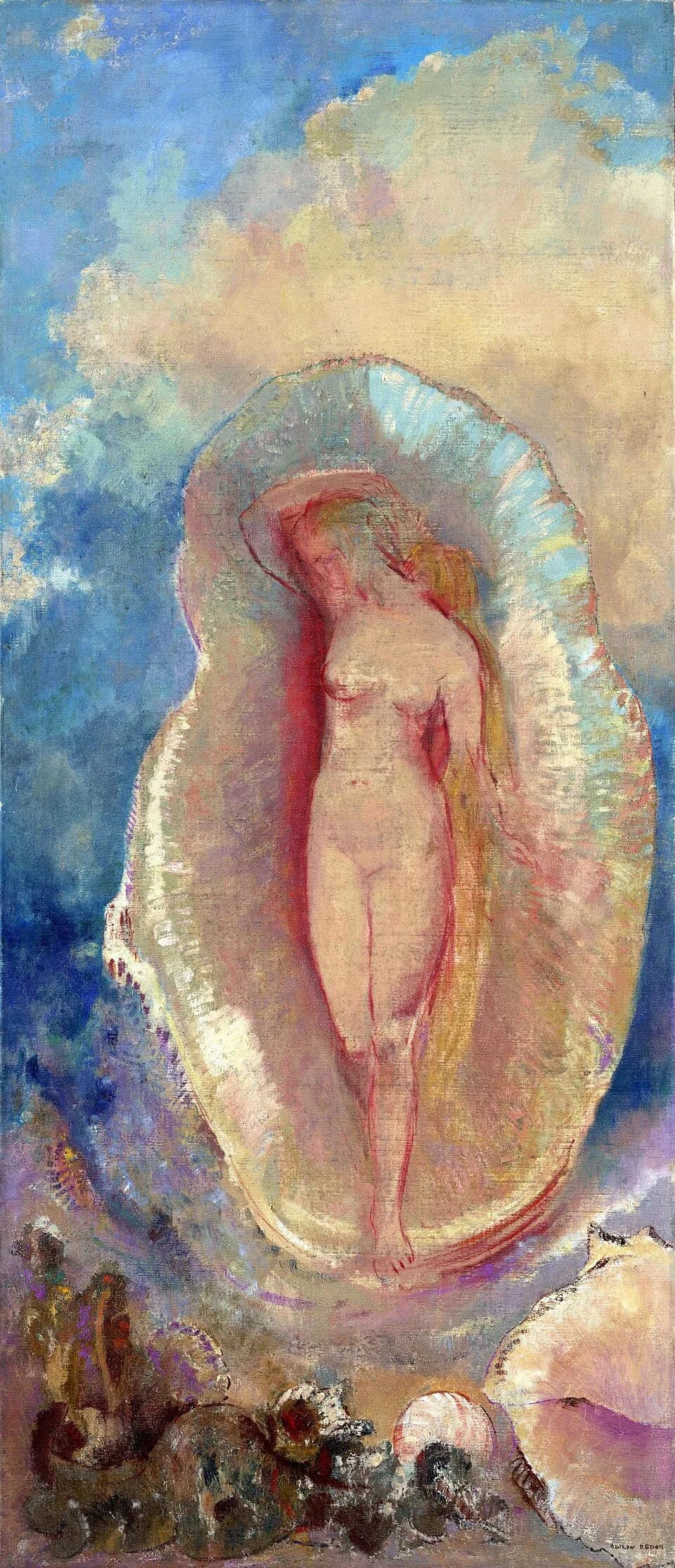
His mythological and spiritual themes are evident in works such as The Chariot of Apollo (1905–16) at the Met Museum and Andromeda (c. 1905) and Sita (c. 1893) at the Art Institute of Chicago. Earlier, darker works like Guardian Spirit of the Waters (1878) and Melancholy (1876), both at AIC, reflect his "noirs" period. Furthermore, Redon's printmaking legacy includes impactful lithographs like Death: "My irony surpasses all others!", plate 3 of 6 (1889) at AIC, demonstrating his powerful narrative abilities.
Fəsil 5 · 1903· Fəsil 5 / 6
Later Years
In his later career, Redon underwent a significant artistic transformation, moving away from his signature black-and-white "noirs" to embrace a more luminous and colorful palette. This shift is particularly evident in his vibrant floral compositions and mythological scenes. His works from this period, such as Flower Clouds (c. 1903) at AIC, burst with rich hues and ethereal light, showcasing a profound evolution in his artistic expression.
He spent his final years in Paris, France, continuing to paint and refine his vision until his passing on July 6, 1916. During this time, he enjoyed increased recognition and appreciation for his unique contribution to modern art. Redon's dedication to his artistic principles remained unwavering, culminating in a collection of works that continue to fascinate and inspire.
Fəsil 6· Fəsil 6 / 6
Legacy and Impact
Odilon Redon's influence on subsequent generations of artists, particularly those involved in Symbolism and even Surrealism, remains substantial. He is remembered as a pioneering figure who championed the realm of imagination and inner experience over external reality. His distinct aesthetic, blending the fantastic with the deeply personal, opened new avenues for artistic expression.
His work continues to be celebrated in major museums worldwide, solidifying his status as a master of color, form, and symbolic narrative. Redon's exploration of dreams, mythology, and the subconscious mind laid important groundwork for the development of modern art. He remains a cherished figure whose art invites viewers into a world of profound beauty and introspection.
FAQ
Tez-tez verilən
Odilon Redon nə vaxt vəfat edib?
Odilon Redon 6 iyul 1916 tarixində Paris, France-də, 76 yaşında vəfat edib.
Odilon Redon harada anadan olub?
Odilon Redon Bordeaux, France-də 20 aprel 1840 tarixində anadan olub.
Odilon Redon ən çox nə ilə tanınır?
Odilon Redon ən çox French painter ilə tanınır.
Odilon Redon öldüyü zaman neçə yaşında idi?
Odilon Redon öldüyü zaman 76 yaşında idi.
Odilon Redon-in milliyyəti nə idi?
Odilon Redon France-dan idi.
Xronologiya
Bir baxışda həyat
Foto qalereyası
Şəkillərdə bir həyat
Genişləndirmək üçün polaroidə klikləyin · 25 foto
QR kod
Bu bioqrafiyanı paylaş
Çap et və paylaş
Bu bioqrafiya səhifəsini ziyarət etmək üçün skan edin. Tədbirlər, sərgilər və ya təhsil materialları üçün çap edin.