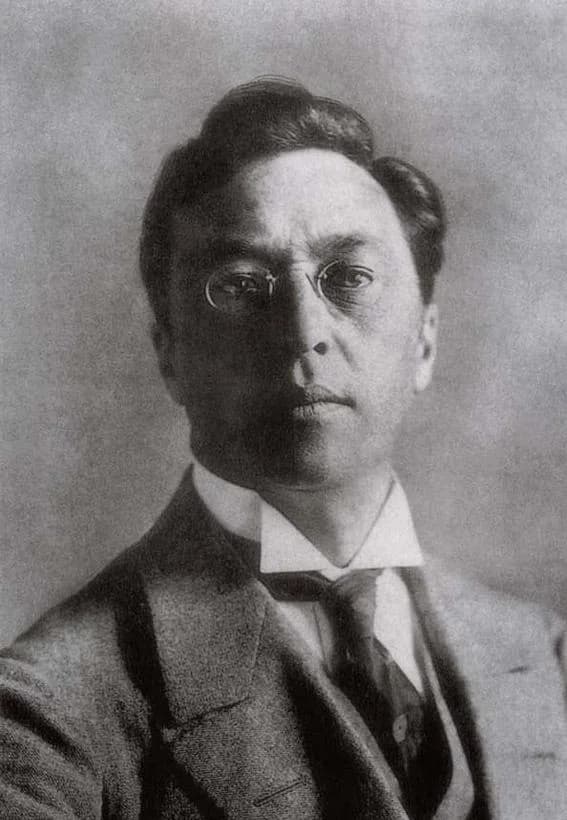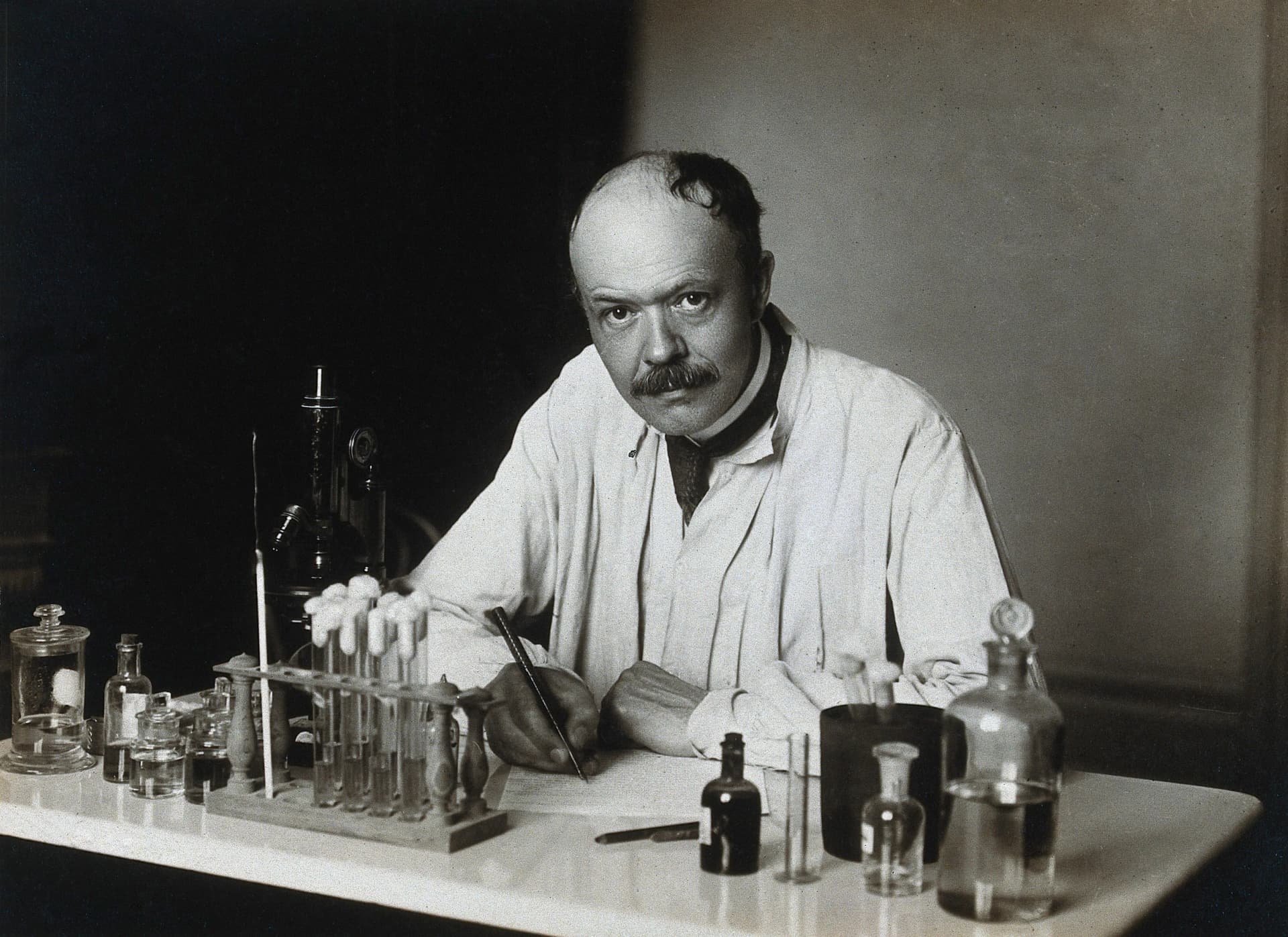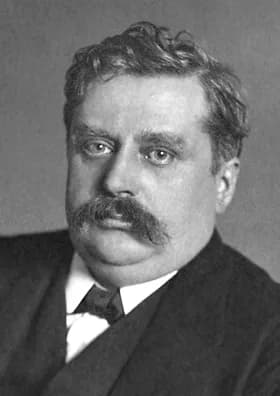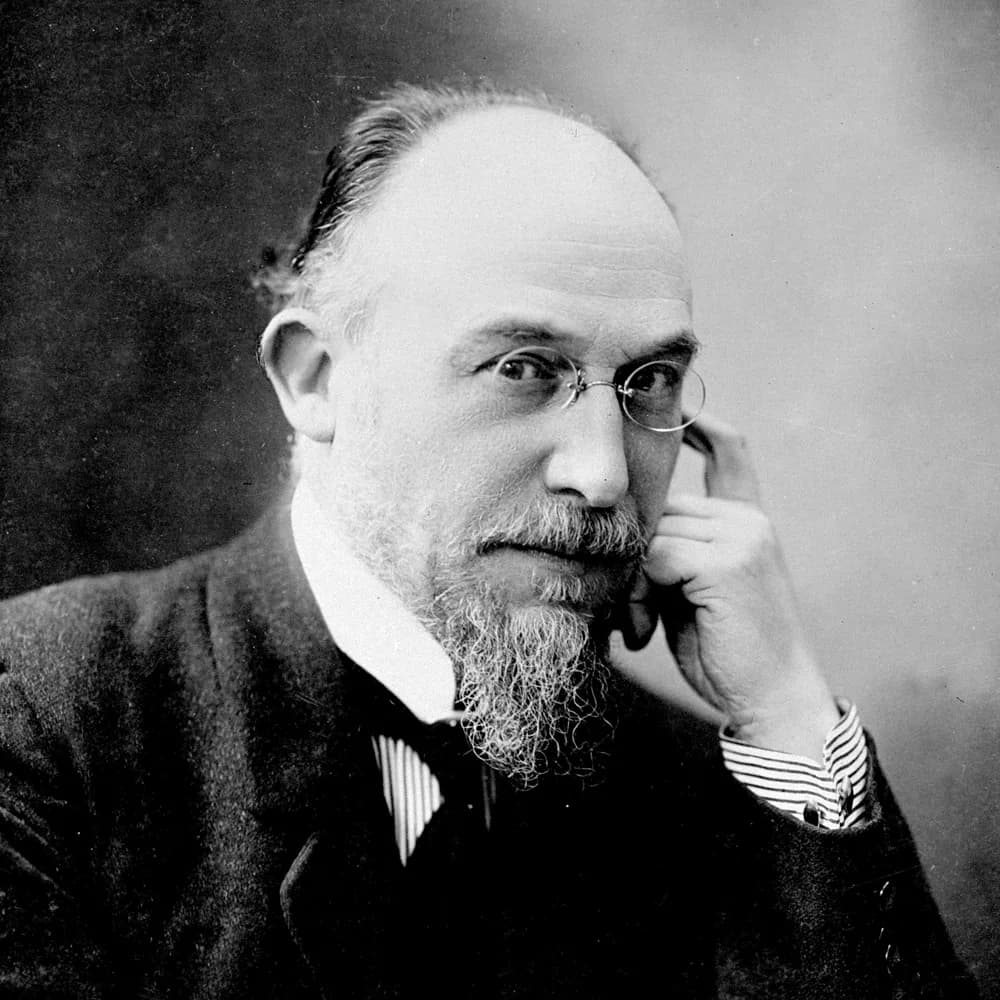
Doğulub
January 15, 1866
Trönö, Sweden
Vəfat edib
July 12, 1931
Uppsala, Sweden
Tanındığı sahə
Swedish clergyman and archbishop
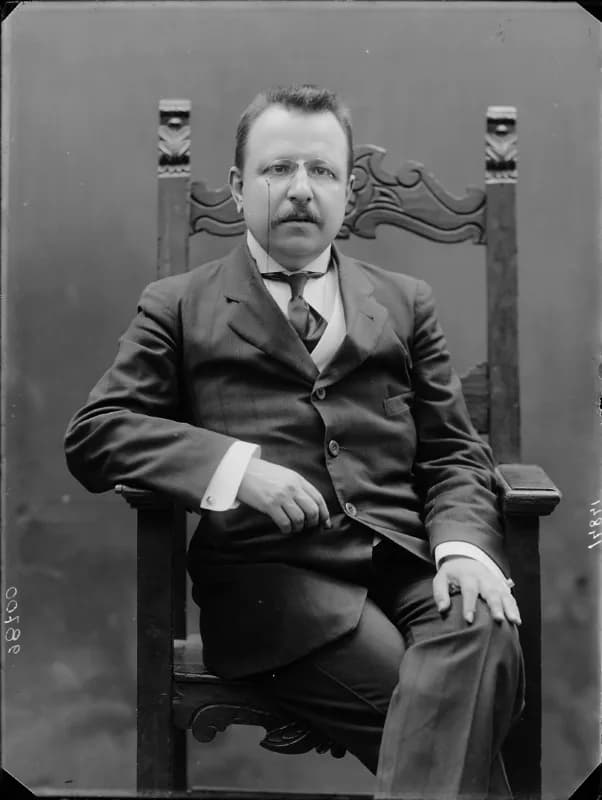
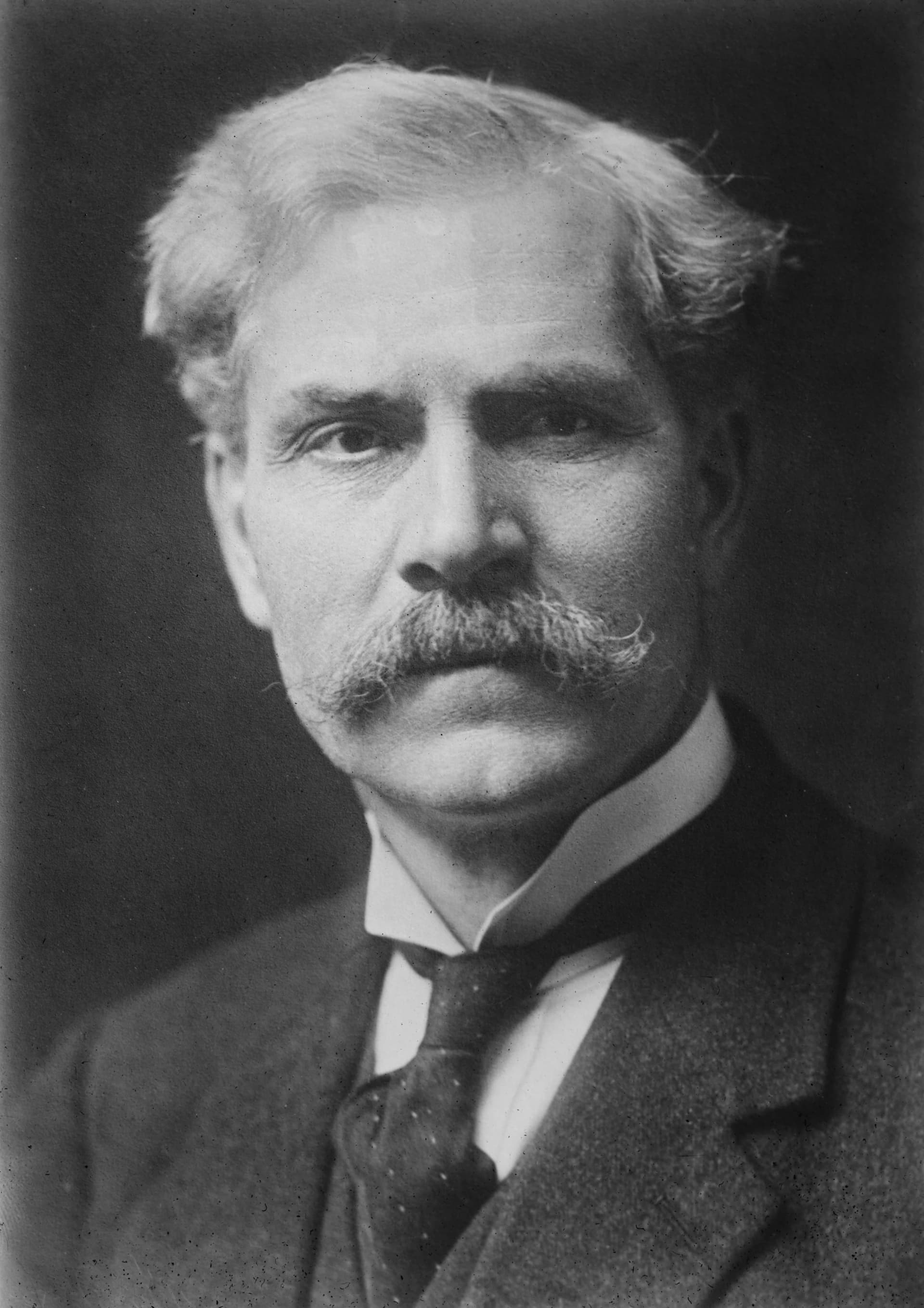
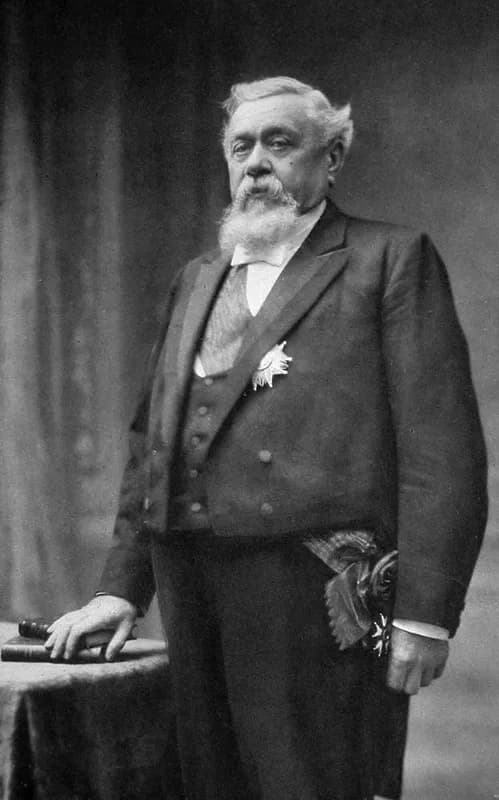
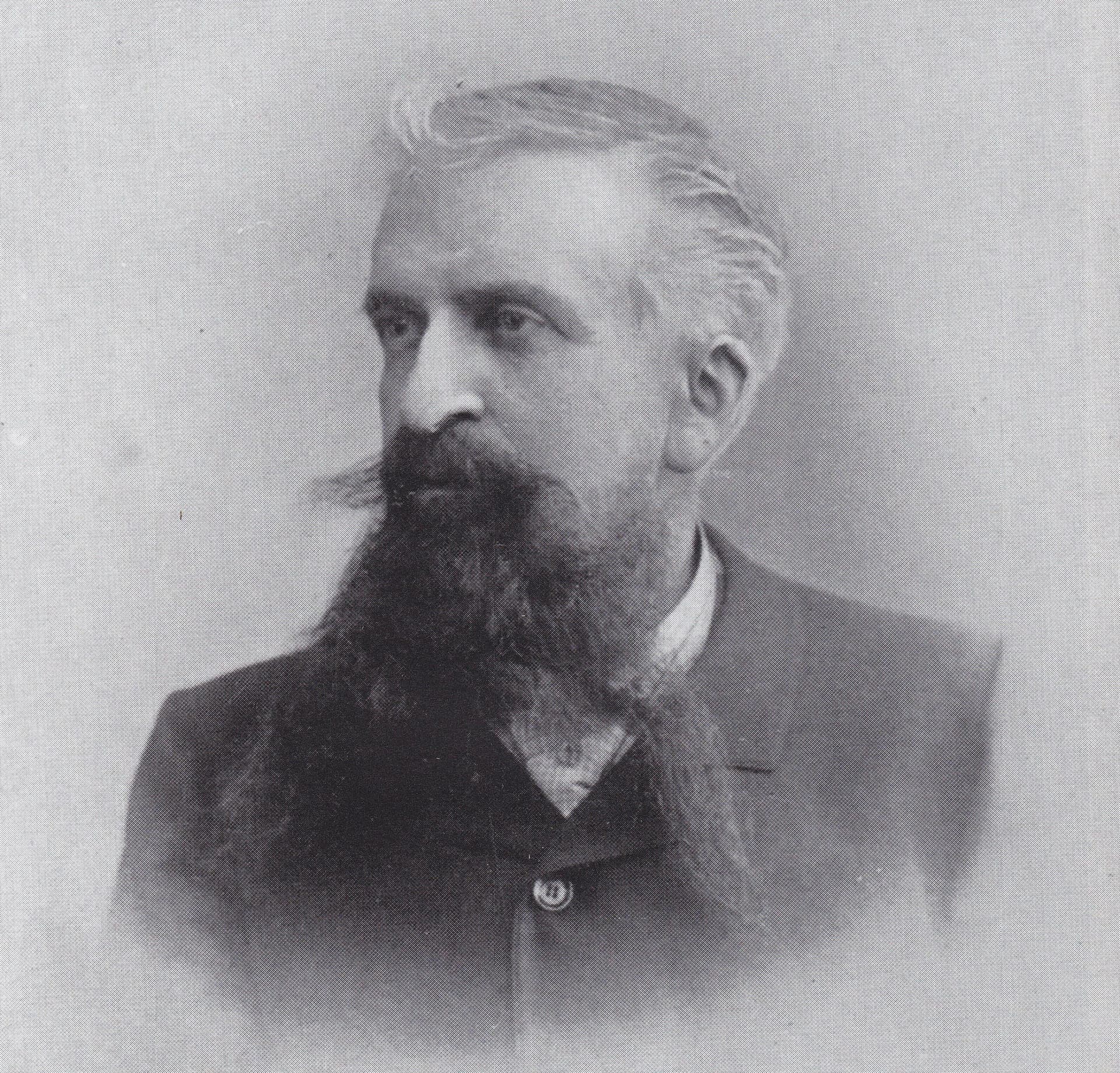
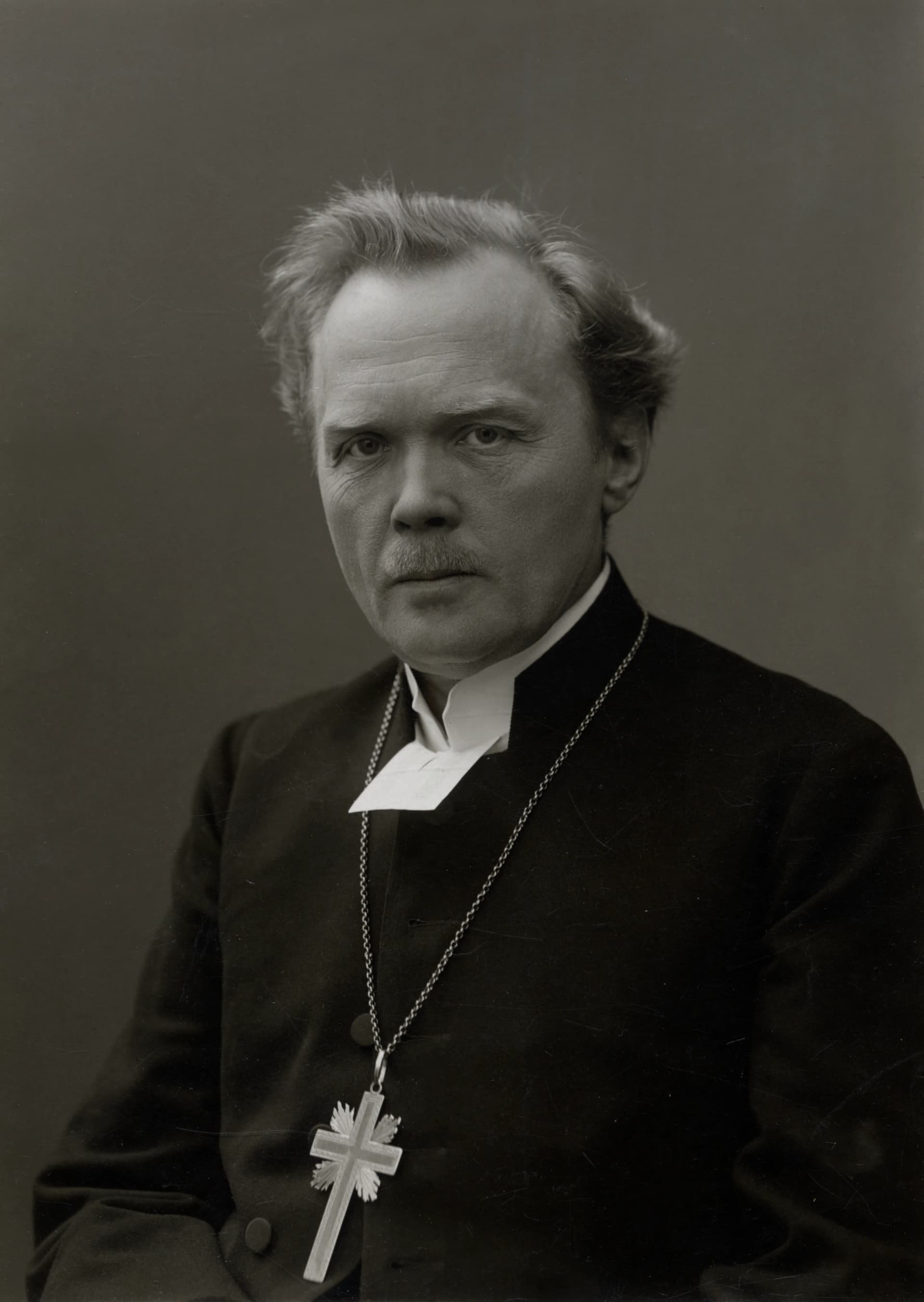
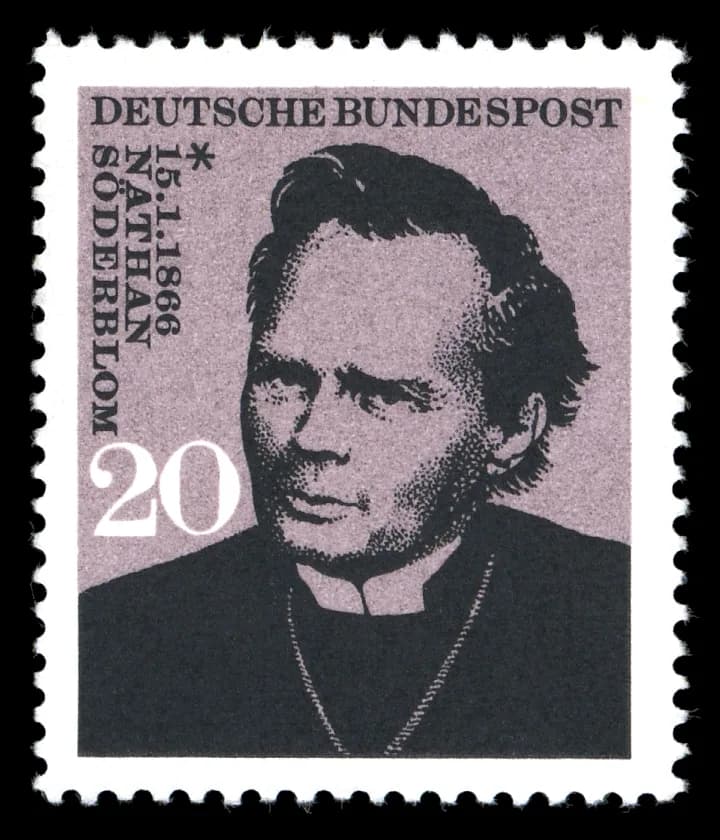
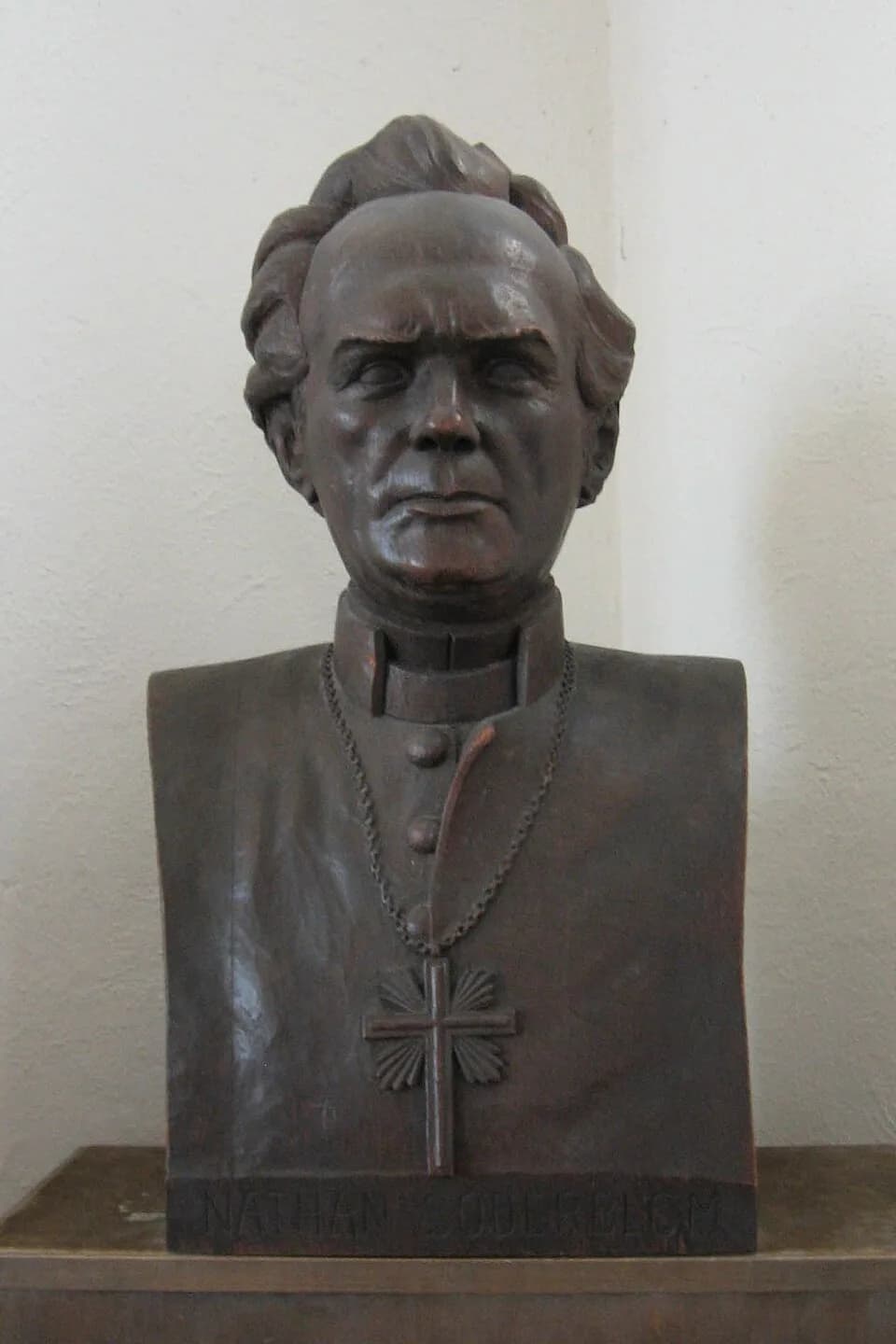
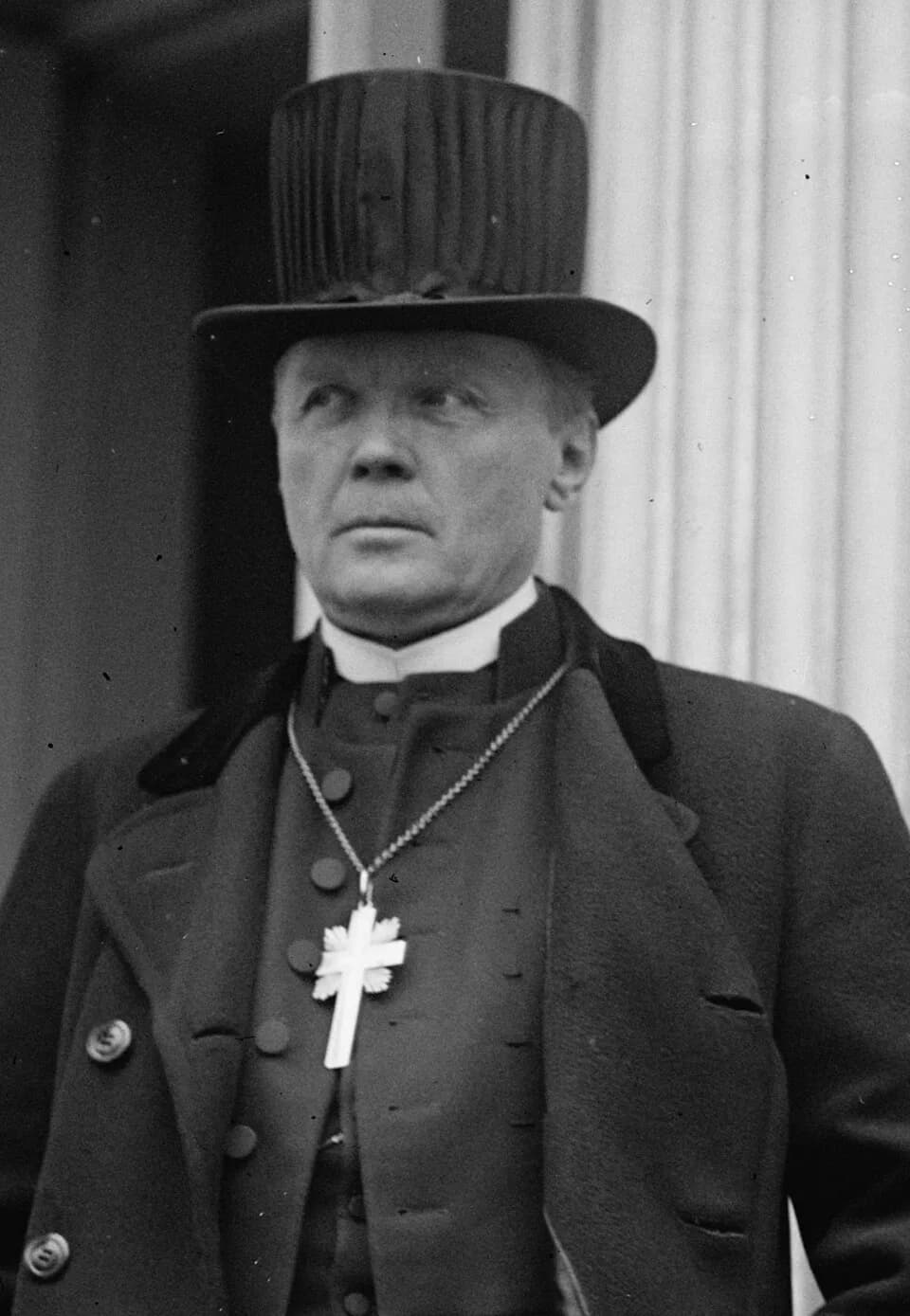
Nathan Söderblom (1866–1931) was Sweden best known for Swedish clergyman and archbishop.
Nathan Söderblom (January 15, 1866 – July 12, 1931) was a Swedish clergyman and Archbishop of Uppsala. He received the 1930 Nobel Peace Prize for his significant work in promoting Christian unity and fostering peace among nations. His enduring legacy continues to inspire ecumenical efforts worldwide.
Anlarda bir həyat
Bir həyatı formalaşdıran anlar

Fəsil
Həyat fəsilləri
Fəsil 1 · 1866· Fəsil 1 / 6
Early Life and Origins
Nathan Söderblom’s journey began in Trönö, Sweden, where he entered the world on January 15, 1866. Though details of his immediate family are not enumerated, his chosen professions reflect a path of intellectual curiosity and service rooted in his Swedish origins. His early education and spiritual development in Sweden undoubtedly prepared him for a lifetime dedicated to theological exploration and pastoral care.
His formative years fostered the intellect and spiritual depth that would characterize his extensive professional life. This period laid the groundwork for his future roles as a pastor, scholar, and leader within the Church of Sweden. The cultural and religious environment of 19th-century Sweden played a significant part in molding the perspective of a man who would later champion global Christian unity.
Fəsil 2· Fəsil 2 / 6
Career Beginnings
Söderblom's professional trajectory was marked by a diverse array of callings, showcasing his expansive talents and dedication. He began his career as a devoted pastor, ministering to congregations and nurturing spiritual growth within his community. Simultaneously, his scholarly inclinations led him to excel as a historian and a university teacher, sharing his knowledge and insights with students.
He also embraced the roles of a missionary and a profound theologian, contributing significantly to theological discourse through his writings and teachings. His multifaceted engagement in these various professions culminated in his ascension to one of the most prestigious religious positions in Sweden. In 1914, he was appointed the Church of Sweden Archbishop of Uppsala, a role he would hold with distinction for seventeen years.
Fəsil 3 · 1914· Fəsil 3 / 6
Major Achievements and Career Highlights
The period from 1914 to 1931 marked the pinnacle of Nathan Söderblom’s ecclesiastical career as the Archbishop of Uppsala. In this esteemed position, he tirelessly worked to strengthen the Church of Sweden and to advocate for greater understanding among Christian denominations worldwide. His leadership was characterized by a forward-thinking vision for ecumenical dialogue and cooperation.
A crowning achievement of his life was the receipt of the 1930 Nobel Peace Prize, an honor that acknowledged his unwavering commitment to global harmony. The Nobel Committee specifically recognized him "for promoting Christian unity and helping create 'that new attitude of mind which is necessary if peace between nations is to become reality'". This recognition underscored his significant efforts in bringing diverse Christian traditions closer together, thereby fostering a climate conducive to international peace.
Furthermore, Nathan Söderblom's enduring spiritual impact is formally recognized through his commemoration in the Calendar of Saints of the Lutheran Church. His designated feast day is July 12, the date of his passing, serving as a perpetual reminder of his contributions to faith and humanity. This inclusion solidifies his place as a revered figure within Lutheranism and beyond.
Fəsil 4· Fəsil 4 / 6
Notable Works and Contributions
Nathan Söderblom's intellectual contributions are preserved in a substantial body of written work, reflecting his deep scholarship and wide-ranging interests. Among his significant publications is "Heilandtypen in der Religionsgeschichte," a work that delves into the types of saviors found across religious histories. This demonstrates his academic rigor and his fascination with comparative religion.
Other notable contributions include "Tal och skrifter," a collection of his speeches and writings, and "Religionen och staten," which explores the complex relationship between religion and the state. His insights into the Church of Sweden itself are evident in works such as "On the character of the Church of Sweden" and "On the soul of the Church of Sweden," offering profound reflections on its identity and spirit. These works continue to provide valuable perspectives for scholars and practitioners alike.
His extensive bibliography also features "När stunderna växla och skrida," "Beruf und berufstreue," and "Från Upsala till Rock Island," which may reflect personal journeys or theological treatises. Söderblom's dedication to Christian gatherings is highlighted by "Kristenhetens möte i Stockholm augusti nittonhundratjugufem," likely documenting a significant ecumenical conference. Additionally, "Kristi pinas historia vår herres Jesu Kristi lidande" speaks to his deep engagement with Christology, while "Natürliche Theologie und allegemeine Religionsgeschichte" further solidifies his standing as a leading theologian and historian of religion.
Fəsil 5 · 1931· Fəsil 5 / 6
Later Years
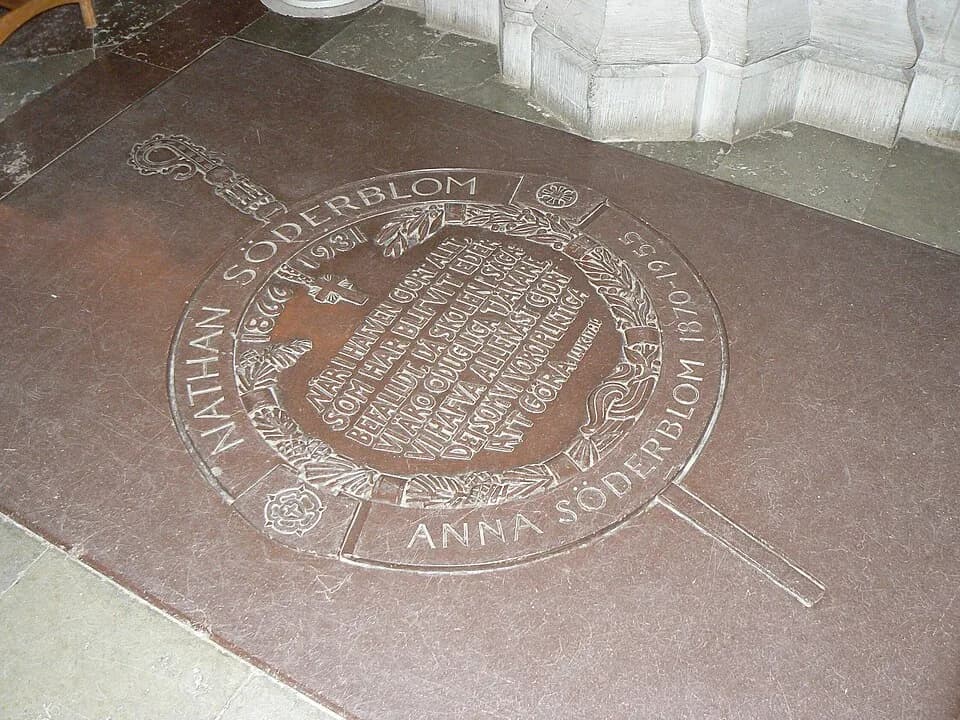
Nathan Söderblom's later years were marked by continued active leadership and the culmination of his life's work. He remained the Archbishop of Uppsala until his passing in 1931, guiding the Church of Sweden through a period of change and growth. The prestigious recognition of the Nobel Peace Prize in 1930 arrived towards the end of his life, affirming the global impact of his tireless efforts for Christian unity and peace.
His dedication to these principles never waned, even as his life approached its conclusion. Nathan Söderblom peacefully passed away on July 12, 1931, in Uppsala, Sweden, the very city where he had served as Archbishop for nearly two decades. His death marked the end of an era for the ecumenical movement, though his vision continued to inspire.
Fəsil 6· Fəsil 6 / 6
Legacy and Impact
The legacy of Nathan Söderblom extends far beyond his lifetime, profoundly influencing the trajectory of Christian ecumenism and international peace efforts. His steadfast advocacy for unity among Christian denominations helped to lay crucial groundwork for ongoing interfaith dialogue and cooperation. He articulated a vision where shared faith could bridge divides and foster a collective commitment to global harmony.
His role in helping to create "that new attitude of mind which is necessary if peace between nations is to become reality" as cited by the Nobel Committee, highlights his enduring relevance. Söderblom demonstrated that religious leadership could be a powerful force for peace, not just within ecclesiastical circles but on the broader world stage. His thought continues to resonate in contemporary discussions about reconciliation and understanding.
Today, Nathan Söderblom is remembered not only for his formal titles and awards but for his spirit of bridge-building and his intellectual contributions to theology and religious history. His commemoration in the Calendar of Saints of the Lutheran Church on July 12 ensures that his memory is perpetually honored within the faith he served. He remains an inspirational figure for those who seek to unite humanity through shared values and mutual respect.
FAQ
Tez-tez verilən
Nathan Söderblom nə vaxt vəfat edib?
Nathan Söderblom 12 iyul 1931 tarixində Uppsala, Sweden-də, 65 yaşında vəfat edib.
Nathan Söderblom harada anadan olub?
Nathan Söderblom Trönö, Sweden-də 15 yanvar 1866 tarixində anadan olub.
Nathan Söderblom ən çox nə ilə tanınır?
Nathan Söderblom ən çox Swedish clergyman and archbishop ilə tanınır.
Nathan Söderblom öldüyü zaman neçə yaşında idi?
Nathan Söderblom öldüyü zaman 65 yaşında idi.
Nathan Söderblom-in milliyyəti nə idi?
Nathan Söderblom Sweden-dan idi.
Xronologiya
Bir baxışda həyat
Foto qalereyası
Şəkillərdə bir həyat
Genişləndirmək üçün polaroidə klikləyin · 24 foto
QR kod
Bu bioqrafiyanı paylaş
Çap et və paylaş
Bu bioqrafiya səhifəsini ziyarət etmək üçün skan edin. Tədbirlər, sərgilər və ya təhsil materialları üçün çap edin.