Doğulub
December 3, 1684
Bergen, Norway
Vəfat edib
January 28, 1754
Copenhagen, Denmark
Tanındığı sahə
Danish-Norwegian writer, philosopher and historian
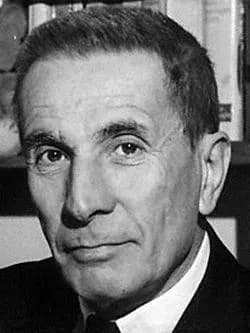
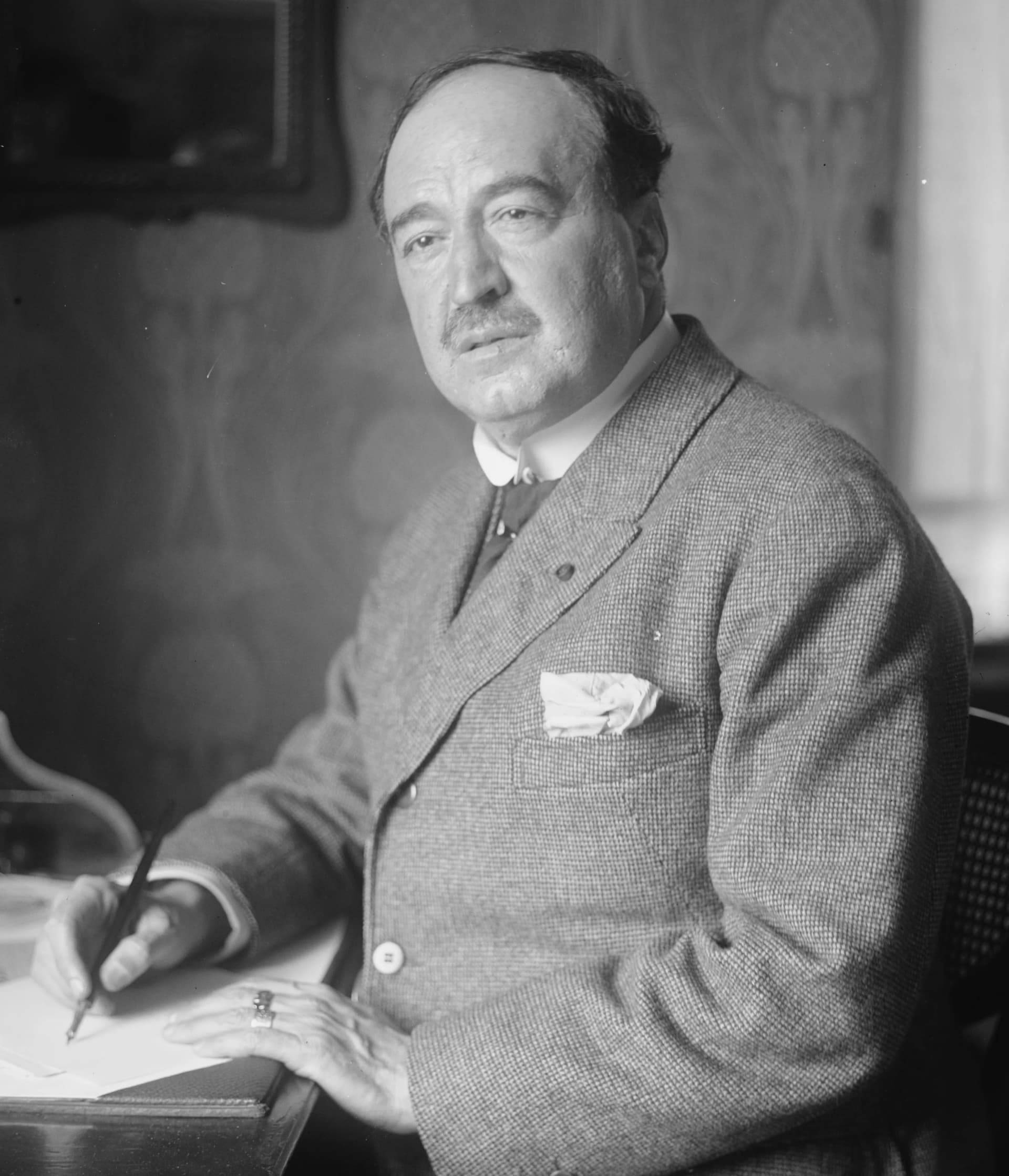
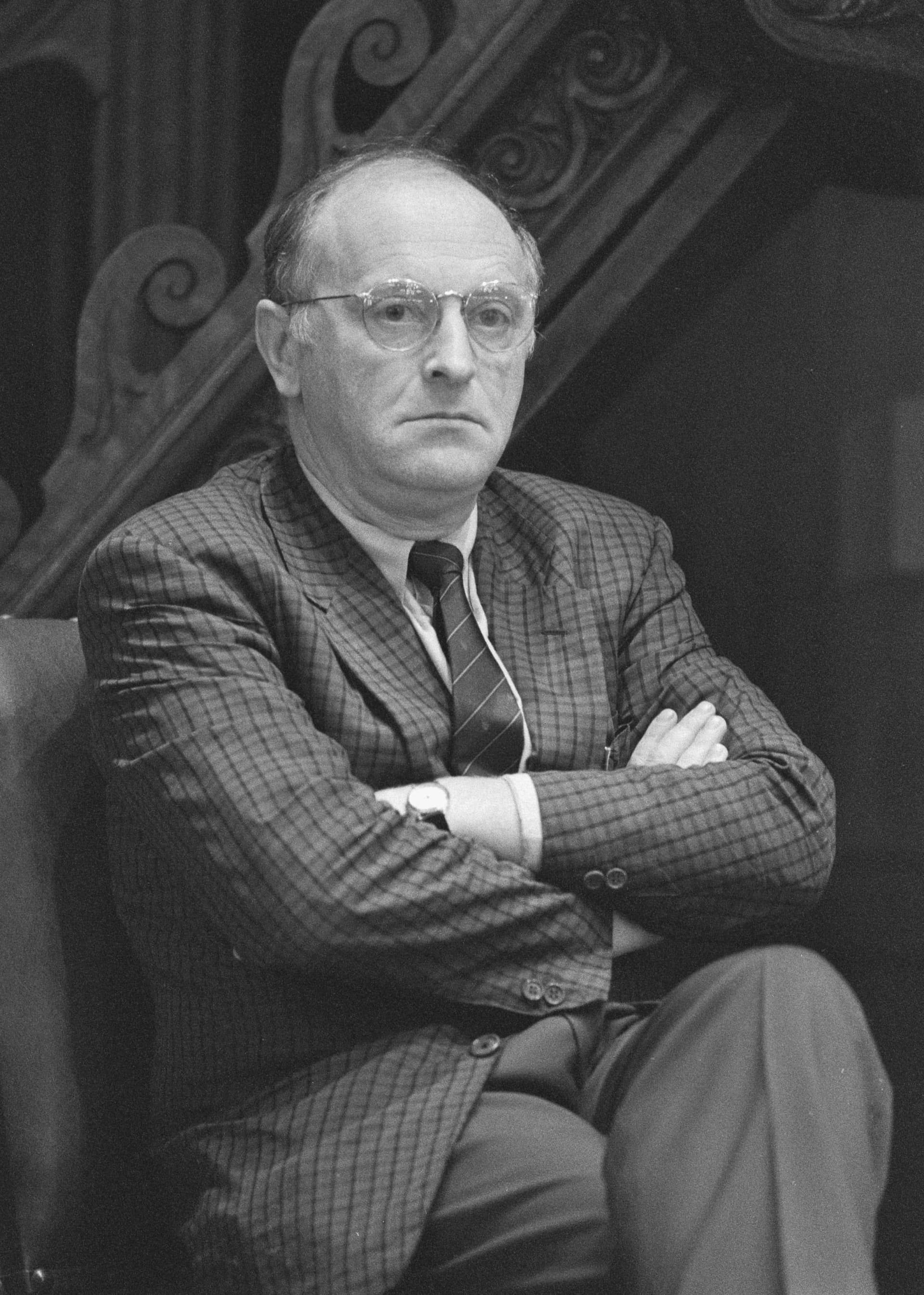
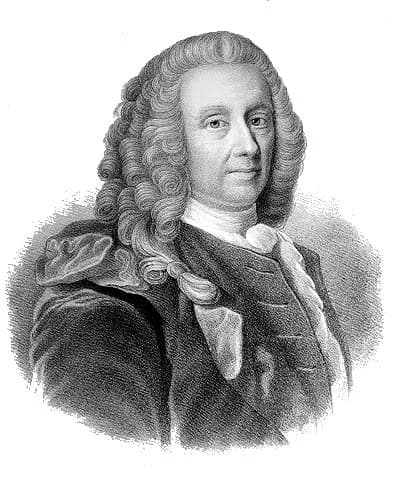
Ludvig Holberg (1684–1754) was Norway best known for Danish-Norwegian writer, philosopher and historian.
Ludvig Holberg (December 3, 1684 – January 28, 1754) was a Danish-Norwegian writer, philosopher, and historian. He is celebrated as the founder of modern Danish and Norwegian literature, notably for his comedies and influential works on law. His extensive writings left an enduring mark on European intellectual life.
Anlarda bir həyat
Bir həyatı formalaşdıran anlar
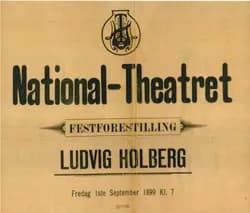
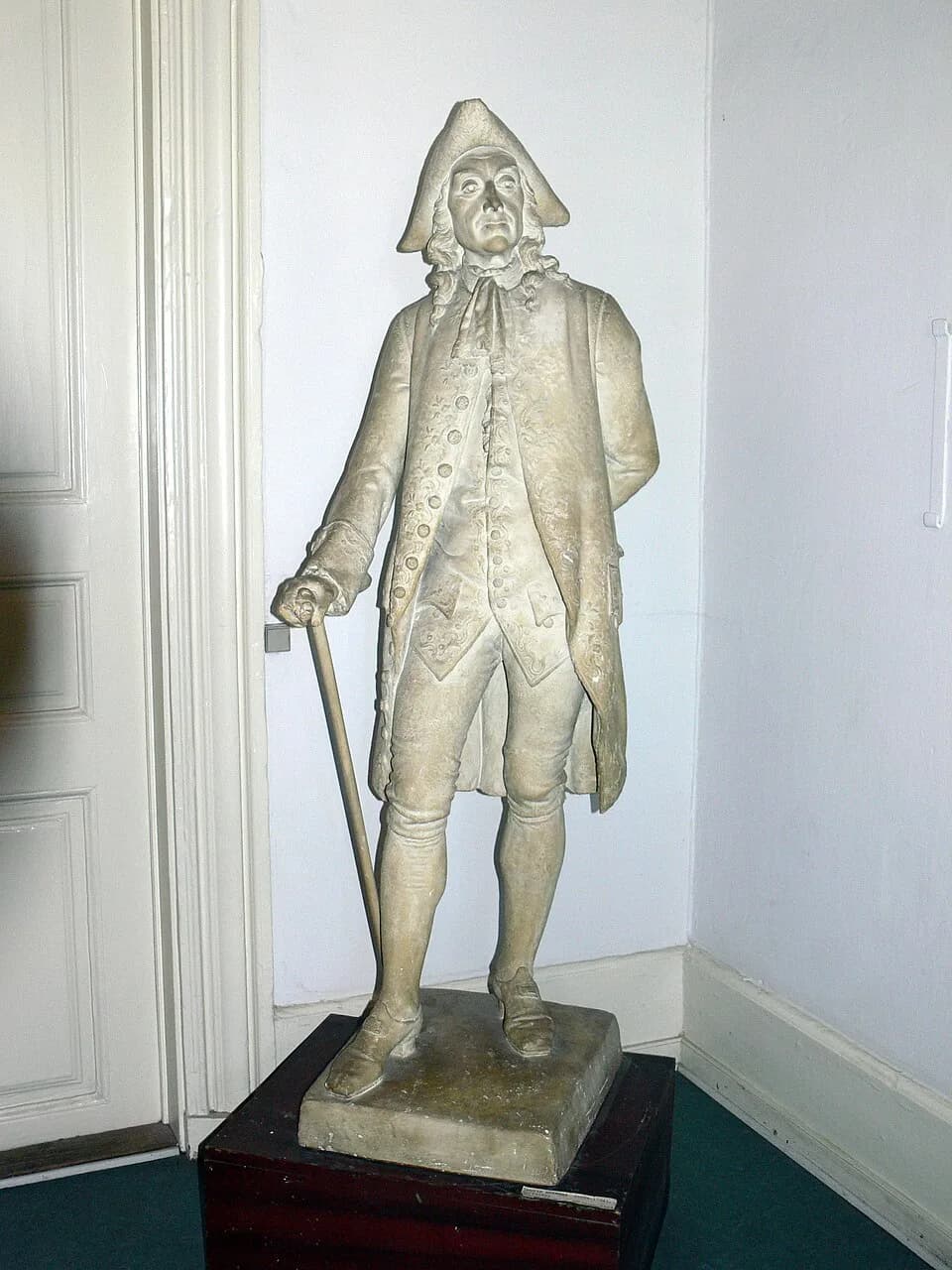
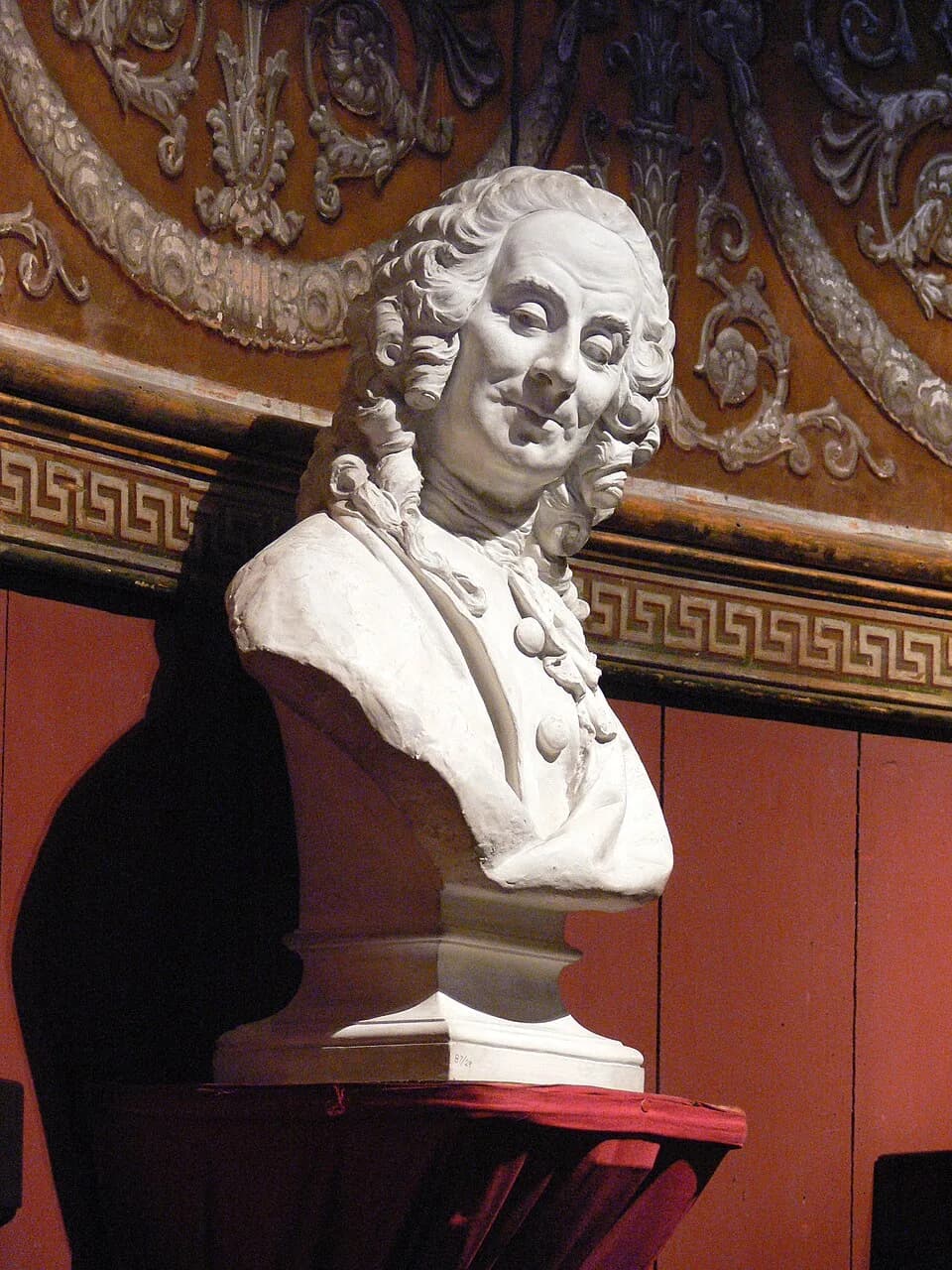
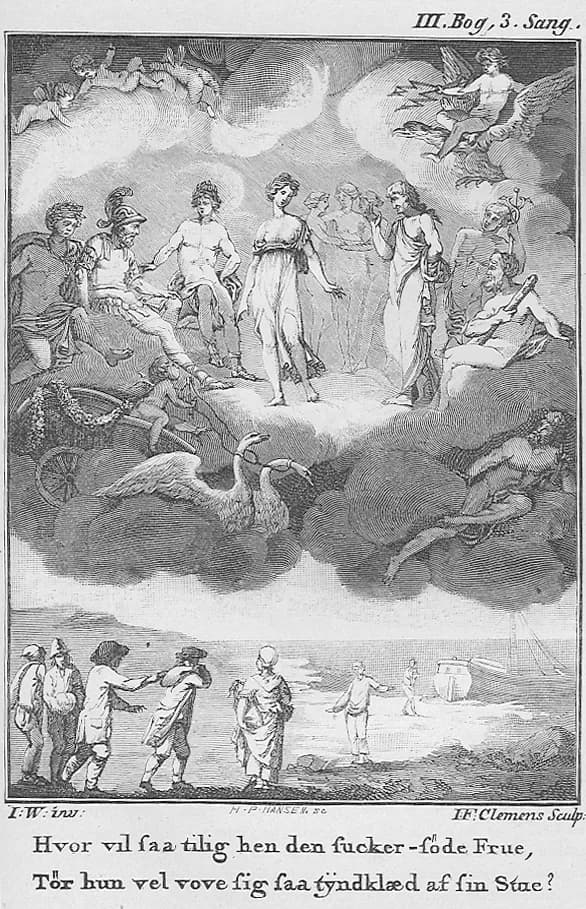
Fəsil
Həyat fəsilləri
Fəsil 1 · 1684· Fəsil 1 / 8
Introduction
Ludvig Holberg (December 3, 1684 – January 28, 1754) was a distinguished Danish-Norwegian writer, philosopher, and historian. His literary genius laid the foundation for modern Danish and Norwegian literature, leaving an enduring mark on European thought. He was also a prolific poet, playwright, university teacher, novelist, essayist, and autobiographer throughout his long career.
Fəsil 2 · 1684· Fəsil 2 / 8
Early Life and Origins
Born on December 3, 1684, in Bergen, Norway, Ludvig Holberg entered the world during the era of the Dano–Norwegian dual monarchy. His formative years in Bergen contributed to the intellectual curiosity that would define his future. While specific details about his family and early upbringing are not explicitly provided, his Norwegian origins are a significant aspect of his identity and work.
Fəsil 3· Fəsil 3 / 8
Career Beginnings
Holberg's career began to flourish as he embraced various intellectual pursuits, establishing himself as an essayist and writer. He was influenced by the intellectual currents of Humanism, the Enlightenment, and the Baroque, which shaped his approach to literature and philosophy. His early endeavors laid the groundwork for his eventual prominence in Danish and Norwegian cultural life.
Fəsil 4 · 1722· Fəsil 4 / 8
Major Achievements and Career Highlights
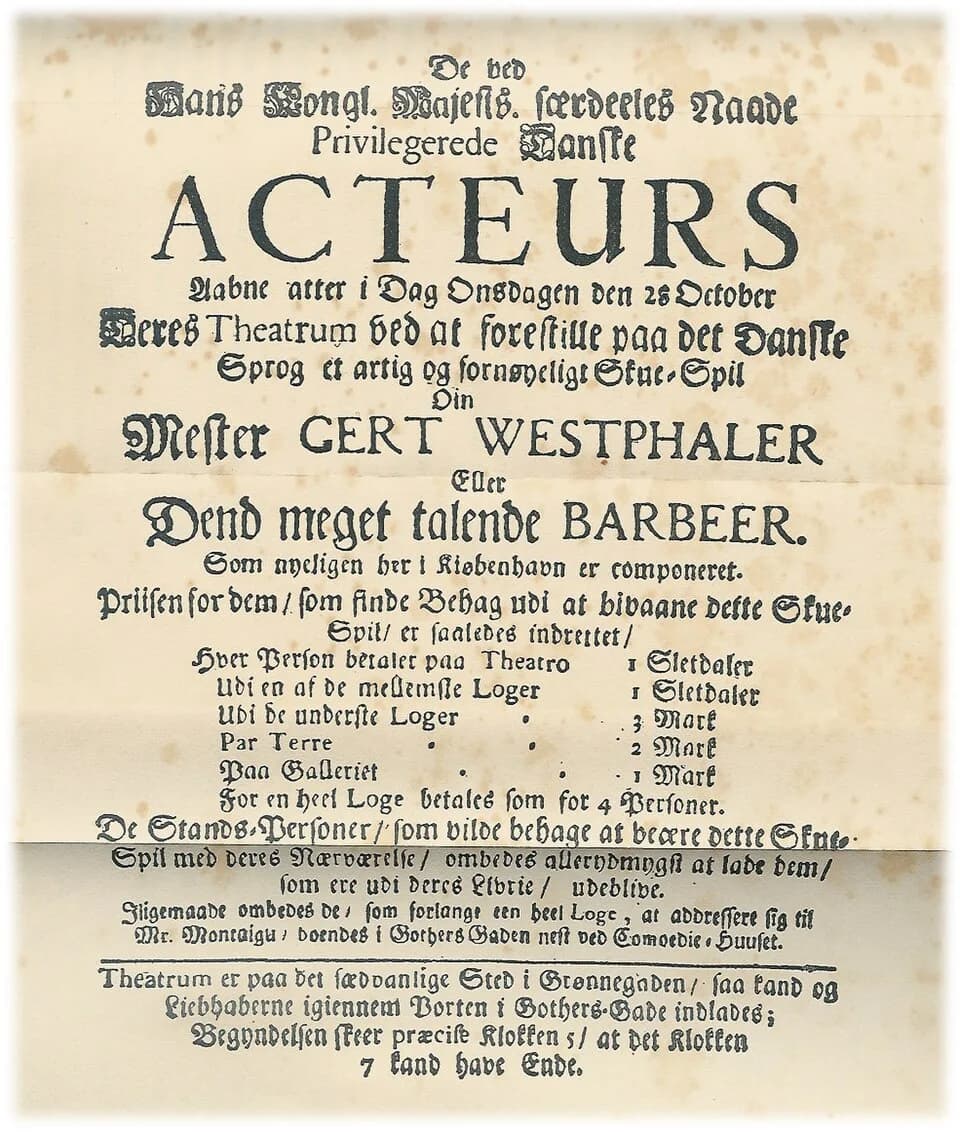
Ludvig Holberg is widely considered the founder of modern Danish and Norwegian literature, a testament to his lasting literary impact. He gained particular fame for the comedies he penned between 1722 and 1723 for the Lille Grønnegade Theatre in Copenhagen. Beyond literature, Holberg was also a Baron of Holberg, reflecting his esteemed position in society.
His scholarly contributions were equally significant, especially his works on natural and common law. These legal texts were extensively studied by Danish law students for over two hundred years, from 1736 to 1936. This long period of academic relevance underscores the practical and enduring value of his philosophical and legal insights.
Fəsil 5· Fəsil 5 / 8
Personal Life
While Ludvig Holberg's public achievements are well documented, specific details regarding his personal life, family, relationships, or particular interests beyond his academic pursuits are not widely known from available records. His life was primarily devoted to his prolific writing and intellectual endeavors.
Fəsil 6· Fəsil 6 / 8
Notable Works and Contributions
Holberg’s best-known contributions are undoubtedly his comedies, which brought a new voice to Danish theatre in the early 18th century. His legal works, studied for centuries, demonstrate his command of jurisprudence and philosophy. He was also a prominent Neo-Latin author, with his writings finding an audience across Europe.
Among the works associated with his extensive legacy are "Nachricht von meinem Leben in drei Briefen an einen vornehmen Herrn," which appears to be an autobiographical account. Other notable literary pieces include plays such as "Jeppe vom Berge, oder, Der verwandelte Bauer" and "Don Ranudo de Colibrados : ein Lustspiel in vier Acten." His work "ULYSSES VON ITHACIA" further highlights his diverse literary output.
Fəsil 7 · 1754· Fəsil 7 / 8
Later Years
Ludvig Holberg's life concluded on January 28, 1754, in Copenhagen, Denmark, the city where much of his significant literary work unfolded. He continued to shape the intellectual discourse of his time until his passing. His final years were spent in the very heart of the cultural scene he helped to define.
Fəsil 8· Fəsil 8 / 8
Legacy and Impact
Holberg’s influence is substantial, as he is celebrated for initiating modern Danish and Norwegian literature, fundamentally altering the literary trajectory of both nations. His intellectual curiosity, shaped by the Enlightenment and Humanism, permeated his wide array of works. His enduring appeal stems from his ability to fuse profound thought with accessible and engaging storytelling.
His comedies continue to be performed and studied, embodying a distinct voice that resonates through the centuries. The long-standing use of his legal texts in Danish universities speaks to the sustained academic value of his contributions. Ludvig Holberg's legacy is one of intellectual breadth and cultural innovation, cementing his place as a giant of European letters.
FAQ
Tez-tez verilən
Ludvig Holberg nə vaxt vəfat edib?
Ludvig Holberg 28 yanvar 1754 tarixində Copenhagen, Denmark-də, 69 yaşında vəfat edib.
Ludvig Holberg harada anadan olub?
Ludvig Holberg Bergen, Norway-də 3 dekabr 1684 tarixində anadan olub.
Ludvig Holberg ən çox nə ilə tanınır?
Ludvig Holberg ən çox Danish-Norwegian writer, philosopher and historian ilə tanınır.
Ludvig Holberg öldüyü zaman neçə yaşında idi?
Ludvig Holberg öldüyü zaman 69 yaşında idi.
Ludvig Holberg-in milliyyəti nə idi?
Ludvig Holberg Norway-dan idi.
Xronologiya
Bir baxışda həyat
Foto qalereyası
Şəkillərdə bir həyat
Genişləndirmək üçün polaroidə klikləyin · 23 foto
QR kod
Bu bioqrafiyanı paylaş
Çap et və paylaş
Bu bioqrafiya səhifəsini ziyarət etmək üçün skan edin. Tədbirlər, sərgilər və ya təhsil materialları üçün çap edin.