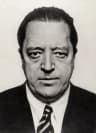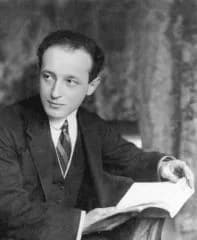
Doğulub
March 27, 1893
Budapest, Hungary
Vəfat edib
January 9, 1947
London, Roman Empire
Tanındığı sahə
Hungarian-German philosopher and sociologist
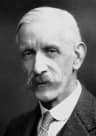
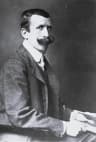
Karl Mannheim (1893–1947) was Hungary best known for Hungarian-German philosopher and sociologist.
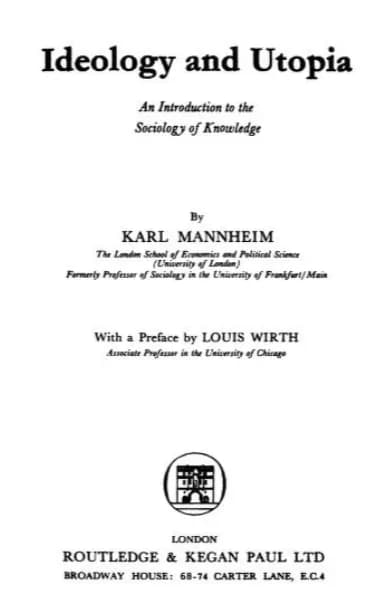
Karl Mannheim (March 27, 1893 – January 9, 1947) was a Hungarian-German philosopher and sociologist from Budapest, Hungary. He was a key figure in classical sociology and a founder of the sociology of knowledge. His book, Ideology and Utopia, is highly regarded for its distinction between different types of ideologies.
Fəsil
Həyat fəsilləri
Fəsil 1 · 1893· Fəsil 1 / 7
Early Life and Origins
Karl Mannheim entered the world in Budapest, Hungary, on March 27, 1893. His early years were spent in a dynamic cultural and intellectual environment that characterized the Austro-Hungarian Empire at the turn of the century. This upbringing in Budapest likely fostered his early engagement with philosophy and social theory. The exact details of his family life and education beyond his birthplace are not provided, yet his future academic pursuits indicate a rigorous intellectual foundation laid during these formative years.
Fəsil 2· Fəsil 2 / 7
Career Beginnings
Mannheim developed his intellectual career as a writer and university teacher, specializing in sociology. While specific early career steps are not detailed, his trajectory led him to become a renowned sociologist. His initial contributions would have laid the groundwork for his later, more widely recognized theories and publications. This early period was crucial for the development of his unique theoretical framework that would later define his standing in the academic world.
Fəsil 3 · 1929· Fəsil 3 / 7
Major Achievements and Career Highlights
Mannheim's career reached its zenith with his seminal work, Ideology and Utopia. Published initially in German in 1929 and later in English in 1936, this book established him as a leading intellect. Within this work, he meticulously distinguished between partial and total ideologies, the latter encompassing comprehensive worldviews characteristic of specific social groups. He further explored the contrast between ideologies that support existing social structures and utopias, which envision future societal transformations. His theories provided a robust framework for understanding how social context shapes human thought. He became a central figure in classical sociology, lauded for his deep analysis of knowledge and society.
Fəsil 4· Fəsil 4 / 7
Personal Life
The provided information does not detail aspects of Karl Mannheim's personal life, such as family relationships, marital status, or specific personal interests outside of his academic pursuits. His public persona was largely defined by his rigorous scholarly work and his dedication to philosophical and sociological inquiry. Therefore, specific anecdotes or biographical details about his private life are not available from the given sources.
Fəsil 5 · 1934· Fəsil 5 / 7
Notable Works or Contributions
Karl Mannheim's intellectual legacy is preserved through a collection of influential writings. His most acclaimed book, Ideology and Utopia, remains a cornerstone of sociological study. Other significant contributions include Diagnosis of Our Time and Essays on the Sociology of Knowledge, which further elaborated on his core ideas. His Collected Works of Karl Mannheim provide a comprehensive overview of his extensive scholarly output. These publications underscore his sustained exploration of the sociology of knowledge and its broader implications. He also delivered a notable lecture, "Rational and irrational elements in contemporary society," on March 7, 1934, at Bedford College for Women, University of London.
Fəsil 6 · 1947· Fəsil 6 / 7
Later Years
Karl Mannheim spent his later career years continuing his scholarly work and teaching. His life concluded in London, United Kingdom, where he passed away on January 9, 1947, at the age of 53. Though his life was cut relatively short, his final years were dedicated to expanding on his theoretical frameworks and influencing a new generation of scholars. His presence in London during this period further cemented his international academic standing.
Fəsil 7· Fəsil 7 / 7
Legacy and Impact
Karl Mannheim's work fundamentally altered the trajectory of sociological thought. As a key figure in classical sociology and a founder of the sociology of knowledge, his insights into the social conditioning of thought remain highly relevant. Ideology and Utopia continues to be a standard text, providing analytical tools for understanding the social origins and functions of belief systems. His contributions encouraged scholars to critically examine the relationship between social position and intellectual perspective. Mannheim's analytical distinctions between different forms of ideology and utopia offer a powerful framework for social analysis.
Anlarda bir həyat
Bir həyatı formalaşdıran anlar




FAQ
Tez-tez verilən
Karl Mannheim nə vaxt vəfat edib?
Karl Mannheim 9 yanvar 1947 tarixində London, Roman Empire-də, 53 yaşında vəfat edib.
Karl Mannheim harada anadan olub?
Karl Mannheim Budapest, Hungary-də 27 mart 1893 tarixində anadan olub.
Karl Mannheim ən çox nə ilə tanınır?
Karl Mannheim ən çox Hungarian-German philosopher and sociologist ilə tanınır.
Karl Mannheim öldüyü zaman neçə yaşında idi?
Karl Mannheim öldüyü zaman 53 yaşında idi.
Karl Mannheim-in milliyyəti nə idi?
Karl Mannheim Hungary-dan idi.
Xronologiya
Bir baxışda həyat
Foto qalereyası
Şəkillərdə bir həyat
Genişləndirmək üçün polaroidə klikləyin · 16 foto
QR kod
Bu bioqrafiyanı paylaş
Çap et və paylaş
Bu bioqrafiya səhifəsini ziyarət etmək üçün skan edin. Tədbirlər, sərgilər və ya təhsil materialları üçün çap edin.