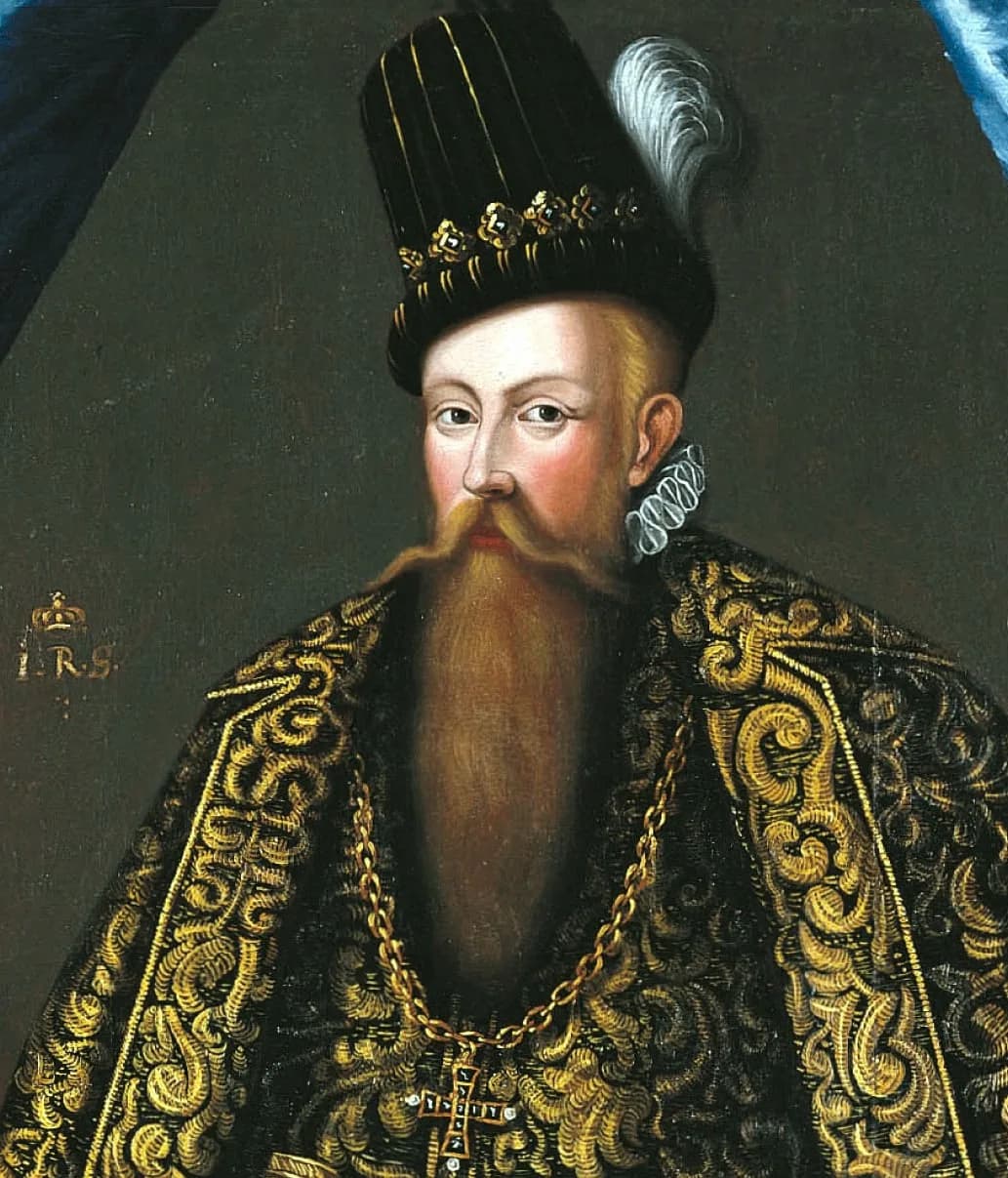
Doğulub
December 20, 1537
Stegeborg Castle, Sweden
Vəfat edib
November 17, 1592
Stockholm, Sweden
Tanındığı sahə
Swedish king
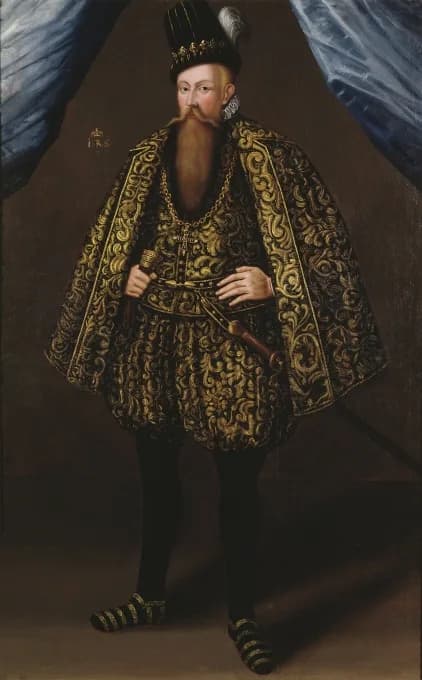
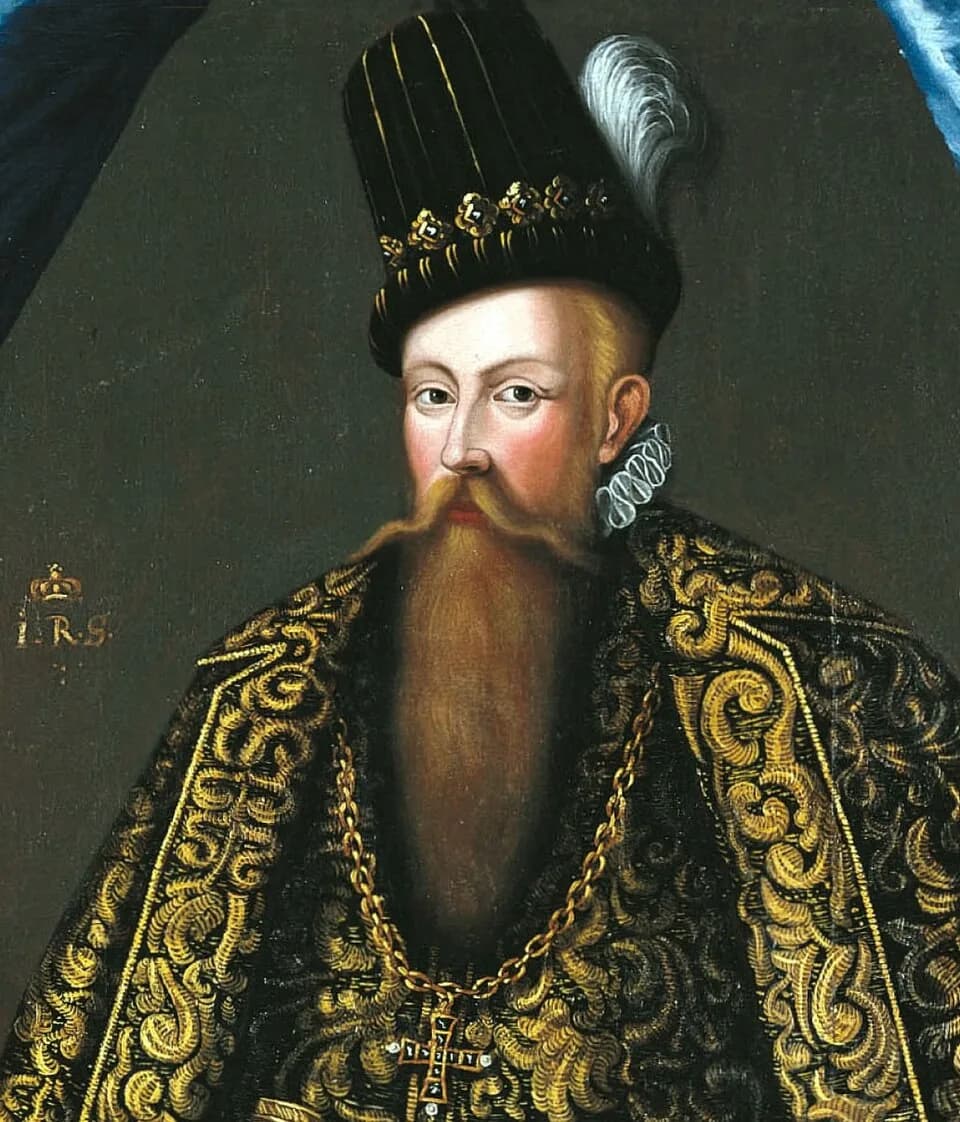
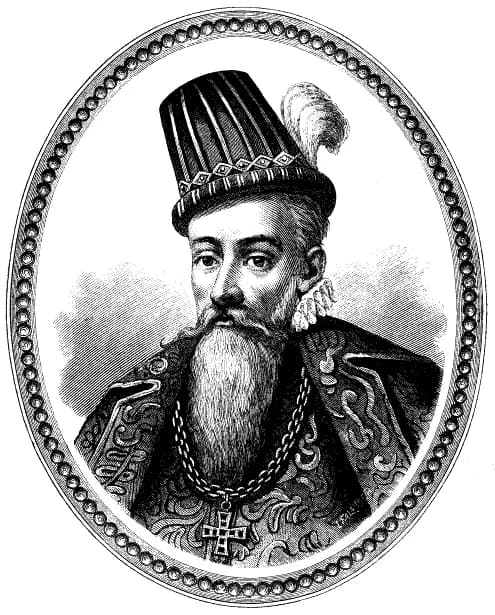
John III of Sweden (1537–1592) was Sweden best known for Swedish king.
John III of Sweden (December 20, 1537 – November 17, 1592) was a monarch from Sweden. He is mainly remembered for his attempts to close the gap between the Lutheran and Catholic Churches. His reign also included a rebellion against his half-brother and a notable conflict.
Fəsil
Həyat fəsilləri
Fəsil 1 · 1537· Fəsil 1 / 6
Early Life and Origins
Born on December 20, 1537, John III entered the world at Stegeborg Castle in Sweden, a birthplace befitting his royal lineage. His early life unfolded amidst the grandeur and political complexities of the Swedish court. As the son of King Gustav I and Margaret Leijonhufvud, John was steeped in the expectations and traditions of a future ruler from a young age. His upbringing would have prepared him for the demanding roles he would later assume, providing him with a keen understanding of governance and diplomacy.
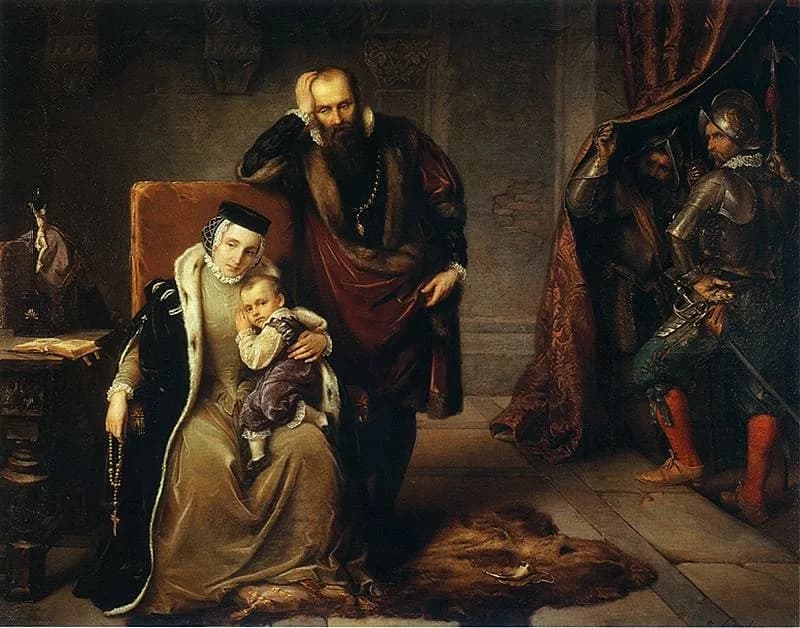
His family connections were critical in shaping his destiny, particularly his relationship with his half-brother, Erik XIV. These fraternal ties, though initially defining his early status, would later become a source of significant conflict. The foundations laid in his youth at Stegeborg Castle equipped him with the resolve and ambition necessary to assert his claim to power.
Fəsil 2 · 1569· Fəsil 2 / 6
Career Beginnings
John III's path to the throne was not through simple inheritance but through decisive action. His career as a monarch began in earnest following a rebellion against his half-brother, Erik XIV. This uprising, a significant political maneuver, saw John challenging the established order and asserting his own right to rule. The success of this rebellion in 1569 marked his official ascension to the Swedish throne, transforming him from a duke to the sovereign leader of the nation.
Taking the crown through rebellion highlighted John's assertive character and his willingness to contend for power. This early phase of his reign was characterized by the consolidation of his authority and the stabilization of the kingdom after the internal strife that brought him to power. His strategic efforts during this period laid the groundwork for his long tenure as king, solidifying his position as Sweden's new monarch.
Fəsil 3 · 1569· Fəsil 3 / 6
Major Achievements and Career Highlights
As King of Sweden from 1569 until his death in 1592, John III embarked on a reign marked by significant endeavors. One of his most notable efforts involved attempting to bridge the divide between the newly established Lutheran Church of Sweden and the Catholic Church. This ambitious initiative sought to find common ground and foster religious unity within a kingdom still grappling with the profound changes of the Reformation. His attempts reflected a desire for religious reconciliation, a complex undertaking in 16th-century Europe.
His leadership extended beyond religious matters, encompassing the governance of the entire Swedish realm for over two decades. John III’s reign saw the continuous administration of the kingdom, the handling of state affairs, and the pursuit of both domestic and foreign policies. He aimed to strengthen the monarchy and ensure the stability of Sweden during a period of considerable international flux, leaving a lasting impact through his sustained period of rule.
Fəsil 4· Fəsil 4 / 6
Notable Works or Contributions
John III is primarily remembered for his concerted efforts to reconcile the Lutheran Church of Sweden with the Catholic Church. This contribution stands as a testament to his unique approach to religious policy during a highly polarized era. He introduced the 'Red Book,' a new church ordinance that incorporated elements of both Catholic and Lutheran traditions, aiming to create a more unified ecclesiastical structure. This bold initiative demonstrated a rare willingness to seek a middle path when most European powers were deepening their religious divisions.
His endeavors in religious policy were significant for their intellectual and diplomatic ambition. While his vision for a united church ultimately faced considerable resistance, these attempts highlight a profound desire to heal religious schisms within his kingdom. These efforts stand as a distinctive feature of his rule, setting him apart from many of his contemporary monarchs who often enforced stricter religious conformity.
Fəsil 5 · 1592· Fəsil 5 / 6
Later Years
John III continued his reign as King of Sweden until his passing on November 17, 1592. His later years were characterized by the ongoing administration of his kingdom and the persistent shadow of earlier familial conflicts. The long-term implications of his rebellion against his half-brother, Erik XIV, continued to influence the political climate and the security of his rule.
During this final period, the complexities of governance in a still-developing nation remained paramount. John III continued to oversee both internal matters and Sweden's place in European affairs. He died in Stockholm, the capital city he governed for many years, concluding a reign that had profoundly impacted Sweden's trajectory in the late 16th century.
Fəsil 6· Fəsil 6 / 6
Legacy and Impact
John III’s legacy is distinctly shaped by his rule as King of Sweden and his attempts to bridge religious divides. He is mainly remembered for his significant efforts to find common ground between the newly established Lutheran Church of Sweden and the Catholic Church, a policy that underscored a desire for unity amidst an era of fragmentation. This diplomatic approach to religious affairs sets him apart, highlighting his unique vision for a more reconciled Christendom within his realm.
Furthermore, his reign is inextricably linked to the dramatic circumstances of his ascent to power, including his conflict with and possible murder of his half-brother, Erik XIV. These events contribute to a complex understanding of his character and the ruthless political realities of the period. John III's influence continues to be analyzed for his sustained rule, his distinct religious policies, and the lasting impact of his actions on the Swedish monarchy and its historical narrative.
Anlarda bir həyat
Bir həyatı formalaşdıran anlar

FAQ
Tez-tez verilən
John III of Sweden nə vaxt vəfat edib?
John III of Sweden 17 noyabr 1592 tarixində Stockholm, Sweden-də, 54 yaşında vəfat edib.
John III of Sweden harada anadan olub?
John III of Sweden Stegeborg Castle, Sweden-də 20 dekabr 1537 tarixində anadan olub.
John III of Sweden ən çox nə ilə tanınır?
John III of Sweden ən çox Swedish king ilə tanınır.
John III of Sweden öldüyü zaman neçə yaşında idi?
John III of Sweden öldüyü zaman 54 yaşında idi.
John III of Sweden-in milliyyəti nə idi?
John III of Sweden Sweden-dan idi.
Xronologiya
Bir baxışda həyat
Foto qalereyası
Şəkillərdə bir həyat
Genişləndirmək üçün polaroidə klikləyin · 24 foto
QR kod
Bu bioqrafiyanı paylaş
Çap et və paylaş
Bu bioqrafiya səhifəsini ziyarət etmək üçün skan edin. Tədbirlər, sərgilər və ya təhsil materialları üçün çap edin.