Doğulub
May 23, 1908
Madison, United States
Vəfat edib
January 30, 1991
Boston, United States
Tanındığı sahə
American physicist and engineer
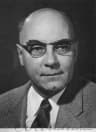
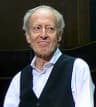
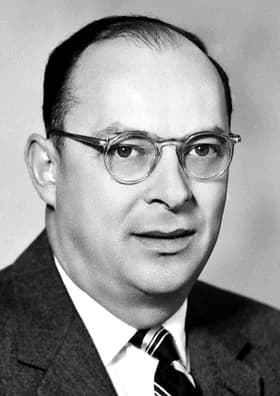
John Bardeen (1908–1991) was United States best known for American physicist and engineer.
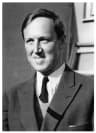
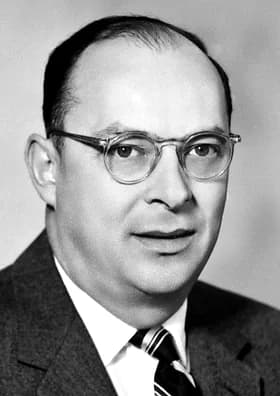
John Bardeen (May 23, 1908 – January 30, 1991) was an American physicist and engineer. He uniquely won the Nobel Prize in Physics twice for his work on the transistor and the BCS theory of superconductivity. His discoveries are foundational to modern electronics and physics.
Fəsil
Həyat fəsilləri
Fəsil 1 · 1908· Fəsil 1 / 7
Remembering John Bardeen
John Bardeen (May 23, 1908 – January 30, 1991) was an American physicist and electrical engineer whose scientific contributions reshaped modern technology and theoretical understanding. He stands alone in history as the only individual to receive the Nobel Prize in Physics twice, a testament to his extraordinary influence and scientific prowess. His pioneering work on semiconductors and superconductivity laid foundational knowledge for countless technological advancements.
Fəsil 2 · 1908· Fəsil 2 / 7
Early Life and Origins
Born on May 23, 1908, in Madison, United States, John Bardeen's intellectual journey began in his home country. His early education in Madison prepared him for a distinguished career in scientific inquiry. These formative years fostered the curiosity and analytical skills that would define his professional life.
Fəsil 3· Fəsil 3 / 7
Career Beginnings
Bardeen embarked on a professional life that spanned multiple roles as a physicist, inventor, university teacher, and electrical engineer. His initial work involved rigorous investigation into the properties of various materials. This dedication to fundamental research led him towards groundbreaking discoveries in electronics and condensed matter physics.
Fəsil 4 · 1956· Fəsil 4 / 7
Major Achievements and Career Highlights
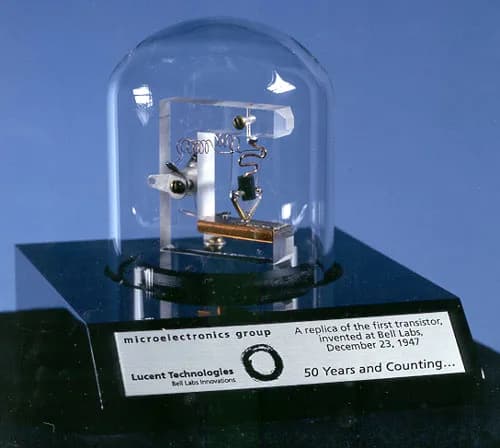
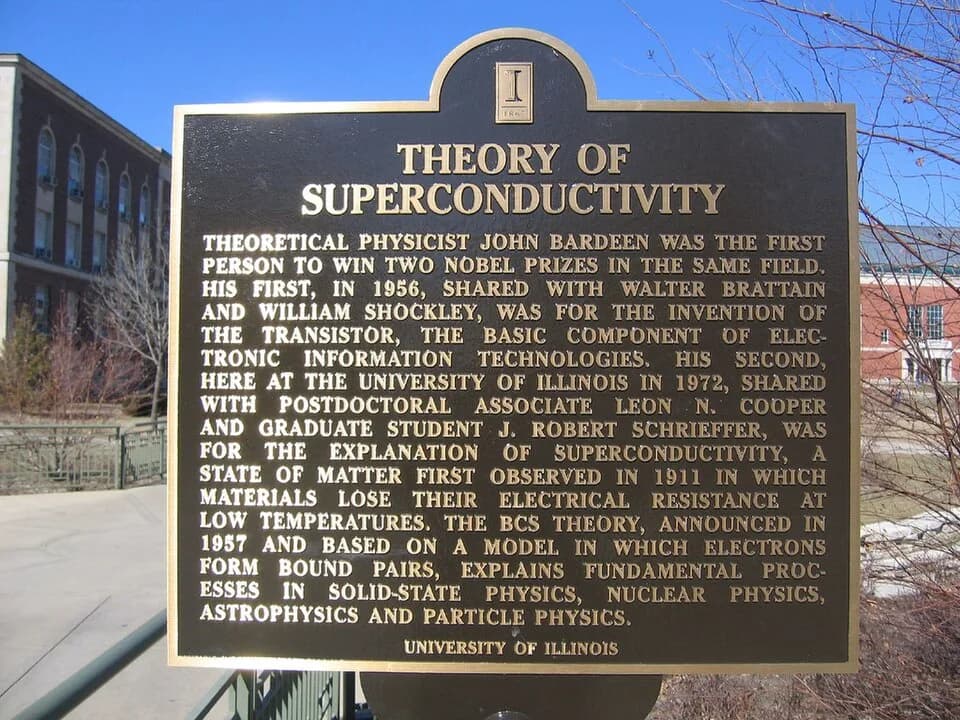
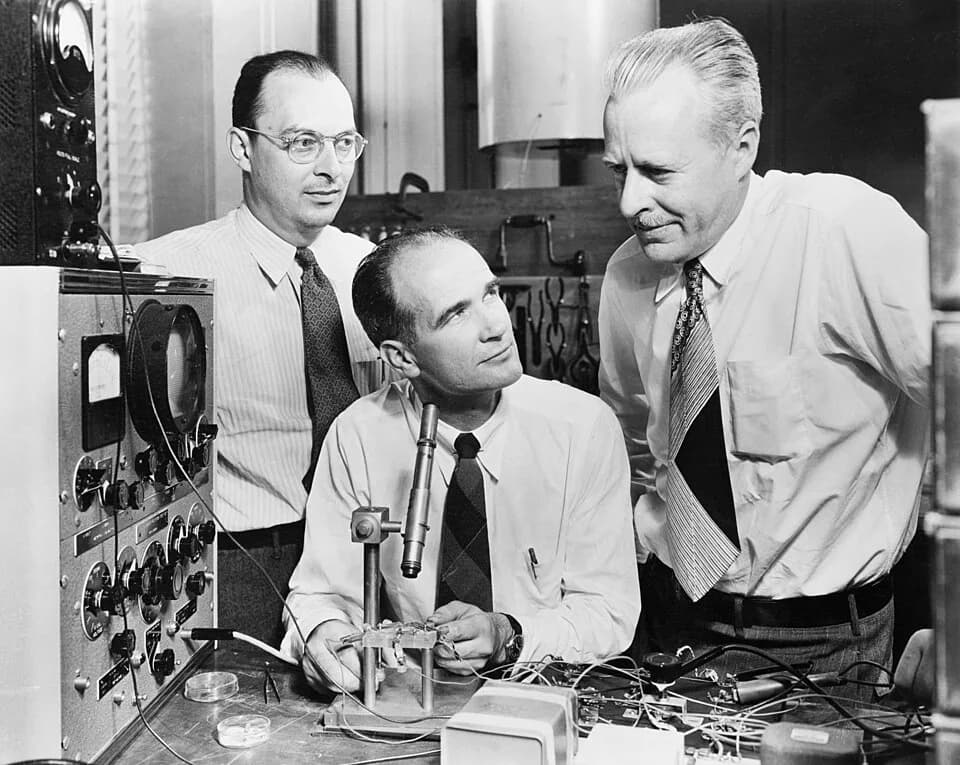
A significant breakthrough occurred in 1956 when John Bardeen, alongside William Shockley and Walter Brattain, was awarded the Nobel Prize in Physics. They were recognized for their extensive researches on semiconductors and their discovery of the transistor effect. This invention fundamentally revolutionized electronics, paving the way for compact and powerful devices that would define the digital age.
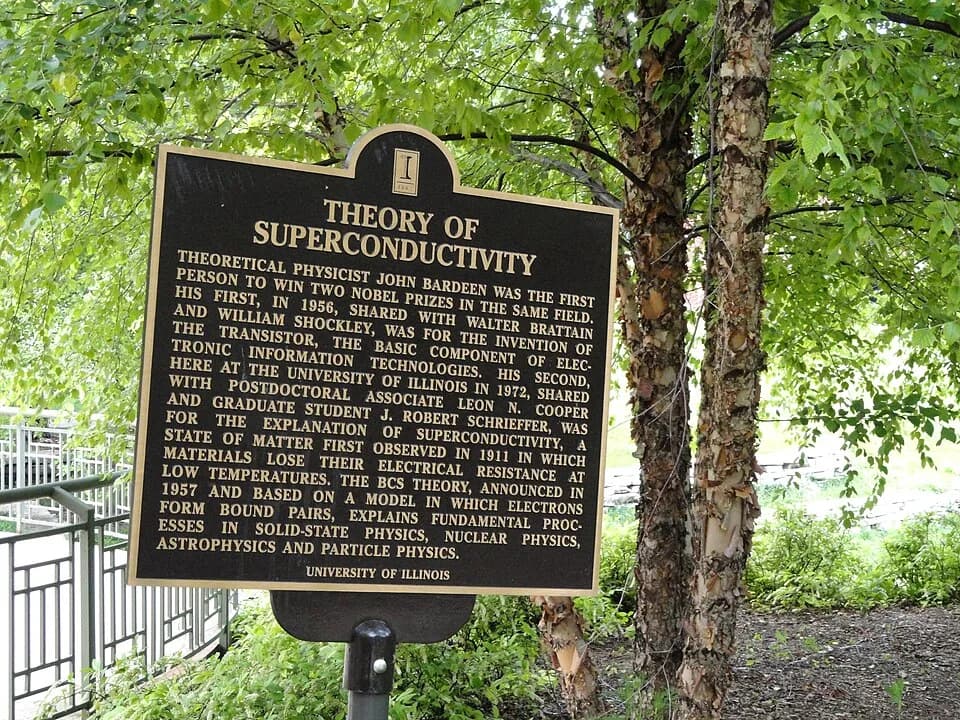
Later, in 1972, Bardeen received his second Nobel Prize in Physics, shared with Leon Cooper and John Robert Schrieffer. This prestigious award celebrated their jointly developed microscopic theory of superconductivity, famously known as the BCS theory. Their theoretical framework explained how certain materials conduct electricity with zero resistance at very low temperatures, opening new avenues for research and application.
John Bardeen holds the unique distinction of being the only person ever to be honored with the Nobel Prize in Physics twice. This exceptional achievement underscores his unparalleled impact across two distinct and vital areas of modern physics and engineering. His dual recognition firmly establishes him as a pivotal scientific figure of the 20th century.
Fəsil 5· Fəsil 5 / 7
Notable Works or Contributions
Beyond his Nobel-winning discoveries, John Bardeen maintained an active academic publishing record, reflected in his notable h-index. His written works contributed significantly to scientific discourse, sharing insights from his groundbreaking research. These publications were crucial in disseminating his findings and theories to the global scientific community.
Among his significant contributions were papers such as "Halbleiterforschung auf dem Wege zum Spitzenkontakt‐Transistor Nobelvortrag 1956," published in 1957. He also authored "Geschichte Konkurrenz zur Rundfunkröhre Aus dem Leben des Physikers" in 2007, and "Die Frühzeit des Itransistors 1946 bis 1955" from 1983. An early paper from 1950, "41. Hauptversammlung des Vereins zur Förderung des mathematischen und naturwissenschaftlichen Unterrichts/Physikertagung in Münster/Tagung der Gesellschaft für Angewandte Mathematik und Mechanik in Darmstadt/Tagung der American Association for the Advance," showcases his active engagement with various scientific forums.
Fəsil 6 · 1991· Fəsil 6 / 7
Later Years
John Bardeen's distinguished life concluded on January 30, 1991, in Boston, United States. His passing marked the end of an era for the fields of physics and engineering. Even in his later years, his profound legacy continued to inspire new generations of scientists and innovators worldwide.
Fəsil 7· Fəsil 7 / 7
Legacy and Impact
The legacy of John Bardeen is deeply woven into the fabric of modern technology and scientific understanding. The transistor, born from his early work, is a fundamental component of virtually every electronic device, from computers to smartphones, enabling the information age. His BCS theory continues to guide advanced research into new superconducting materials, promising future innovations in areas like energy transmission and medical imaging. His transformative contributions forever altered both theoretical physics and practical engineering, profoundly shaping the world we inhabit today.
Anlarda bir həyat
Bir həyatı formalaşdıran anlar

FAQ
Tez-tez verilən
John Bardeen nə vaxt vəfat edib?
John Bardeen 30 yanvar 1991 tarixində Boston, United States-də, 82 yaşında vəfat edib.
John Bardeen harada anadan olub?
John Bardeen Madison, United States-də 23 may 1908 tarixində anadan olub.
John Bardeen ən çox nə ilə tanınır?
John Bardeen ən çox American physicist and engineer ilə tanınır.
John Bardeen öldüyü zaman neçə yaşında idi?
John Bardeen öldüyü zaman 82 yaşında idi.
John Bardeen-in milliyyəti nə idi?
John Bardeen United States-dan idi.
Xronologiya
Bir baxışda həyat
Foto qalereyası
Şəkillərdə bir həyat
Genişləndirmək üçün polaroidə klikləyin · 24 foto
QR kod
Bu bioqrafiyanı paylaş
Çap et və paylaş
Bu bioqrafiya səhifəsini ziyarət etmək üçün skan edin. Tədbirlər, sərgilər və ya təhsil materialları üçün çap edin.