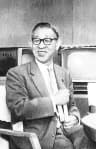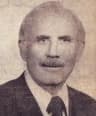
Doğulub
September 15, 1894
18th arrondissement of Paris, France
Vəfat edib
February 12, 1979
Beverly Hills, United States
Tanındığı sahə
French film director and screenwriter
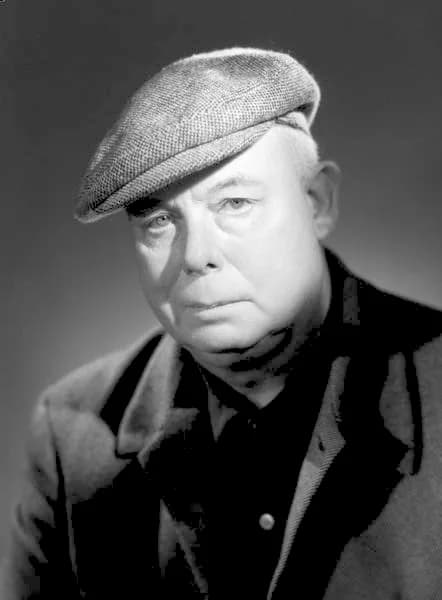
Jean Renoir (1894–1979) was France best known for French film director and screenwriter.
Jean Renoir (September 15, 1894 – February 12, 1979) was a French film director and screenwriter. He directed acclaimed films like <em>La Grande Illusion</em> and <em>The Rules of the Game</em>, often cited among the greatest ever made. Renoir received a Lifetime Achievement Academy Award in 1975 for his lasting contributions to cinema.
Fəsil
Həyat fəsilləri
Fəsil 1 · 1894· Fəsil 1 / 7
Early Life and Origins
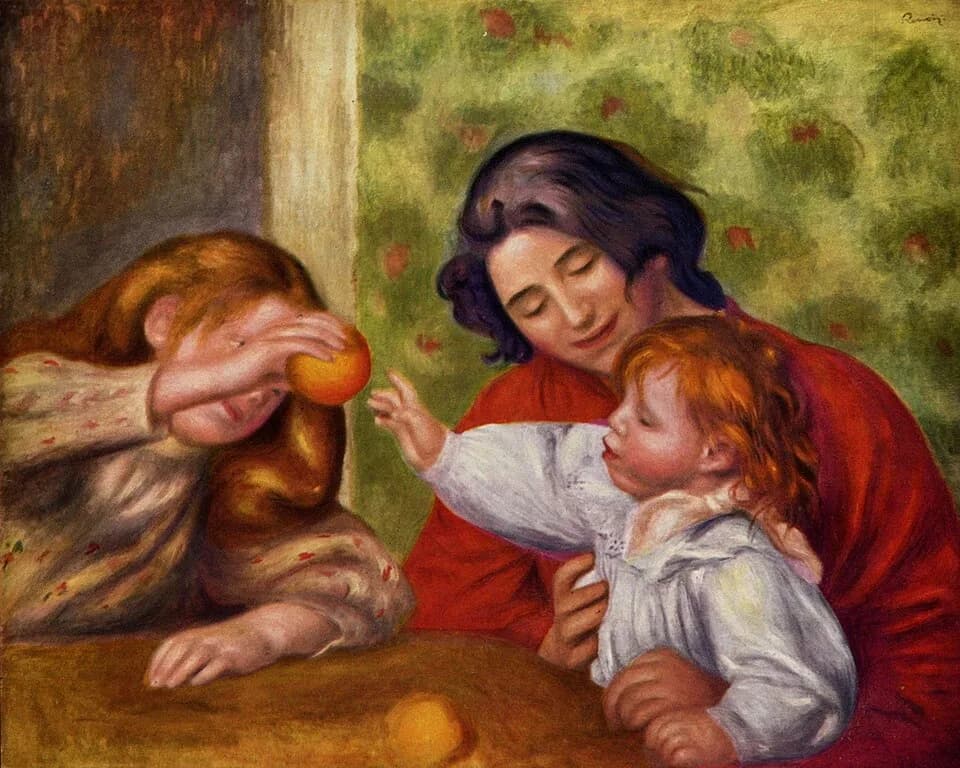
Jean Renoir was born into an artistic family in the 18th arrondissement of Paris, France, on September 15, 1894. He was the son of the renowned Impressionist painter Pierre-Auguste Renoir, whose influence undoubtedly shaped Jean's early artistic sensibilities. His family connections to the arts continued through his uncle, Claude Renoir, who would later become a distinguished cinematographer.
Fəsil 2· Fəsil 2 / 7
Career Beginnings
Renoir's journey into filmmaking saw him explore various facets of the craft, beginning his career as a screenwriter, actor, and writer. He brought a deep understanding of storytelling and character to his early projects. This foundational experience across multiple disciplines provided him with a comprehensive perspective on film production, preparing him for his eventual role as a director.
Fəsil 3 · 1937· Fəsil 3 / 7
Major Achievements and Career Highlights
Throughout his career, Jean Renoir created films that earned critical acclaim and left an enduring mark on cinema. His 1937 masterpiece, La Grande Illusion, alongside his 1939 work, The Rules of the Game, are consistently cited by critics as being among the greatest films ever produced. This recognition underscores his innovative storytelling and profound grasp of the human condition.
Renoir’s influential work led to significant honors and acknowledgments; in 2002, he was ranked fourth on the BFI's prestigious Sight & Sound poll of the greatest directors. During his lifetime, he received a Lifetime Achievement Academy Award in 1975, a testament to his lasting impact and artistic excellence. Working with his uncle, Claude Renoir, he directed The River (1951), notably the first color film ever shot in India, demonstrating his willingness to explore new cinematic territories.
Fəsil 4· Fəsil 4 / 7
Personal Life
Beyond his professional accomplishments, Jean Renoir maintained a lifelong love for theater, often drawing inspiration from stage productions for his film work. His upbringing as the son of Pierre-Auguste Renoir, the celebrated painter, instilled in him an appreciation for artistry and storytelling from a young age. His collaboration with his uncle, cinematographer Claude Renoir, on projects like The River also speaks to the importance of family connections in his creative endeavors.
Fəsil 5 · 1937· Fəsil 5 / 7
Notable Works or Contributions
Renoir's filmography includes a rich array of works that showcased his unique directorial vision. Key among these are his highly celebrated films such as La Grande Illusion (1937) and The Rules of the Game (1939), which are frequently studied for their narrative complexity and social commentary. His passion for the stage inspired films like The Golden Coach (1952) and French Cancan (1955), blending theatricality with cinematic artistry.
Other significant films in his oeuvre include L'Amore (1948), The Doctor's Horrible Experiment (1959), and later works such as The Little Theatre of Jean Renoir (1970) and The Christian Licorice Store (1971). His contributions also extended to written works, including the memoir Renoir, My Father, which offered a personal look at his family life. He also published collections of his thoughts on cinema, like Ecrits 1926-1971 and Writings on the Cinema, further cementing his intellectual legacy.
Fəsil 6 · 1970· Fəsil 6 / 7
Later Years
In his later career, Renoir continued to direct, contributing films such as The Little Theatre of Jean Renoir (1970) and The Christian Licorice Store (1971). His enduring influence on cinema was recognized with a prestigious Lifetime Achievement Academy Award in 1975, celebrating his decades of creativity. Jean Renoir passed away on February 12, 1979, in Beverly Hills, United States, leaving behind an invaluable body of work.
Fəsil 7· Fəsil 7 / 7
Legacy and Impact
Jean Renoir is recognized as one of the first filmmakers to be widely known as an auteur, a director whose personal artistic vision is clearly discernible across their body of work. The critic Penelope Gilliatt famously observed that a Renoir shot could be identified 'in a thousand miles of film,' highlighting his distinctive style. His artistic integrity and consistent vision continue to inspire new generations of filmmakers and critics.
His films remain cornerstones of cinematic education and appreciation, consistently celebrated for their depth, realism, and humanist perspective. The enduring legacy of Jean Renoir is evident in his high ranking in polls of greatest directors and the continuous study and admiration of his celebrated works. He reshaped the way stories could be told on screen, establishing standards of artistic expression that still resonate today.
Anlarda bir həyat
Bir həyatı formalaşdıran anlar
FAQ
Tez-tez verilən
Jean Renoir nə vaxt vəfat edib?
Jean Renoir 12 fevral 1979 tarixində Beverly Hills, United States-də, 84 yaşında vəfat edib.
Jean Renoir harada anadan olub?
Jean Renoir 18th arrondissement of Paris, France-də 15 sentyabr 1894 tarixində anadan olub.
Jean Renoir ən çox nə ilə tanınır?
Jean Renoir ən çox French film director and screenwriter ilə tanınır.
Jean Renoir öldüyü zaman neçə yaşında idi?
Jean Renoir öldüyü zaman 84 yaşında idi.
Jean Renoir-in milliyyəti nə idi?
Jean Renoir France-dan idi.
Xronologiya
Bir baxışda həyat
Foto qalereyası
Şəkillərdə bir həyat
Genişləndirmək üçün polaroidə klikləyin · 39 foto
QR kod
Bu bioqrafiyanı paylaş
Çap et və paylaş
Bu bioqrafiya səhifəsini ziyarət etmək üçün skan edin. Tədbirlər, sərgilər və ya təhsil materialları üçün çap edin.