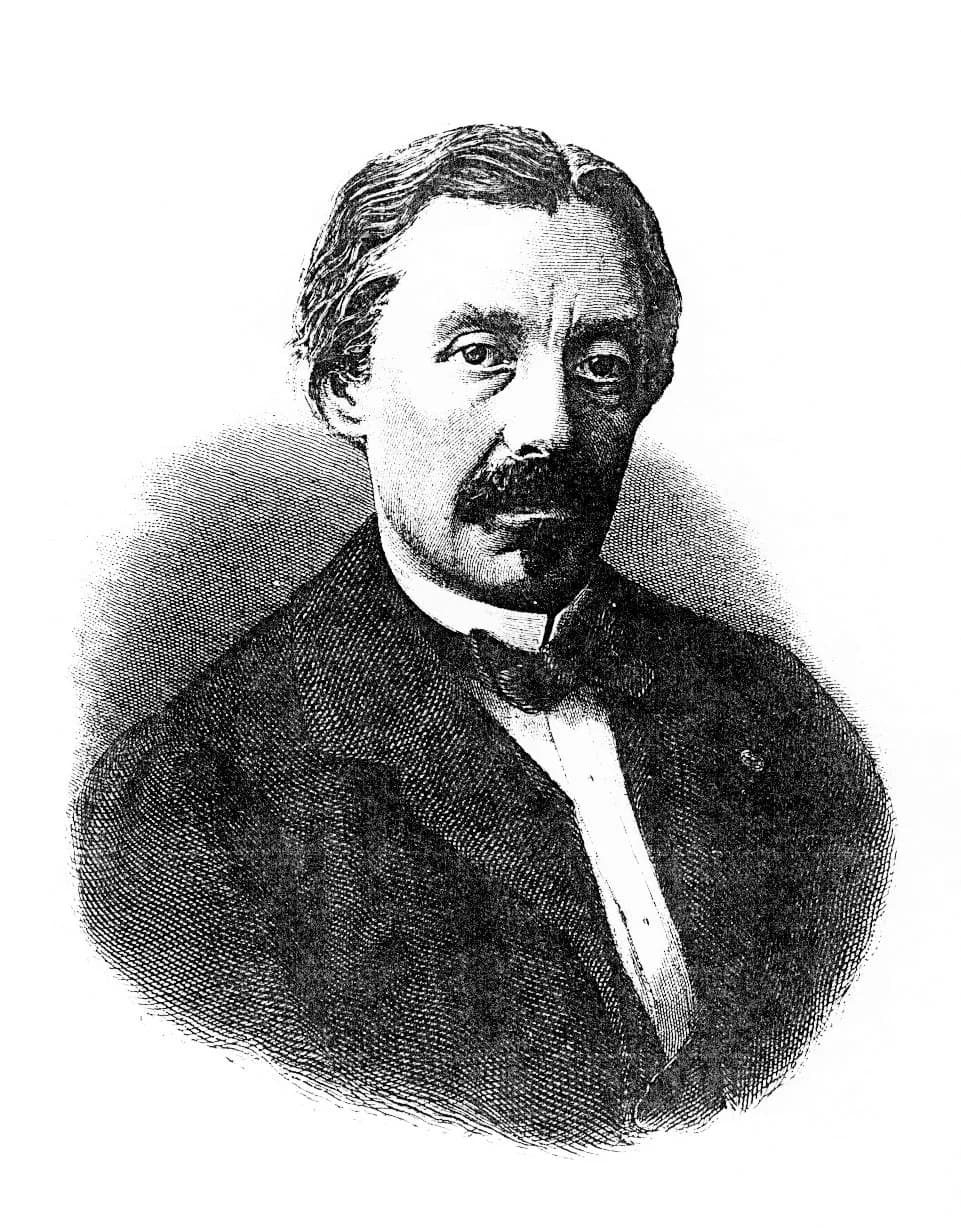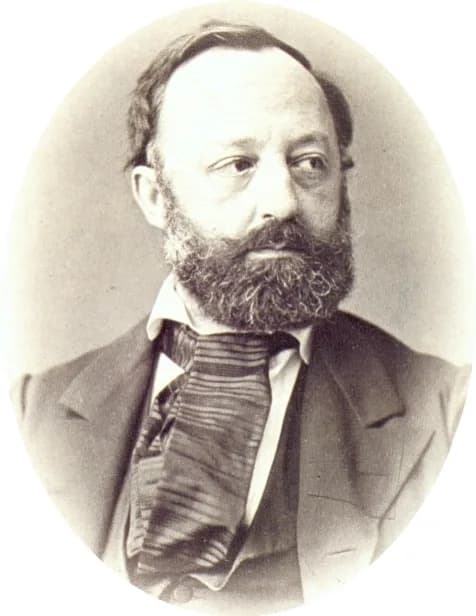
Doğulub
September 23, 1819
Paris, France
Vəfat edib
September 18, 1896
château de Venteuil, France
Tanındığı sahə
French physicist
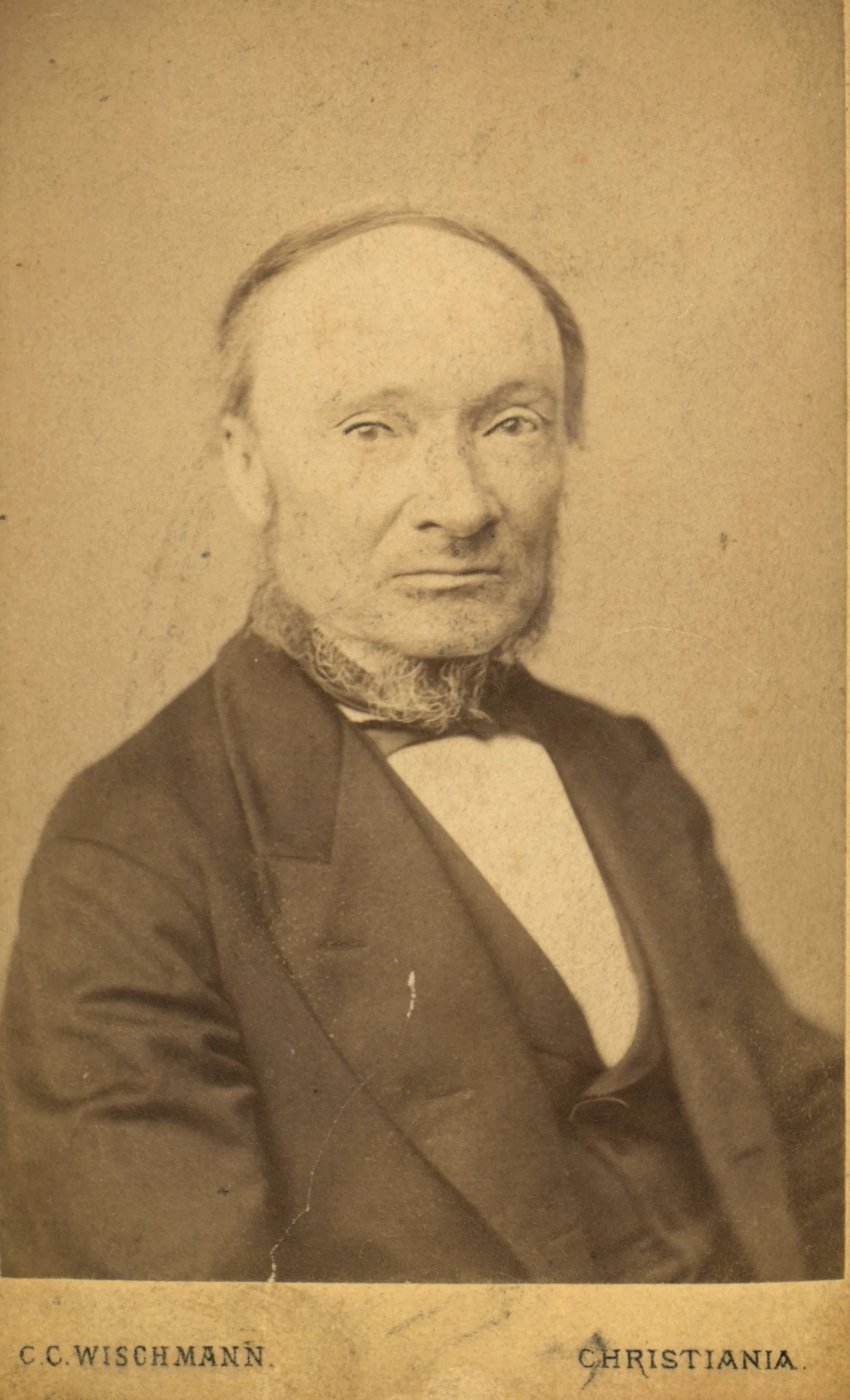
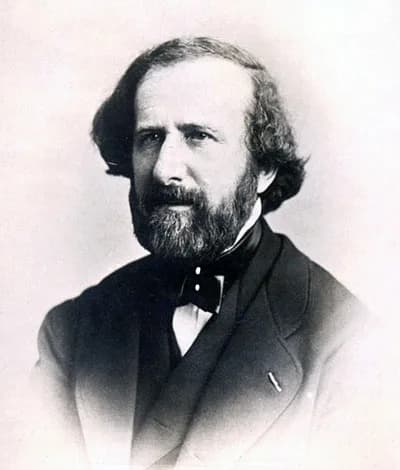
Hippolyte Fizeau (1819–1896) was France best known for French physicist.
Armand Hippolyte Louis Fizeau (September 23, 1819 – September 18, 1896) was a French physicist from Paris. He accurately measured the speed of light in 1849 and conducted the Fizeau experiment on light in moving water in 1851. His work significantly advanced the understanding of optics and light.
Anlarda bir həyat
Bir həyatı formalaşdıran anlar
Fəsil
Həyat fəsilləri
Fəsil 1 · 1819· Fəsil 1 / 6
Early Life and Origins
Born on September 23, 1819, in the vibrant city of Paris, France, Armand Hippolyte Louis Fizeau grew up in an era of intense scientific and artistic exploration. Paris, a hub of intellectual activity, likely provided a stimulating environment for his nascent curiosities. While specific details of his family and early education are not extensively documented, his later diverse professional pursuits suggest a broad and keen intellect cultivated from a young age.
Fəsil 2· Fəsil 2 / 6
Career Beginnings
Fizeau's professional journey began with a remarkable breadth of interests, encompassing roles as an astronomer, photographer, engineer, physicist, and daguerreotypist. His early engagement with daguerreotypy, a pioneering photographic process, highlights his precision and attention to detail. This early work in visual capture likely honed the observational skills that would later define his optical experiments.
Fəsil 3 · 1849· Fəsil 3 / 6
Major Achievements and Career Highlights
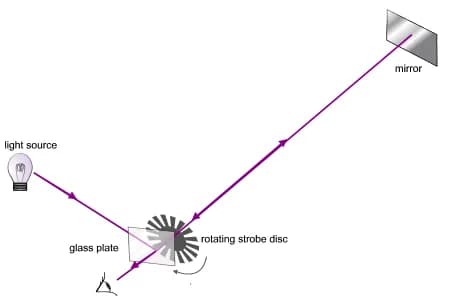
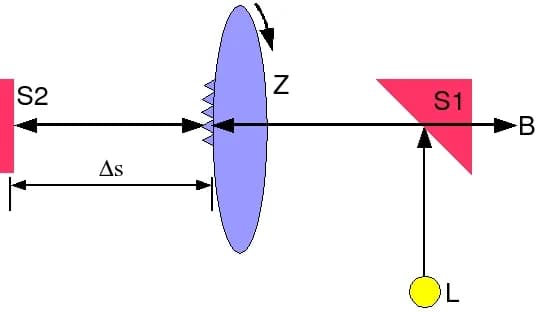
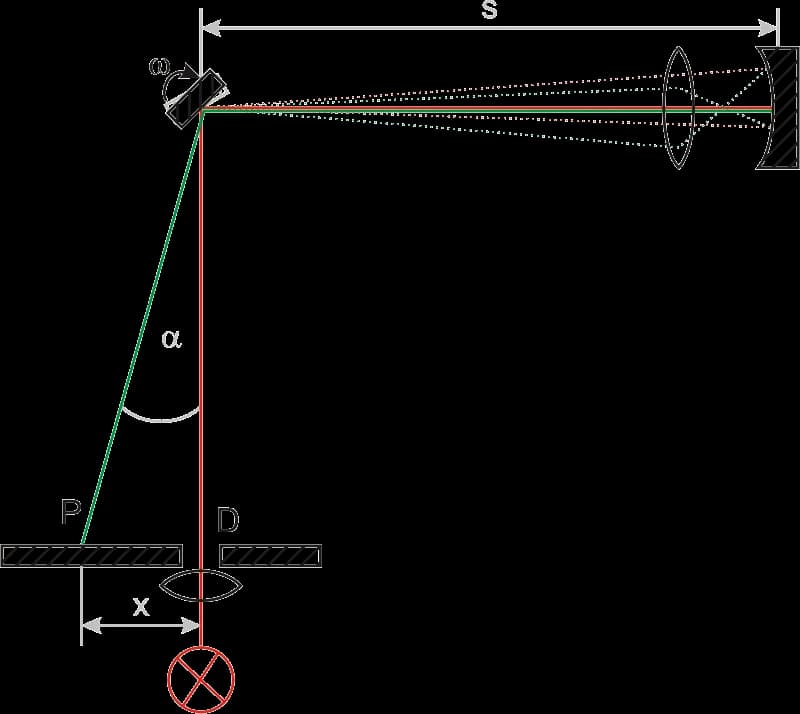
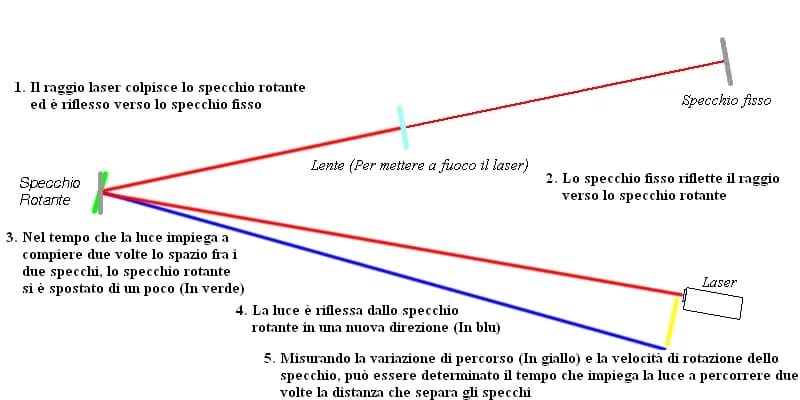
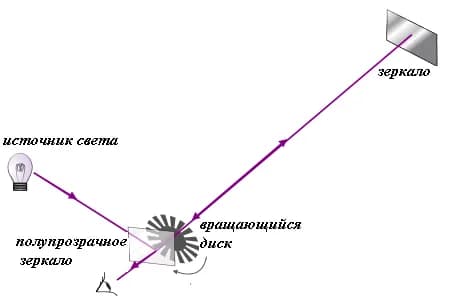
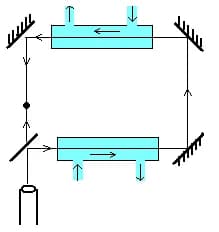
Hippolyte Fizeau is primarily celebrated for his pioneering work in determining the speed of light. In 1849, he conducted an ingenious experiment that allowed him to measure the speed of light to within an impressive 5% accuracy. This represented a significant advancement in physics, providing a concrete numerical value for a fundamental constant of the universe.
His contributions continued into 1851 with the renowned Fizeau experiment, where he measured the speed of light in moving water. This innovative experiment provided crucial empirical evidence for the understanding of light propagation in different media and moving frames. Both measurements were milestones, laying important groundwork for future theories of light and relativity.
Fəsil 4 · 1841· Fəsil 4 / 6
Notable Works or Contributions
Beyond his celebrated physics experiments, Fizeau's talent as a daguerreotypist produced several significant visual records. His works include detailed scenes such as "St. Sulpice, Paris" (ca. 1841) and "Maison Élevée Rue St. Georges par M. Renaud" (ca. 1841), both held by the Met Museum. He also captured more intimate or general Parisian life, with pieces like "[Man and Boy]" (ca. 1841), "[Paris Rooftops]" (1841), and "[Rooftops, Paris]" (August 22, 1843), also part of the Met Museum's collection.
His artistry extended to portraiture and social commentary, as seen in his "Peasant Father and His Son" (1842), housed at the Art Institute of Chicago. These photographic works demonstrate Fizeau's multifaceted talents and his ability to blend scientific precision with artistic expression, offering a unique glimpse into 19th-century life and architecture.
Fəsil 5 · 1896· Fəsil 5 / 6
Later Years
Armand Hippolyte Louis Fizeau continued his dedicated scientific work throughout his life. He passed away on September 18, 1896, at his residence, the château de Venteuil, in France. His death marked the end of a prolific career that saw significant contributions across multiple scientific and artistic disciplines.
Fəsil 6· Fəsil 6 / 6
Legacy and Impact
Hippolyte Fizeau's legacy as a French physicist, astronomer, photographer, and engineer is firmly established. His precise measurements of the speed of light in both stationary and moving media fundamentally advanced the field of optics and influenced subsequent scientific thought. The Fizeau experiment, in particular, remains a classic demonstration of physics principles taught to this day.
His careful methodology and inventive experimental designs set a high standard for scientific inquiry. Fizeau's contributions provided foundational data that proved essential for later developments in physics, including Einstein's theory of special relativity. His name endures in the annals of science as a testament to intellectual curiosity and rigorous experimentation.
FAQ
Tez-tez verilən
Hippolyte Fizeau nə vaxt vəfat edib?
Hippolyte Fizeau 18 sentyabr 1896 tarixində château de Venteuil, France-də, 76 yaşında vəfat edib.
Hippolyte Fizeau harada anadan olub?
Hippolyte Fizeau Paris, France-də 23 sentyabr 1819 tarixində anadan olub.
Hippolyte Fizeau ən çox nə ilə tanınır?
Hippolyte Fizeau ən çox French physicist ilə tanınır.
Hippolyte Fizeau öldüyü zaman neçə yaşında idi?
Hippolyte Fizeau öldüyü zaman 76 yaşında idi.
Hippolyte Fizeau-in milliyyəti nə idi?
Hippolyte Fizeau France-dan idi.
Xronologiya
Bir baxışda həyat
Foto qalereyası
Şəkillərdə bir həyat
Genişləndirmək üçün polaroidə klikləyin · 25 foto
QR kod
Bu bioqrafiyanı paylaş
Çap et və paylaş
Bu bioqrafiya səhifəsini ziyarət etmək üçün skan edin. Tədbirlər, sərgilər və ya təhsil materialları üçün çap edin.