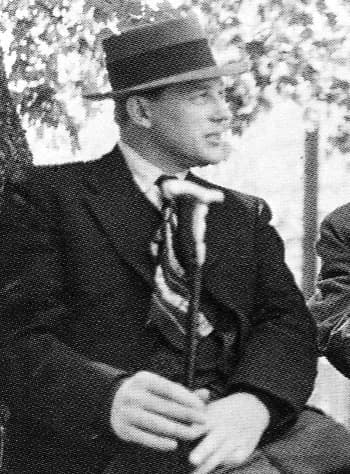
Doğulub
May 6, 1904
Blekinge, Sweden
Vəfat edib
February 11, 1978
Stockholm, Sweden
Tanındığı sahə
Swedish writer
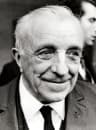
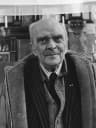
Harry Martinson (1904–1978) was Sweden best known for Swedish writer.
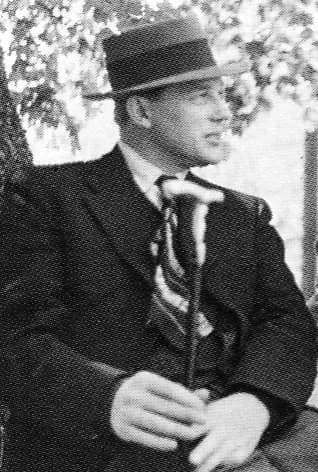
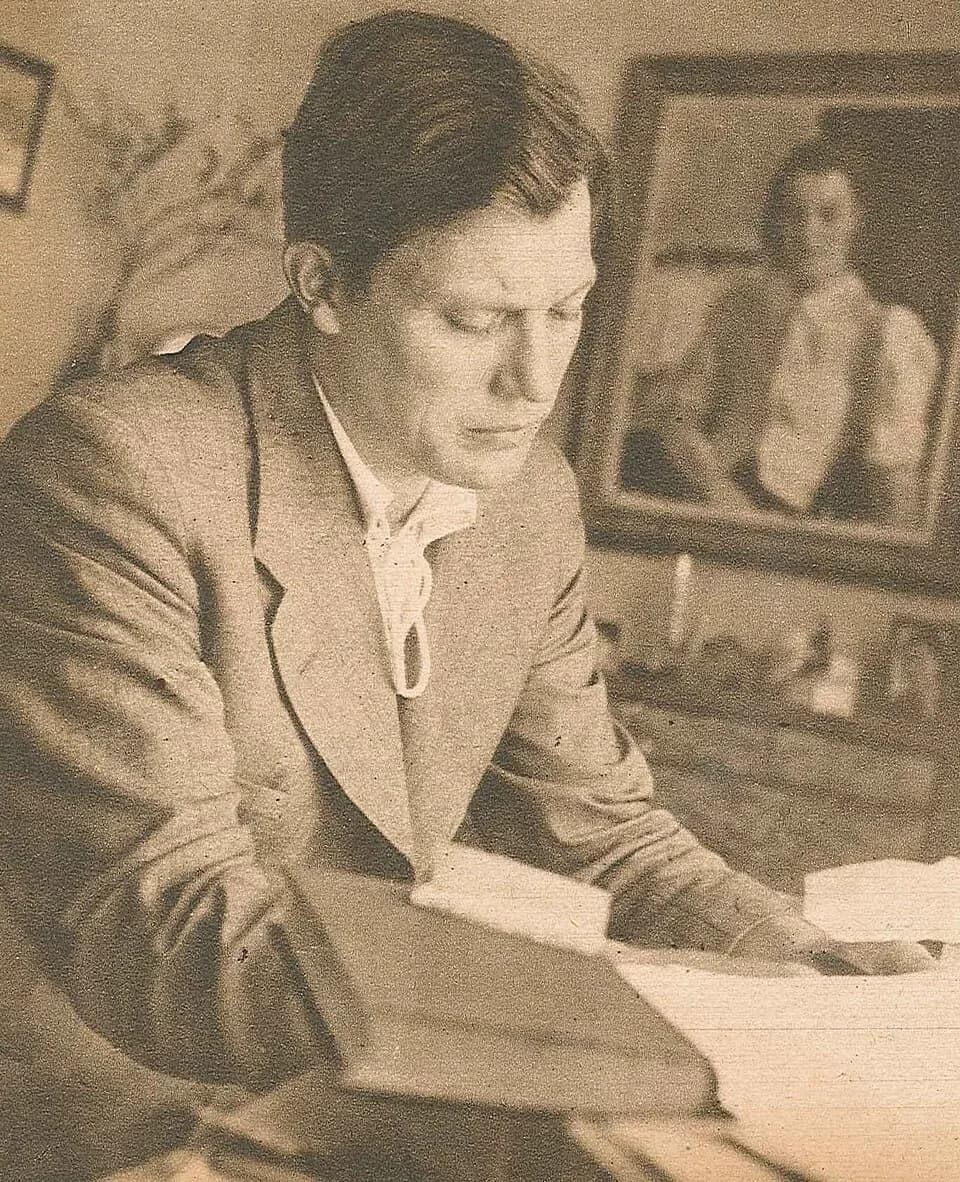
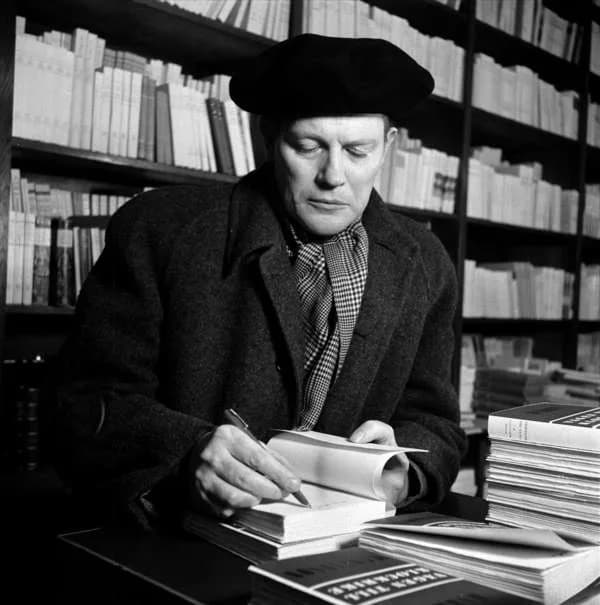
Harry Martinson (May 6, 1904 – February 11, 1978) was a Swedish writer from Blekinge. He was awarded the Nobel Prize in Literature in 1974 for his evocative writings that caught the dewdrop and reflected the cosmos. His literary legacy endures through works like 'Aniara' and 'Vägen till Klockrike'.
Fəsil
Həyat fəsilləri
Fəsil 1 · 1904· Fəsil 1 / 7
Early Life and Origins
Harry Martinson was born on May 6, 1904, in Blekinge, a picturesque region in southern Sweden. Details of his early family life are not extensively provided in public records, but his formative years in Blekinge likely shaped his keen appreciation for nature. Before establishing himself as a literary giant, Martinson embarked on a life at sea, serving as a sailor. This period of his life, traveling and experiencing diverse cultures, profoundly influenced his later writings, instilling them with a global perspective and a sense of wanderlust.
Fəsil 2· Fəsil 2 / 7
Career Beginnings
Martinson transitioned from his life as a sailor to pursue a career in writing, dedicating himself to various forms of literary expression. His initial forays into literature established him as a burgeoning talent in Sweden, experimenting with poetry, novels, and even science fiction. While specific early works are not detailed in general summaries, his dedication quickly garnered attention within Swedish literary circles. His unique voice, blending natural observation with philosophical inquiry, distinguished him among his contemporaries from the outset.
Fəsil 3 · 1949· Fəsil 3 / 7
Major Achievements and Career Highlights
Harry Martinson's literary career was marked by significant milestones and national recognition. In 1949, his esteemed standing in Swedish letters was formally acknowledged when he was elected into the highly respected Swedish Academy. The pinnacle of his career arrived in 1974 when he was jointly awarded the Nobel Prize in Literature with fellow Swede Eyvind Johnson. The Nobel committee cited his work "for writings that catch the dewdrop and reflect the cosmos," a poetic description of his unique literary vision, though this choice generated some controversy due to both laureates being members of the academy.
Fəsil 4· Fəsil 4 / 7
Personal Life
While Harry Martinson's literary achievements are widely documented, specific details regarding his personal life, family, relationships, or avocations are not comprehensively provided in available public summaries. His intensely personal and observant writing style, however, often suggests a deep engagement with the human condition and the natural world.
Fəsil 5· Fəsil 5 / 7
Notable Works or Contributions
Martinson's bibliography showcases a remarkable breadth of imagination and stylistic versatility across various genres. His epic science fiction poem, "Aniara," stands as a monumental work, exploring humanity's journey through space and existential questions. Other significant contributions include the novel "Vägen till Klockrike," which captures a unique spirit of Swedish rural life and philosophical wandering, and collections such as "Kap Farväl!" and "Resor utan mål," reflecting his deep connection to the sea. His poetic talents are also evident in collections like "Nomad" and "Dikter," alongside other insightful prose works like "Den förlorado jaguaren" and "Midsommardalen," which frequently blend natural observation with philosophical depth.
Fəsil 6 · 1974· Fəsil 6 / 7
Later Years
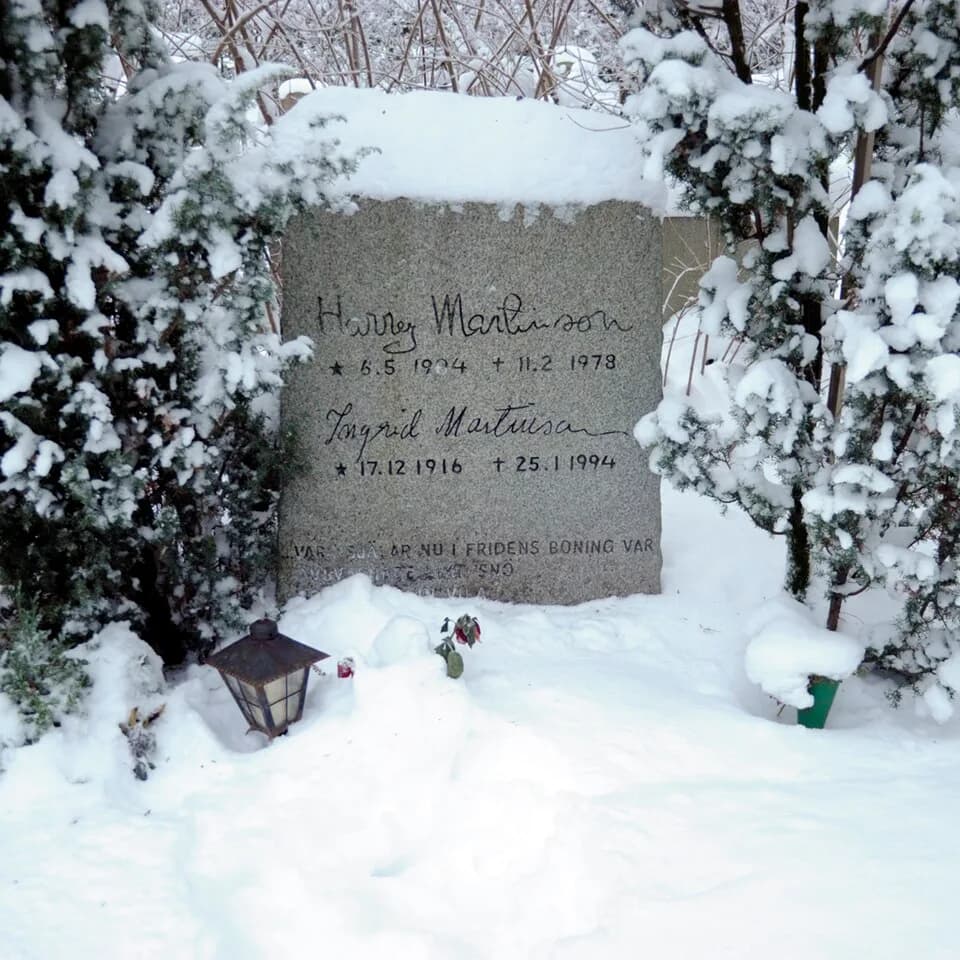
Following the international acclaim of his Nobel Prize in Literature in 1974, Harry Martinson continued to be a respected voice in the literary world. He resided in Stockholm, Sweden, the nation's capital, during his final years, remaining connected to the country's cultural heart. Harry Martinson passed away in Stockholm on February 11, 1978, at the age of 73. His death marked the end of a prolific career that had spanned decades and left a lasting mark on Swedish and global literature.
Fəsil 7· Fəsil 7 / 7
Legacy and Impact
Harry Martinson's legacy endures as one of Sweden's most original and celebrated literary figures. His distinctive ability to articulate both the minute details of existence and the vastness of the cosmos, as highlighted by his Nobel citation, continues to resonate with readers. He pioneered a style that blended stark realism with profound philosophical inquiry, particularly in his genre-bending works. Martinson's contributions not only enriched Swedish literature but also broadened the scope of what poetry and prose could achieve, securing his place as an eternal "dewdrop" reflecting the universe for future generations.
Anlarda bir həyat
Bir həyatı formalaşdıran anlar
FAQ
Tez-tez verilən
Harry Martinson nə vaxt vəfat edib?
Harry Martinson 11 fevral 1978 tarixində Stockholm, Sweden-də, 73 yaşında vəfat edib.
Harry Martinson harada anadan olub?
Harry Martinson Blekinge, Sweden-də 6 may 1904 tarixində anadan olub.
Harry Martinson ən çox nə ilə tanınır?
Harry Martinson ən çox Swedish writer ilə tanınır.
Harry Martinson öldüyü zaman neçə yaşında idi?
Harry Martinson öldüyü zaman 73 yaşında idi.
Harry Martinson-in milliyyəti nə idi?
Harry Martinson Sweden-dan idi.
Xronologiya
Bir baxışda həyat
Foto qalereyası
Şəkillərdə bir həyat
Genişləndirmək üçün polaroidə klikləyin · 48 foto
QR kod
Bu bioqrafiyanı paylaş
Çap et və paylaş
Bu bioqrafiya səhifəsini ziyarət etmək üçün skan edin. Tədbirlər, sərgilər və ya təhsil materialları üçün çap edin.