Doğulub
January 6, 1832
Strasbourg, France
Vəfat edib
January 23, 1883
7th arrondissement of Paris, France
Tanındığı sahə
French illustrator and painter
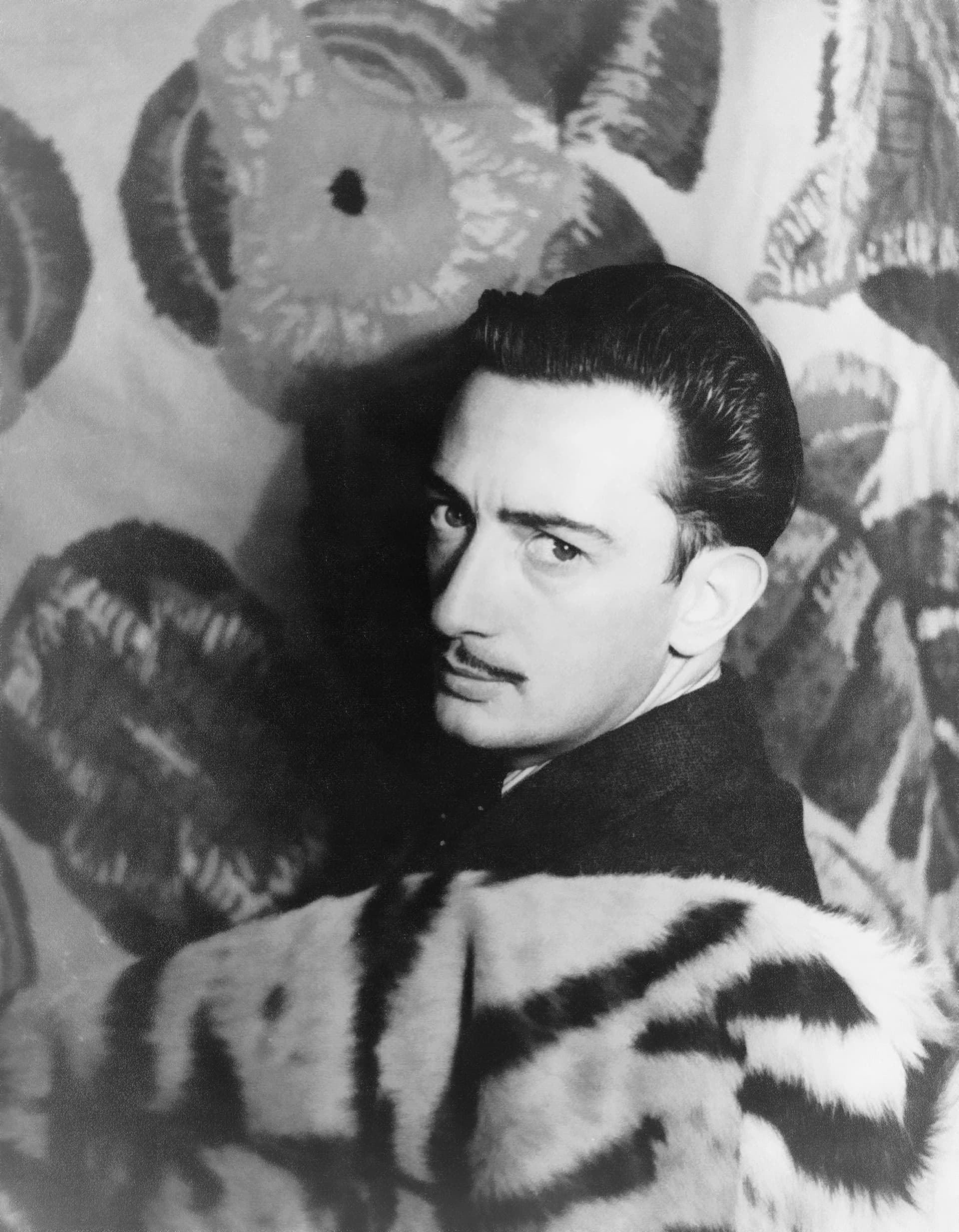
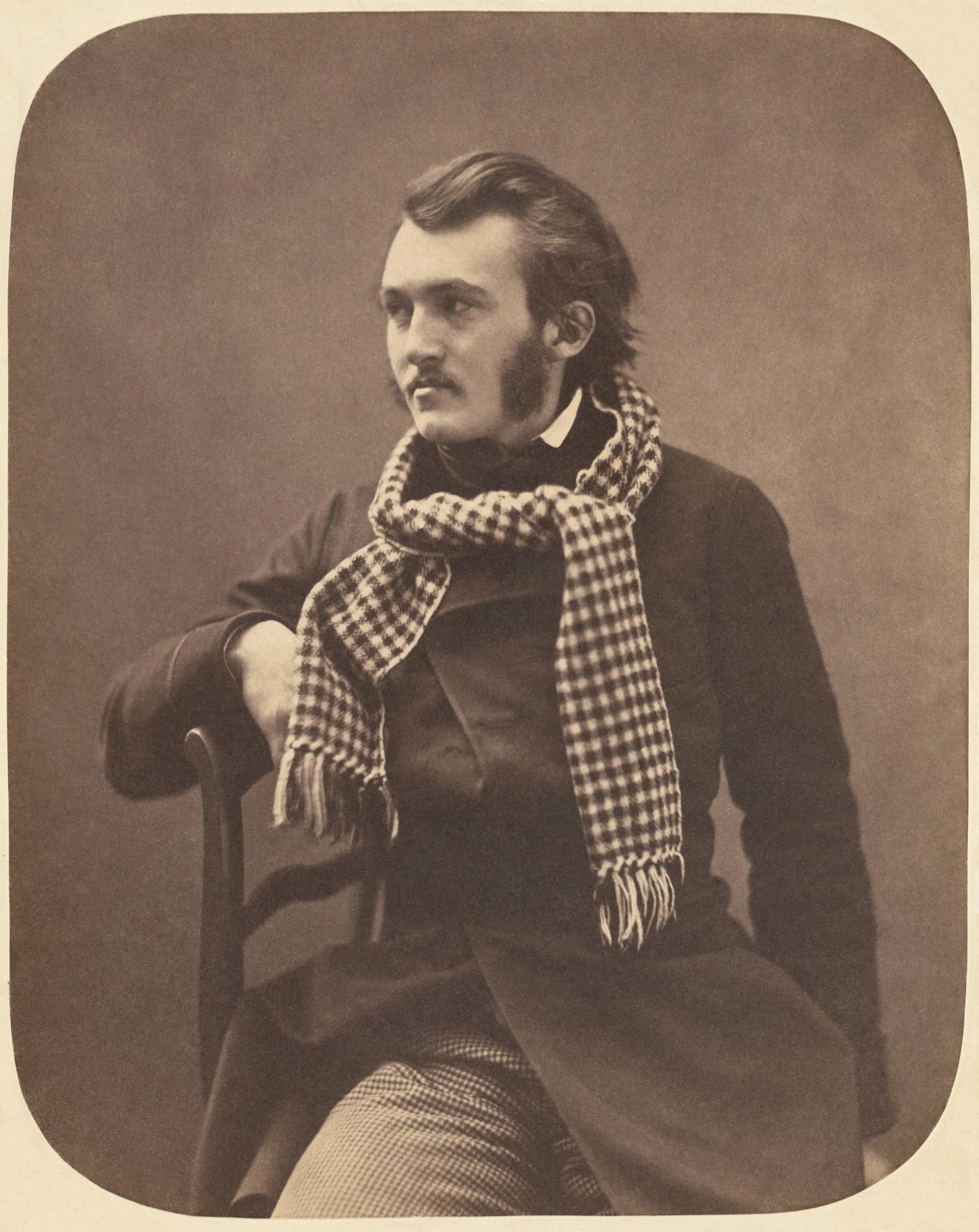
Gustave Doré (1832–1883) was France best known for French illustrator and painter.
Paul Gustave Louis Christophe Doré (January 6, 1832 – January 23, 1883) was a French illustrator and painter. He is best known for his prolific wood-engravings illustrating classic literature, including the Vulgate Bible and Dante's Divine Comedy. Doré's dramatic and detailed work left a lasting legacy in visual storytelling.
Anlarda bir həyat
Bir həyatı formalaşdıran anlar
Fəsil
Həyat fəsilləri
Fəsil 1 · 1832· Fəsil 1 / 6
Early Life and Origins
Gustave Doré's journey began in Strasbourg, France, where he was born on January 6, 1832. From a young age, he showed a precocious talent for drawing and caricature. While specific details about his family and formal education are not extensively provided, his early environment in France nurtured the artistic inclinations that would define his future endeavors.
Fəsil 2· Fəsil 2 / 6
Career Beginnings
Doré's professional path began early, marking him as a visual artist with diverse talents. He initially explored roles as a comics artist, caricaturist, and lithographer, laying the groundwork for his later, more expansive work. These early experiences honed his draftsmanship and imaginative flair, which would prove essential in his illustrative career as a graphic artist, printmaker, and draftsperson.
Fəsil 3· Fəsil 3 / 6
Major Achievements and Career Highlights
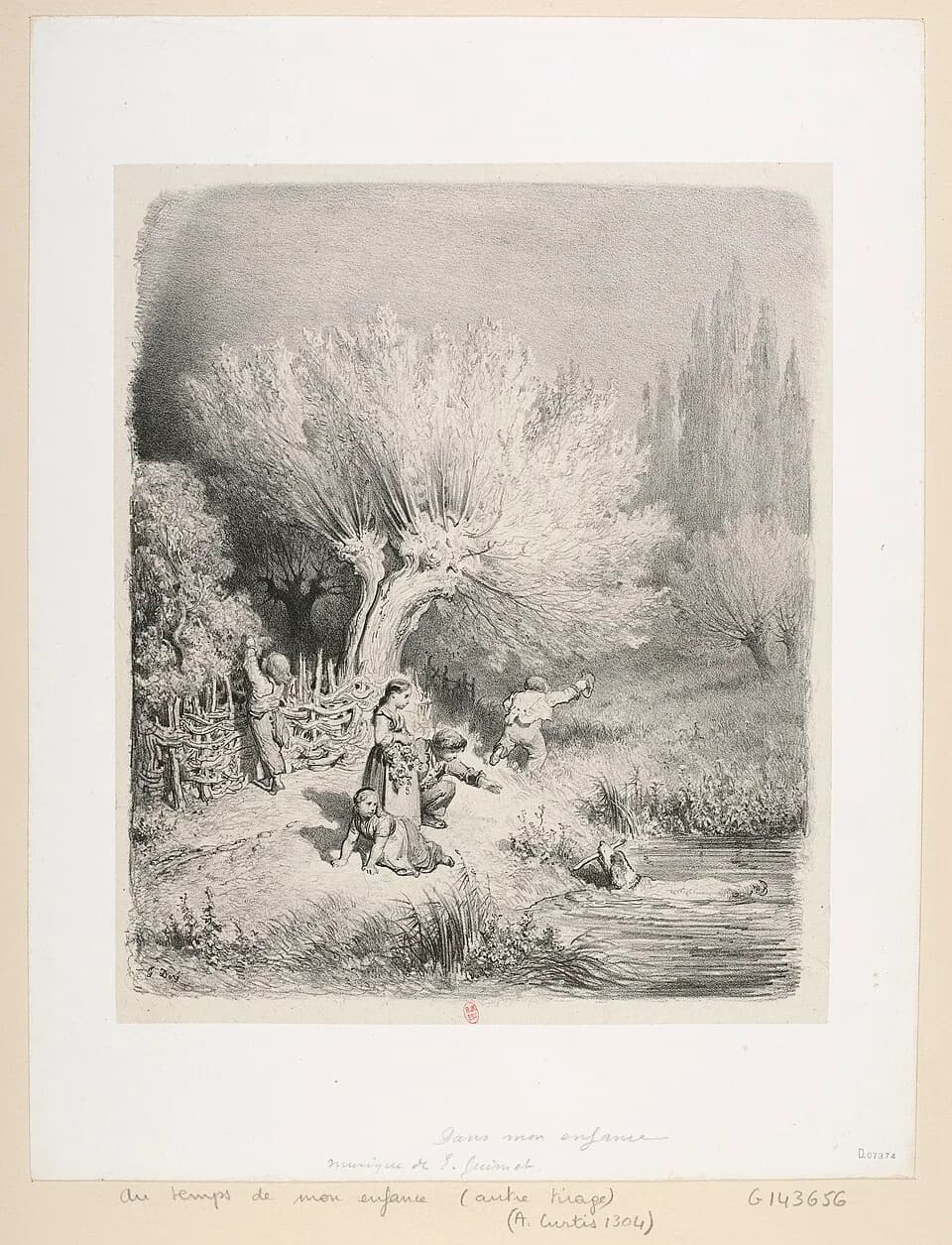
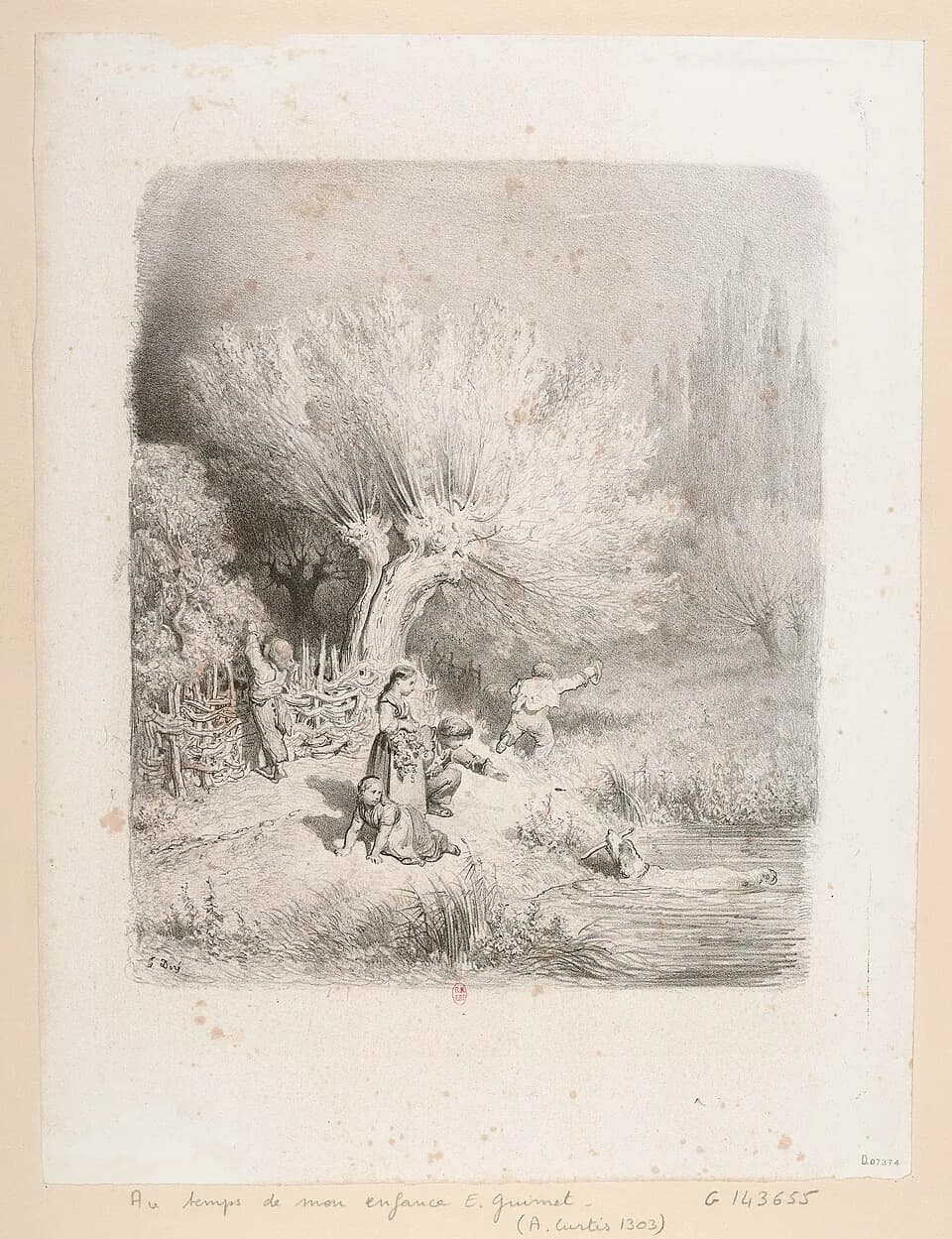
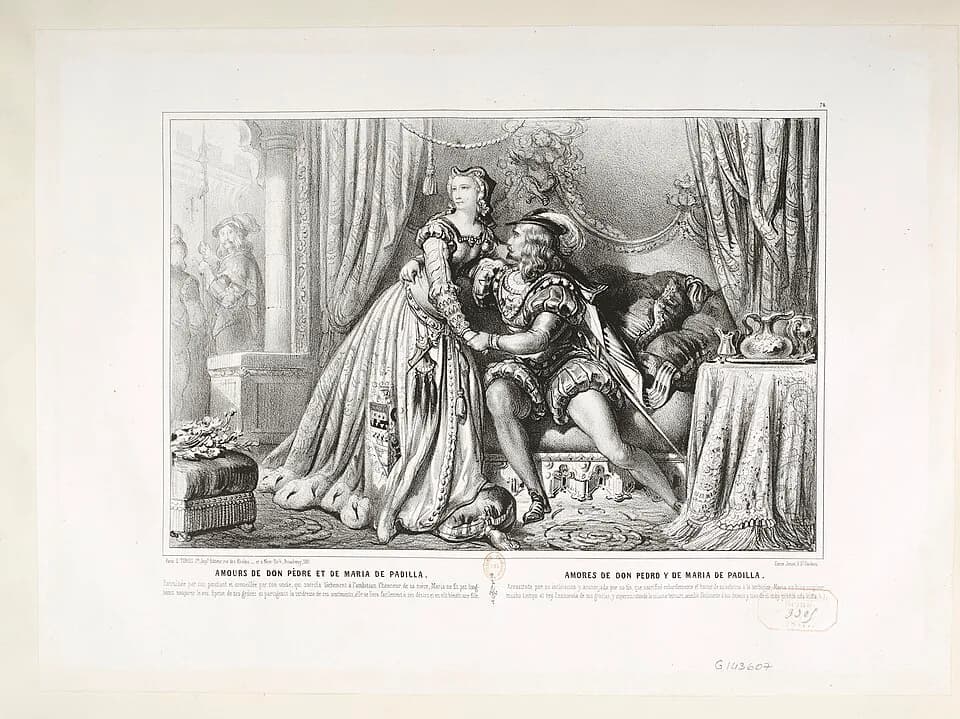
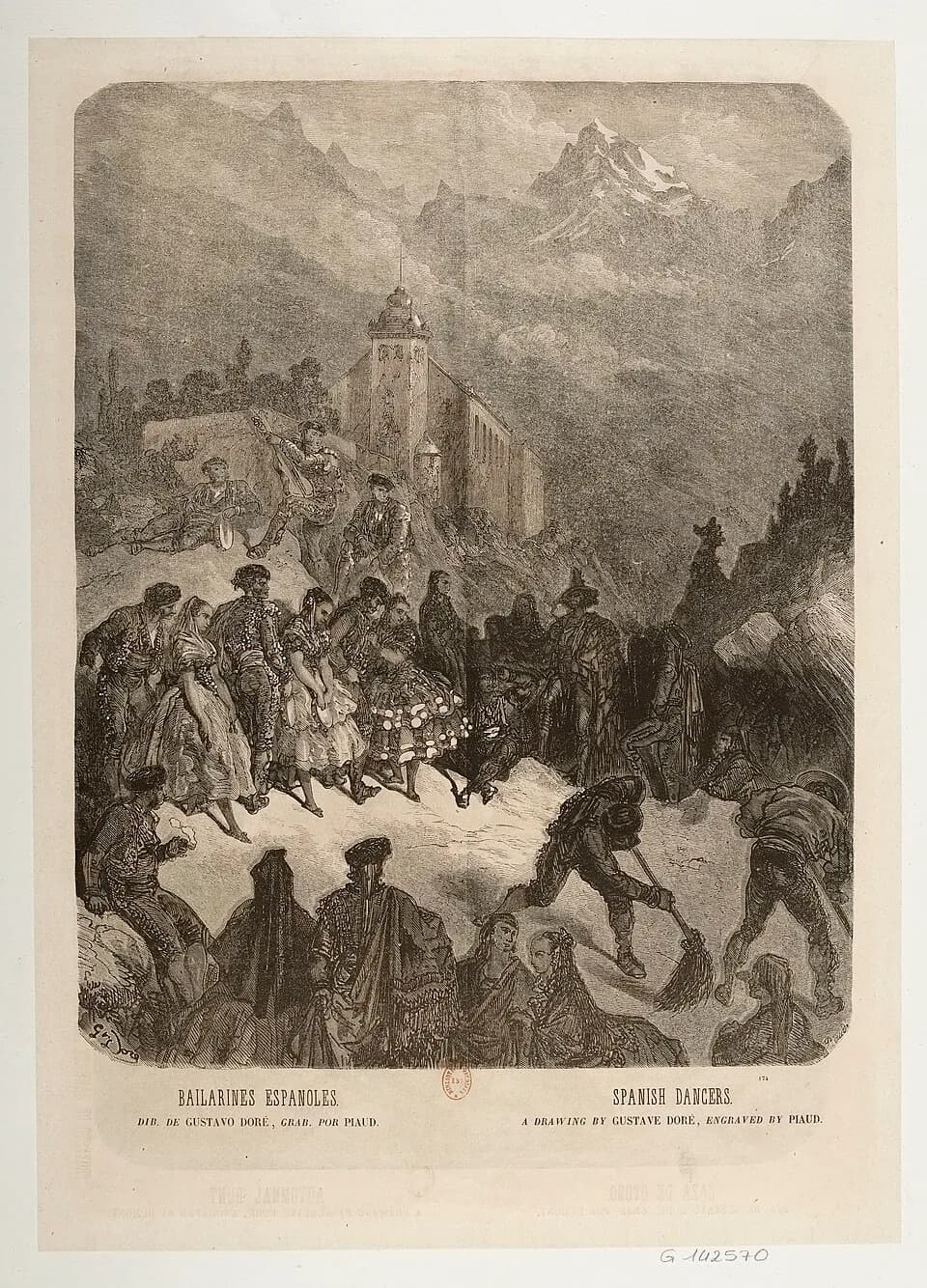
Gustave Doré achieved international acclaim for his prodigious output, particularly his wood-engravings. His illustrations for the Vulgate Bible and Dante's Divine Comedy garnered immense success globally, making his name synonymous with literary illustration. At the peak of his career, Doré functioned primarily as the designer, with around 40 skilled block-cutters employed to meticulously translate his intricate drawings onto wooden printing blocks, often also signing the images. This collaborative process underscored the demand for his unique artistic vision and his organizational skill in managing a significant production team.
Fəsil 4 · 1863· Fəsil 4 / 6
Notable Works or Contributions
Doré's artistic range was expansive, encompassing both illustration and painting. His iconic works include "Don Quixote and Sancho Panza Entertained by Basil and Quiteria" from around 1863, held at the Met Museum, and the emotive "La Rue de la Vieille Lanterne: The Suicide of Gérard de Nerval," painted in 1855 and housed at the AIC. Other significant pieces include "Pauline Viardot Gambling at Baden-Baden" (1862), "Alpine Scene" (1865), and the evocative "Fairy Land" (1881). He also created "Le Christ sortant du tombeau" (1850–83) and numerous other illustrations such as "Sir Lancelot Approaching the Castle of Astolat," "The Calling of Samuel" (1877), and "The Princess is Held Captive" (c. 1879), showcasing his mastery across various themes and narratives. His detailed "Sketch of a Draper's or Upholsterer's Shop" and "A Costumed Actor in Front of a Curtain" demonstrate his attention to everyday life and theatrical subjects, alongside military scenes like "A Group of Austrian Guards" (1859) and landscapes such as "Scottish Landscape" (1873).
Fəsil 5 · 1883· Fəsil 5 / 6
Later Years
Gustave Doré maintained his prolific artistic output throughout his life, continuing to illustrate and paint with characteristic vigor. He passed away relatively young, on January 23, 1883, in the 7th arrondissement of Paris, France, at the age of 51. His passing marked the end of a prolific career, but his extensive body of work ensured his enduring presence in the art world.
Fəsil 6· Fəsil 6 / 6
Legacy and Impact
Gustave Doré's influence on the world of illustration and printmaking is undeniable. His unique style, characterized by dramatic compositions and rich detail, redefined how readers visualized classic texts. He left a lasting impact on subsequent generations of artists and illustrators, with his images for the Bible and Dante remaining definitive interpretations for many. Doré's innovative approach to publishing, working with numerous block-cutters, also showcased an early form of artistic production management. His artworks continue to be celebrated and exhibited in prestigious institutions such as the Metropolitan Museum of Art and the Art Institute of Chicago, a testament to his enduring artistic power.
FAQ
Tez-tez verilən
Gustave Doré nə vaxt vəfat edib?
Gustave Doré 23 yanvar 1883 tarixində 7th arrondissement of Paris, France-də, 51 yaşında vəfat edib.
Gustave Doré harada anadan olub?
Gustave Doré Strasbourg, France-də 6 yanvar 1832 tarixində anadan olub.
Gustave Doré ən çox nə ilə tanınır?
Gustave Doré ən çox French illustrator and painter ilə tanınır.
Gustave Doré öldüyü zaman neçə yaşında idi?
Gustave Doré öldüyü zaman 51 yaşında idi.
Gustave Doré-in milliyyəti nə idi?
Gustave Doré France-dan idi.
Xronologiya
Bir baxışda həyat
Foto qalereyası
Şəkillərdə bir həyat
Genişləndirmək üçün polaroidə klikləyin · 49 foto
QR kod
Bu bioqrafiyanı paylaş
Çap et və paylaş
Bu bioqrafiya səhifəsini ziyarət etmək üçün skan edin. Tədbirlər, sərgilər və ya təhsil materialları üçün çap edin.