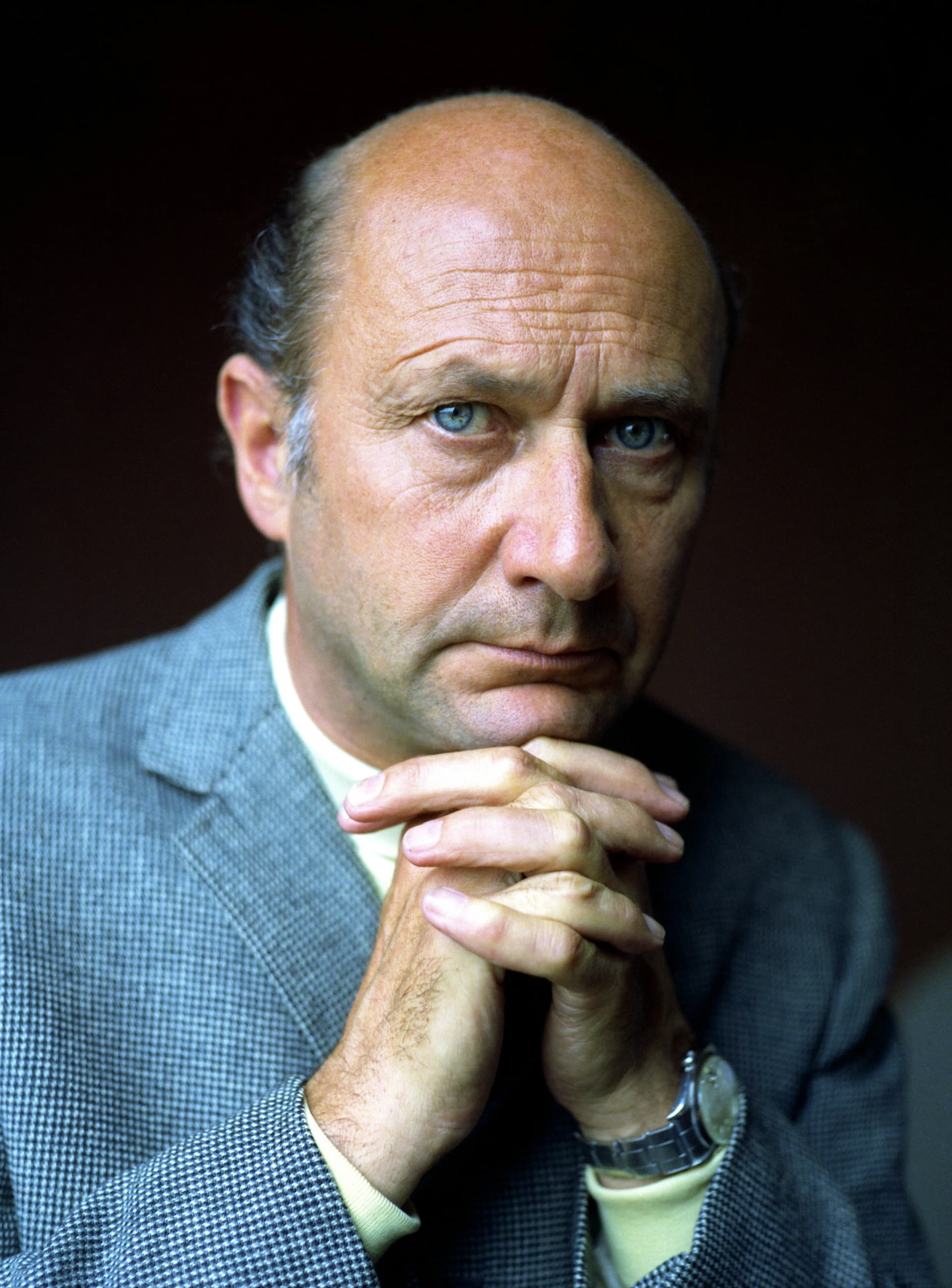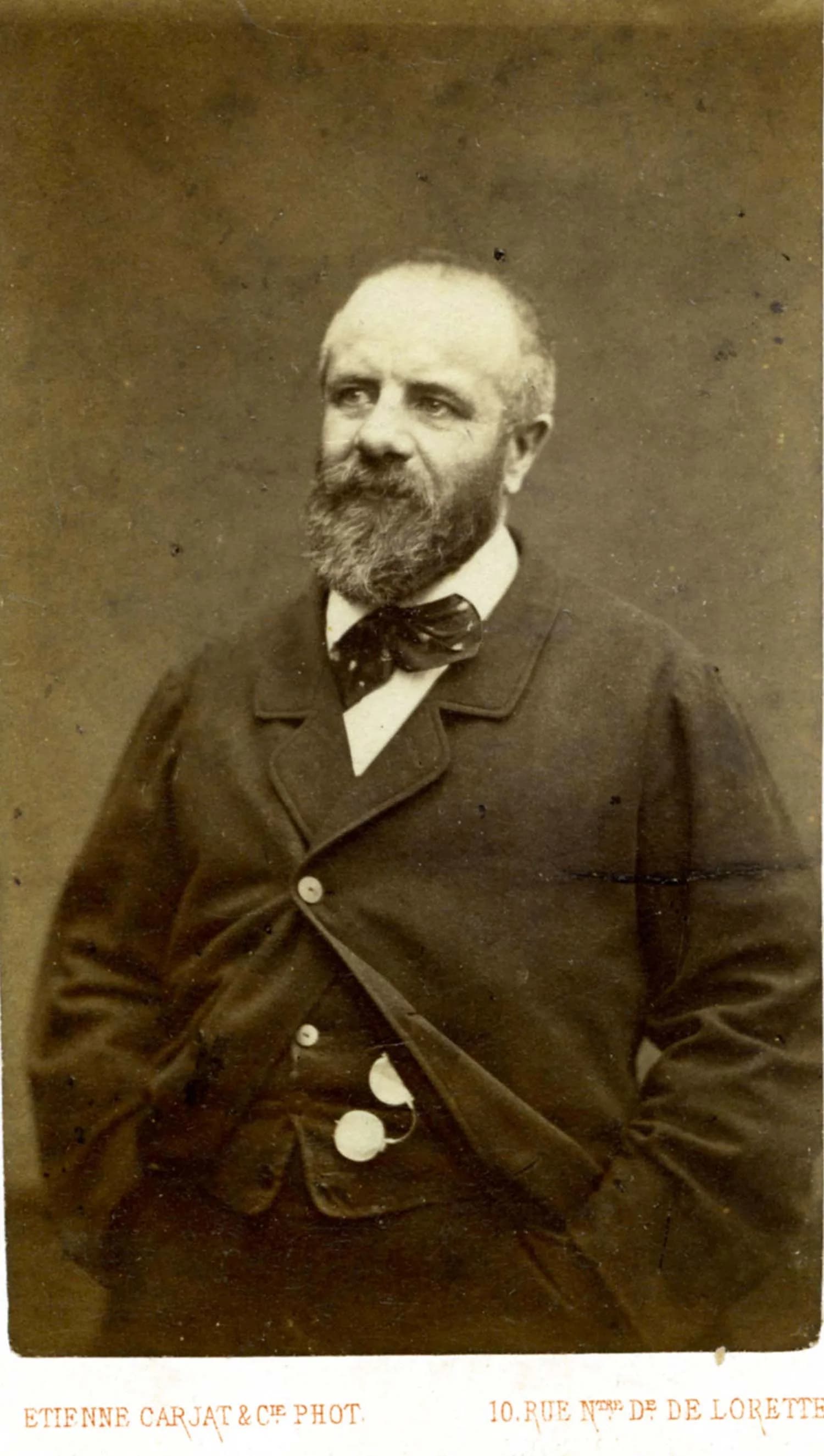
Doğulub
October 5, 1816
former 2nd arrondissement of Paris, France
Vəfat edib
November 6, 1887
Paris, France
Tanındığı sahə
French politician
Eugène Pottier (1816–1887) was France best known for French politician.
Eugène Edme Pottier (October 5, 1816 – November 6, 1887) was a French writer, poet, and politician. He is most known for writing the powerful lyrics to "The Internationale," which became a global left-wing anthem. His words continue to inspire movements for social justice.
Anlarda bir həyat
Bir həyatı formalaşdıran anlar
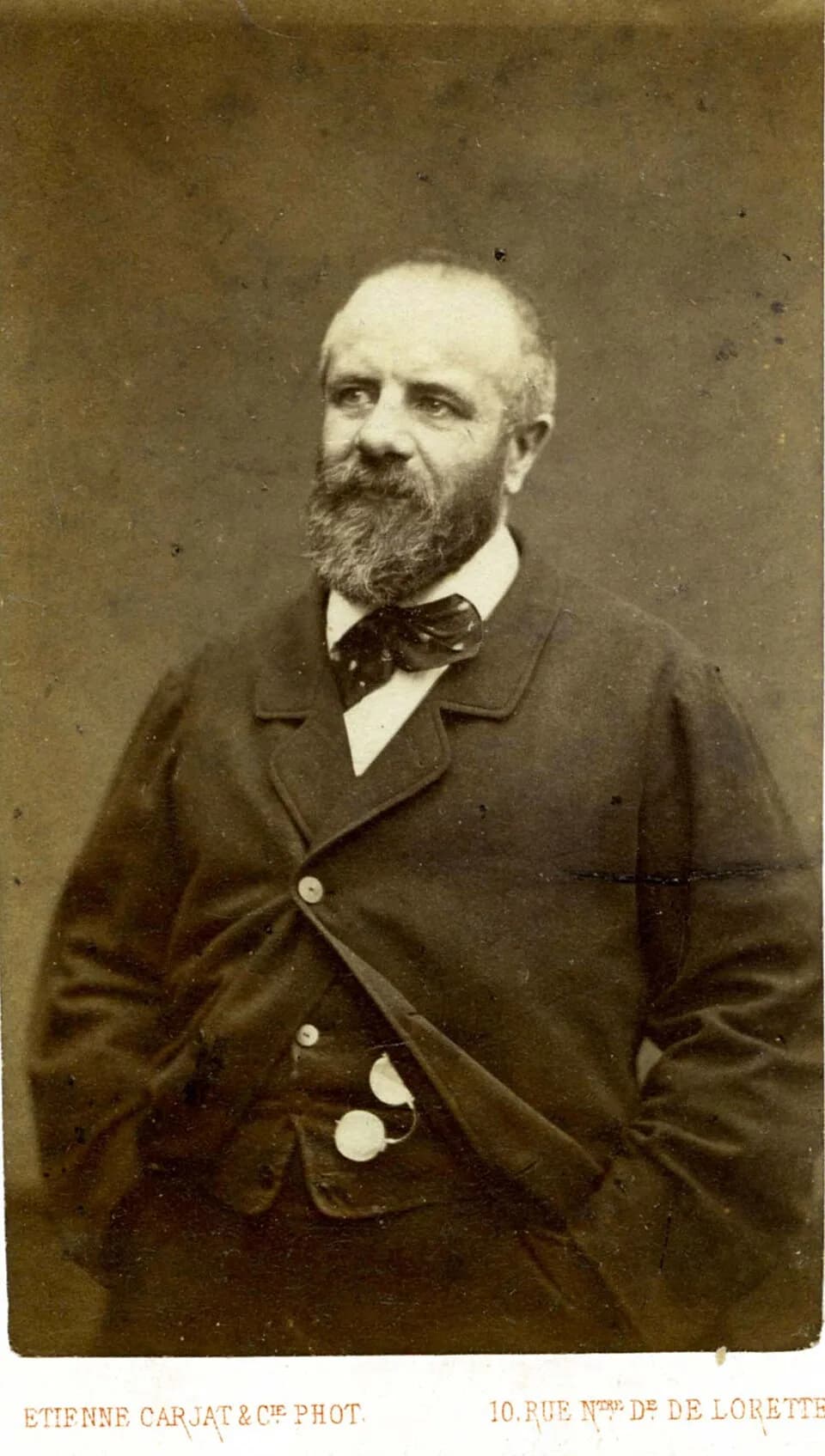
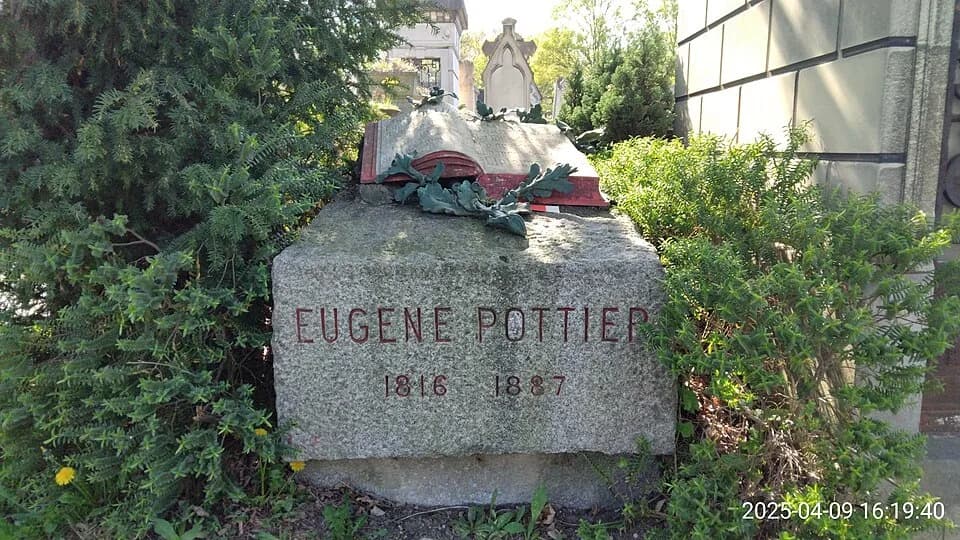

Fəsil
Həyat fəsilləri
Fəsil 1 · 1848· Fəsil 1 / 3
The Voice of the People
Even in his teens, Eugène Pottier was already composing his own melodies. By 1848, during the short-lived Second Republic, he had become a prominent chansonnier – a worker-songwriter who entertained and mobilized the largely illiterate French population. His "socially critical songs" like "Liberté, égalité, fraternité, et gaité" offered both political commentary and merriment, often set to familiar tunes to encourage widespread singing.
Pottier’s artistic talents extended beyond song. He trained as an industrial textile designer, eventually claiming to own "the best design studio in Paris" during the Second Empire. Yet, his personal prosperity did not dim his political fire. As censorship eased, he joined the French affiliate of the International Workingmen's Association, known as the First International. His later songs, such as "Ce que dit le pain" (What the Bread Says), subtly critiqued social injustices and celebrated innovations like the trans-Atlantic telegraphic cable in "La nouvelle ère".
Fəsil 2 · 1871· Fəsil 2 / 3
From Commune to Anthem
In 1871, Pottier found himself at the heart of the Paris Commune. He was elected to the municipal council, representing the second and later the eleventh arrondissements of Paris. He even served on the Commune's Federation of Artists, chaired by the renowned painter Gustave Courbet. The tumult of this period left little time for writing. But after the Commune's brutal suppression in May, just before he fled France, Eugène Pottier penned the lyrics that would define his legacy: "L'Internationale".
He eventually sought refuge, first in Britain and then, in 1873, in the United States. There, in New Jersey, he made a modest living teaching French. He found camaraderie among other French exiles and within the freemason lodge, Les Égalitaires, whose mission he described as a pursuit of "Truth and Justice." During his American exile, he continued to write, including "The Workingmen of American to the Workingmen of France," a poem celebrating unity while critiquing global capitalism.
Fəsil 3 · 1881· Fəsil 3 / 3
A Song for the World
Returning to Paris in 1881 after a general amnesty, Pottier was old and unwell, but his pen remained active. When his song "Chacun vit de son métier" (To Each His Trade) won a silver medal in 1883, it reconnected him with Communard comrades. It was one of these comrades, Jean Allemane, who published "L'Internationale" in a collection called Chants révolutionnaires in April 1887.
When Eugène Pottier died in poverty in November 1887, "L'Internationale," set to the tune of "La Marseillaise," was sung at his burial. Up to 10,000 mourners filled Père Lachaise Cemetery, a powerful farewell for a man who championed the working class. Though the more familiar musical setting was composed later by Pierre De Geyter, Pottier's words quickly transcended their original context. Translated into countless languages, "L'Internationale" became the anthem of socialist movements worldwide, echoed even by Vladimir Lenin, who acknowledged Pottier's death in a 1913 article.
Pottier’s defiance lived on, not just in "L'Internationale," but in other powerful works. His song "Elle n'est pas morte" (The Commune did not die), written in 1886, concludes with a rallying cry, anticipating the return of what he fought for:
Et ça prouve à tous les Judas
Que si ça marche de la sorte,
Ils sentiront dans peu
Nom de Dieu!
Que la Commune n'est pas morte!
In English:
And it proves to every Judas
That it will come by and by
That they will see it soon enough, my God,
The Commune did not die!
This powerful sentiment ensures that Eugène Pottier's words continue to resonate, long after his quiet passing.
FAQ
Tez-tez verilən
Eugène Pottier nə vaxt vəfat edib?
Eugène Pottier 6 noyabr 1887 tarixində Paris, France-də, 71 yaşında vəfat edib.
Eugène Pottier harada anadan olub?
Eugène Pottier former 2nd arrondissement of Paris, France-də 5 oktyabr 1816 tarixində anadan olub.
Eugène Pottier ən çox nə ilə tanınır?
Eugène Pottier ən çox French politician ilə tanınır.
Eugène Pottier öldüyü zaman neçə yaşında idi?
Eugène Pottier öldüyü zaman 71 yaşında idi.
Eugène Pottier-in milliyyəti nə idi?
Eugène Pottier France-dan idi.
Xronologiya
Bir baxışda həyat
Foto qalereyası
Şəkillərdə bir həyat
Genişləndirmək üçün polaroidə klikləyin · 17 foto
QR kod
Bu bioqrafiyanı paylaş
Çap et və paylaş
Bu bioqrafiya səhifəsini ziyarət etmək üçün skan edin. Tədbirlər, sərgilər və ya təhsil materialları üçün çap edin.